Published on: 2026-03-26
Updated on: 2026-03-27
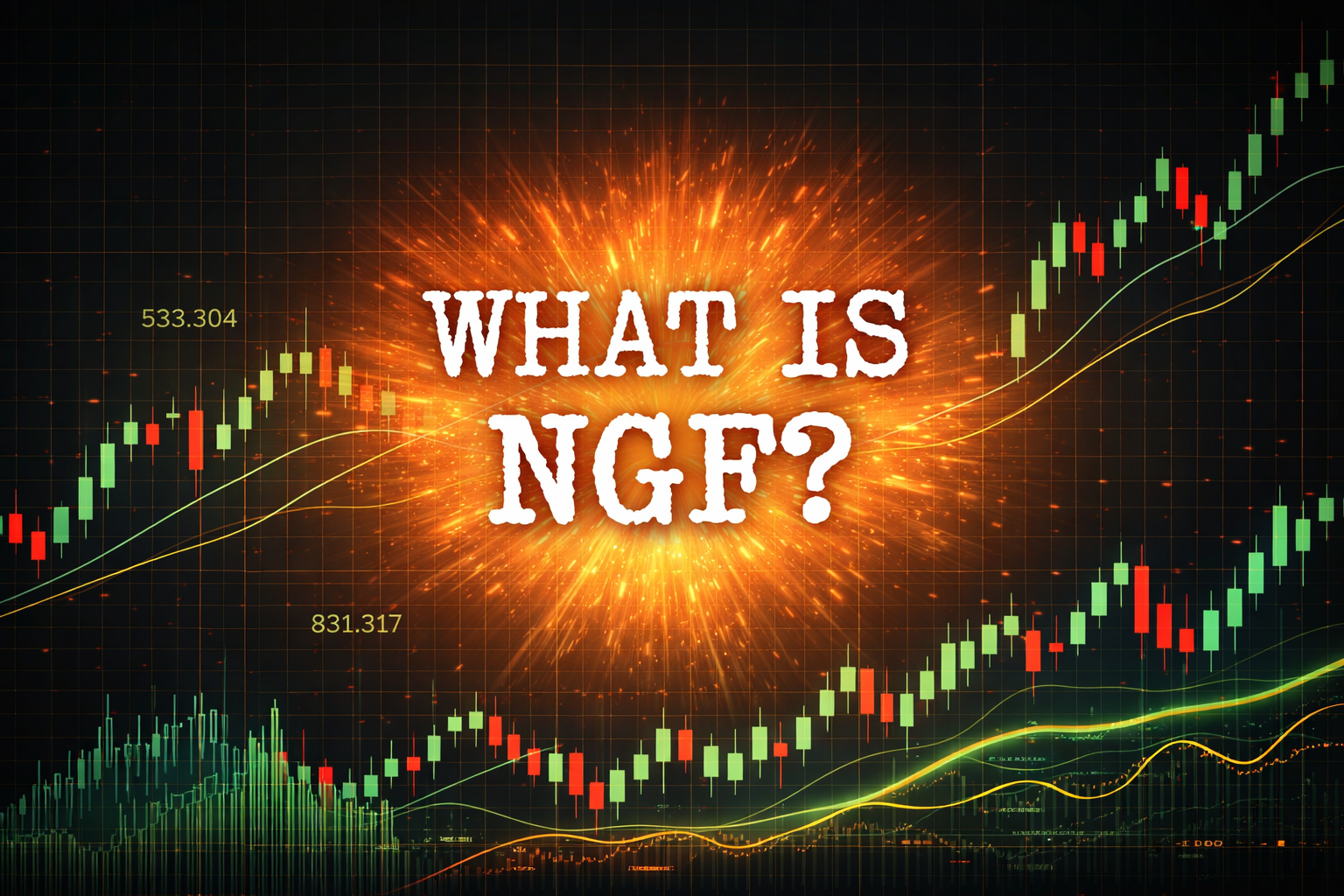
In trading contexts, Not Going First (NGF) most commonly refers to a behavioural strategy rather than a technical indicator. However, depending on the environment, it can also carry different meanings.
NGF most commonly stands for “Not Going First” in trading contexts.
It reflects a strategy of waiting before entering a trade or revealing intent.
NGF is linked to risk management and information advantage.
The meaning of NGF can vary depending on context, including prop trading firms.
It highlights the importance of patience and timing in trading decisions.
In most trading discussions, NGF stands for “Not Going First.” This concept refers to a strategy in which a trader waits for others to act before making a move. Instead of initiating a trade immediately, the trader observes market behaviour, price action, or counterparties before committing capital.
The logic behind NGF is simple. Acting first can sometimes put a trader at a disadvantage, especially when information is incomplete. By waiting, traders can gain additional insights and reduce uncertainty.
For example, in a negotiation or trade execution scenario, the first party to act may reveal their expectations or price level. A trader using NGF waits for this information before responding.
Although NGF is not a formal trading indicator, it reflects a core trading principle: information advantage.
By waiting for confirmation, traders reduce the risk of entering trades based on incomplete data. This is especially important in volatile markets.
Instead of predicting price movement, NGF traders allow the market to show direction first. This aligns closely with trend following strategies.
Acting too quickly often leads to impulsive trades. NGF encourages patience and discipline, which are critical traits for long-term success.
A trader is watching a stock ahead of an economic announcement. Instead of entering a position before the news, the trader waits for the market reaction.
If the price breaks upward with strong volume, the trader enters after confirmation.
If the market drops, the trader avoids a losing trade.
This approach reduces the likelihood of being caught on the wrong side of volatility.
Traders who enter early may capture larger moves, but they also face higher uncertainty. NGF traders sacrifice some potential profit in exchange for improved probability.
NGF is better described as a trading mindset or approach rather than a standalone strategy. It can be integrated into different trading styles:
Day trading: Waiting for breakout confirmation
Swing trading: Entering after trend confirmation
Options trading: Waiting for volatility expansion before positioning
In all cases, NGF reinforces the idea of reacting to the market rather than predicting it.
Improved Decision Making: Waiting allows traders to base their decisions on real market data rather than assumptions.
Lower Risk Exposure: By avoiding premature entries, traders reduce the likelihood of false signals.
Better Timing: Entering after confirmation often improves trade accuracy, even if it reduces maximum profit potential.
Missed Opportunities: Waiting too long can lead to missing the best entry points.
Reduced Profit Potential: Late entries can yield smaller gains than early positioning.
Requires Discipline: NGF demands patience, which many traders struggle to maintain consistently.
Understanding NGF becomes easier when you are familiar with other commonly used trading terms. These terms often appear in similar contexts and help build a stronger foundation in trading concepts.
Many of these terms reinforce the idea behind NGF. For example, avoiding FOMO and waiting for confirmation are both aligned with the principle of not acting too early. Together, they highlight the importance of patience, discipline, and structured decision-making in trading.
NGF usually stands for “Not Going First,” which means waiting for other traders or the market to act before entering a trade. It is a strategy focused on patience and confirmation rather than prediction.
NGF is not a formal strategy but a trading approach. It emphasises waiting for confirmation before making decisions, which can be applied across different trading styles such as day trading or swing trading.
Traders use NGF to reduce risk and improve decision-making. By waiting for the market to show direction, they avoid entering trades based on uncertainty or incomplete information.
NGF does not guarantee success, but it can improve consistency by reducing impulsive trades. Like any approach, it must be combined with proper analysis and risk management.
NGF in trading most commonly means “Not Going First,” a strategy that emphasises waiting for confirmation before entering a trade. It reflects a disciplined approach to trading that prioritises information, timing, and risk management. While NGF is not a formal indicator, it plays an important role in how traders interpret market behaviour.
Disclaimer: This material is for general information purposes only and is not intended as (and should not be considered to be) financial, investment or other advice on which reliance should be placed. No opinion given in the material constitutes a recommendation by EBC or the author that any particular investment, security, transaction or investment strategy is suitable for any specific person.