Published on: 2026-03-03
Updated on: 2026-03-03
A falling knife is a financial asset experiencing a rapid and sustained price decline, where attempting to buy before the drop stabilises exposes traders to significant risk.
In trading, “catching a falling knife” refers to entering a long position while the price is still falling aggressively, in the hope of buying at the exact bottom before a rebound. The danger lies in uncertainty. No trader can know in real time how far a decline will extend, especially when selling pressure is driven by panic, liquidity stress, or deteriorating fundamentals.
Although sharp selloffs can create opportunities, they can also magnify losses when timing is premature. Understanding the mechanics, psychology, and risk management principles behind falling knives is essential for disciplined trading.
Low price does not equal low risk. Assets that appear cheap during rapid declines may continue falling due to momentum, forced selling, or hidden information.
Momentum and psychology amplify declines. Stop-loss triggers, margin calls, and fear-driven selling often push prices beyond the bounds of rational valuation models.
Professional traders focus on confirmation, not prediction. Waiting for stabilisation and managing position size reduces exposure to uncontrolled downside risk.
Catching a falling knife describes buying an asset while it is still in a sharp downtrend, without evidence that selling pressure has exhausted.
The metaphor reflects real-world danger. Attempting to catch a knife mid-air requires perfect timing. In financial markets, mistiming results in financial loss rather than physical injury.
Traders typically attempt this strategy when:
Prices decline dramatically in a short period
Valuations appear attractive relative to historical levels
Sentiment becomes extremely negative
A rebound seems “overdue”
However, markets can remain irrational longer than expected, and sharp declines can persist longer than anticipated.
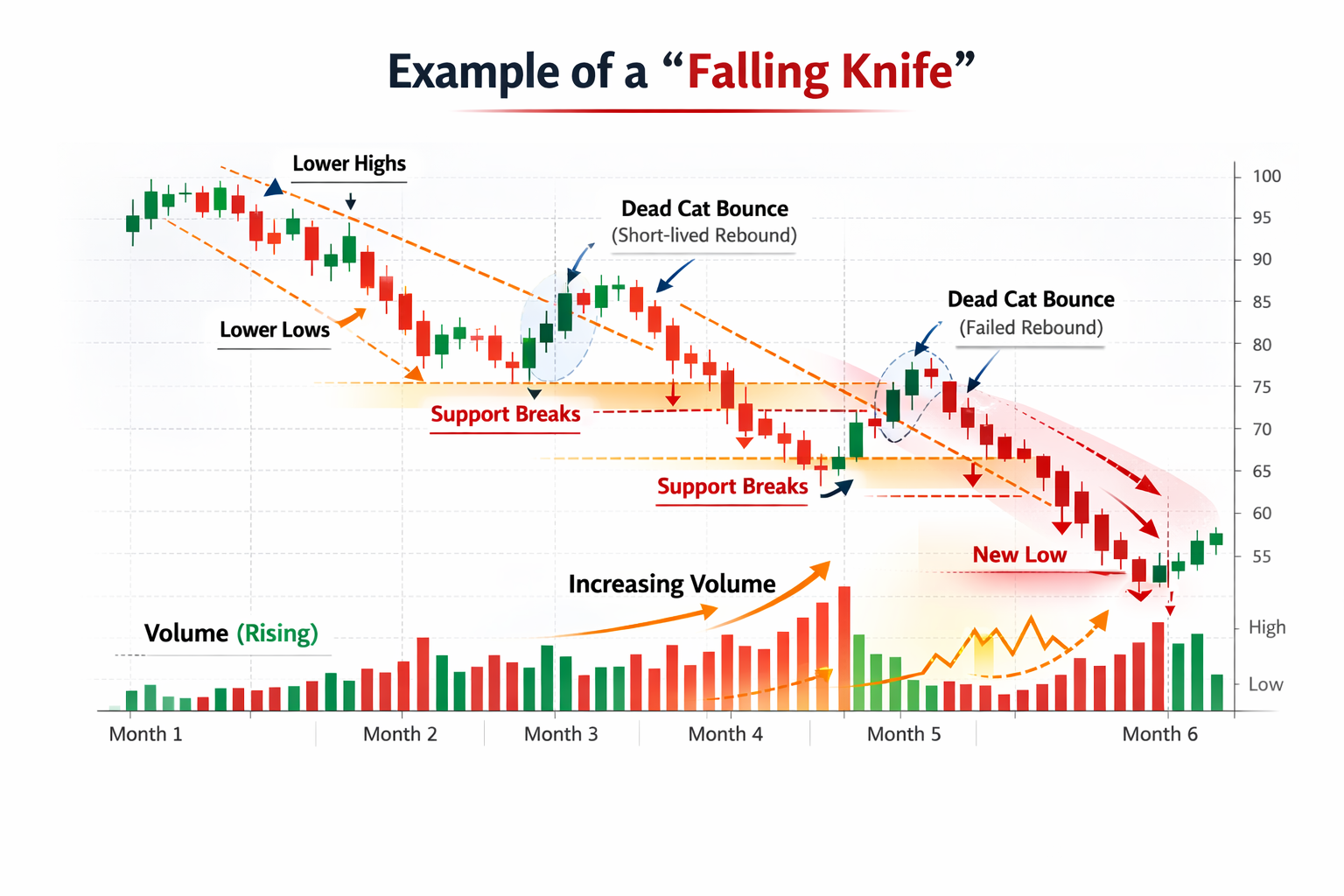
Falling knives often display distinct technical characteristics:
Consecutive lower lows and lower highs
Large bearish candles with wide ranges
Increasing volume during declines
Failed rebound attempts
Support levels are breaking repeatedly
Volatility is expanding rather than contracting
Short-lived rebounds, sometimes called “dead cat bounces,” frequently occur before the decline resumes.
These concepts are frequently confused but represent different market conditions.
| Feature | Buying the Dip | Catching a Falling Knife |
| Trend Structure | Uptrend remains intact | Downtrend accelerating |
| Support Levels | Holding or respected | Breaking repeatedly |
| Sentiment | Temporary fear | Loss of confidence |
| Risk Profile | Controlled pullback | Elevated and uncertain |
| Confirmation | Often visible | Typically absent |
Buying the dip occurs within a healthy uptrend. Catching a falling knife occurs during active breakdown conditions.
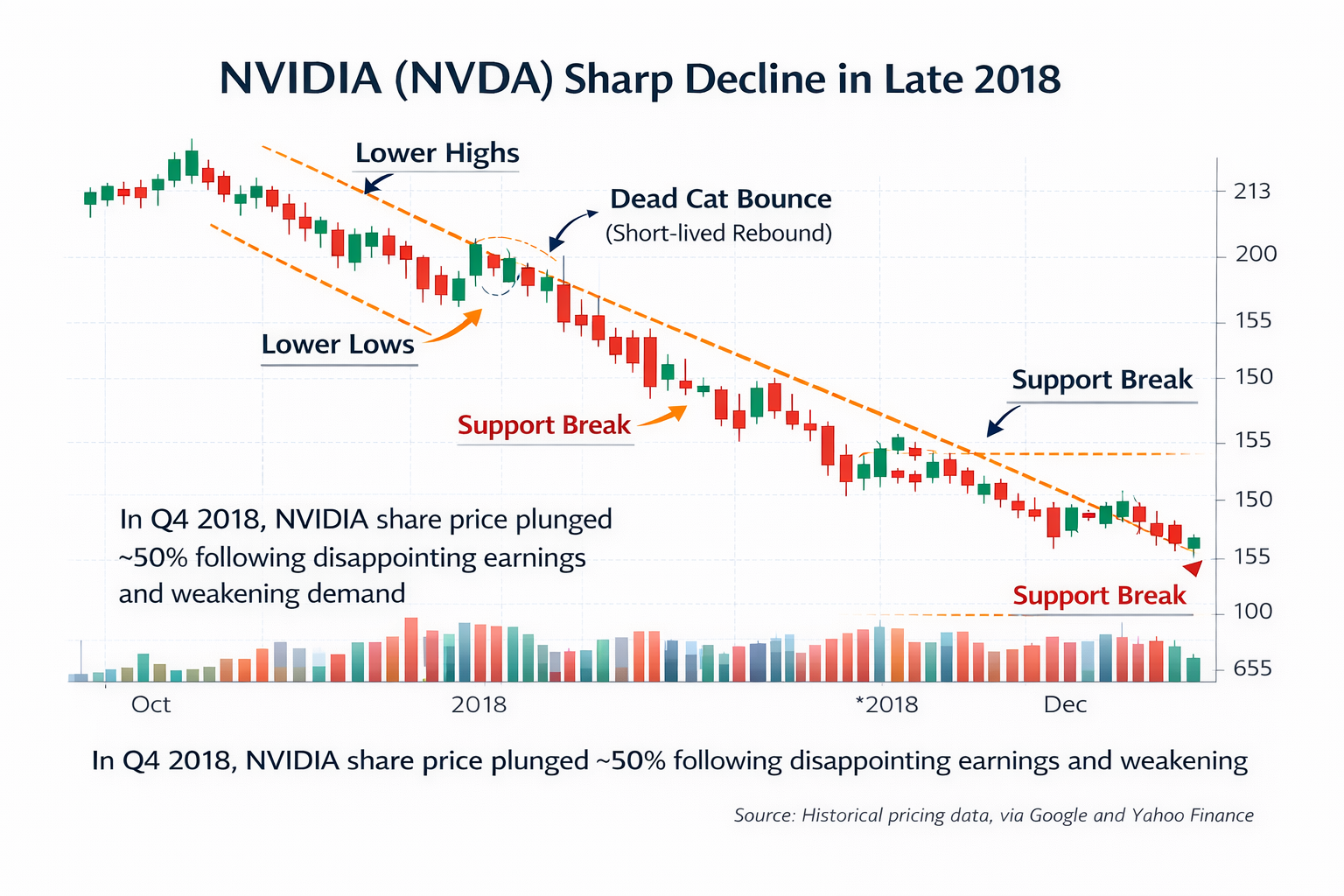
Sharp declines across market history demonstrate how dangerous premature bottom-calling can be.
Strong selling pressure, repeated support breaks, failed rebounds, and a sharp drop in investor. Each case illustrates that prices can fall substantially further even after appearing cheap relative to prior highs.
Rapid price collapses generally arise from a combination of structural and behavioural forces.
New negative developments can abruptly change expectations:
Earnings disappointments
Regulatory investigations
Funding stress or liquidity concerns
Sector-wide slowdown
Geopolitical escalation
When uncertainty increases, investors demand a higher risk premium, which lowers prices.
Once a downtrend begins:
Stop-loss orders trigger automatically
Institutional risk systems reduce exposure
Quantitative models follow trend signals
This creates a self-reinforcing cycle in which selling generates more selling.
During panic periods, buyers retreat. Bid depth thins, and even moderate sell orders move the price significantly. Liquidity often disappears precisely when it is needed most.
Market psychology plays a central role:
| Behavioural Bias | Market Consequence |
| Loss aversion | Rapid selling to avoid further pain |
| Anchoring | Investors assume prior highs will return |
| Fear contagion | Selling spreads across assets |
| Overconfidence | Traders attempt premature bottom calls |
A good trader focuses on structured decision-making rather than emotional reaction.
Instead of predicting the bottom, traders look for:
A break in the pattern of lower lows
Price consolidation over multiple sessions
Decreasing volatility during declines
Strong rebounds that hold gains
Stabilisation signals that selling pressure may be exhausting. Entering after confirmation may sacrifice some upside but significantly reduces downside risk.
Volatility expands uncertainty. Professionals adjust exposure accordingly. Practical approach:
Trade smaller than normal size
Limit total portfolio concentration
Avoid adding aggressively to losing positions
Smaller positions allow traders to survive unexpected extensions of the decline.
Disciplined traders establish exit criteria before entering the trade. This includes:
Predetermined stop-loss levels
Maximum percentage loss per position
Time-based exit if price fails to stabilise
Scenario planning for adverse gaps
Planning before entry prevents emotional decision-making under pressure.
Adding to losing positions during an active collapse can transform manageable losses into severe drawdowns. Averaging down without confirmation assumes the trader knows more than the market, which is rarely sustainable.
Confirmation-based entry includes:
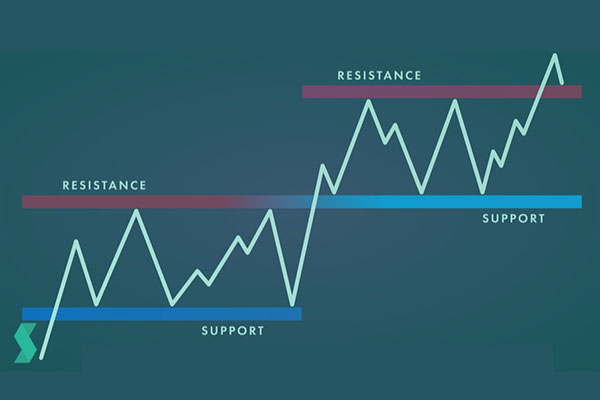
Break above the resistance
Positive divergence in momentum indicators
Institutional accumulation signals
Improvement in the fundamental narrative
| Question | Why it Matters |
| Has price stopped making new lows? | Indicates potential selling exhaustion |
| Is volume decreasing during selloffs? | Suggests panic may be fading |
| Has negative news stabilised? | Reduces uncertainty |
| Are broader markets supportive? | Improves probability of rebound |
| Is volatility contracting? | Signals market balance returning |
If most answers remain negative, patience is often the safer approach.
Although risky, certain environments improve the probability:
Forced liquidation events ending abruptly
Oversold panic conditions are reversing sharply
Strong companies facing temporary shocks
Macro risks were quickly resolved
The key differentiator is evidence, not optimism.
Attempting to call the exact bottom
Using oversized positions
Ignoring trend structure
Confusing valuation with timing
Adding repeatedly during active breakdowns
Most damage occurs not from a single trade but from repeated premature entries.
It is not always wrong, but it carries an elevated risk because price discovery remains incomplete. Without confirmation that selling has slowed, probability often favours continued volatility rather than immediate recovery.
Markets price forward expectations. If uncertainty remains unresolved, investors demand a higher risk premium, which can justify further declines regardless of historical valuation comparisons.
Professional traders typically wait for structural confirmation, reduce position size, and define risk parameters before entering. Their focus is on survival and consistency rather than perfect bottom timing.
Beginners often struggle with emotional control during rapid declines. Waiting for stabilisation and trading smaller sizes is generally more appropriate than attempting aggressive bottom calls.
Entering after confirmation of higher lows or trend reversal reduces downside exposure. While it may sacrifice some upside potential, it prioritises capital preservation.
Catching a falling knife remains one of the most important cautionary concepts in trading because it highlights the difference between apparent value and actual risk.
Rapid declines are often driven by momentum, psychology, and uncertainty rather than simple mispricing. While dramatic rebounds do occur, disciplined traders understand that preservation of capital matters more than predicting the precise turning point.
In markets, it is usually safer to let the knife land before picking it up.
Disclaimer: This material is for general information purposes only and is not intended as (and should not be considered to be) financial, investment or other advice on which reliance should be placed. No opinion given in the material constitutes a recommendation by EBC or the author that any particular investment, security, transaction or investment strategy is suitable for any specific person.