Published on: 2025-12-16
Updated on: 2025-12-16
IRBT stock reacted exactly as you would expect. As of today, IRBT trades around $1.18, down roughly 73% in just 24 hours, after hitting an intraday low near $0.65 and an intraday high close to $2.87. The 52-week range now spans roughly $0.65 to $13.06, and the stock has shed about 85% of its value in 2025.
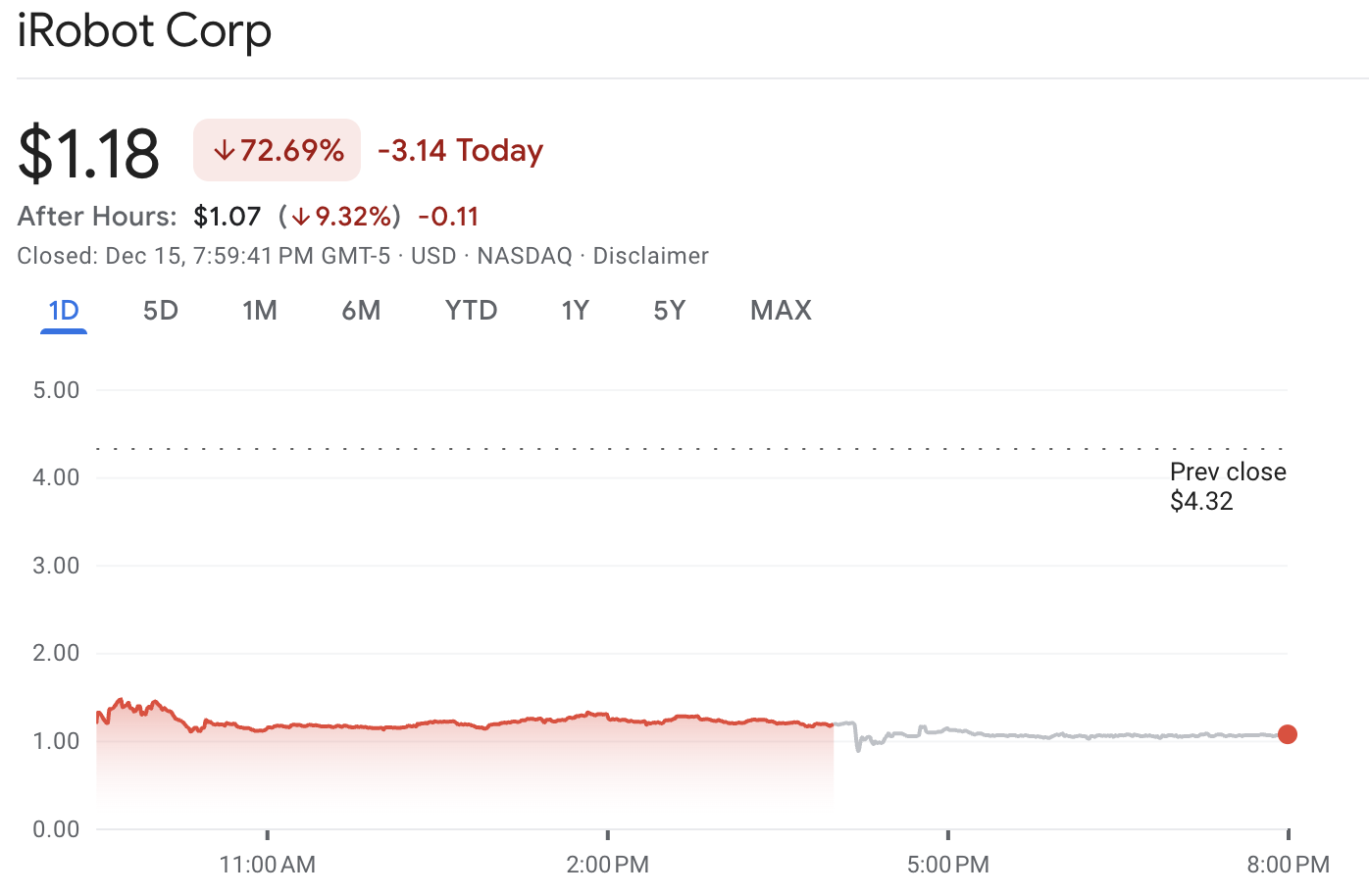
The key fact every trader and investor needs to understand is simple and harsh: "Under the proposed Chapter 11 plan, existing IRBT shareholders are expected to get nothing. The company openly says it expects all common shares to be cancelled with no recovery once the plan is approved."
So the real question is no longer "Is IRBT stock cheap?" but rather "Why is IRBT stock trading at all, and what happens between now and cancellation?"
On 14 December 2025, iRobot entered a Restructuring Support Agreement (RSA) with its secured lender and primary contract manufacturer, Shenzhen PICEA Robotics and Santrum Hong Kong. Under the deal, Picea will acquire 100% of iRobot's equity via a court-supervised Chapter 11 process in Delaware.
The key points from the company's own press release and subsequent coverage are:
iRobot has voluntarily filed for a pre-packaged Chapter 11 reorganisation in the District of Delaware.
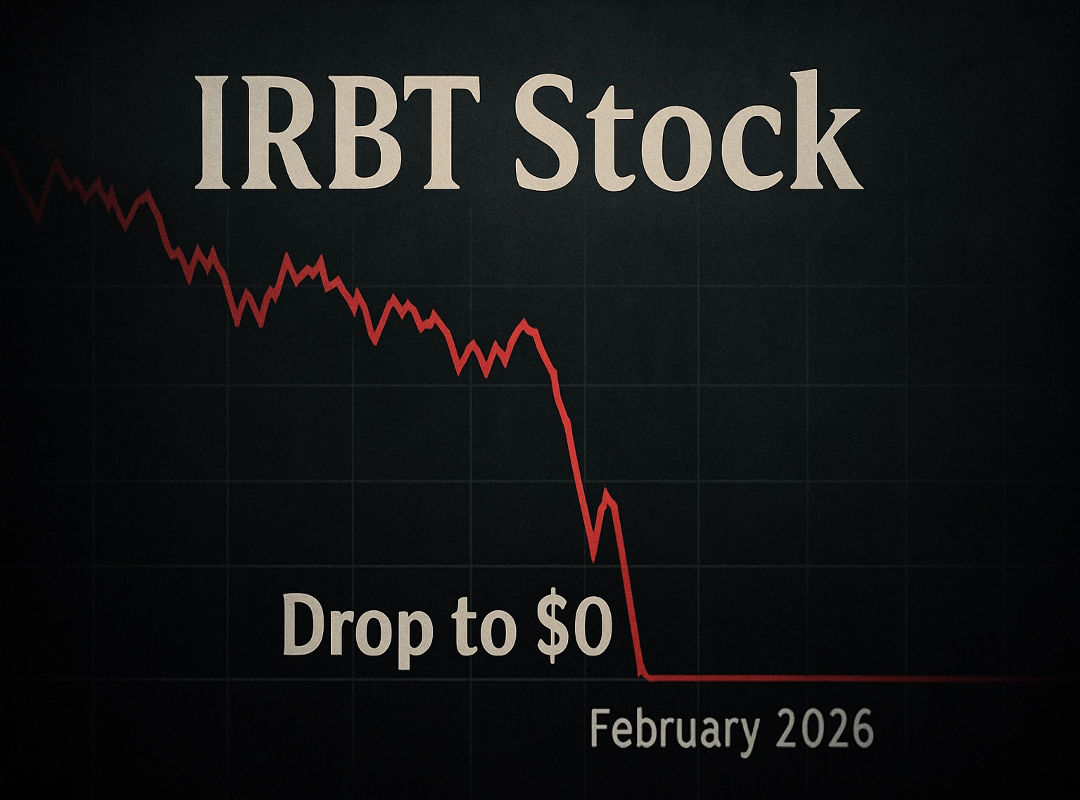
iRobot expects to exit Chapter 11 by February 2026.
Picea will receive 100% of the equity interests in the reorganised company, mainly by cancelling iRobot's secured debt and manufacturing payables.
iRobot says it will continue operating in the ordinary course, with no disruption to the app, device connectivity, warranties or customer support.
So this is not a liquidation story. The business survives as a private company, backed by its supplier. The damage is aimed squarely at existing equity.
In the same press release, iRobot is blunt about what the RSA means for common stock:
The company expects that holders of common stock will not receive any equity in the reorganised company.
It also states that all existing equity interests will be cancelled and common shareholders will "experience a total loss and not receive recovery" if the plan receives court approval.
Once the plan is approved and completed, IRBT will be taken private, and its shares will no longer be available on Nasdaq or any other exchange.
Thus, current IRBT shareholders are effectively wiped out under the proposed plan.
The market has already reacted as if the equity is terminal:
| Metric | IRBT Snapshot |
|---|---|
| Last close (pre-Chapter 11) | $4.32 |
| Post-news plunge | −70%+ (traded ~$0.75–$1.20 on day one) |
| Current price (Dec 16) | ~$1.18 |
| Daily change | ~−73% |
| YTD performance | ~−85% |
| Intraday range (post-news) | ~$0.65 – $2.87 |
| 52-week range | ~$0.65 – $13.06 |
| Avg. volume (3-month) | ~14.7M shares |
| Volume today | 100M+ shares |
| Market cap (≈31.8M shares) | ~$38M |
In simple terms, IRBT has gone from a multi-billion-dollar growth name to a micro-cap bankruptcy stub almost overnight.
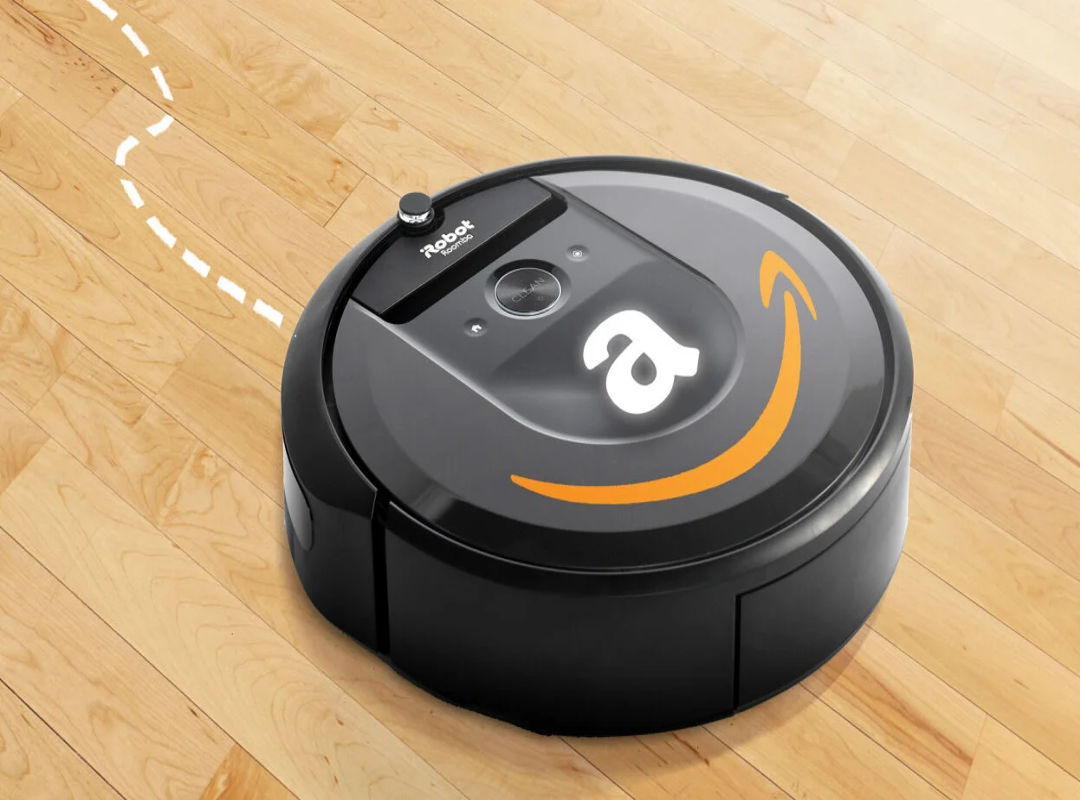
The turning point was the collapse of Amazon's $1.7 billion takeover. Regulators in Europe pushed back, and the parties walked away in January 2024. Amazon paid a $94 million breakup fee, but that was not enough to fix the balance sheet.
After the deal died, iRobot:
Replaced its long-time founder CEO and brought in Gary Cohen.
Announced layoffs of around 31% of its workforce.
Took on more debt, including a $190 million loan in 2023, which later ended up in Picea's hands.
Amazon's exit did not just remove a buyer; it left iRobot as a small company carrying big-company debt in an increasingly crowded market.
At the same time, iRobot was squeezed from both sides:
Cheaper rivals from China, such as Ecovacs and other low-cost brands, undercut prices and took share in key markets.
New U.S. tariffs on vacuums made in Vietnam hit hard. A 46% tariff rate on relevant imports added about $23 million in extra costs in 2025 alone.
Revenue in 2024 totalled approximately $682 million, yet the company continued to be unprofitable while experiencing persistent cash burn. In Q3 2025, revenues declined to $145.8 million, a nearly 25% drop from the prior year, with net losses widening further.
By March 2025, iRobot expressed "significant uncertainty" regarding its ability to continue operations without fresh funding or a strategic agreement, as its stock had already fallen below $5 following those revelations.
As the business weakened, Picea Robotics did more than build the products; it also purchased the company's debt, becoming its secured lender and primary manufacturing partner. By late 2025, iRobot owed Picea around $352 million, including $91 million that was already overdue.
Against that backdrop, the pre-packaged deal makes sense from a creditor's point of view:
Picea cancels the loan and other manufacturing claims.
Picea receives 100% of the new equity.
Other creditors and suppliers are expected to be paid in full.
Common shareholders are wiped out.
In short, it's the classic capital structure waterfall: when value falls short of secured debt and senior claims, equity, at the bottom, gets nothing.
For IRBT holders or traders, three key points stand out.
In plain language, the company tells you what it thinks will happen:
All existing equity interests are expected to be cancelled.
Current shareholders are expected to experience a total loss and "not receive recovery" if the court approves the Chapter 11 plan.
The plan still needs formal court approval, so there is a small amount of legal process risk. But the stated intent is clear.
Until the plan becomes effective:
IRBT stock may likely continue trading on Nasdaq or OTC for a period.
Prices remain extremely volatile, driven by traders, shorts, and algorithms reacting to headlines.
Essentially, the anticipated value of current shares approaches zero if the scheme unfolds as described.
This is why you sometimes see sharp intraday spikes even in bankrupt names. The moves are driven by trading flows, short covering, and speculation, not by improving long-term value for common shareholders.
If the court confirms the plan and the process finishes as the company expects:
iRobot will become a private company owned by Picea.
IRBT will be delisted and will no longer appear on your trading platform as a regular stock.
Any remaining public shareholders at that point would be left with cancelled shares and no compensation.
Yes. iRobot's own restructuring agreement says all existing equity interests will be cancelled and that common shareholders are expected to "experience a total loss" if the plan is approved. That means the base case is zero recovery for IRBT stock once the Chapter 11 process completes.
The company expects to finish the pre-packaged Chapter 11 and the Picea takeover by February 2026. Trading might shift temporarily to over-the-counter markets before shares are cancelled, but public equity will ultimately disappear.
A pre-pack allows iRobot to maintain operation as a going concern, pay suppliers and employees, and protect the brand while reshaping the balance sheet.
Based on current filings and coverage, that does not appear likely.
In conclusion, iRobot's Chapter 11 is a textbook example of how a once-admired consumer brand can survive while its stock does not. The Roomba franchise will likely endure under Picea's ownership, with the app, devices, and support continuing largely unchanged.
What disappears is the public equity layer, which is being wiped out to make room for new ownership and a reset balance sheet.
For IRBT, the technicals now tell the same story as the legal documents. The chart has broken, the price has collapsed into the low single digits, and the company is openly guiding investors to expect a total loss at the end of the court process.
Disclaimer: This material is for general information purposes only and is not intended as (and should not be considered to be) financial, investment or other advice on which reliance should be placed. No opinion given in the material constitutes a recommendation by EBC or the author that any particular investment, security, transaction or investment strategy is suitable for any specific person.