Published on: 2026-04-24
Updated on: 2026-04-24
Oklo is worth about $11.4 billion, despite having no operating reactor, no commercial power revenue, and no earnings. That paradox sits at the center of the nuclear stock boom: investors are no longer valuing some nuclear names on what they produce today, but on the electricity they might supply years from now.
The driver is power scarcity. AI data centers need electricity that runs continuously, and today’s grid was not built for that level of demand. Nuclear power offers firm, low-carbon supply, which explains why uranium miners, SMR developers, fuel-service companies, and nuclear utilities are all being pulled into the same market story.
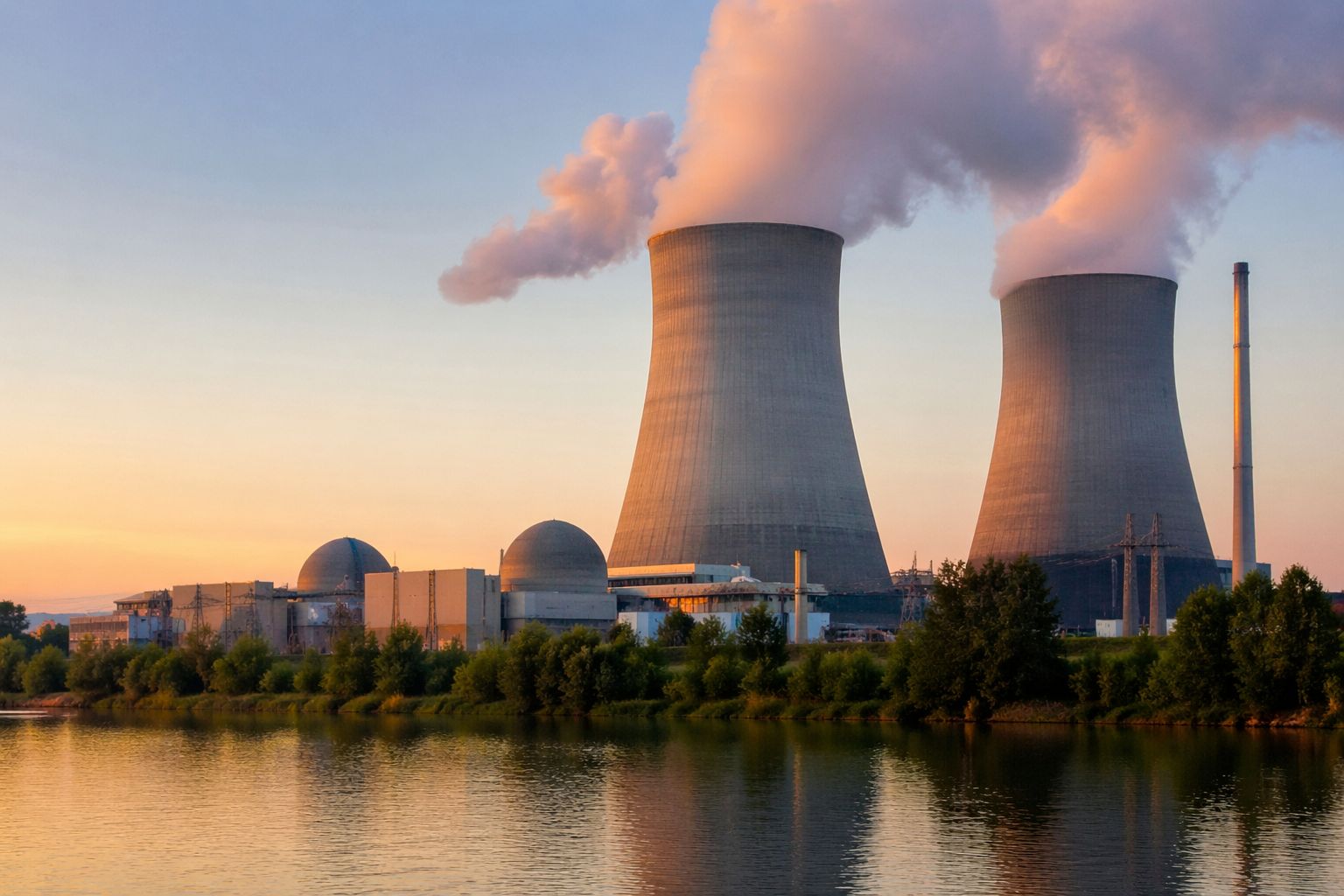
But they are not the same trade. Uranium prices fuel the front end of the cycle, utilities monetize electricity today, fuel-service companies support the infrastructure, and SMR developers sell the promise of future reactors. The opportunity is real, but the valuation test is simple: the further a nuclear stock sits from current cash flow, the more proof investors should demand.
The nuclear stock boom is being driven by AI power demand, uranium scarcity, and energy-security policy.
Uranium miners can benefit early because utilities secure fuel before new reactors are built.
SMR stocks such as Oklo and NuScale trade on future deployment probability, not current earnings.
Nuclear utilities such as Constellation can monetize power scarcity immediately through electricity sales and long-term contracts.
Fuel and services companies offer steadier exposure through government, defense, and infrastructure demand.
The highest valuation risk sits where cash flow is furthest away.
A nuclear plant needs uranium. That uranium must be mined, converted, enriched, fabricated, regulated, transported, and loaded. The reactor must then be licensed, built, maintained, and connected to the grid. Finally, the electricity must be sold into power markets or through long-term contracts.
Each stage creates a different type of investment.
| Segment | Market Value Context | Valuation Driver | Proof Investors Need |
|---|---|---|---|
| Nuclear utilities | Constellation above $90B | Power contracts and cash flow | Signed long-term PPAs at premium pricing |
| Uranium miners | Cameco as a major fuel supplier | Uranium contracting and supply discipline | Higher realized contract prices |
| SMR developers | Oklo around $11.5B; NuScale around $4.4B | Future reactor deployment | Licensing progress, named customers, first power |
| Fuel and services | BWX above $20B | Strategic nuclear infrastructure | Backlog growth, contract renewal, margin durability |
Uranium, SMRs, fuel services, and utilities are not random subthemes. They are different points in the same system, with different clocks attached.
Uranium is the earliest part of the nuclear trade because fuel security comes before power generation.
Cameco does not need every new SMR project to succeed tomorrow. It needs utilities to worry about future fuel availability. That concern is already visible. In 2025, utilities placed about 116 million pounds of uranium under long-term contracts, while long-term uranium prices strengthened through the year and reached a 14-year high in December.
That is why uranium stocks can move before new reactors are approved. The market prices the fuel cycle first.
The risk is that uranium remains a commodity. Spot prices can spike, sentiment can overshoot, and miner valuations can correct when the market shifts from scarcity to supply response. Cameco’s long-term contracting posture gives it more stability than a pure spot-price trade, but it does not remove commodity risk.
Oklo and NuScale are not valued mainly on what they produce today. They are valued on what investors believe they may produce years from now. Their share prices represent a probability-weighted bet on regulatory approval, fuel access, customer adoption, financing, construction, and commercial operation.
That is why Oklo has become the symbol of the boom. Its Nvidia and Los Alamos partnership gives the company an AI-linked credibility boost, while its advanced reactor story places it near the center of the energy-security narrative. The Department of Energy’s approval of the safety design for Oklo’s Aurora reactor also gives investors a tangible milestone to price.
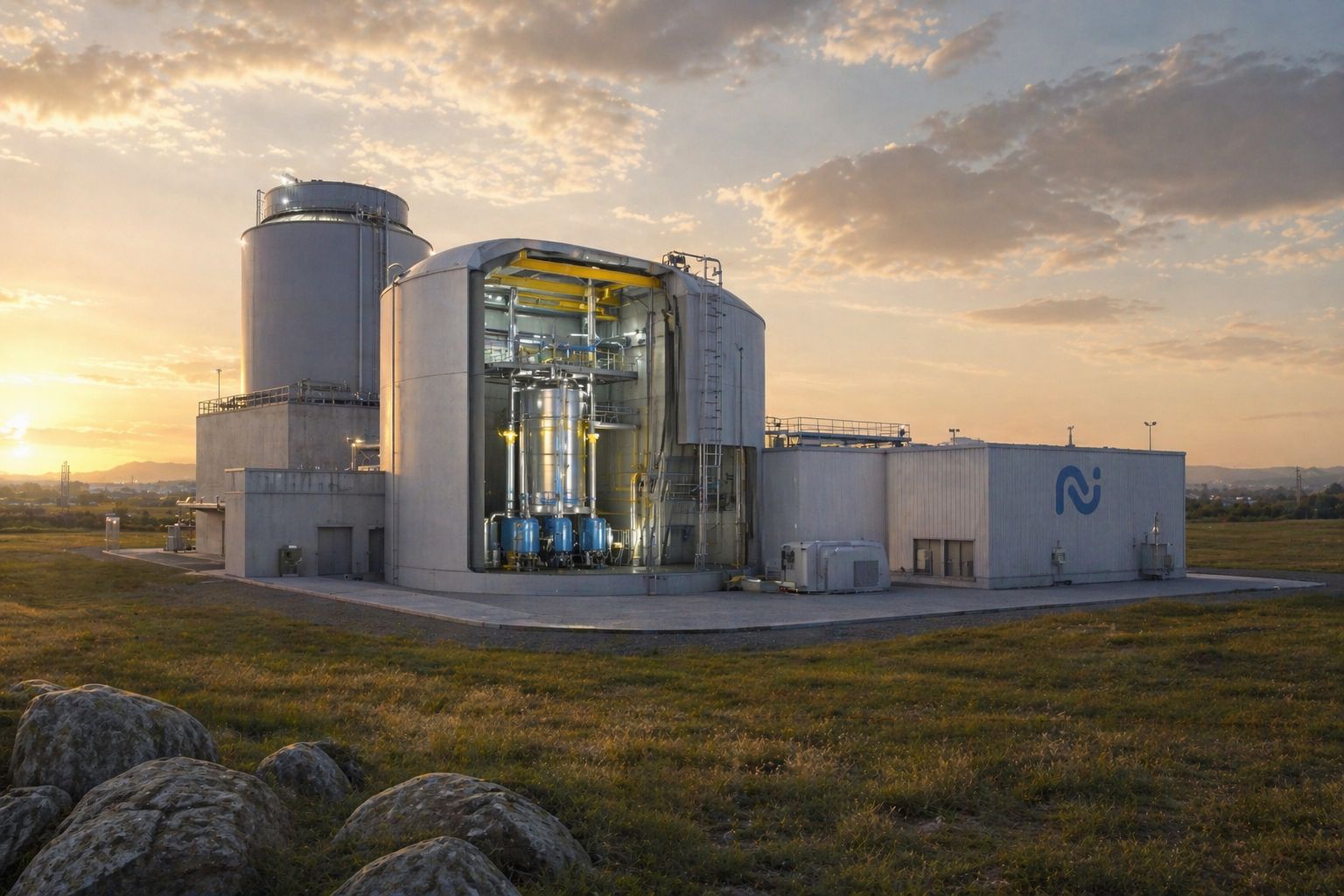
But this is still a valuation built on future execution. A licensing delay, financing gap, or customer hesitation can push expected cash flow further out. When a stock is priced on revenue that may arrive years later, time becomes the main risk.
NuScale’s lower valuation shows the market is not blindly buying every SMR name. Investors are sorting between narrative strength, project economics, partner credibility, and balance-sheet runway. The technology matters, but the stock often moves on confidence.
Fuel processors, component suppliers, and nuclear service providers are less dramatic than SMRs, but often more durable.
BWX Technologies sits in this layer. It supplies nuclear components, naval reactor systems, and government-linked infrastructure. These businesses benefit from nuclear activity without depending on one unproven commercial reactor model.
The correlation is simple: more nuclear investment means more demand for specialized components, engineering, maintenance, safety systems, and fuel-cycle expertise.
This part of the market rarely delivers the explosive upside of early-stage developers. Its appeal is different. Revenue is often tied to government demand, defense programs, and long-term infrastructure needs. That makes fuel and services a steadier expression of the nuclear theme.
Constellation Energy owns operating power assets. It does not need investors to imagine a future reactor fleet. It already sells electricity into a market where AI data centers are increasing demand for reliable supply. Its nuclear and clean-power portfolio is increasingly viewed as part of the AI infrastructure backbone.
The investment chain is direct:
AI demand increases electricity consumption.
Tighter power supply supports electricity prices.
Long-term power purchase agreements improve earnings visibility.
Stronger earnings visibility supports valuation premiums.
That is why Constellation deserves a different valuation lens from Oklo. One is monetizing scarcity now. The other is promising to monetize it later.
The risk is also different. For Constellation, the issue is not whether the technology works. It is whether power prices remain firm, regulators tolerate higher clean-power premiums, and long-term contracts protect margins.
| Segment | Market Position | What Investors Are Paying For | Main Risk |
|---|---|---|---|
| Utilities | Cash-flow asset | Existing power scarcity | Regulation, power prices |
| Uranium | Fuel-cycle asset | Future fuel demand | Commodity reversal |
| Fuel/services | Infrastructure asset | Strategic nuclear demand | Contract delays |
| SMRs | Long-duration asset | Future reactor deployment | Timing, dilution, licensing |
A high valuation on Constellation means investors are paying for scarce operating assets. A high valuation on Cameco means investors are paying for uranium scarcity. A premium on BWX reflects government-backed nuclear infrastructure. A premium on Oklo reflects future commercial success that still needs proof.
The same nuclear boom can lift all four. It cannot justify all four with the same argument.
A stock priced on 2035 cash flow can decline even if that cash flow eventually arrives, simply because it arrives later than expected. Delays in permitting, financing, fuel supply, or construction reduce present value. Higher interest rates make the problem sharper because distant cash flows are worth less when discount rates rise.
That is why SMR stocks carry the most valuation sensitivity. Their upside is large because the addressable market is large. Their risk is large because the revenue is distant.
The further a nuclear stock sits from current cash flow, the more proof investors should demand before paying a premium.
Uranium is the fuel used in nuclear reactors. If utilities expect more nuclear power demand, they may secure long-term uranium supply earlier. That can lift uranium miners before new reactors are actually built.
SMR stocks depend on future deployment, while nuclear utilities already generate electricity and revenue. SMR valuations are more sensitive to licensing delays, financing conditions, customer commitments, and construction timelines.
AI is a major catalyst because data centers require constant electricity. Nuclear power offers reliable baseload supply, making it attractive as grid constraints and electricity demand intensify.
The boom becomes vulnerable if share prices keep rising without matching progress in uranium contracts, utility PPAs, SMR licensing, customer agreements, or fuel-service backlogs.
The nuclear stock boom is not a single story. It is a value-chain repricing.
Uranium stocks price fuel scarcity. Fuel and services companies price infrastructure demand. Utilities price immediate electricity scarcity. SMR developers price the possibility of a new reactor generation.
That distinction matters because each layer reacts to different evidence. Cameco needs contracting discipline. BWX needs backlog growth. Constellation needs durable power premiums. Oklo and NuScale need licensing progress, named customers, and a credible path to first power.
The strongest nuclear stocks will not be the ones with the brightest story. They will be the ones that convert power scarcity into contracts, revenue, and cash flow. The nuclear boom can keep glowing. But from here, investors should pay less for the word “nuclear” and more for proof.