Published on: 2026-04-10
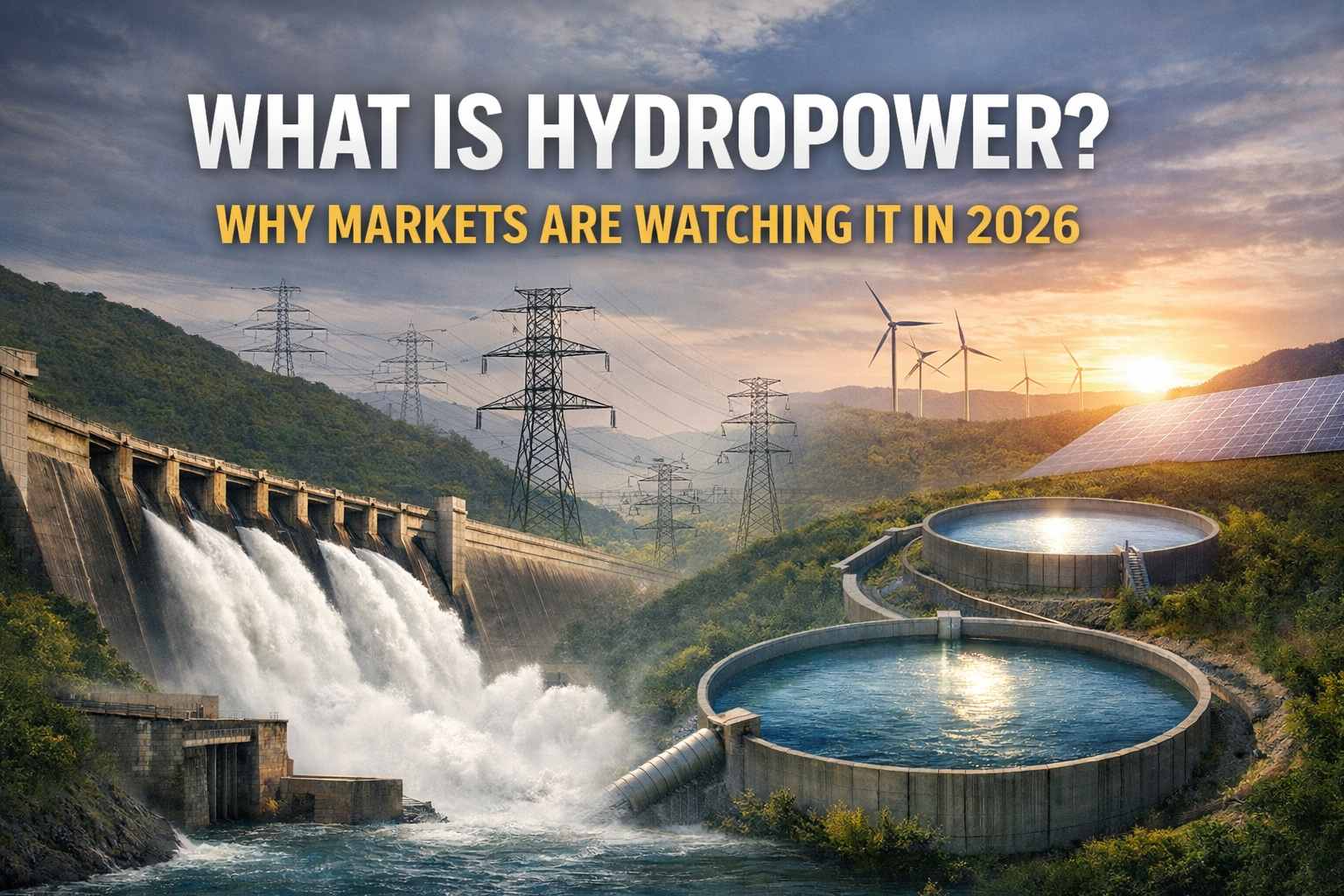
In 2026, hydropower is no longer just a classroom topic. It is also a market topic, as rising U.S. electricity demand pushes the grid to place greater value on flexible, dispatchable, and dependable supply.
EIA expects U.S. electricity demand to reach 4,108 BkWh in 2026, while hydropower generation is forecast to rise to 260 BkWh. At the same time, EIA and Berkeley Lab also point to data centers as a major source of demand growth, especially in regions such as ERCOT and PJM.
Hydropower is electricity generated from moving water. In most systems, water flows through a dam or diversion structure, passes through turbines, and spins a generator that produces electricity.
It is one of the oldest renewable energy sources, but in 2026, it is being reassessed through a more modern lens: grid reliability.
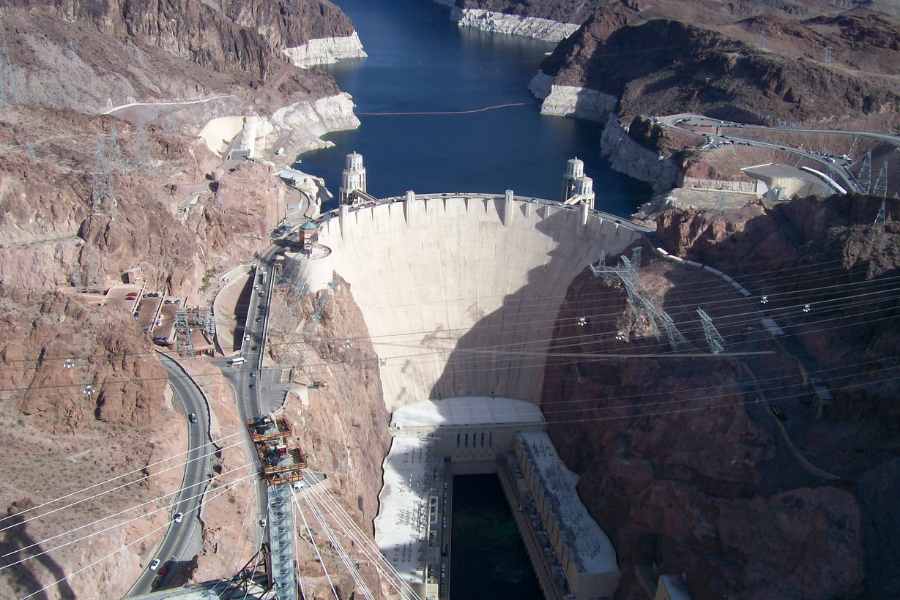
There are three main forms of hydropower:
Impoundment hydropower, which uses reservoirs behind dams
Diversion or run-of-river hydropower, which channels flowing water through turbines
Pumped storage hydropower, which stores energy by moving water between two reservoirs at different elevations
That third category is why markets are paying closer attention. Pumped storage does not just generate electricity. It stores energy and releases it when the grid needs it most, which makes it more strategic than a standard renewable asset.
For years, U.S. electricity demand was relatively flat. That has changed. EIA now expects power demand to keep growing through 2026 and 2027, and it says regions managed by ERCOT and PJM are likely to see the fastest data-center-driven demand growth.
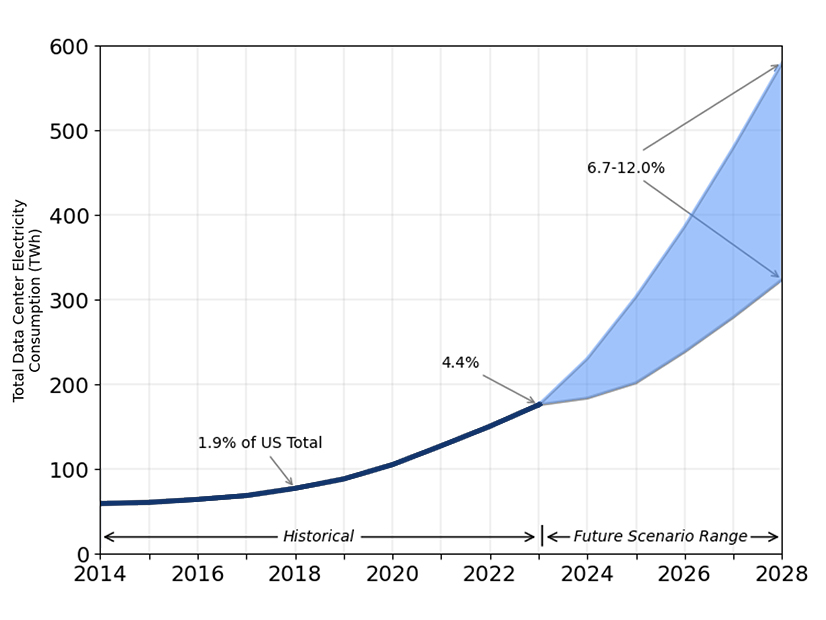
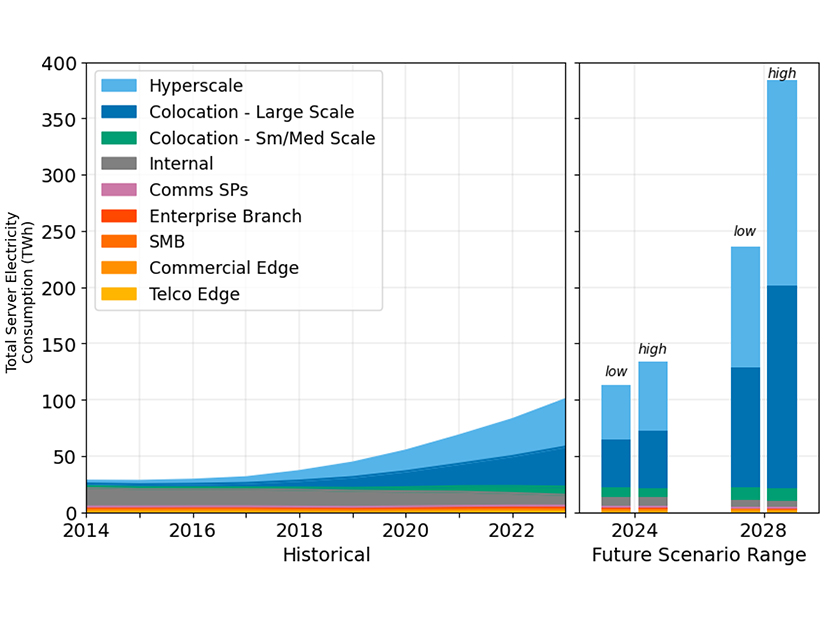
Berkeley Lab’s latest data-center study helps explain why. It estimates U.S. data-center electricity use rose to 176 TWh in 2023 and could reach 325 TWh to 580 TWh by 2028. That is a large increase in a short period, and it raises the market value of technologies that can support the grid when demand spikes.
Hydropower stands out for three reasons:
It can ramp quickly, making it useful during peak demand periods.
Pumped storage can shift power across time, using electricity when supply is abundant and generating when demand is higher.
The 2026 water outlook is better than feared, which supports a rebound in hydro generation this year.
This is why hydropower is back in the market conversation. The grid is rewarding flexibility and reliability, not just raw capacity additions.
DOE’s 2023 hydropower market report also states that the U.S. hydropower fleet includes 2,252 plants with a total generating capacity of 80.92 GW. That is a large installed base, even before accounting for modernization and retrofit opportunities.
| Metric | Latest official signal | Why it matters |
|---|---|---|
| U.S. electricity demand in 2026 | 4,108 BkWh | Higher demand raises the value of flexible power |
| U.S. hydropower generation in 2026 | 260 BkWh | Hydro output is expected to recover this year |
| Hydro share of U.S. utility-scale electricity in 2024 | 5.86% | Hydro remains system-relevant |
| Hydro share of U.S. utility-scale renewable generation in 2024 | 27% | Hydro is still a major renewable pillar |
| U.S. pumped-storage fleet | 43 plants, about 22 GW, about 550 GWh | Storage is central to hydro’s market case |
| Proposed new pumped-storage capacity | 60,000+ MW | The development pipeline is substantial |
Another important detail is where future growth may come from. DOE says 95% of the proposed new hydropower capacity comes from retrofitting non-powered dams, pointing to a more practical development path than building large new projects from scratch.
Conventional hydropower explains how water generates electricity. Pumped storage explains why capital markets and policy desks are paying attention now. It works by pumping water uphill when electricity is cheap or abundant, then releasing that water through turbines when demand and prices are higher.
That matters because solar and wind do not always produce when demand is strongest.
Pumped storage helps bridge that gap. It remains the most established long-duration storage technology on the grid and still dominates U.S. utility-scale storage by energy capacity.
A March 2026 NHA report sharpened the market case further. It says more than 60,000 MW of proposed new pumped storage capacity is already in development, with 80 projects in the FERC licensing pipeline and 85% of them located in the West, where power demand from data centers is growing quickly.
Hydropower’s opportunity is not only about new projects. It is also about improving an aging fleet. The IEA says the average hydropower plant in North America is now nearly 50 years old, which makes refurbishment and modernization a serious infrastructure theme.
That modernization case is attractive for three reasons:
Existing assets already have grid connections and operating history
Retrofits can add flexibility and extend asset life
Upgrades are often less contentious than entirely new dam projects
Still, the sector has clear limits. EIA notes that dams and reservoirs can affect fish migration, water temperature, river flow, and surrounding ecosystems. Hydropower output also depends on water conditions, which means drought and hydrology remain real operating risks.
That balance is why hydropower matters in 2026. It is not a perfect solution, but it is one of the few mature technologies that can generate power, support reliability, and store energy at scale.
Hydropower uses moving water to spin turbines and generate electricity. It is a renewable power source and one of the oldest forms of large-scale electricity generation.
Yes. Hydropower depends on the natural water cycle, which continuously replenishes the resource, although output still varies with rainfall, snowpack, and reservoir conditions.
Pumped storage is a form of hydroelectric energy storage that moves water between two reservoirs at different elevations. It stores electricity when supply is abundant and generates it later when demand is higher.
Because U.S. electricity demand is rising, data-center load is growing, and the market is placing more value on reliable generation and long-duration storage.
The main risks are water availability and environmental constraints. Drought, weak runoff, and reservoir conditions can limit output, while dams can affect ecosystems and permitting.
Hydropower is not a new technology, but the market backdrop in 2026 is new enough to matter. U.S. power demand is rising, data centers are intensifying the load outlook, and grid operators need more flexible supply and storage than they did a decade ago.
That is why hydropower, especially pumped storage hydropower, has returned to the forefront. It offers dispatchable power, proven storage, and a large installed base that can still be upgraded.
For markets, that makes hydropower less of a legacy story and more of a strategic infrastructure story again.
Disclaimer: This material is for general information purposes only and is not intended as (and should not be considered to be) financial, investment or other advice on which reliance should be placed. No opinion given in the material constitutes a recommendation by EBC or the author that any particular investment, security, transaction or investment strategy is suitable for any specific person.
U.S. Department of Energy, How Pumped Storage Hydropower Works.
U.S. Department of Energy, U.S. Hydropower Market Report 2023 Edition.
Lawrence Berkeley National Laboratory, 2024 United States Data Center Energy Usage Report.
National Hydropower Association, Winning the AI Race: Tapping into Pumped Storage Hydropower.