Published on: 2026-04-03
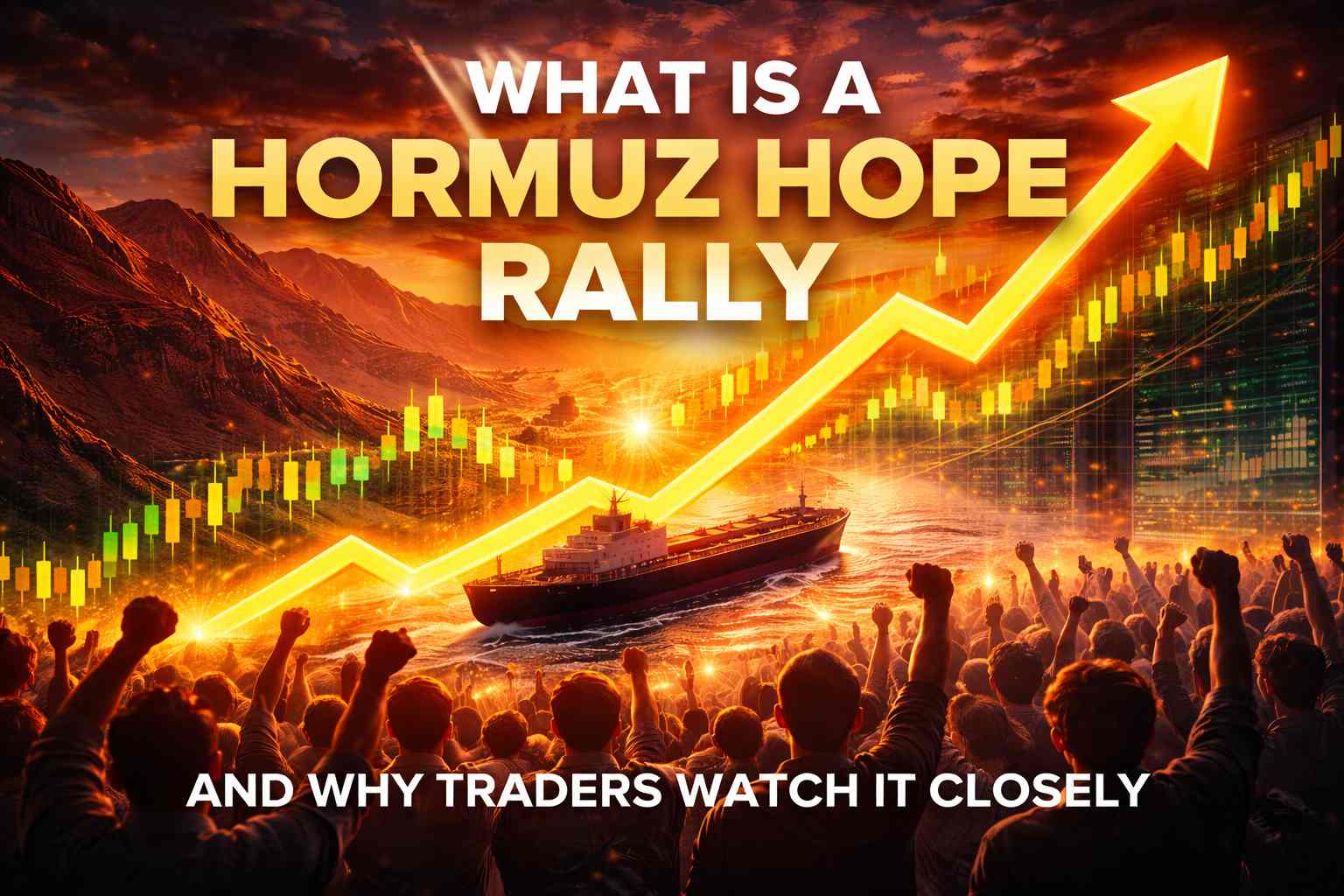
A Hormuz Hope rally is a market rebound that occurs when traders anticipate a de-escalation of conflict in the Strait of Hormuz and expect energy flows to normalise before significant economic damage.

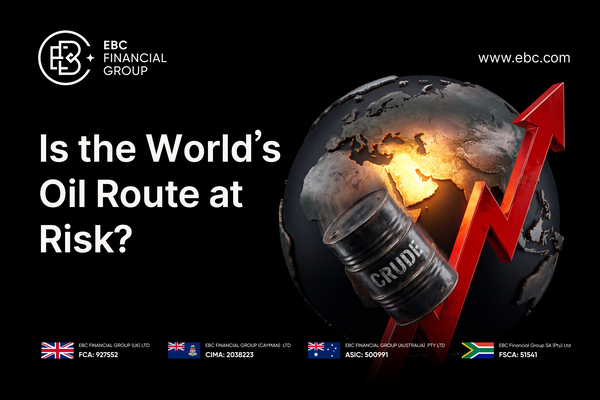
This phenomenon is significant because the Strait of Hormuz is a critical global energy chokepoint. In the first half of 2025, it transported approximately 20.9 million barrels per day, representing about 20% of global petroleum liquids consumption.
Consequently, even a partial disruption can rapidly affect oil prices, inflation, and equity valuations.
A Hormuz Hope rally constitutes a relief rally associated with a specific macroeconomic risk.
Rather than a broad shift toward bullish sentiment, traders are adjusting their expectations regarding the potential reopening of a major energy chokepoint, the possibility of declining oil prices, and the likelihood of avoiding the most severe inflation scenarios.
The term is valuable because it describes a market movement driven primarily by a reduction in perceived tail risk rather than by improving fundamentals. Essentially, the market rallies as the likelihood of a disaster scenario diminishes.
Markets care about Hormuz because it is one of the world’s most important energy chokepoints. The route handles not only crude and refined products but also a large share of seaborne energy, which has few easy alternatives if transit is disrupted.
This dynamic establishes a rapid transmission mechanism. If traders anticipate the reopening of the passage or a de-escalation of conflict, oil prices may decline swiftly, inflation expectations may moderate, and rate-sensitive assets may recover.
While this sequence is partly inferred, it aligns with observed market behavior during the late-March rebound.
A clear example occurred on March 31, 2026, when equity markets experienced one of their strongest sessions in months.
This rally followed increased optimism that the Iran conflict might de-escalate and that the Strait of Hormuz could reopen, leading to a moderation in oil prices from previous highs.
The rally was both broad and substantial. On that day, the Dow increased by 1,125 points, the S&P 500 advanced by 2.9%, the Nasdaq rose by 3.8%, and the Russell 2000 gained 3.4%. These movements exemplify the sharp relief rally characterized by the term 'Hormuz Hope rally.'
A Hormuz Hope rally is influenced not only by news headlines but also by market positioning.
When traders are significantly hedged against higher oil prices, weaker economic growth, and persistent inflation, even a modest indication of de-escalation can prompt rapid equity purchases, particularly in cyclical sectors and previously underperforming growth stocks.
This conclusion is inferred from the magnitude of the recent rebound and the rapid decline in oil-related market concerns.
As a result, these market movements may initially appear disproportionately strong. The market response reflects not only improved news but also the unwinding of positions established in anticipation of a prolonged shock.
The inherent risk lies in the nature of a hope rally, which is driven by expectations rather than confirmed developments. If geopolitical instability persists or energy prices rise again, the rally can reverse rapidly, as the underlying macroeconomic risk remains unresolved.
This reversal occurred promptly in early April. Following a two-day rebound, renewed conflict rhetoric and the lack of a clear resolution for reopening the strait drove oil prices above $111, ending the brief period of optimism and demonstrating that hope alone does not constitute a sustainable catalyst.
A Hormuz Hope rally should be interpreted as an indicator of increased risk appetite rather than evidence that the underlying macroeconomic issue has been resolved.
A genuine rally is typically accompanied by lower oil prices, broader market participation, improved credit conditions, and stronger performance from cyclical or small-cap stocks.
If the rally is fragile, these confirming signals tend to dissipate first. This analytical framework is inferred from observed price action during late March and early April.
This distinction underscores the educational value of the term. It enables traders to differentiate between a relief rally and a genuine trend reversal. The former is driven by reduced risk perceptions, while the latter requires broader confirmation through price action, market participation, and sustained momentum.
| Asset or sector | Typical reaction when Hormuz fears ease |
|---|---|
| Crude oil | Falls or stabilizes |
| Broad equities | Rebound as macro fear eases |
| Small caps | Often outperform on improved risk appetite |
| Airlines and transports | Benefit from lower fuel-pressure fears |
| Bond yields | Can ease if inflation concerns cool |
| Safe havens | Often lose momentum |
The following table summarizes the typical market patterns observed during the late-March relief rally and the subsequent early-April reversal.
Not exactly. A Hormuz Hope rally represents a specific form of relief rally, directly associated with expectations of de-escalation around the Strait of Hormuz and the related energy shock.
Lower perceived disruption risk can reduce oil prices, alleviate inflation concerns, and enhance sentiment toward risk assets.
Small-cap stocks, cyclical sectors, airlines, transportation companies, and other fuel- or rate-sensitive groups typically respond first. This observation is based on recent market behavior.
A Hormuz Hope rally can persist if reduced energy-related stress is subsequently confirmed by improvements in earnings, market breadth, and macroeconomic data. Otherwise, the rally may dissipate rapidly.
A resurgence in oil prices, intensified conflict rhetoric, or indications that the Strait of Hormuz will remain disrupted longer than anticipated can undermine the rally.pected.
A Hormuz Hope rally is a targeted market response to the perception that a critical global energy chokepoint may become less hazardous, thereby reducing oil and inflation concerns before they inflict further economic harm.
That is why the term matters. It teaches traders that some of the strongest rallies are built on changing probabilities, not improving fundamentals, and that the difference between a sharp rebound and a lasting turn often comes down to whether hope becomes confirmation.
Disclaimer: This material is for general information purposes only and is not intended as financial, investment, or other advice on which reliance should be placed. No opinion given in the material constitutes a recommendation by EBC or the author that any particular investment, security, transaction, or investment strategy is suitable for any specific person.