Published on: 2026-03-23
Updated on: 2026-03-23
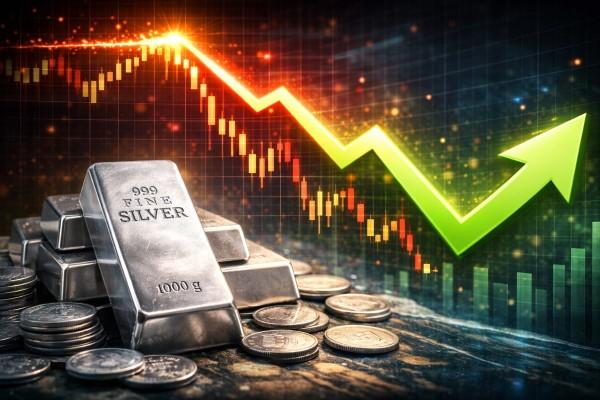
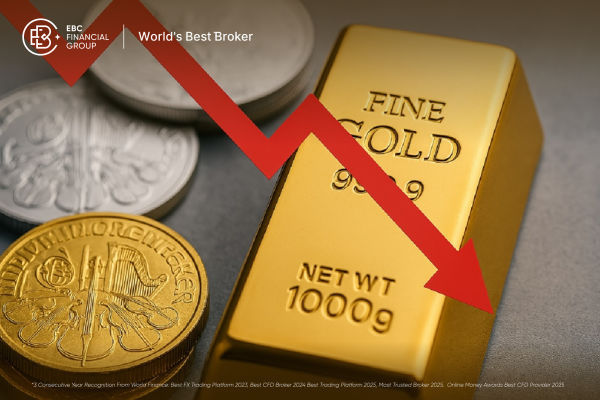
It's been a brutal week for anyone holding bullion. If you've been watching the tickers lately, you've seen the kind of red numbers that make even seasoned traders double-check their screens. After a record-breaking run that saw precious metals hitting levels we haven't seen in years, the floor finally gave way. Gold and silver prices didn't just dip—they fell off a cliff, leaving the market wondering if the "safe haven" trade is officially broken for 2026.
As of this morning, spot gold has been struggling to find its footing around $4.408 per ounce. It's a sharp wake-up call after the metal flirted with $5.500 just a couple of months ago. Silver is in even worse shape, currently hovering at $66.71. To put that in perspective, we were talking about a "silver moonshot" to $120 back in January. Now, those gains have evaporated, replaced by a wave of liquidation that has spared almost no one.
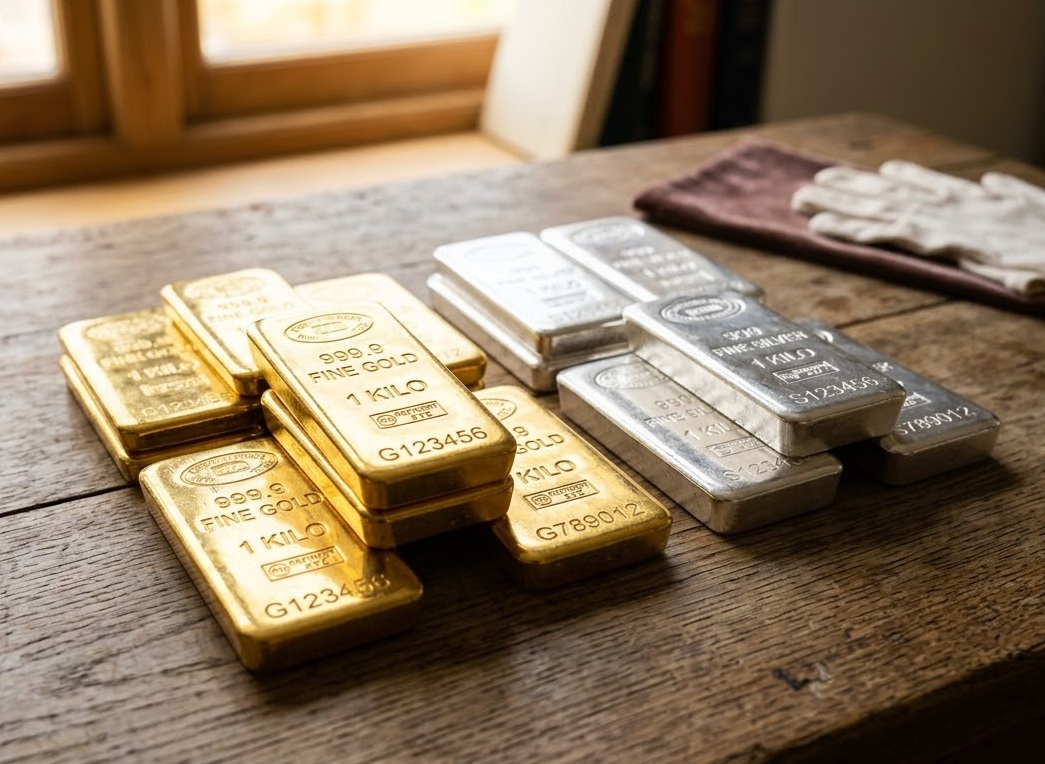
So, what actually happened? On paper, everything pointed toward higher gold and silver prices. We have ongoing geopolitical friction in the Middle East, rising energy costs, and a general sense of global uncertainty. Usually, that's the perfect recipe for a gold rally. But the market rarely plays by the rules when the U.S. Dollar starts flexing its muscles.
The biggest culprit here is the "Greenback." The U.S. Dollar Index (DXY) has been on a tear, recently pushing past the 100-point mark. When the dollar gets this strong, it acts like a lead weight on commodities. Since gold and silver prices are priced in dollars, it suddenly becomes way more expensive for anyone outside the U.S. to buy them. That creates a massive vacuum in demand, and we're seeing the results in real-time.
We also have to talk about the Federal Reserve. For months, the "smart money" was betting on the Fed cutting interest rates to help a cooling economy. Those bets were wrong. At the latest meeting, Chair Jerome Powell basically told the market to get comfortable with high rates.
Yields are king: With 10-year Treasury yields pushing higher, why would a big fund hold gold, which pays zero interest? They're moving back into bonds.
The "Paper" Flush: A lot of the recent price action wasn't even about physical metal. It was about "weak hands" in the futures market getting margin-called. When those big leveraged positions start to close, it creates a snowball effect that hammers gold and silver prices lower.
The Energy Paradox: High oil prices are usually good for gold, but right now, they're just making inflation stickier. That forces the Fed to keep rates high, which—ironically—hurts the metals trade.
While gold is the headline act, silver's fall has been much more violent. That's because silver wears two hats: it's an investment, but it's also an industrial metal. When the economy looks shaky, silver gets hit from both sides.
The drop in gold and silver prices has been particularly hard on silver because so many retail investors piled into the market expecting a massive supply shortage. While that shortage is real—especially with the massive demand from solar panel manufacturers and AI data centers—it doesn't matter much when the big hedge funds are in "sell everything" mode.
Historically, silver is more volatile than gold. It goes up faster, but it also crashes harder. Right now, we're seeing the ugly side of that volatility. Many traders who bought in at $80 or $90 are now underwater, and that selling pressure is making it very difficult for gold and silver prices to find a stable base.
Whenever we see a crash like this, the "gold is dead" headlines start to appear. But it's worth taking a step back. Despite the carnage this week, the long-term fundamentals haven't shifted as much as the charts might suggest.
Central banks are still buying physical gold at a record clip. Countries like China and India aren't looking at the 15-minute charts; they're looking at a five-year horizon and trying to diversify away from the dollar. This disconnect between "paper gold" (the futures market) and "physical gold" (actual bars in vaults) is reaching a breaking point. Eventually, the physical demand usually wins out, but "eventually" can be a long time when you're watching gold and silver prices slide day after day.
Trader's Note: Keep an eye on the $4.400 level for gold. If we close the week below that, the technical damage might take months to repair.
If you're trying to time an entry or just looking for a sign of hope, there are a few key numbers to watch. For gold and silver prices to regain any kind of momentum, we need to see a cooling of the Dollar Index. If the DXY starts to retreat, the metals will breathe again.
Gold's Support: $4.400 is the big one. Below that, we're looking at $4.200 as the next major floor.
Gold's Resistance: We need to get back above $4.750 to prove that this wasn't the end of the macro bull cycle.
Silver's Support: If silver breaks $64. things could get very ugly, very fast. That's the level where a lot of long-term "buy and hold" investors might finally give up.
Silver's Resistance: Reclaiming $70 would be a huge psychological win for the bulls.
The current drop in gold and silver prices is a painful reminder that the market doesn't move in a straight line. We're in a period of "price discovery," which is just a fancy way of saying the market is trying to figure out if these metals are actually worth the record highs they hit earlier this year.
For the casual observer, it looks like a disaster. For the contrarian, it's the first real chance to buy the dip in a long time. The "Higher for Longer" mantra from the Fed has clearly won this round, but the debt levels and geopolitical tensions that fueled the rally in the first place haven't gone anywhere.
We're likely in for a few more weeks of choppy, sideways trading as the market digests the shock. Until the dollar decides to take a break, gold and silver prices will likely remain under pressure. It's a tough time to be a bull, but as any veteran of the metals market will tell you: the best time to buy is usually when everyone else is too afraid to look at the screen.
Disclaimer: This material is for general information purposes only and is not intended as (and should not be considered to be) financial, investment or other advice on which reliance should be placed. No opinion given in the material constitutes a recommendation by EBC or the author that any particular investment, security, transaction or investment strategy is suitable for any specific person.