Published on: 2026-06-09
Updated on: 2026-06-09
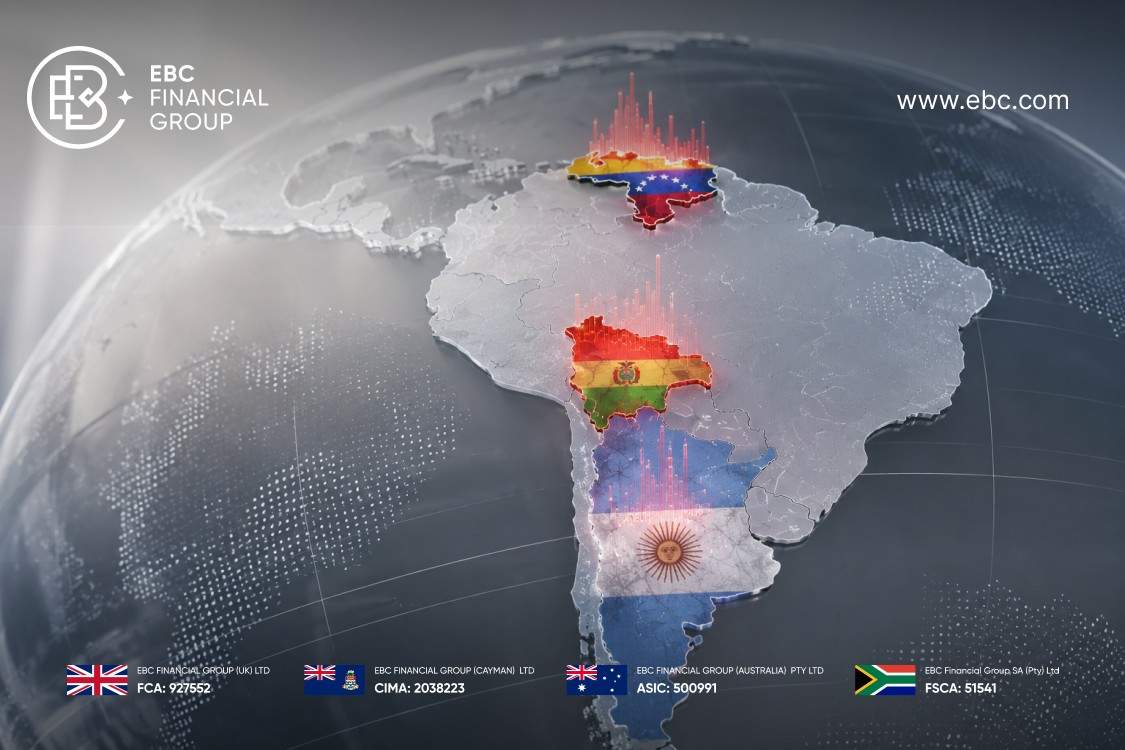
Brazil, Guyana, and Argentina should not be able to bend the 2026 oil growth map with only 5.5% market share. Yet their combined 410,000 bpd expansion represents about 51% of expected global crude production growth, making three regional supply stories part of the market that is still adding barrels.
The market has not ignored Latin America’s oil growth; it has underestimated how concentrated the next wave of non-OPEC supply has become.

Brazil, Guyana and Argentina are set to add about 410,000 bpd in 2026, equal to roughly 51% of projected global crude-production growth.
Their combined output base is only about 5.7 million bpd, or roughly 5.5% of the global oil market at 104 million bpd.
The gap creates a 9.3x growth-leverage signal, giving the trio far more influence over new supply than their market size suggests.
Brazil contributes about 200,000 bpd, Guyana adds around 140,000 bpd, and Argentina adds about 70,000 bpd.
The risk is execution, not geology: Brazil needs offshore-platform uptime, Guyana needs Stabroek reliability, and Argentina needs export capacity.
EIA’s December STEO forecast puts global crude-production growth at about 800,000 bpd in 2026, with Brazil, Guyana and Argentina accounting for about 400,000 bpd of that increase.
Using EIA’s country-level figures, the combined gain is closer to 410,000 bpd: Brazil at +200,000 bpd, Guyana at +140,000 bpd and Argentina at +70,000 bpd. Three producers with roughly 5.5% market share account for about 51.25% of the global crude-growth forecast.
| Country | 2026 Growth | Main Driver |
|---|---|---|
| Brazil | +200k bpd | Búzios FPSOs |
| Guyana | +140k bpd | Stabroek Block |
| Argentina | +70k bpd | Vaca Muerta shale |
| Total | +410k bpd | Deepwater + shale |
Their combined 2026 crude base is roughly 5.7 million bpd, set against a global oil market of about 104 million bpd in the IEA’s May Oil Market Report. The gap between a 51.25% growth share and a 5.5% market share produces the article’s central signal: 9.3x growth leverage.

Brazil supplies the largest share of the trio’s growth through offshore scale. Crude output is forecast to average about 4.0 million bpd in 2026, up from 3.8 million bpd in 2025, as new floating production, storage and offloading vessels, or FPSOs, in Petrobras-operated Búzios lift production. Brazil’s contribution is a sequence of platform-led supply jumps, not a gradual drift higher.
Petrobras says P-78 at Búzios 6 has a capacity of 180,000 barrels of oil per day, raising Búzios’ installed production capacity to about 1.15 million bpd. P-79 at Búzios 8 carries the same 180,000 bpd oil capacity, with first oil now scheduled for May 1, 2026. One Búzios platform is more than twice Argentina’s entire forecast 2026 crude-growth contribution.
Brazil’s 200,000 bpd forecast gain depends less on finding additional oil than on converting installed offshore capacity into steady barrels. Ramp-up speed, uptime, and Petrobras' capital discipline will determine whether nameplate capacity translates into a reliable supply.
Búzios already operates at a megafield scale, with installed capacity increasing from about 1.15 million bpd after P-78 to roughly 1.33 million bpd after P-79. Brazil remains the most stable part of the trio, while its risk has moved from discovery to offshore execution.
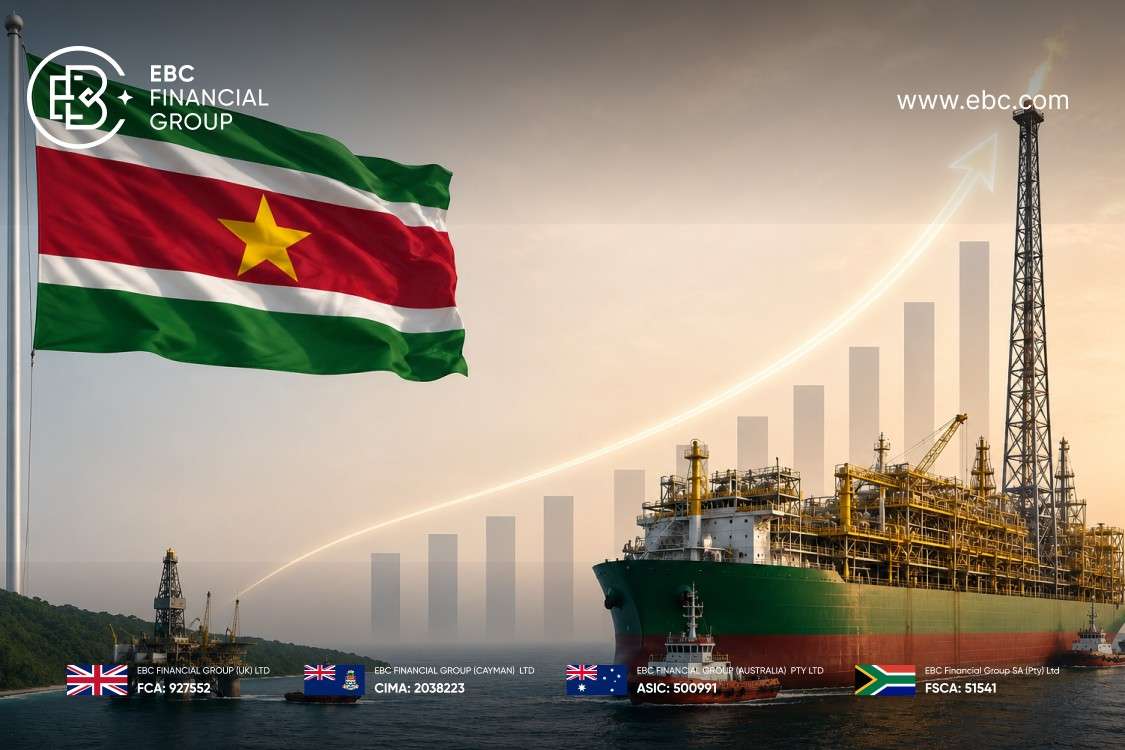
Guyana’s oil industry moved from frontier discovery to material supply in less than a decade. Output increased roughly tenfold from 2020 to 2025, with production concentrated in the ExxonMobil-led Stabroek Block and its FPSO sequence.
ExxonMobil says Yellowtail, Guyana’s fourth offshore project, started production in August 2025 and lifted the country’s installed capacity above 900,000 bpd. The ONE GUYANA FPSO targets initial annual average production of 250,000 bpd, enough to matter even inside a mature oil province.
Uaru adds the next supply step. ExxonMobil expects the fifth Stabroek development to add about 250,000 bpd of daily capacity after targeted startup in 2026. Guyana’s 140,000 bpd forecast gain depends on existing FPSOs holding a higher base while new offshore capacity starts producing.
The increase runs through a narrow offshore system, giving every FPSO ramp-up more market weight. A commissioning delay, maintenance outage or weaker platform performance would not sit at the edge of the thesis; it would cut into one of its three main country pillars.
Vaca Muerta gives Argentina the shale leg of the 2026 crude-growth story. EIA forecasts crude production rising from 670,000 bpd in 2024 to 740,000 bpd in 2025 and 810,000 bpd in 2026, with Vaca Muerta accounting for an estimated 62% of national crude output during January to October 2025.
Argentina is the smallest contributor to growth in the trio, with a forecast gain of about 70,000 bpd, yet its upside is easier to see than its headline number suggests. Energy Secretariat data, reported by Data Energía, show that April 2026 production reached 891,704 bpd, the highest level in a century of industry activity.
The next stage depends on moving barrels out of the basin. Oldelval expects Vaca Muerta output to reach 1 million bpd by 2028, while a $1.4 billion pipeline system connects the western Neuquén basin to Argentina’s Atlantic coast. Export infrastructure determines whether Vaca Muerta barrels stay a domestic production story or reach Atlantic Basin buyers.
Argentina already has the rock. The market is now testing the pipes, terminals and politics around it.
A divided 2026 demand outlook gives every dependable non-OPEC barrel more weight. Brazil, Guyana and Argentina enter the part of the balance that still moves: new supply.
The 9.3x signal measures that pressure. Their current market share is small, but their growth contribution is large enough to affect inventories, Atlantic Basin cargo flows and spare-capacity assumptions before production rankings catch up.
OPEC+ still controls spare-capacity politics. The United States still dominates the non-OPEC scale. Brazil, Guyana and Argentina occupy a different position: smaller producers whose new barrels arrive at the point where the balance is most sensitive.
In a slower-growth oil market, adding barrels can matter more than producing them.
The growth contribution runs through a narrow set of physical systems: Búzios FPSOs, Stabroek platforms and Vaca Muerta export routes. A delay in any one of them cuts into the same supply pool behind the headline figure.
Brazil’s exposure sits offshore. A slower FPSO ramp-up, weaker uptime or delayed Petrobras execution can reduce 2026 supply even if the pre-salt resource remains intact. The oil is there; the risk is turning installed capacity into steady production on schedule.
Guyana’s 140,000 bpd forecast gain runs through a concentrated offshore system, giving every FPSO ramp-up more market weight. A commissioning delay, a maintenance outage, or weaker platform performance would hit one of the three main pillars underpinning the 51% growth number.
Argentina’s exposure sits between shale output and export access. Vaca Muerta can keep setting production records, but barrels trapped behind pipeline, terminal, financing or local-approval constraints cannot rebalance the Atlantic market. Environmental scrutiny around fracking waste and local concerns in Neuquén add another constraint to a growth story already testing infrastructure.
The risk is physical before it is financial. Brazil needs uptime, Guyana needs platform reliability, and Argentina needs export capacity. Without those three links, the forecast stays on paper.
Production rankings will still begin with the giants. The 2026 growth map points elsewhere: Búzios, Stabroek and Vaca Muerta. Brazil, Guyana and Argentina remain secondary by production rank, but their barrels sit at the centre of the next supply increase.
In 2026, the barrel that changes the oil market comes from outside the top of the rankings.