Published on: 2026-04-14
Updated on: 2026-04-14
Bottom fishing is a trading strategy where investors attempt to buy an asset after a significant decline, aiming to capture a rebound from what they believe is (or is near) the lowest price level. It is a high-reward but high-risk approach that requires strong discipline, timing awareness, and risk management.
In modern markets, especially in 2026, where volatility is amplified by AI-driven trading, macro uncertainty, and rapid sector rotations, bottom fishing has become both more tempting and more dangerous for retail investors.
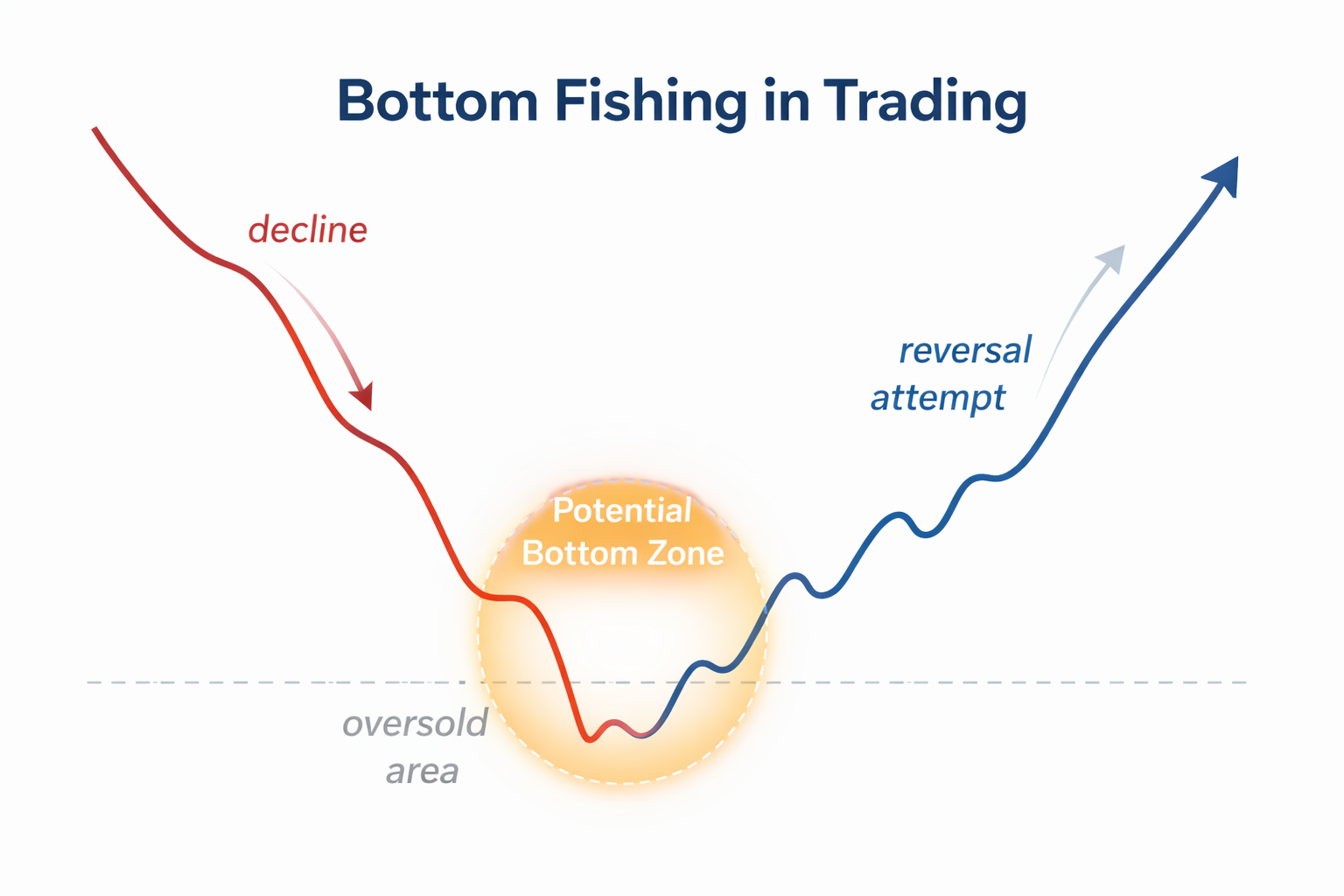
Bottom fishing involves buying assets after steep declines in anticipation of a recovery.
It can deliver strong returns, but timing the true “bottom” is extremely difficult.
False recoveries (“dead cat bounces”) are common and costly.
Risk management is more important than prediction accuracy.
Successful bottom fishing relies on confirmation signals, not just price drops.
Bottom fishing refers to purchasing a financial asset, such as stocks, indices, or ETFs, after a sharp sell-off, when prices appear undervalued or oversold. Traders assume that the worst of the decline is over and that a recovery phase may follow.
For example, if a strong technology stock like Nvidia drops significantly due to temporary earnings disappointment or sector rotation, some traders may attempt to “bottom fish” by buying during the decline rather than waiting for a confirmed recovery trend.
Similarly, during broader market corrections, investors may bottom-fish major indices or ETFs, such as the SPDR S&P 500 ETF Trust, when they believe panic selling has overshot fundamentals.
Bottom fishing is not simply “buying the dip.” It is a more aggressive, speculative form of dip-buying, in which investors aim to catch the lowest possible price.
Sharp price decline (often 20% or more in individual stocks)
Negative sentiment or panic selling
High volatility and uncertain news flow
Oversold technical indicators
However, the key challenge is that markets can remain irrational longer than expected, and prices can continue to fall even after appearing “cheap.”
Investors are attracted to bottom fishing for several reasons:
Buying near the bottom can generate significant upside if recovery follows quickly.
Investors often feel they are “buying value” when prices are low, even if fundamentals have not stabilised.
Markets tend to revert to long-term averages, especially after emotional sell-offs.
However, these advantages come with substantial risks.
Bottom fishing is widely considered one of the most difficult trading strategies to execute successfully.
For instance, during major corrections, even fundamentally strong companies like Tesla or Apple can experience prolonged drawdowns before stabilising.
Successful bottom fishing is less about guessing the exact bottom and more about waiting for confirmation signals.
No single indicator is sufficient. Professional traders typically wait for multiple confirmations before entering a bottom-fishing trade.
Although often confused, these strategies differ in intent and risk profile:
Dip buying: Entering during a healthy uptrend correction
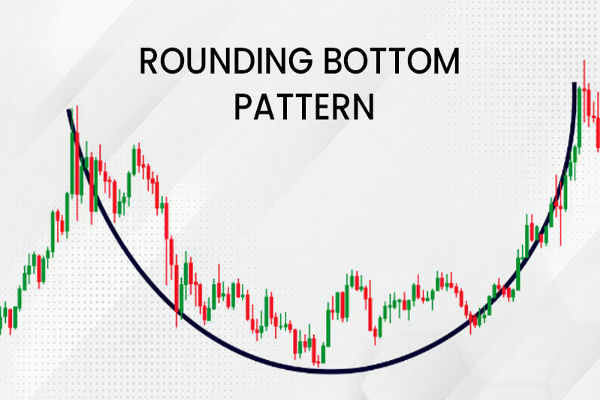
Bottom fishing: Attempting to buy after a deep downtrend reversal point
Bottom fishing is, therefore, more speculative and requires stricter risk controls.
In today’s market environment, bottom fishing is influenced by:
Algorithmic trading is accelerating price swings
AI-driven sector rotations are causing sharp reversals
Higher interest rate sensitivity in growth sectors
Rapid news dissemination increases emotional trading behaviour
As a result, assets can recover quickly or continue falling sharply within short timeframes, making timing more difficult than in previous decades.
To manage downside risk effectively, traders often use:
Position sizing control: Never overexpose capital on early entries
Stop-loss orders: Predefined exit points to limit losses
Scaling in strategy: Entering gradually rather than all at once
Diversification: Avoid concentrating on a single asset
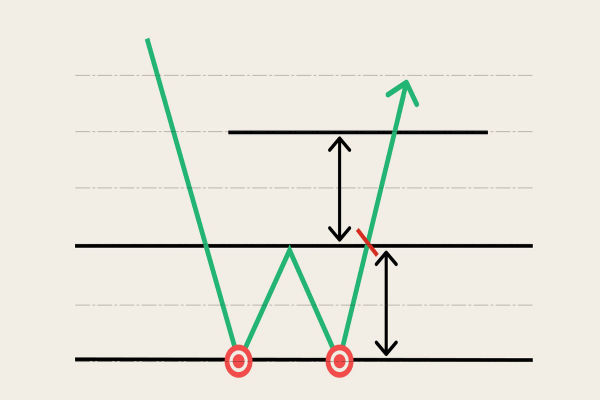
Confirmation-based entry: Waiting for trend reversal signals
Disciplined risk management is what separates strategic bottom fishing from emotional speculation.
No. Buying the dip usually occurs during a healthy trend correction, while bottom fishing involves entering after a deep decline when the trend may still be bearish or uncertain. Bottom fishing is significantly more speculative.
Market bottoms are only confirmed in hindsight. During declines, sentiment is negative and volatility is high, making it difficult to distinguish between temporary rebounds and true reversals. Prices can continue falling even after appearing oversold.
A dead cat bounce is a short-lived recovery in price after a sharp decline, followed by another drop. It often traps bottom fishers who enter too early without confirmation of a sustained reversal.
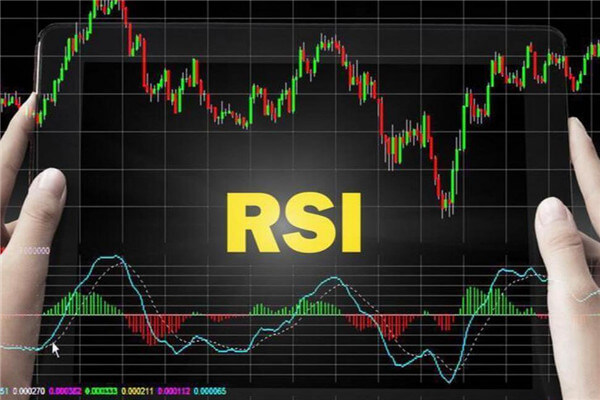
Common indicators include RSI oversold levels, volume spikes, support zones, and candlestick reversal patterns. However, professional traders rarely rely on a single indicator and prefer multiple confirmation signals.
Beginners should approach bottom fishing cautiously. Without experience in risk management and technical analysis, significant losses can result. It is generally better to start with trend-following or long-term investing strategies.
Bottom fishing is a high-risk, high-reward trading strategy that aims to capture market rebounds after steep declines. While the potential upside can be attractive, the difficulty lies in identifying true market bottoms in real time. Successful execution depends less on prediction and more on disciplined confirmation, timing, and risk control.
Disclaimer: This material is for general information purposes only and is not intended as (and should not be considered to be) financial, investment or other advice on which reliance should be placed. No opinion given in the material constitutes a recommendation by EBC or the author that any particular investment, security, transaction or investment strategy is suitable for any specific person.