Published on: 2026-05-12
Updated on: 2026-05-12
The ASX 200 is not trading like one market. Banks, healthcare and rate-sensitive stocks are pulling the benchmark lower, while miners and commodity-linked names are helping absorb the pressure. That split has turned Australia’s equity market into a sector-rotation test as investors position ahead of the 2026-27 federal budget.
By mid-afternoon on 12 May 2026, the ASX 200 was trading around the 8,660 to 8,680 region, down on the day after a volatile stretch shaped by oil prices, CSL weakness, RBA expectations and budget caution. The index is not facing a single driver. It is being pulled between domestic rate pressure and global commodity support.
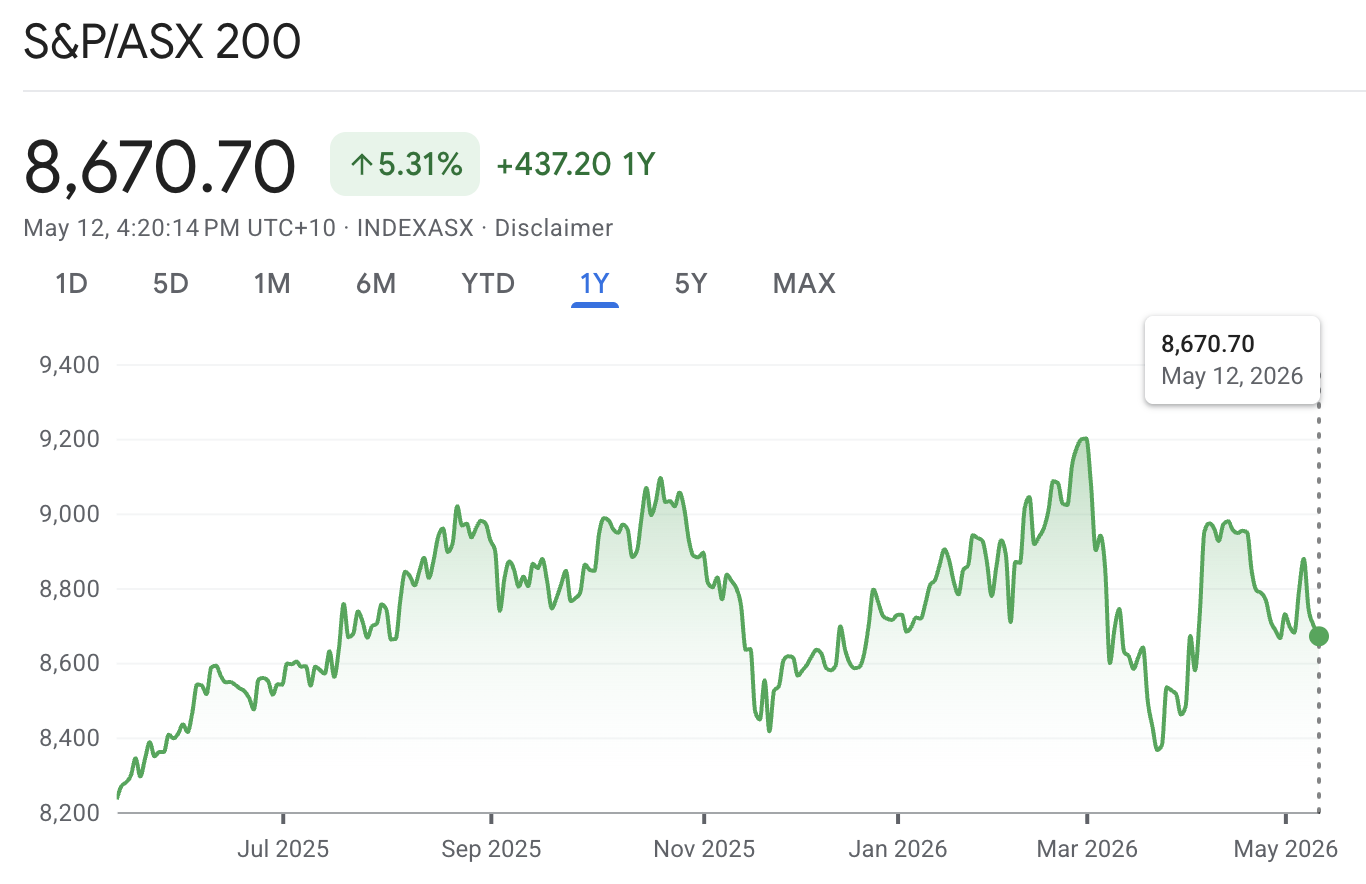
The ASX 200 is being split by bank weakness, miner support, healthcare pressure and budget risk.
Financial services and basic materials dominate the index, making banks and miners the two main swing factors.
RBA rate expectations remain a drag on credit-sensitive sectors, including banks, property and consumer stocks.
The federal budget may affect bond yields, household cash flow, fuel security, housing and infrastructure.
ASX 200 futures remain sensitive to Wall Street leads, AUD/USD, oil, iron ore and budget headlines.
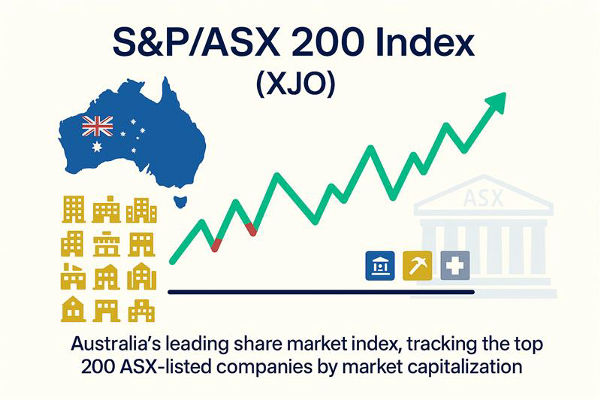
The ASX 200 is often described as Australia’s equity benchmark, but its structure makes it more specific than that. It is part banking system, part resources trade and part domestic macro barometer.
Financial services account for about 33% of ASX 200 market capitalisation, while basic materials account for about 25.8%. Together, banks and miners represent more than half the benchmark, so divergence between those two sectors can leave the index looking directionless even when individual stocks are moving sharply.
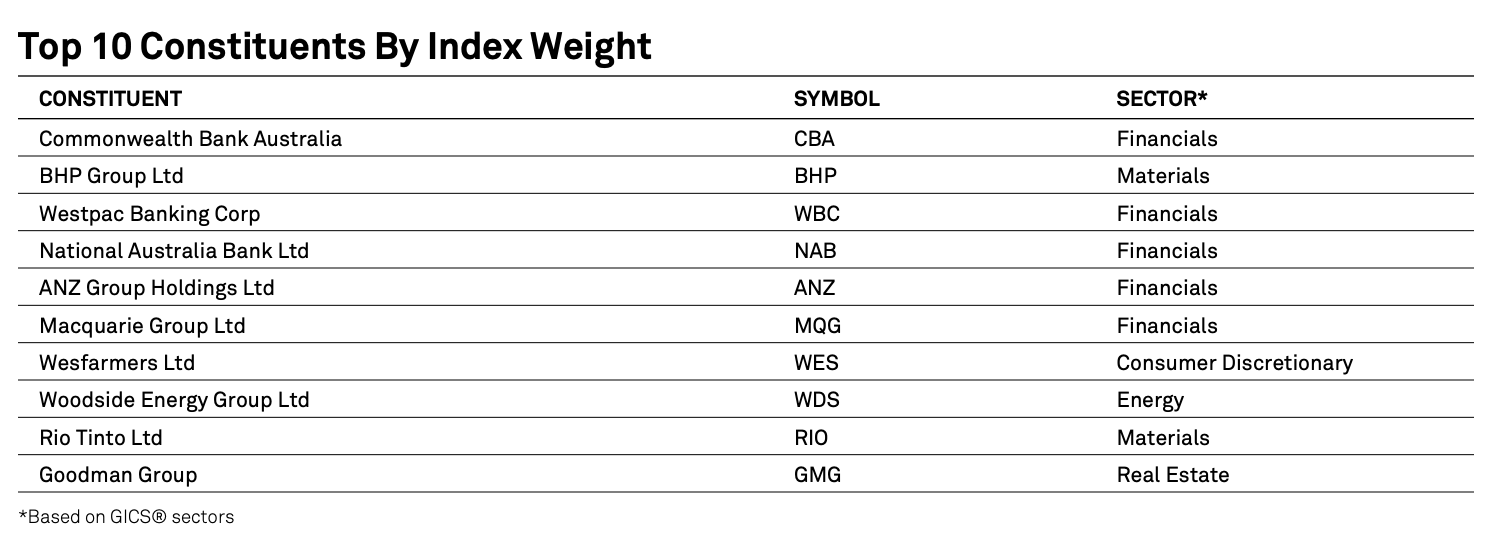
That is the current setup. Banks are facing pressure from higher-rate expectations and household affordability concerns. Miners are receiving support from commodity strength, supply risk and global demand expectations. Healthcare has added another drag after CSL’s heavy selloff, while energy has gained from oil and fuel-security themes.
Australian banks remain central to the ASX 200 outlook because they carry large index weight and act as a proxy for domestic credit conditions. The problem is that higher rates do not provide a clean tailwind.
The RBA’s cash rate target is 4.35%, effective from 6 May 2026, with the next policy update due on 16 June. The May Statement on Monetary Policy also noted that its forecasts were based on market pricing for the cash rate to be 60 basis points higher by the end of the year, with much of the repricing occurring after the escalation in Middle East tensions.
For banks, that creates a mixed signal. Higher rates can support lending income, but they also raise funding pressure, slow mortgage demand and increase scrutiny on arrears. Income investors may still value bank dividends, yet valuation support weakens if earnings momentum slows or credit stress builds.
The materials sector gives the ASX 200 a built-in commodity buffer. When domestic rate pressure hurts banks, property and consumer stocks, miners can still attract capital if iron ore, copper, gold or energy prices strengthen.
That has been visible in recent trading. Australian sharemarkets fell on 11 May after oil prices surged, but major iron ore miners including BHP, Rio Tinto and Fortescue still posted gains, while energy names also benefited from the stronger commodity tape.
This is why the ASX 200 does not always behave like a purely domestic index. A weak local macro story can be offset by stronger global resources pricing. The reverse is also true. If commodities roll over while banks remain under pressure, the benchmark can lose support quickly.
The federal budget adds another layer of event risk. The Treasurer is scheduled to deliver the 2026-27 Budget at approximately 7:30 pm AEST on Tuesday, 12 May 2026.
For equity traders, the budget is not only a political event. It can change expectations around household cash flow, housing supply, fuel security, infrastructure spending, fiscal restraint and bond issuance. Those channels can move banks, retailers, builders, utilities, energy stocks and ASX 200 futures.
Markets will be watching whether fiscal measures ease cost-of-living pressure without adding to inflation risk. A budget that looks targeted could calm bond-market concerns. A budget that appears too stimulatory may reinforce expectations that the RBA needs to stay tighter for longer.
| Driver | ASX 200 impact | Sectors most affected |
|---|---|---|
| RBA rate expectations | Pressures valuation and credit-sensitive stocks | Banks, real estate, consumer discretionary |
| Commodity prices | Supports or weakens index through resources exposure | Miners, energy, gold stocks |
| Federal budget | Adds policy and bond-yield risk | Banks, retailers, infrastructure, energy |
| AUD/USD | Affects offshore earnings and capital flows | Miners, exporters, travel stocks |
| US market leads | Shapes futures and risk appetite | Technology, financials, broad index |
ASX 200 futures are likely to remain event-sensitive because several forces are moving at once. A stronger Wall Street session can lift sentiment, but local traders still need confirmation from banks, miners and bond yields before the benchmark can build a cleaner trend.
The Australian dollar is another pressure point. Live market coverage on 12 May showed the Aussie trading near US72.33 cents, with the ASX 200 lower and CSL continuing to weigh on sentiment. A stronger currency can support confidence in offshore inflows, but sharp moves can also tighten financial conditions for exporters and commodity-linked names.
Oil is also important. Higher crude prices can support energy producers, but they also feed fuel-cost and inflation concerns. That tension matters for an index already sensitive to RBA expectations.
The ASX 200 is under pressure because banks, healthcare and rate-sensitive stocks are weighing on the benchmark, while miners and selected commodity-linked names are providing partial support.
Banks and miners carry large index weightings. Financial services and basic materials together represent more than half of ASX 200 market capitalisation, making them the two main swing sectors.
Budget measures can influence household cash flow, inflation expectations, bond yields, housing policy, infrastructure spending and fuel security. Those channels can affect banks, retailers, builders, utilities, energy stocks and ASX 200 futures.
Traders should watch Wall Street leads, AUD/USD, oil, iron ore, Australian bond yields, budget details and whether materials strength can offset bank and healthcare weakness.
The ASX 200 is not facing a simple risk-on or risk-off setup. The benchmark is being split by sector forces that point in different directions. Banks remain exposed to RBA pressure and domestic credit conditions, while miners continue to reflect global commodity demand and supply risk.
Tonight’s federal budget adds a policy layer that could affect inflation expectations, bond yields and sector rotation. For investors and traders, the next move in the ASX 200 will depend on whether miners can keep cushioning bank weakness, or whether budget and rate risks push the index into a broader correction.