Published on: 2026-07-14
Updated on: 2026-07-14
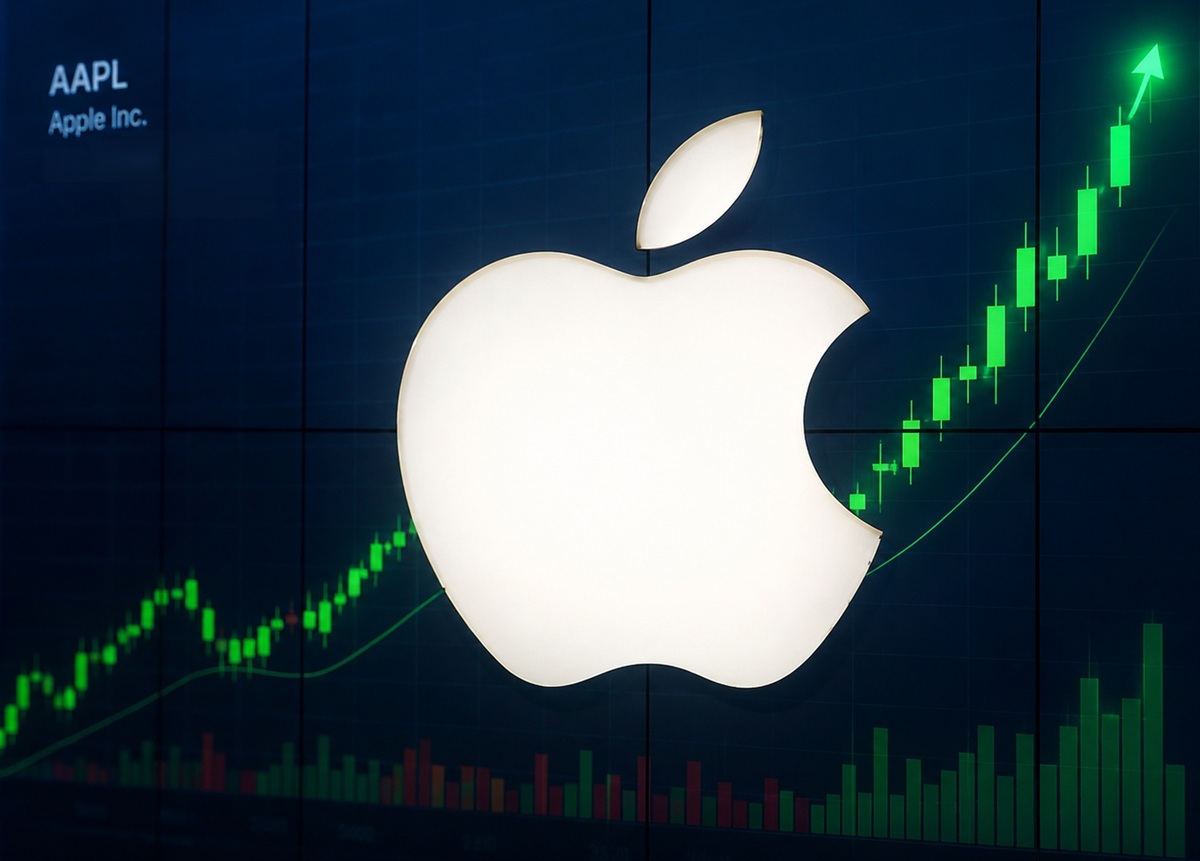
Apple has just given Wall Street another masterclass in market dominance. In a spectacular run that has taken many short-sellers by surprise, Apple stock hit 52-week highs this week, touching a historic intraday peak of $323.45. This latest rally has pushed the Cupertino giant's market capitalization to a staggering $4.66 trillion. It is a massive milestone that positions the company neck-and-neck with Nvidia in a thrilling race for the title of the world’s most valuable public company.
What makes this surge so impressive is the sheer turnaround it represents. Just a few months ago, the narrative surrounding Apple was plagued by whispers of cooling global demand, supply chain bottlenecks, and a perceived delay in its artificial intelligence strategy. Today, that skepticism has completely evaporated. Driven by heavy institutional buying and a flurry of analyst upgrades, the equity has shattered previous resistance lines. For anyone tracking the broader tech landscape, the fact that Apple stock hit 52-week highs serves as a definitive sign that the company has successfully kicked its next growth phase into high gear.
So, what is actually driving this sudden burst of investor optimism? The short answer is a perfect mix of long-term operational planning and aggressive moves into specialized artificial intelligence. Wall Street has realized that while other tech players are scrambling to buy generic AI chips, Apple is quietly securing its entire hardware ecosystem for the next decade.
A massive turning point came with the official extension of Apple's chip-supply agreement with Broadcom through 2031. This multi-year alliance is laser-focused on developing custom ASIC (application-specific integrated circuit) silicon. By locking down these critical components, Apple has essentially insulated itself from future semiconductor shortages, giving its upcoming on-device AI features a highly secure, high-performance foundation.
Simultaneously, the manufacturing engine behind the scenes is running hotter than ever. Recent financial data out of Foxconn—Apple’s primary assembly partner—showed a massive 40% year-over-year revenue jump. This sudden spike in factory activity shattered the old narrative that consumers were getting tired of upgrading their devices, proving instead that the appetite for Apple hardware remains incredibly healthy.
To put this historic run into perspective, it helps to look at how Apple’s current financial standing compares to its recent past and future targets:
| Financial Metric | Prior Baseline (Early Year) | Current Record Levels | Wall Street 12-Month Target |
|---|---|---|---|
| Stock Price | $265.00 - $280.00 Range | $323.45 (New 52-Week High) | $345.00 (J.P. Morgan Estimate) |
| Market Capitalization | $3.90 Trillion | $4.66 Trillion | $5.00+ Trillion Projected |
| Quarterly Services Revenue | $26.5 Billion | $31.0 Billion | $35.0+ Billion Target |
| Services Gross Margin | 71.5% | 76.0% | 78.0% Projected |
Looking closely at the charts, the momentum behind this breakout looks incredibly solid. For weeks, the stock was consolidation-heavy, bumping against heavy technical resistance bands just below $310. Once that dam broke, algorithmic trading systems and institutional portfolio managers rushed in, creating a snowball effect of buying volume.
Key technical indicators highlight the intensity of this market move:
The Symmetrical Triangle Breakout: AAPL had been forming a tight, textbook wedge pattern for months. The definitive upward breakout completely invalidated a potential double-top formation at $317. turning former resistance into a launchpad.
Relative Strength Index (RSI): The stock’s RSI currently hovers right around 70.7. While this technically signals overbought territory, it also shows just how sticky and resilient the current buying momentum really is.
Moving Average Support: Trading comfortably above both its 50-day and 200-day moving averages, the stock is locked into a classic secular uptrend that major funds are eager to chase.
As Apple stock hit 52-week highs, top-tier investment firms wasted no time updating their financial models. J.P. Morgan made headlines by raising its target price for Apple to a bullish $345 per share, pointing to an untapped wave of monetization within the Mac AI software ecosystem and a highly anticipated hardware upgrade cycle.
While premium hardware keeps consumers locked into Apple’s ecosystem, it is the company's incredibly lucrative Services division that keeps investors hooked. Apple recently posted an unprecedented $31 billion in quarterly Services revenue, operating at a mind-boggling 76% gross margin. This high-profit engine relies on an active global installation base of more than 2.5 billion devices—a captive audience that few businesses on earth can match.
Apple is also finding clever new ways to deepen its integration into its users' daily lives. For instance, a recent quiet rollout with American Express now allows cardholders to redeem their rewards points directly through Apple Pay at checkout. It is a subtle shift, but it is exactly the type of convenience that keeps users anchored inside the company's software ecosystem, continuously driving higher transaction fees back to Cupertino.
This compounding growth of recurring revenue gives the company a financial safety net that justifies its premium price-to-earnings multiple. Long-term forecasting models now project that Apple will cross $583 billion in annual revenue by 2029. With numbers like that, it becomes easy to see why Apple stock hit 52-week highs despite broader macroeconomic uncertainty.
Even during a historic bull run, no corporate story is entirely without its share of risks. As Apple stock hit 52-week highs, seasoned market participants are keeping a close eye on a few looming operational and legal challenges that could cause near-term volatility.
On the regulatory front, Apple is coming off a tough courtroom loss in the European Union regarding its rigid iOS and App Store ecosystems. European antitrust regulators show no signs of backing down, and their continued pressure threatens to chip away at the lucrative commissions Apple charges third-party developers. At the same time, a fierce legal battle with OpenAI over trade secrets highlights just how aggressive—and high-stakes—the fight over modern artificial intelligence intellectual property has become.
There are also a few question marks hanging over future hardware releases. Supply chain reports suggest that Apple’s highly anticipated foldable iPhone—which is rumored to carry a massive premium price tag between $2.300 and $2.500—is facing production constraints. Industry insiders estimate that initial production for the third quarter might be limited to just 500.000 units due to complex display manufacturing. If these bottlenecks cause major launch delays, it could temporarily push a significant revenue catalyst into the next fiscal year.
The ultimate reality check for Apple’s new valuation is just around the corner. The company has officially scheduled its Fiscal Q3 earnings conference call for Thursday, July 30.
Management previously gave guidance pointing to a strong 14% to 17% year-over-year revenue growth. Wall Street will be looking for absolute confirmation that the company is meeting these lofty expectations. If the actual financial results match the explosive manufacturing data we saw out of Foxconn, the stock could easily find the fuel it needs to break through its current ceilings and push toward the $350 mark.
Traders looking for CFD exposure to Apple can find it listed as AAPL on EBC's stock CFD platform. A CFD position allows both long and short exposure to the share price—useful around earnings events where the direction is genuinely uncertain. Stock CFDs are leveraged products, so it is important to review margin requirements and consider reducing position size during earnings windows when intraday volatility is elevated.
The broader market has clearly delivered its verdict, and the narrative surrounding Cupertino is overwhelmingly triumphant. The headline that Apple stock hit 52-week highs is far more than just a flashing green number on a trading screen; it is a clear reflection of a company firing on all cylinders. By blending unbreakable ecosystem loyalty with long-term chip security and massive profit margins, Apple has effectively silenced its critics. While regulatory challenges in Europe and near-term hardware supply constraints are real variables to monitor, the sheer volume of institutional demand shows that big investors still view any minor dip as a premier buying opportunity. All eyes now turn to July 30. where the hard data will either validate this historic run or force a brief reality check.