Published on: 2026-01-13
Updated on: 2026-01-13
Everyone wants to be a successful trader, but very few actually become successful. Markets reward discipline, patience, and adaptability, while volatility quickly punishes ego, shortcuts, and luck mistaken for skill.
In 2026, with artificial intelligence accelerating execution and global macro forces reshaping capital flows, the gap between consistent winners and everyone else has only widened.
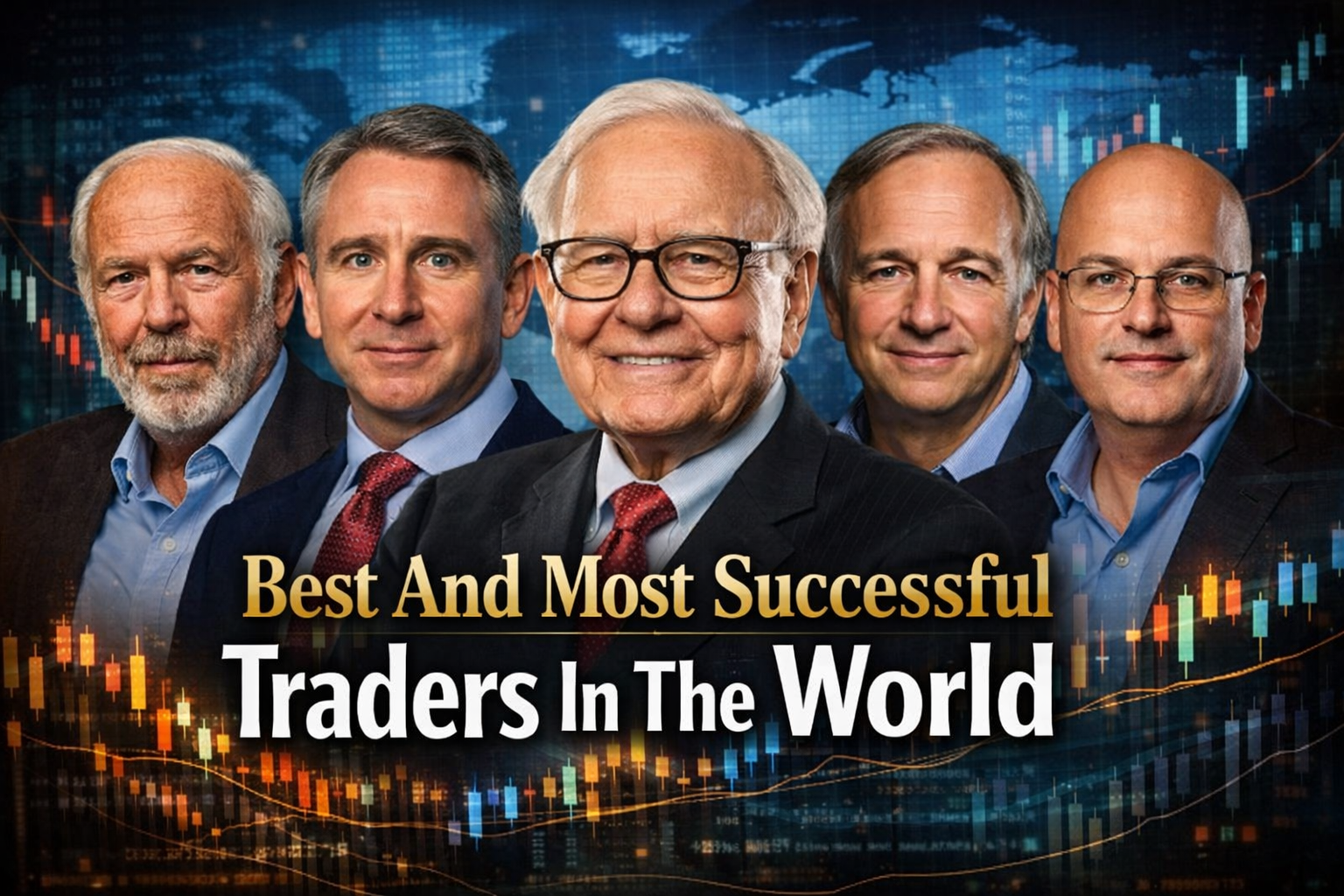
The traders ranked below sit on the winning side of that divide. Across decades of bull markets, crashes, and structural shifts, they have produced repeatable results in environments where most participants fail.
| Rank | Trader | Est. Net Worth (2026) | Primary Assets Traded | Best Trade / Achievement |
|---|---|---|---|---|
| 1 | Warren Buffett | $148.9B | Blue-chip stocks, insurance | 60-year CEO tenure at Berkshire |
| 2 | Ken Griffin | $37.2B | Equities, fixed income, credit | $16B profit for Citadel in 2022 |
| 3 | Jim Simons | $31.4B (estate) | Liquid futures, FX, equities | 66% annual Medallion returns |
| 4 | Steven Cohen | $19.8B | Discretionary equities | Founder of SAC & Point72 |
| 5 | Ray Dalio | $15.4B | Bonds, commodities, indices | Pure Alpha 33% gain in 2025 |
| 6 | Paul Tudor Jones | $8.2B | Macro futures, BTC, gold | Shorting the 1987 market crash |
| 7 | George Soros | $8.1B | Currencies, sovereign debt | Shorting the British pound (1992) |
| 8 | Stanley Druckenmiller | $6.5B | Tech stocks, interest rates | 30-year track record with no losses |
| 9 | Bill Lipschutz | $2.0B | G10 currencies (Forex) | $300M+ yearly at Salomon |
| 10 | Michael Burry | $300M+ | Index shorts, micro-caps | Shorting the 2008 subprime crisis |
| 11 | Jesse Livermore | Historical | Commodities, momentum stocks | Shorting the 1929 market crash |
Even after stepping down as CEO of Berkshire Hathaway on January 1, 2026, Warren Buffett remains the most successful long-term market operator in history. While often described as a buy-and-hold investor, Buffett’s scale, timing, and capital allocation discipline place him firmly among the best traders in the world.

What He Usually Trades: Buffett focuses on durable consumer monopolies and high-quality businesses with economic moats. His core assets include large-cap U.S. equities such as Apple, Coca-Cola, and American Express, insurance operations like GEICO, regulated utilities, and merger arbitrage situations.
Best Achievement: Transforming Berkshire Hathaway from a failing textile business into a trillion-dollar conglomerate and one of the greatest wealth-compounding vehicles ever created.
Core Philosophy: “The stock market is a device for transferring money from the impatient to the patient.”
What Traders Can Learn From Him: Patience is not passive. Buffett shows that waiting for the right opportunity, sizing it aggressively, and avoiding unnecessary trades can outperform constant activity. Capital allocation matters as much as stock selection.
In 2026, Ken Griffin stands as the most influential active trader in global markets. As the founder of Citadel, his reach extends across equities, credit, rates, and derivatives. His firms do not simply trade markets; they shape liquidity itself.
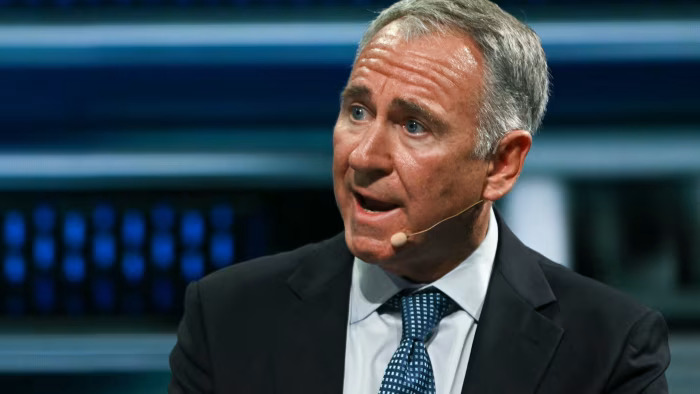
What He Usually Trades: Multi-strategy portfolios spanning equities, fixed income, credit, commodities, and systematic strategies. Citadel Securities processes a significant share of U.S. equity volume, providing unmatched market insight.
Best Trade: Steering Citadel through the 2022 bear market, generating $16 billion in profits while broad equity indices declined sharply.
Core Philosophy: Decentralized alpha generation with centralized risk control.
What Traders Can Learn From Him: Edge scales when risk is controlled centrally. Griffin demonstrates that diversification of strategies combined with disciplined risk oversight can generate consistent returns even in hostile markets.
Before his passing in 2024, Jim Simons proved that mathematics could outperform human intuition at scale. His work at Renaissance Technologies remains the gold standard for quantitative trading in 2026.
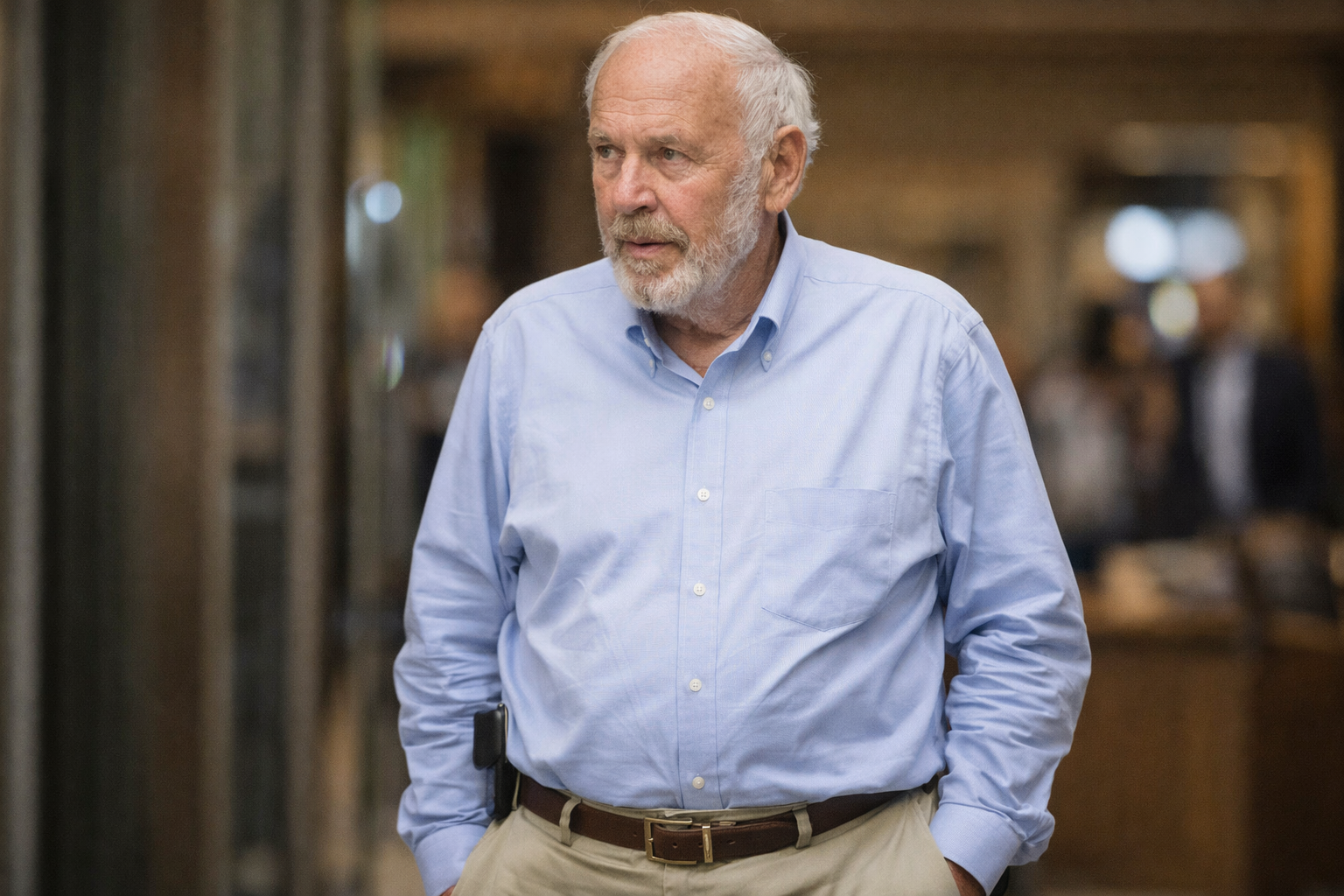
What He Usually Trades: Highly liquid futures, foreign exchange, and global equities, avoiding illiquid assets where statistical signals weaken.
Best Achievement: The Medallion Fund’s average annual return of roughly 66 percent before fees, making it the most profitable trading strategy ever recorded.
Core Philosophy: Markets contain repeatable patterns that disciplined models can exploit.
What Traders Can Learn From Him: Emotion is optional. Simons proved that removing intuition, opinions, and narratives from decision-making can unlock repeatable performance when models are rigorously tested and enforced.
Steven Cohen represents elite short-term equity trading at an institutional scale. His firm, Point72, remains a major force in global markets in 2026.
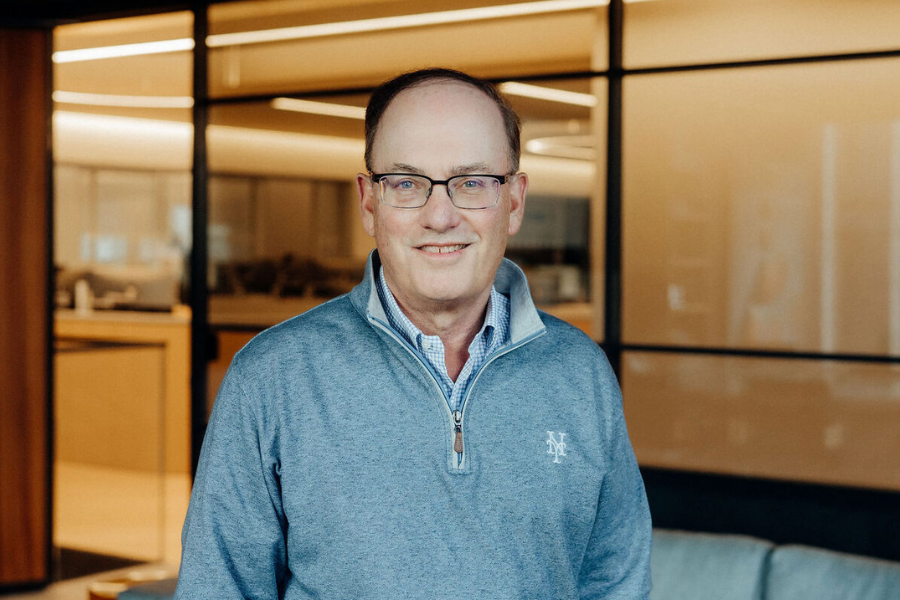
What He Usually Trades: Individual stocks driven by earnings, news flow, regulatory developments, and corporate catalysts.
Best Achievement: Building SAC Capital into one of the most profitable hedge funds ever and successfully reinventing the business model after its closure.
Core Philosophy: Sustainable edge determines long-term survival.
What Traders Can Learn From Him: Small edges compound when applied repeatedly. Cohen’s success shows that speed, preparation, and information discipline matter more than finding a single perfect trade.
Ray Dalio approaches markets through economic cause and effect. As founder of Bridgewater Associates, he remains one of the most influential macro traders in the world.
What He Usually Trades: Sovereign bonds, currencies, commodities, and equity indices using risk-parity frameworks.
Best Trade: Correctly positioning for the global inflation pivot in 2025, producing a 33 percent gain in Pure Alpha.
Core Philosophy: Understanding cycles is more important than forecasting headlines.
What Traders Can Learn From Him: Understanding economic mechanics reduces surprise. Dalio teaches that markets move in cycles, and positioning across scenarios is more durable than betting on forecasts.
Paul Tudor Jones built his reputation on pattern recognition and disciplined risk control.
What He Usually Trades: Macro futures, interest rates, commodities, gold, and digital assets such as Bitcoin.
Best Trade: Shorting the 1987 stock market crash was one of the most iconic trades in financial history.
Core Philosophy: Capital preservation is the first rule of trading.
What Traders Can Learn From Him: Risk control creates longevity. Jones emphasizes that avoiding large losses is more important than maximizing gains, especially during periods of extreme volatility.
George Soros defined modern macro trading through conviction and leverage.
What He Usually Trades: Currencies and sovereign debt markets under political and economic stress.
Best Trade: Shorting the British pound in 1992, earning roughly $1 billion in a single day.
Core Philosophy: Asymmetric outcomes matter more than win rates.
What Traders Can Learn From Him: Conviction matters when the asymmetry is right. Soros shows that when fundamentals and market psychology align, size and timing can define legendary outcomes.
Stanley Druckenmiller’s career is defined by consistency rather than spectacle.
What He Usually Trades: High-growth equities, interest rates, and currencies using a top-down macro framework.
Best Trade: Co-leading the 1992 pound short and avoiding losses for three consecutive decades.
Core Philosophy: Press hard when conviction is highest.
What Traders Can Learn From Him: Press winners, cut losers fast. Druckenmiller’s record highlights the importance of increasing exposure when probabilities are highest and exiting quickly when they change.
Bill Lipschutz remains one of the most respected currency traders of all time.
What He Usually Trades: G10 currency pairs, driven by macroeconomic data and sentiment shifts.
Best Achievement: Generating more than $300 million annually trading currencies at Salomon Brothers.
Core Philosophy: Risk management outweighs prediction accuracy.
What Traders Can Learn From Him: Being wrong is inevitable. Lipschutz teaches that position sizing and risk management matter far more than accuracy, especially in leveraged markets like FX.
Michael Burry built his reputation by identifying structural market blind spots.
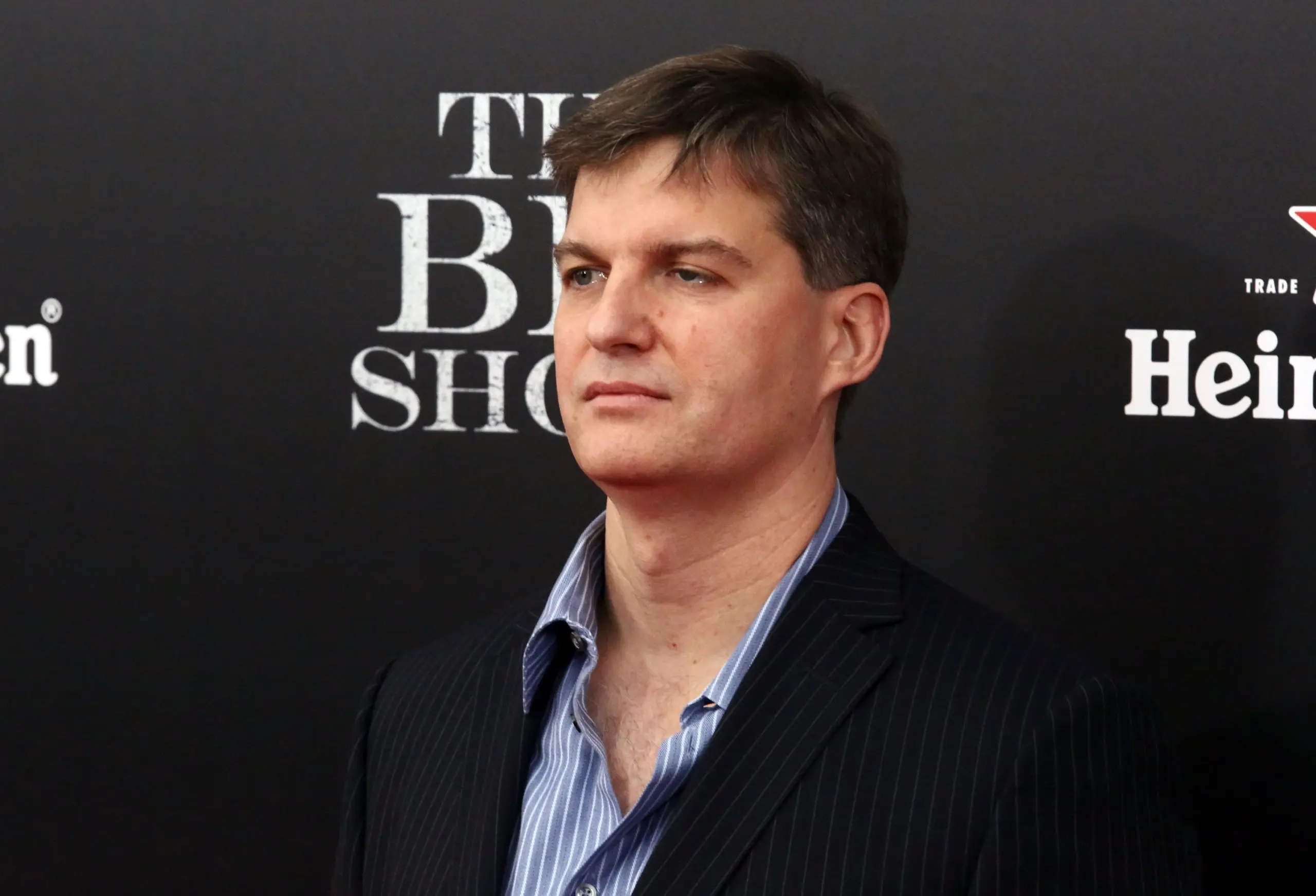
What He Usually Trades: Distressed assets, micro-cap equities, and broad market shorts using derivatives.
Best Trade: Anticipating the 2008 housing collapse through credit default swaps.
Core Philosophy: Markets misprice risk more often than they misprice optimism.
What Traders Can Learn From Him: Independent research is a competitive advantage. Burry’s success shows that patience and conviction, backed by deep analysis, can pay off when consensus is blind.
Jesse Livermore’s trading principles continue to shape modern momentum strategies.
What He Usually Trades: Commodities and momentum-driven stocks using price action and trend confirmation.
Best Trade: Shorting the 1929 stock market crash, generating the equivalent of billions in today’s dollars.
Core Philosophy: Patience captures the largest gains.
What Traders Can Learn From Him: Trends matter more than opinions. Livermore’s legacy reminds traders that major profits come from sitting with winning positions, not from constant action.
If you want to emulate the best trader in the world, you must move beyond simple stock picking. Analyzing these 11 titans reveals common pillars of success:
Strict Risk Management: Whether it’s Paul Tudor Jones’ 5:1 reward-to-risk ratio or Ray Dalio’s All Weather diversification, the goal is always capital preservation.
Specialization: Notice that each trader has a “territory.” Lipschutz doesn’t trade tech stocks, and Buffett doesn’t trade G10 currencies. They found an edge in a specific asset class and mastered it.
Adaptability: As we see in 2026, the markets are more automated than ever. The traders who survive are those who, like Ken Griffin and Steven Cohen, incorporate AI and quantitative models into their decision-making.
Infrastructure: Professional traders rely on robust platforms, transparent pricing, and reliable execution, especially in volatile conditions. Choosing a regulated, institutional-grade broker such as EBC Financial Group is now part of risk management itself.
Note: Trading involves significant risk. The legends on this list have all faced massive drawdowns. Never trade with money you cannot afford to lose.
There is no single definition, but Warren Buffett stands alone in total wealth creation, while Ken Griffin represents the pinnacle of modern active trading power. The answer depends on whether success is measured by long-term compounding, trading consistency, or market influence.
In 2026, the line between trading and investing has blurred. The most successful figures combine long-term capital allocation with tactical risk management, allowing them to survive volatility while compounding over decades.
AI has reduced simple inefficiencies, but it has not eliminated edge. Human judgment still dominates regime shifts, macro inflection points, and asymmetric risk decisions where data alone is insufficient.
There is no universal answer. Success comes from specialization, not asset selection, whether that is equities, macro futures, currencies, or systematic strategies.
Yes. Strategy determines opportunity, but risk management determines survival. Without strict risk control, even the best strategy eventually fails.
Some remain directly involved, while others influence markets through firms, capital allocation, or systems they built. Their relevance persists because their frameworks outlive their daily decision-making.
Yes, but only for those willing to specialize deeply and adapt continuously. As markets evolve, shallow strategies disappear, while disciplined, system-driven approaches endure.
There is no single formula for becoming the best trader in the world. The people on this list succeeded in very different ways, across different eras, using different tools. Some built fortunes by holding businesses for decades. Others traded currencies, futures, or stocks with speed and precision. What matters is that their results held up over time, through bull markets, crashes, and periods when most participants failed.
The common thread is discipline. Every trader here understood risk before chasing return. They specialized, stayed within their edge, and adjusted as markets changed. In 2026, that lesson matters more than ever.
Markets move faster, competition is relentless, and easy opportunities disappear quickly. Success comes from process, not prediction, and from patience, not excitement.
Disclaimer: This material is for general information purposes only and is not intended as (and should not be considered to be) financial, investment, or other advice on which reliance should be placed. No opinion given in the material constitutes a recommendation by EBC or the author that any particular investment, security, transaction, or investment strategy is suitable for any specific person.