Published on: 2026-01-12
Updated on: 2026-01-12
The Boursa Kuwait trading calendar sets out the specific days and hours when Kuwait’s stock market is open, as well as the official holidays and settlement breaks that affect trading throughout the year. For investors active across the Gulf and broader emerging markets, this calendar is a practical reference point that directly informs execution timing, liquidity planning, and operational decisions.
Kuwait’s equity market sits at the intersection of regional capital flows and global portfolio allocation, and its trading rhythm reflects both international market standards and local institutional realities.
Market hours, settlement cycles, and holiday closures play a direct role in liquidity conditions, execution quality, and operational risk management.
In 2026, Boursa Kuwait will continue to follow a clearly structured trading framework that prioritizes transparency and orderly price formation. For foreign investors, fund managers, and active traders, understanding when the market is open, when it is closed, and how holidays affect settlement timing is essential for disciplined portfolio planning and cross-market coordination.
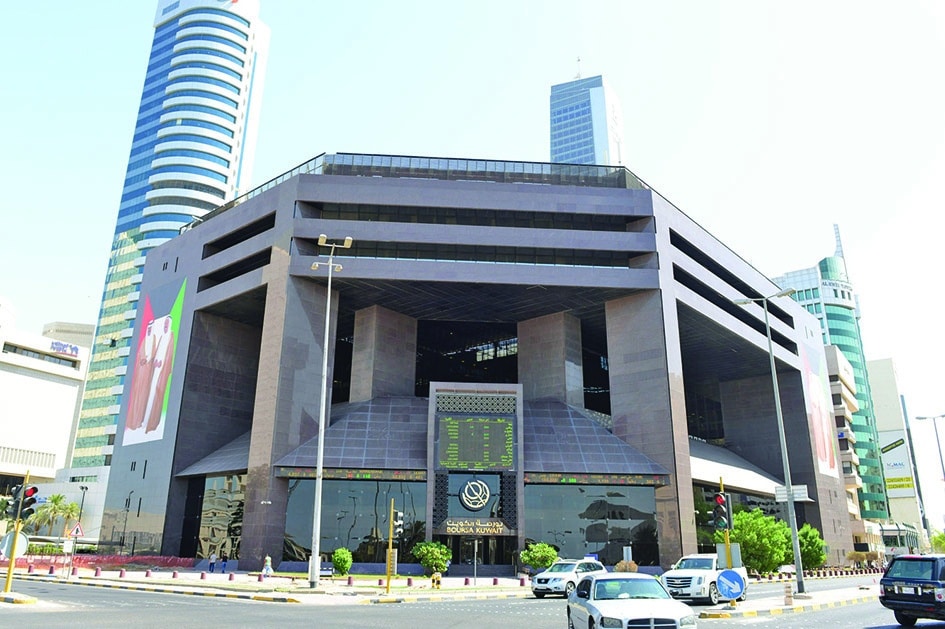
Boursa Kuwait operates as the sole securities exchange in the State of Kuwait, hosting equities, exchange-traded funds, and a range of listed instruments. Trading is conducted electronically and organized into multiple sessions that support efficient auctions at the open and close, followed by continuous trading.
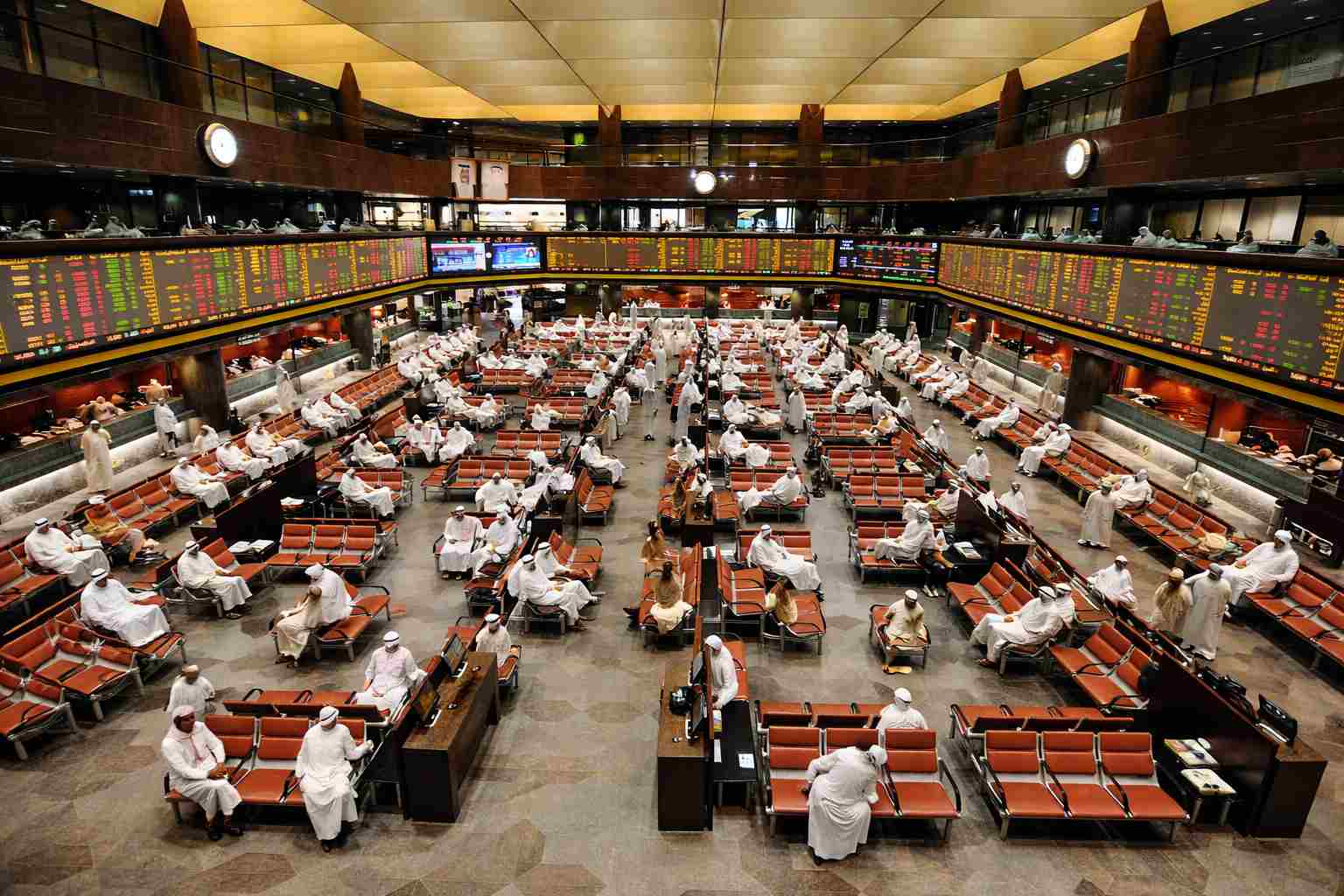 The exchange follows the Kuwaiti workweek, which differs from Western markets. Trading runs from Sunday through Thursday, while Friday and Saturday are designated weekend days.
This structure requires global investors to align execution strategies carefully, particularly when managing exposure across U.S., European, and Asian markets simultaneously.
Time Zone: Arabian Standard Time (AST), UTC +3
Daylight Saving: Not observed. Hours remain constant year-round.
| Session Name | From (AST) | To (AST) | Session Description |
|---|---|---|---|
| Enquiry | 7:00 AM | 9:00 AM | Market enquiry phase. Market status visibility and system access only. No trading activity. |
| Continuous Trading | 9:00 AM | 12:40 PM | Core trading session with continuous order matching and real-time execution. |
| Close of Trading | 12:40 PM | — | End of continuous trading. No new executions initiated beyond this point. |
| End of Day Session | 12:45 PM | 12:50 PM | Post-trading processes, confirmations, and system finalization. |
| Enquiry | 1:10 PM | 1:15 PM | Final enquiry window for market status and post-session checks. |
| Close of Day | 1:15 PM | — | Official market close for the trading day. |
This timetable applies to most listed equities and ETFs.
Certain instruments, special market segments, or corporate action days may follow specific session rules, but the core structure above defines the standard trading day.
Because Kuwait does not observe daylight saving time, international investors can rely on fixed UTC alignment throughout the year.
| Session Name | From (AST) | To (AST) | Session Description |
|---|---|---|---|
| Enquiry | 7:00 AM | 10:00 AM | Market enquiry and system access only. No trading activity. |
| Continuous Trading | 10:00 AM | 1:05 PM | Core trading session with continuous order matching and real-time execution. |
| Close of Trading | 1:05 PM | — | End of continuous trading. No further executions initiated. |
| End of Day Session | 1:10 PM | 1:15 PM | Post-trading processing and system finalization. |
| Enquiry | 1:15 PM | 1:20 PM | Final enquiry window for market status and post-session checks. |
| Close of Day | 1:20 PM | — | Official market close during Ramadan. |
Note: These hours apply only during the month of Ramadan. All times remain fixed year-round due to Kuwait’s non-observance of daylight saving time.
Open: Sunday to Thursday
Closed: Friday and Saturday
This Sunday-to-Thursday schedule is standard across Kuwaiti financial institutions and government bodies. For international investors, the most significant overlap with Western markets occurs during the early European trading session.
Boursa Kuwait observes a combination of fixed national holidays and Islamic holidays based on the lunar Hijri calendar. Islamic holiday dates are subject to moon sighting and are therefore provisional until officially confirmed. Investors should always verify final dates through official exchange announcements closer to each holiday.
New Year’s Day: January 1, 2026
Isra and Mi’raj: Expected February 17, 2026
National Day: February 25, 2026
Liberation Day: February 26, 2026
Eid Al-Fitr: Expected March 20 to March 22, 2026
Arafat Day: Expected May 26, 2026
Eid Al-Adha: Expected May 27 to May 29, 2026
Islamic New Year (Hijri New Year): Expected June 16, 2026
Prophet Muhammad’s Birthday: Expected August 25, 2026
When holidays fall close to weekends, extended closures are common. In such cases, trading resumes on the next official working day as announced by the exchange.
Market holidays in Kuwait tend to cluster around religious observances, often resulting in multi-day closures. These extended breaks can have several market implications:
Reduced liquidity before holidays, as institutional investors adjust positions ahead of closures
Wider bid-ask spreads in the final sessions before long breaks.
Delayed settlement processing, particularly for cross-border transactions
Increased volatility upon reopening, especially if global markets move significantly during the closure
Investors with short-term strategies or leveraged positions should pay close attention to these periods to avoid unintended exposure.
Boursa Kuwait operates on a T+2 settlement cycle, meaning trades are settled two business days after execution. Holidays and weekends are excluded from settlement counting. As a result, trades executed shortly before extended holidays may experience longer-than-usual settlement timelines.
This is especially relevant for:
Foreign investors managing currency conversions
Margin accounts with funding deadlines
Corporate actions tied to record dates
Portfolio rebalancing aligned with index changes.
Careful scheduling around holidays helps reduce operational risk and unexpected funding pressures.
For foreign investors, trading on Boursa Kuwait extends beyond aligning execution with market hours. Ownership structures, custody arrangements, and settlement mechanics introduce additional operational layers that become especially important around holidays, settlement pauses, and record-date events. Key considerations include:
Foreign investors typically operate through a combination of local and global custodians. Any mismatch between trading days, settlement calendars, or holiday observance across jurisdictions can delay confirmations, securities delivery, or cash movements. Proactive coordination between brokers, custodians, and settlement agents is essential, particularly ahead of extended market closures.
Equity trades may settle on schedule while related currency conversions face delays due to banking holidays or differing FX settlement cycles. Investors managing multi-currency portfolios should account for these timing gaps to avoid funding mismatches, temporary overdrafts, or unintended currency exposure.
Corporate actions such as dividends, rights issues, and voting entitlements are determined by record dates rather than trade dates. When market holidays intervene, trades executed close to a record date may not settle in time to establish legal ownership. This can affect both economic and governance rights if not carefully planned.
For institutional and cross-border investors, aligning execution decisions with both the trading calendar and the settlement framework is critical.
Kuwait has grown in prominence within emerging market portfolios, particularly following increased foreign accessibility and regulatory modernization. The predictability of Boursa Kuwait’s trading hours supports long-term investors, while the distinct holiday calendar requires tactical awareness.
Key strategic considerations include:
Aligning Kuwait exposure with GCC and global markets
Avoiding execution during thin pre-holiday sessions
Planning rebalancing activity around confirmed holiday announcements
Coordinating custodians and brokers across jurisdictions
For asset managers running multi-market strategies, Kuwait’s calendar should be treated as a core planning input rather than a secondary detail.
No. Boursa Kuwait is closed every Friday and Saturday, which aligns with Kuwait’s official weekend. Trading activity resumes on Sunday, the first business day of the local workweek.
No. Kuwait does not observe daylight saving time, so Boursa Kuwait’s market hours remain the same throughout the year. This consistency helps investors plan execution and settlement without seasonal time adjustments.
Yes. Islamic holidays are determined by lunar observations and may shift by one day depending on moon sighting. Final holiday dates are officially confirmed and announced closer to the event.
In most cases, Boursa Kuwait closes fully on official holidays rather than operating shortened trading sessions. If any changes to normal trading hours occur, they are formally communicated in advance by the exchange.
Market holidays pause the settlement cycle, meaning non-working days are excluded from settlement calculations. Trades executed shortly before a holiday may therefore take longer to settle, especially when extended closures are involved.
Boursa Kuwait’s trading holidays and market hours in 2026 reflect a balance between international market practices and regional tradition. This calendar is more than a schedule; it is a framework that shapes liquidity, execution quality, and operational efficiency in the trading market.
By planning around official trading sessions, confirmed market holidays, and applicable settlement timelines, investors can participate in Kuwait’s equity market with greater confidence, control, and strategic discipline throughout the year.
Disclaimer: This material is for general information purposes only and is not intended as (and should not be considered to be) financial, investment, or other advice on which reliance should be placed. No opinion given in the material constitutes a recommendation by EBC or the author that any particular investment, security, transaction, or investment strategy is suitable for any specific person.