Published on: 2025-04-15
Updated on: 2026-06-03
Understanding what can be traded in a commodities market is crucial in 2026 because raw-material prices are again shaping inflation, supply chains and investment risk. Energy markets are absorbing Middle East disruption, gold demand remains historically elevated, and copper has become central to AI infrastructure, power grids and electrification.
This is no longer a textbook question about oil, gold and wheat. The World Bank’s April 2026 Commodity Markets Outlook projects average commodity prices to rise 16% in 2026, the first annual increase since 2022, with energy prices forecast to rise 24% after major supply shocks. That gives commodity markets renewed importance for traders, companies and policymakers.
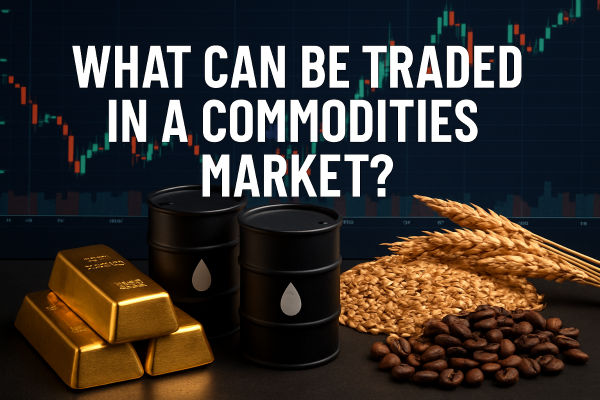
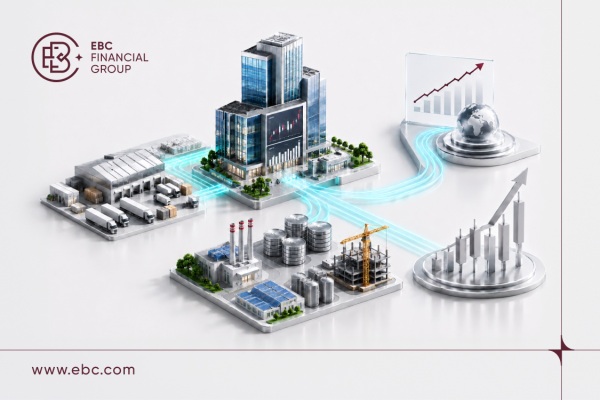
Commodities markets cover six major groups: energy, metals, agriculture, livestock, forest products and niche raw materials.
Energy remains the most macro-sensitive category because crude oil, gas and refined fuels affect inflation, transport and industrial costs.
Metals now split into two stories: gold as a reserve and safe-haven asset, and copper as a strategic input for AI, grids and electrification.
Agriculture trades weather, harvests, export flows and food-security risk, while coffee and cocoa remain vulnerable to concentrated supply.
Livestock markets are driven by herd size, feed costs, disease risk and consumer demand, with cattle prices supported by tight supply.
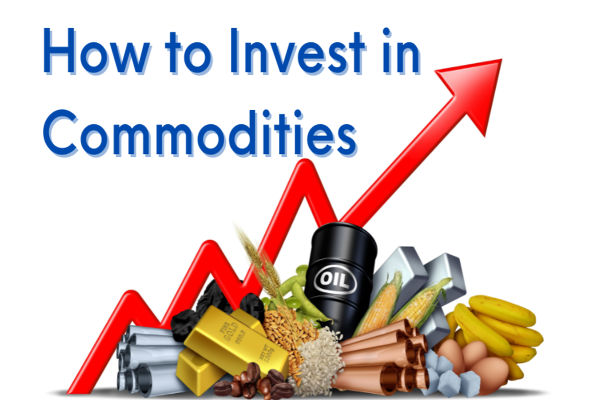
Commodities can be traded through spot markets, futures, options, ETFs and, where permitted, CFDs.
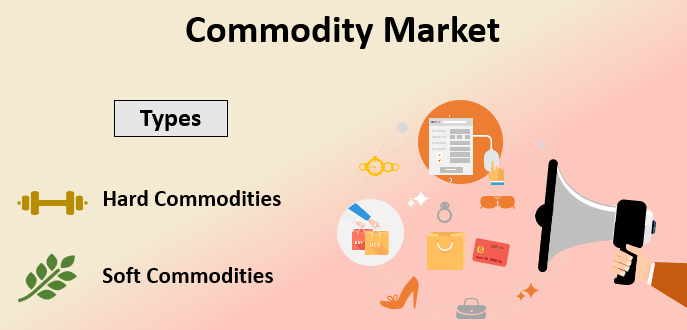
A commodities market is a marketplace where raw materials are bought, sold or priced for future delivery. Producers use these markets to hedge revenue. Manufacturers and airlines use them to manage input costs. Traders and investors use them to express views on inflation, currencies, supply shocks and global growth.
Commodities are usually divided into hard commodities and soft commodities. Hard commodities are mined or extracted, including crude oil, natural gas, gold, copper and nickel. Soft commodities are grown, harvested or raised, including wheat, coffee, cocoa, cotton, cattle and hogs.
The key feature is standardisation. A barrel of WTI crude, a COMEX copper contract or a bushel of wheat must meet defined specifications. That allows global markets to price physical supply and financial risk through liquid, transparent contracts.
| Commodity Category | Key Examples | Primary Price Driver | 2026 Market Signal |
|---|---|---|---|
| Energy | Crude oil, natural gas, gasoline, diesel | Supply disruption, OPEC+ policy, demand cycles | Energy prices remain exposed to geopolitical shocks |
| Precious metals | Gold, silver, platinum, palladium | Safe-haven demand, real yields, reserves | Gold demand remains historically elevated |
| Industrial metals | Copper, aluminium, nickel, zinc | Manufacturing, grids, AI infrastructure, EV demand | Copper demand is increasingly tied to data centres and electrification |
| Agriculture | Wheat, corn, soybeans, coffee, cocoa, sugar | Weather, crop yields, trade flows | Supply recovery may ease some beverage-price pressure |
| Livestock | Live cattle, feeder cattle, lean hogs | Herd size, feed costs, disease, meat demand | Cattle prices remain supported by limited supplies |
| Forest and niche products | Lumber, pulp, rubber, wool, dairy | Housing, packaging, climate, consumer demand | Smaller markets remain cyclical and less liquid |
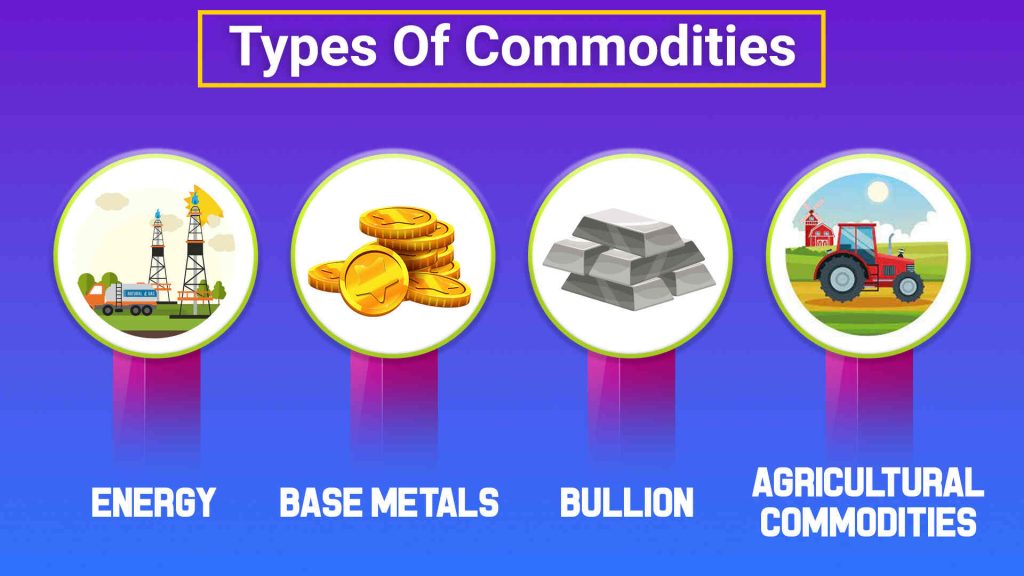
Energy commodities sit at the centre of global inflation because they affect transport, manufacturing, electricity, fertilisers, plastics and household costs. The main tradable energy products are crude oil, natural gas, gasoline, diesel and heating oil.
Crude oil is the benchmark commodity for global growth and geopolitical risk. Brent and WTI prices respond to OPEC+ production policy, shipping routes, inventories, refinery demand and currency movements. In 2026, oil is not only an OPEC+ story. It is also a market shaped by Middle East disruption, demand destruction and the risk premium attached to energy security.
Natural gas is more regional. US prices depend heavily on domestic production, storage and weather. European gas remains sensitive to LNG imports, winter heating demand and geopolitical supply risk. Asian LNG links gas markets to industrial demand and long-term energy security.
Refined products such as gasoline and diesel track crude oil but can move independently when refinery outages, seasonal demand or inventory shortages tighten local supply.
Metals trade across two different market narratives. Precious metals behave partly like financial assets. Industrial metals behave more like indicators of construction, manufacturing and technology investment.
Gold is the clearest example of a commodity with monetary characteristics. It responds to real interest rates, the US Dollar, inflation expectations, central-bank reserves and geopolitical stress. Global gold demand exceeded 5,000 tonnes in 2025 for the first time, while central-bank purchases reached 863 tonnes, keeping reserve diversification central to the market.
Silver sits between precious and industrial demand. It can follow gold during safe-haven rallies, but it is also used in solar panels, electronics and electrical applications. Platinum and palladium are more closely tied to automotive demand, catalytic converters and substitution trends as electric vehicles change long-term consumption patterns.
Copper is the key industrial metal for the current cycle. It is used in wiring, power grids, buildings, EVs, data centres and defence systems. S&P Global’s 2026 copper outlook links future demand to electrification, digitalisation, AI, data centres, electric vehicles and defence.
Aluminium also matters for transport, aircraft, packaging, construction and power systems. Because smelting is energy-intensive, aluminium prices are highly sensitive to electricity costs and regional power availability.
Agricultural commodities include grains, oilseeds and soft commodities. Wheat, corn, soybeans and rice form the core of global food security. Coffee, cocoa, sugar and cotton sit closer to consumer demand, weather cycles and concentrated producer-country supply.
Grains react quickly to drought, floods, planting intentions and export restrictions. Wheat is especially sensitive to Black Sea supply and food-security policy. Corn links food, animal feed and ethanol. Soybeans trade on China demand, crush margins, biofuel policy and South American harvests.
Soft commodities can be more volatile because production is often concentrated in specific regions. Coffee depends heavily on Brazil and Vietnam. Cocoa depends on West African output, crop disease and farmer economics. Sugar trades on Brazil and India’s harvest cycles, ethanol incentives and weather.
The 2026 signal is more balanced than the shortage narrative of 2024 and 2025. Beverage prices surged during that period, but the World Bank expects some moderation as coffee and cocoa supplies recover. Volatility remains likely, but the market is no longer defined only by scarcity.
Livestock commodities include live cattle, feeder cattle and lean hogs. These markets are smaller than oil or gold but important for food inflation because they feed directly into beef and pork prices.
Cattle prices are being supported mainly by tight supply. USDA’s latest cattle outlook says 2026 cattle prices are projected to reach new highs as supplies remain limited. Feed costs still matter, but herd contraction and restricted cattle availability are the stronger price signals.
Lean hogs follow a different cycle. Pork prices depend on slaughter weights, disease outbreaks, feed margins, export demand and substitution. When beef becomes expensive, some consumer demand can shift toward pork or poultry, affecting relative prices across the protein complex.
Forest products include lumber and pulp. Lumber is tied closely to housing, renovation demand, mortgage rates and North American supply. Pulp responds to packaging, paper demand, e-commerce trends and environmental regulation.
Other tradable commodities include rubber, wool and dairy products such as milk, butter and cheese. These markets are less visible than crude oil or gold, but they matter for tyres, textiles, food manufacturing and consumer prices.
Liquidity is usually thinner in these smaller markets. That can create sharper price moves when supply disruptions occur, making contract size, volume and delivery rules especially important.
Commodities can be traded through several instruments. The spot market reflects immediate or near-term physical pricing. It is most relevant for producers, refiners, merchants and industrial buyers.
Futures contracts are standardised agreements to buy or sell a commodity at a future date. They are widely used for hedging and speculation because they offer liquidity, transparent pricing and leverage.
Options on futures give traders the right, but not the obligation, to buy or sell a futures contract at a set price. They are often used to manage event risk around inventories, weather, central banks or geopolitical shocks.
Commodity ETFs provide exposure without direct futures trading. Some hold physical metals, while others track futures or commodity-linked equities. CFDs, where available, allow traders to speculate on price movements without owning the underlying asset, but leverage can magnify losses as well as gains.
Commodity prices move through supply, demand, geopolitics, weather, currencies and interest rates. Supply shocks matter most when inventories are low or production is concentrated. Demand matters because commodities are tied to real economic activity, from construction and manufacturing to transport and electricity use.
The US Dollar is also important because most global commodities are priced in dollars. A stronger Dollar can pressure demand from non-US buyers, while a weaker Dollar can support metals and energy. Interest rates affect storage costs, financing conditions and demand for non-yielding assets such as gold.
Crude oil is generally treated as the world’s most influential traded commodity because it has deep futures liquidity and affects inflation, transport, industry and geopolitics. Brent and WTI are the main global benchmarks.
Beginners can access commodities through ETFs, CFDs or smaller contracts where available. However, commodities can be volatile, and leveraged products increase risk. New traders should understand margin, spreads, rollover costs and contract size before trading.
Spot trading reflects the current price for immediate or near-term delivery. Futures trading uses standardised contracts for settlement or delivery at a future date. Futures are more common for hedging and speculation.
The required capital depends on the product. ETFs may require only the price of a share. Futures and CFDs require margin, which varies by market and provider. Minimum margin should not be treated as the same thing as safe trading capital.
Commodities markets trade the raw materials that define inflation, industrial growth and supply-chain risk. Energy, metals, agriculture, livestock, forest products and niche materials each follow different price drivers, but all translate physical scarcity into market prices.
For 2026, the key signals are clear. Energy is balancing geopolitical disruption against weaker demand. Gold remains supported by reserve diversification and safe-haven flows. Copper is increasingly tied to AI infrastructure and electrification. Agriculture is moving from shortage pressure toward selective supply recovery, while livestock remains constrained by tight herds.
Knowing what can be traded in a commodities market is the foundation. Knowing why each category is moving now is what turns a list of raw materials into a usable market framework.