Published on: 2026-04-09
Updated on: 2026-04-09
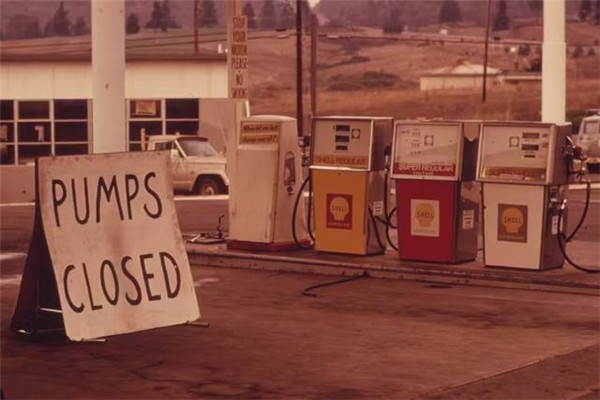
In early 2026, US inflation progress slowed but did not reverse. February CPI rose 2.4% year-over-year, with core CPI at 2.5%. Energy remained a minor factor until the Middle East shock, which drove crude prices higher and introduced new market risks. By late March, average US petrol prices exceeded $4 per gallon for the first time since August 2022, rising about 36% during the month.
This makes the second week of April especially important. Key data releases include the March US jobs report on 3 April, CPI on 10 April, and PPI on 14 April. The Fed meets on 28–29 April, followed by the ECB on 29–30 April. During this period, markets will shift from reacting to the shock to assessing its impact on inflation, growth, and policy expectations.
Markets quickly move beyond headlines to consider how the shock spreads. The key question is whether higher oil prices remain limited to fuel and direct energy costs or begin to affect a broader range of prices, inflation expectations, wages, and central bank policy. This is why April’s data is critical. The focus is not just on whether inflation rises, but on whether a broader inflation process is emerging. Fed and ECB officials are already discussing inflation expectations and potential second-round effects.
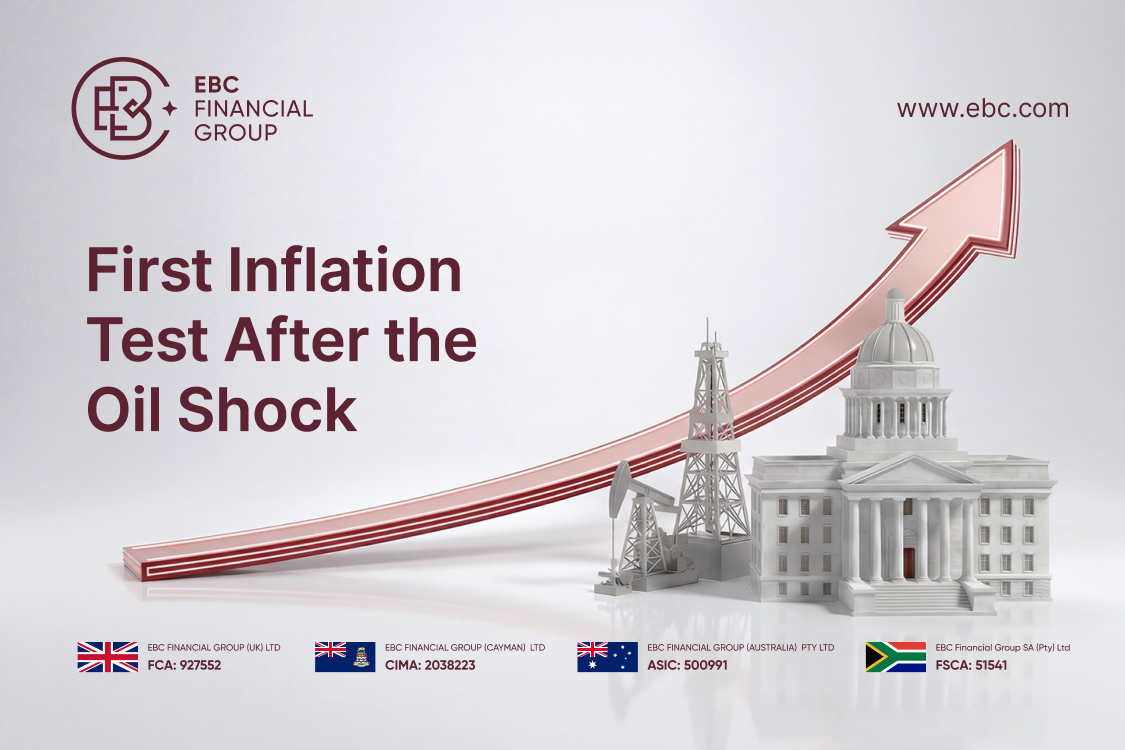
Some inflation releases shape policy expectations. Others change the market’s broader story. This one could do both.
When the Fed left rates unchanged at 3.5% to 3.75% on 18 March, it made clear that the economic effects of developments in the Middle East were still uncertain. That mattered because it showed the shock was no longer being treated as a narrow energy issue. It had become a question of both inflation and growth. Since then, the gap between economists' forecasts and market pricing has widened. Reuters polling still pointed to rates staying on hold until at least September, while markets had moved in a more hawkish direction and largely priced out cuts this year. That leaves the April CPI release with unusual weight. A broad and sticky upside surprise would strengthen the higher-for-longer view. A hotter reading driven mainly by fuel, with calmer detail underneath, would make the late-March repricing look less decisive. Fed officials have already hinted that this distinction matters. Michael Barr warned that another price shock could lift longer-term inflation expectations if firms and households start adjusting prices and wages. Jeff Schmid went further, saying that higher oil prices could lift not just headline inflation but also core readings.
The immediate effects of an oil shock are clear: petrol and diesel prices rise, quickly noticed by consumers and politicians. Broader economic impacts, such as higher costs in transport, logistics, packaging, chemicals, and food production, emerge more gradually. Some businesses absorb these costs temporarily, while others pass them on. As a result, a single inflation report can provide insight but is not definitive. March CPI may reveal initial pass-through effects, but it will not resolve the entire issue.
The key issue is the nature of the inflation. If increases are concentrated in energy-related categories, markets may view the shock as painful but contained. If broader price pressures emerge, the situation becomes more complex and challenging for central banks. This was highlighted in ECB discussions: Joachim Nagel, President of Germany’s Bundesbank,supported considering an April rate hike and emphasised monitoring price increases beyond energy and wages, while Christodoulos Patsalides, Governor of the Central Bank of Cyprus,argued there was no evidence of entrenched inflation and cautioned against premature action.
The first indicator to monitor is the relationship between headline and core CPI. If headline inflation rises sharply while core remains stable, markets may interpret this as a significant first-round energy effect with limited broader impact. Europe recently demonstrated this pattern: euro area inflation increased to 2.5% in March from 1.9% in February, partly due to a 4.9% rise in energy costs, while core inflation eased to 2.3%. This suggests the shock is more evident in headline figures than in underlying trends.
If both headline and core inflation exceed expectations, the situation is more serious, indicating early signs of broader pass-through. This would heighten concerns that rising oil prices are influencing inflation expectations and could justify maintaining restrictive rates. Barr’s emphasis on vigilance and Schmid’s warning about higher oil affecting core inflation support this view, as does the Fed’s March statement on carefully assessing new data and risks.
The second key indicator is the Producer Price Index (PPI) on 14 April. While consumer inflation draws attention, producer prices reveal whether cost pressures are building earlier in the supply chain. If CPI appears stable but PPI rises sharply, markets may conclude that inflation risks have been postponed rather than resolved. This underscores the importance of the full sequence of April data.
The third factor is the interaction between inflation data and labour market conditions. The March jobs report, released a week earlier, showed signs of a softening labour market. Reuters reported on 31 March that job openings fell to 6.882 million in February, hiring dropped to 4.849 million, and 12-month consumer inflation expectations rose to 5.2%, the highest since May 2025. A weak jobs report followed by high CPI would be more concerning than strong employment data with the same inflation figure, increasing the risk of stagflation.
While comparisons to 2022 are natural, they require caution. In 2022, central banks were exiting ultra-loose policies amid post-pandemic demand distortions and robust labour markets. Currently, policy is tighter and growth is less certain. Reuters noted that the 2022 approach may not suit all central banks if the energy shock intensifies. UBS analysis anticipates greater policy divergence than during the previous inflation wave.
This distinction is important because oil prices above $100 do not prompt uniform monetary responses. The euro area faces greater exposure to imported energy stress, and the ECB focuses solely on inflation. The US already has a tighter policy stance and a softer labour market compared to previous years. Reuters’ 31 March report highlighted that while US consumer confidence rose to 91.8, job openings and hiring declined, unemployment increased to 4.4% in February, and inflation expectations rose sharply. This environment is less favourable than in 2022.
Europe faces its own challenges. While euro area headline inflation is above target, core and services inflation both eased in March. This divergence explains policymakers’ differing views: Nagel supports keeping an April rate hike as an option, while Patsalides cautions against acting without evidence of broader price spillovers. These differences reflect genuine uncertainty about whether the shock is temporary or signals a more persistent issue.
For the Fed, the challenge is clear: a supply shock can raise inflation and strain growth, but monetary policy cannot address the root causes such as oil supply or infrastructure disruptions. The Fed can only respond to how these shocks affect expectations, wages, and prices. This explains why Powell and other officials remain cautious about reacting too strongly to initial energy moves, even as concerns about inflation risk grow. Reuters’ economist poll still anticipates a rate hold until at least September, though this outlook is being tested by new data.
The ECB faces an even more immediate challenge, as inflation pressures are stronger and growth appears more fragile. In March, euro area inflation was 2.5%, with energy up 4.9%, while services inflation slowed to 3.2% and core inflation eased to 2.3%. This mix complicates the April meeting. While central banks can often overlook a one-off supply shock, it becomes difficult if households and firms start to expect persistent price increases.
A higher-than-expected CPI reading would likely raise front-end yields and support the dollar, reinforcing expectations of prolonged restrictive US policy. However, market reactions may remain mixed. Equity markets must distinguish between energy beneficiaries and sectors more vulnerable to margin pressures, borrowing costs, and weaker demand. This differentiation is already evident. Reuters reported on 31 March that the S&P 500 was on track for its worst quarter since 2022 due to war and rate concerns, even before hopes of de-escalation improved sentiment.
Gold illustrates the complexity of cross-asset movements. It declined over 11% in March as rising oil prices fueled inflation concerns and hawkish policy expectations, then rebounded on 1 April as the dollar weakened and hopes for de-escalation increased. This does not indicate gold has failed as a defensive asset; rather, multiple factors—including the dollar, real yields, oil, and geopolitics—are influencing its price. Similar complex reactions may occur in other markets following the CPI release.
The first inflation test after the oil shock is important because it helps markets identify the nature of the challenge. If March CPI is high mainly due to energy, investors may view the shock as painful but contained. If broader underlying pressures emerge, the narrative shifts to include policy, yields, and growth risks.
This is the key perspective for the second week of April. The main question is not if inflation rises after a supply shock, but how far and how quickly the shock spreads, and whether central banks believe they can wait. April’s data may provide early indications of whether the shock remains contained or is spreading, though full resolution will require more time. Investors are reminded that all data releases carry inherent uncertainty. April’s data may provide early indications of whether the shock remains contained or is spreading, though full resolution will require more time. Investors are reminded that all data releases carry inherent uncertainty.
Disclaimer & Citation
This material is for information only and does not constitute a recommendation or advice from EBC Financial Group and all its entities (“EBC”). Trading Forex and Contracts for Difference (CFDs) on margin carries a high level of risk and may not be suitable for all investors. Losses can exceed your deposits. Before trading, you should carefully consider your trading objectives, level of experience, and risk appetite, and consult an independent financial advisor if necessary. Statistics or past investment performance are not a guarantee of future performance. EBC is not liable for any damages arising from reliance on this information.