Published on: 2026-06-08
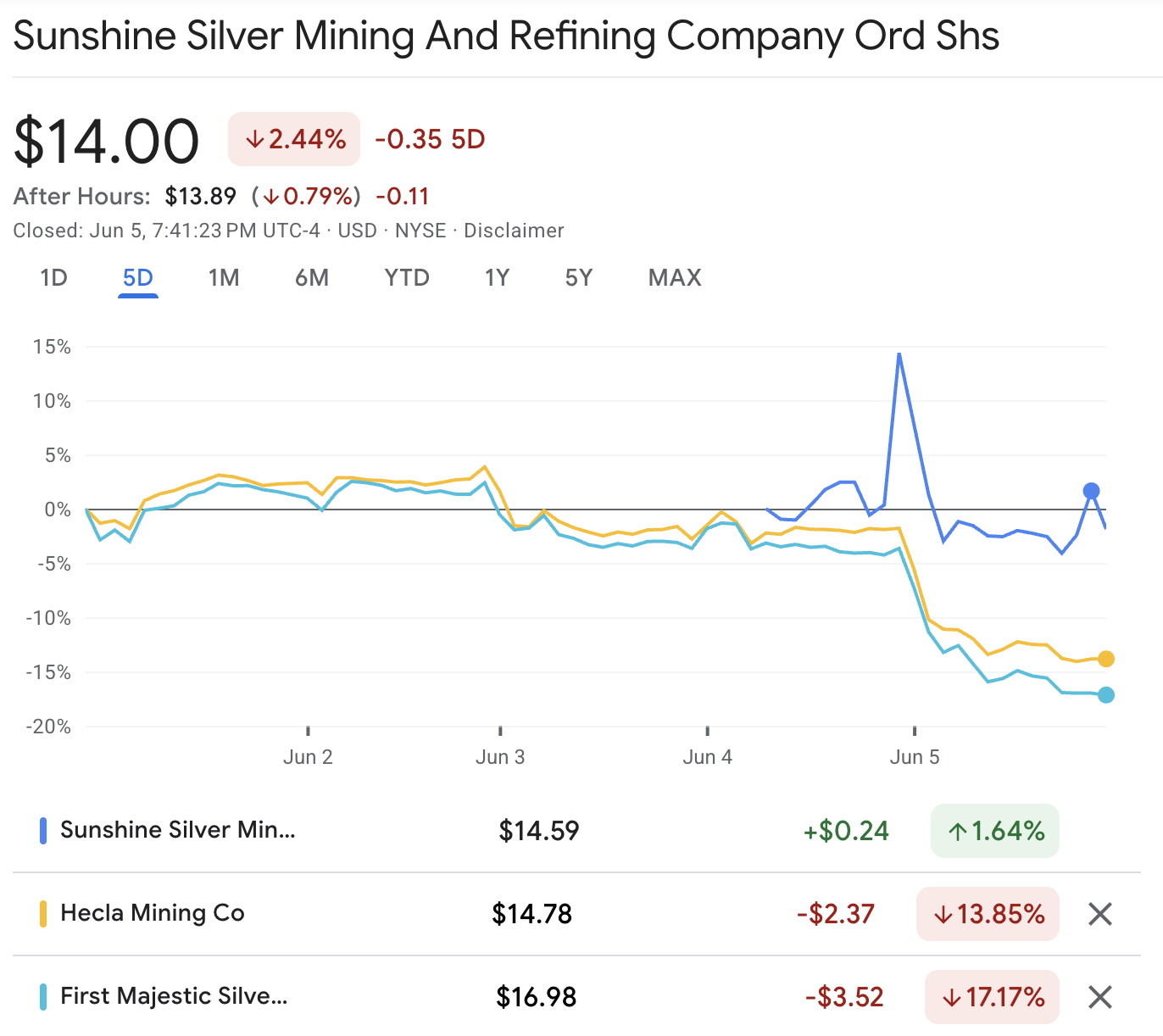
Sunshine Silver Mining & Refining (NYSE: SSMR) priced 20 million shares at $13.50 on June 3, initially raising $270 million, before underwriters exercised the full 3 million-share over-allotment option, lifting gross proceeds to about $310.5 million at the June 5 closing. SSMR stock began trading June 4 and closed its first session up 27%, even as a hot jobs report pushed silver down toward the $68 to $70 area the following day.
The deal found buyers because the silver market has a structural problem. Silver is heading for its sixth consecutive annual silver supply deficit, projected by the Silver Institute to widen to roughly 46 million ounces in 2026, and the metal remains up more than 80% over the past year despite a steep retreat from January’s record above $120.
Deficits persist that long because new primary silver supply takes years to build. SSMR is the supply response arriving in public-market form, which is both its appeal and its caveat: the company is not expected to produce before its late-2028 restart target.
SSMR priced at $13.50, the low end of its range, with the full over-allotment lifting gross proceeds to about $310.5 million at the June 5 closing. Morgan Stanley, Scotiabank, and BMO led the deal, which valued the company near $1.9 billion at pricing, not the headline raise some aggregators have mislabeled as market cap.
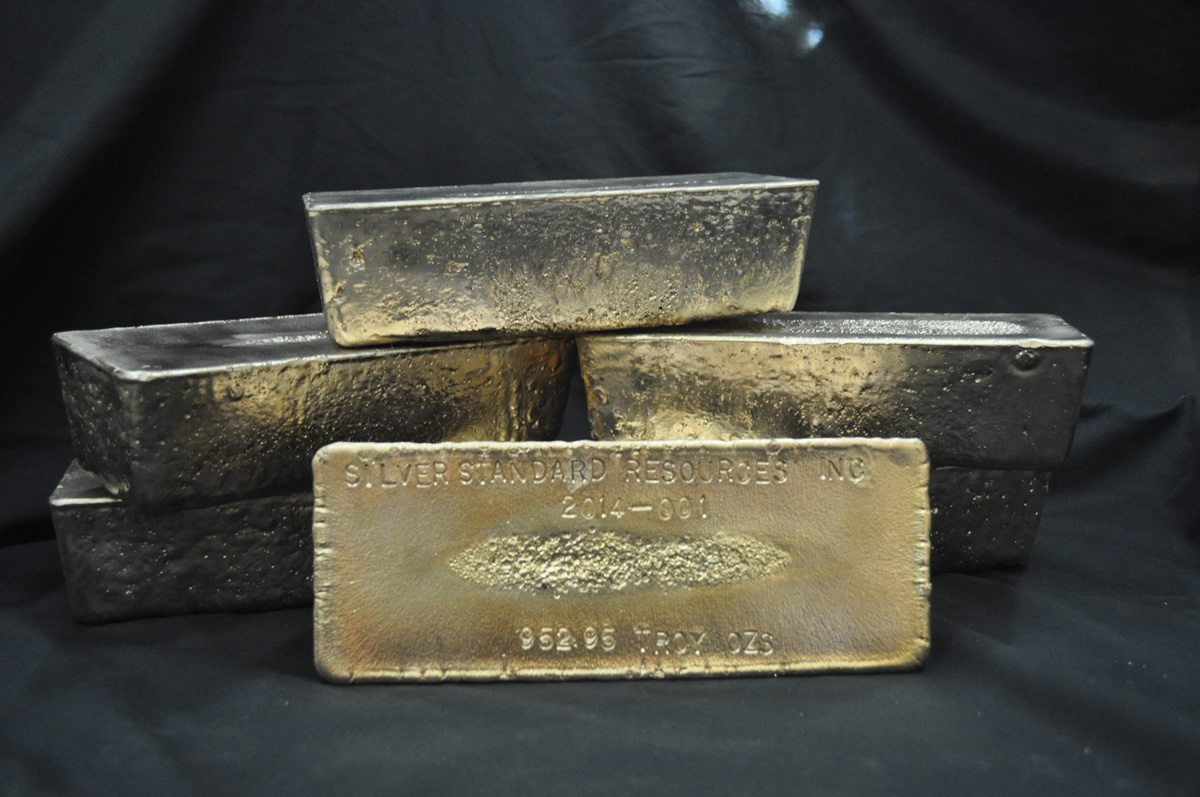
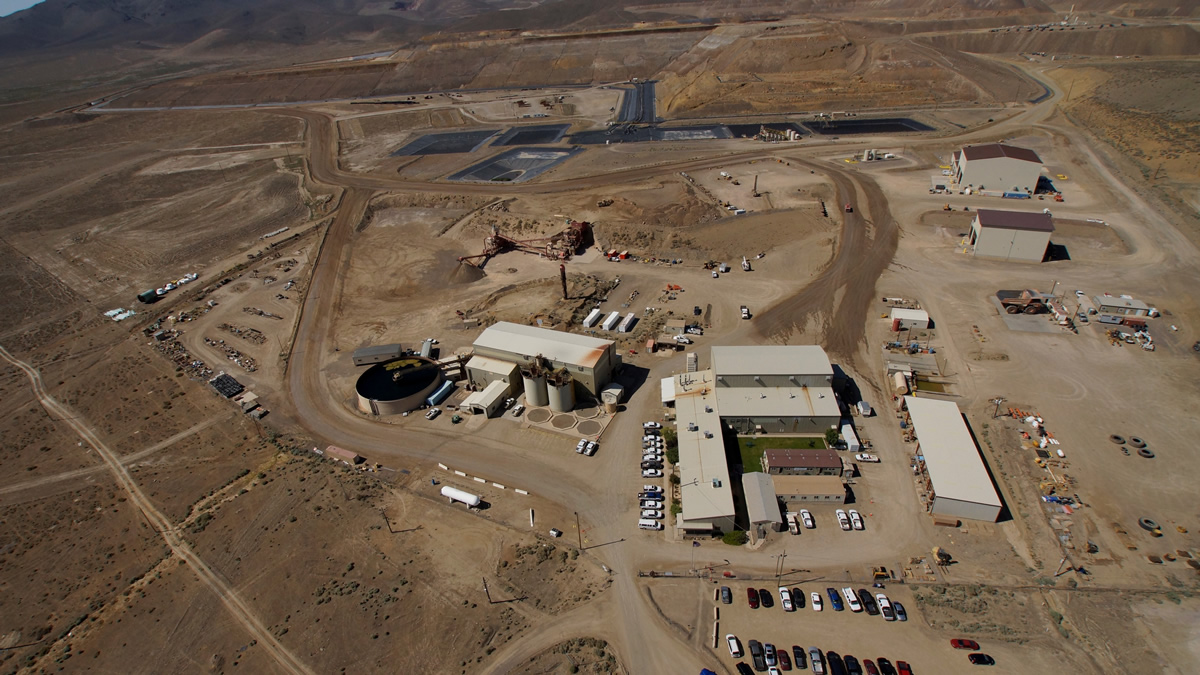
The Sunshine Mine in Idaho’s Silver Valley produced more than 360 million ounces before closing in the early 2000s, and holds 104 million ounces of indicated and 160 million ounces of inferred silver resources. Major restart permits are in hand, and the company says no new environmental impact study is required.
The technical report projects about 6.7 million ounces a year over the first five years and 5.8 million over a 24-year life, at an all-in sustaining cost of $18.81 per ounce, competitive with Hecla’s neighboring Lucky Friday mine and well below First Majestic’s current costs.
A planned antimony plant with capacity to supply up to 60% of US demand adds a critical-minerals leg that pure silver peers lack.
The risk is stage: SSMR targets first production in late 2028, the proceeds fund three feasibility studies, and its pricing valuation already exceeds the technical report’s $1.43 billion base-case net present value.
The Sunshine Mine produced more than 360 million ounces of silver from the early 1900s until operations ceased in the early 2000s.
Over its last five full years of production, 1996 through 2000, the mine produced ore containing 23.0 million ounces of silver, 4.7 million pounds of antimony, 5.7 million pounds of copper, and 38.4 million pounds of lead, with average metallurgical recoveries of 97% for silver, antimony, and copper and 93% for lead, per the company’s S-1 registration statement.
Since Electrum acquired the complex in 2010, about $208 million has gone into dewatering, underground redevelopment, ventilation, equipment, and a tailings facility. The prospectus states the major permits to restart mining, milling, and refining are already held, with no environmental impact study required.
In a US permitting environment that routinely consumes a decade, that sentence is the asset’s scarcest feature, and it is why a development-stage company could command a ten-figure valuation on debut.
The cleanest way to test the supply story is against companies already mining silver. The geography helps: Hecla’s Lucky Friday mine operates in the same Coeur d’Alene district of northern Idaho as the Sunshine, making it the nearest real-world benchmark, operationally and literally.
| Company | Status | Silver production | Cost benchmark |
|---|---|---|---|
| SSMR (projected) | Development, late-2028 restart target | ~6.7M oz/yr first five years; 5.8M oz/yr over 24-year life | AISC $18.81/oz life-of-mine, $16.26 first five years, excluding by-product credits |
| Hecla (HL) | Producing | 15.1M to 16.5M oz 2026 guidance | Consolidated AISC $15.00 to $16.25/oz after by-product credits; Lucky Friday Q1 AISC $23.78/oz |
| First Majestic (AG) | Producing | 3.5M silver oz in Q1 2026 | Q1 2026 AISC $29.76/AgEq oz; 2026 guidance $26.15 to $27.91 |
Two readings come out of that table, and both need a methodology caveat. First, SSMR’s projected costs would be genuinely competitive: below First Majestic’s actuals, below Lucky Friday’s current quarter, and in the neighborhood of Hecla’s consolidated guidance.
Notably, SSMR’s figure excludes potential copper and lead by-product credits, while peers report after credits, so the comparison is conservative in SSMR’s favor.
Second, the caveat: SSMR’s numbers are study projections and the peers’ are reported operating results. Hecla earned its costs through a quarter of mining; SSMR’s exist in a model. The history of mine restarts says projected costs are a floor estimate more often than a ceiling.
Valuation is where the comparison gets uncomfortable. At its $13.50 pricing, SSMR was valued near $1.9 billion, above the technical report’s after-tax base-case net present value of about $1.43 billion at a 5% discount rate.
Paying a premium to NPV is common for scarce, permitted US assets, and the report’s value depends heavily on its silver price assumptions, which investors should check against a spot price near $68 to $70.
But it means the stock already credits management with flawless execution plus something extra. Hecla, by contrast, generates free cash flow today, exited Q1 debt-free, and realized margins near 90% of its silver price. Buyers of SSMR over HL are explicitly paying for growth that does not yet exist.
What the producing peers cannot match is the critical-minerals option. The Sunshine complex historically produced antimony as a by-product, and the company plans an antimony plant with contemplated nameplate capacity of 34.5 million pounds a year, enough, by its estimate, to supply up to 60% of US demand using its own and third-party concentrate.
Recent price history makes the case on its own. Antimony prices surged several-fold after Chinese export controls, with the company’s prospectus citing a peak above $60,000 per tonne in mid-2025, and prices remain well above historical levels.
Antimony feeds munitions, flame retardants, and batteries, making a domestic source strategically valuable regardless of where silver trades.
Among US-listed silver names, that optionality is close to unique, and a signed offtake agreement would be the event that converts it from prospectus language into value.
The proceeds fund a feasibility study for the mine restart including a new mill, a feasibility study for the antimony plant, and a feasibility study for refurbishing the silver and copper refinery, estimated at about $90 million for roughly 10 million ounces a year of nameplate capacity, plus infill drilling, equipment, and development.
In plain terms, SSMR raised money to finish the engineering homework. Three studies stand between today and a construction decision, and the full build-out arithmetic points to capital needs beyond the IPO, implying future equity or debt and potential dilution.
The low-end pricing suggests institutions did that math; the 27% first-day gain suggests they wanted the exposure anyway. The more conservative indicated-only case in the technical report, roughly 3.5 to 4 million ounces a year at a $24.06 cost, shows how much thinner the margins get if the drilling disappoints.
Four markers will show whether the story converts into supply: feasibility results with a capital cost and timeline attached against the late-2028 restart target; the structure of the next financing, which sets dilution; any antimony offtake agreement; and silver itself, since the entire margin case rests on silver holding well above the projected cost line.
The June pullback toward $68 to $70, driven by a strong jobs report and rising rate expectations, is a reminder that the commodity can move faster than a mine plan.
The fair verdict is that SSMR is a real supply story on a delayed fuse. It owns what the silver market lacks, a permitted, historically proven US mine with a strategic by-product, and it trades at a price that already assumes the restart succeeds.
Hecla is what SSMR wants to become; the next two years of studies and financings will show whether the market paid for the destination or just the map.
Sunshine Silver Mining & Refining Form 424B4 prospectus, Form S-1/A, and technical report summary (SEC EDGAR, 2026); IPO pricing release (June 3, 2026), first-trading-day release (June 4, 2026), and IPO closing release including full over-allotment exercise (June 5, 2026).
https://www.sec.gov/Archives/edgar/data/2091017/000114036126020608/ny20061035x4_s1.htm
Hecla Mining Q1 2026 results (May 5, 2026) and 2026 guidance release (January 2026).
https://s29.q4cdn.com/244919359/files/doc_financials/2026/q1/1Q26-Earnings-Release_FINAL.pdf
First Majestic Silver Q1 2026 report and 2026 cost guidance (SEC Form 6-K filings).
Silver spot and futures pricing, early June 2026, from major commodity data providers; Silver Institute 2026 supply-deficit projections.