Published on: 2026-04-28
Updated on: 2026-04-28
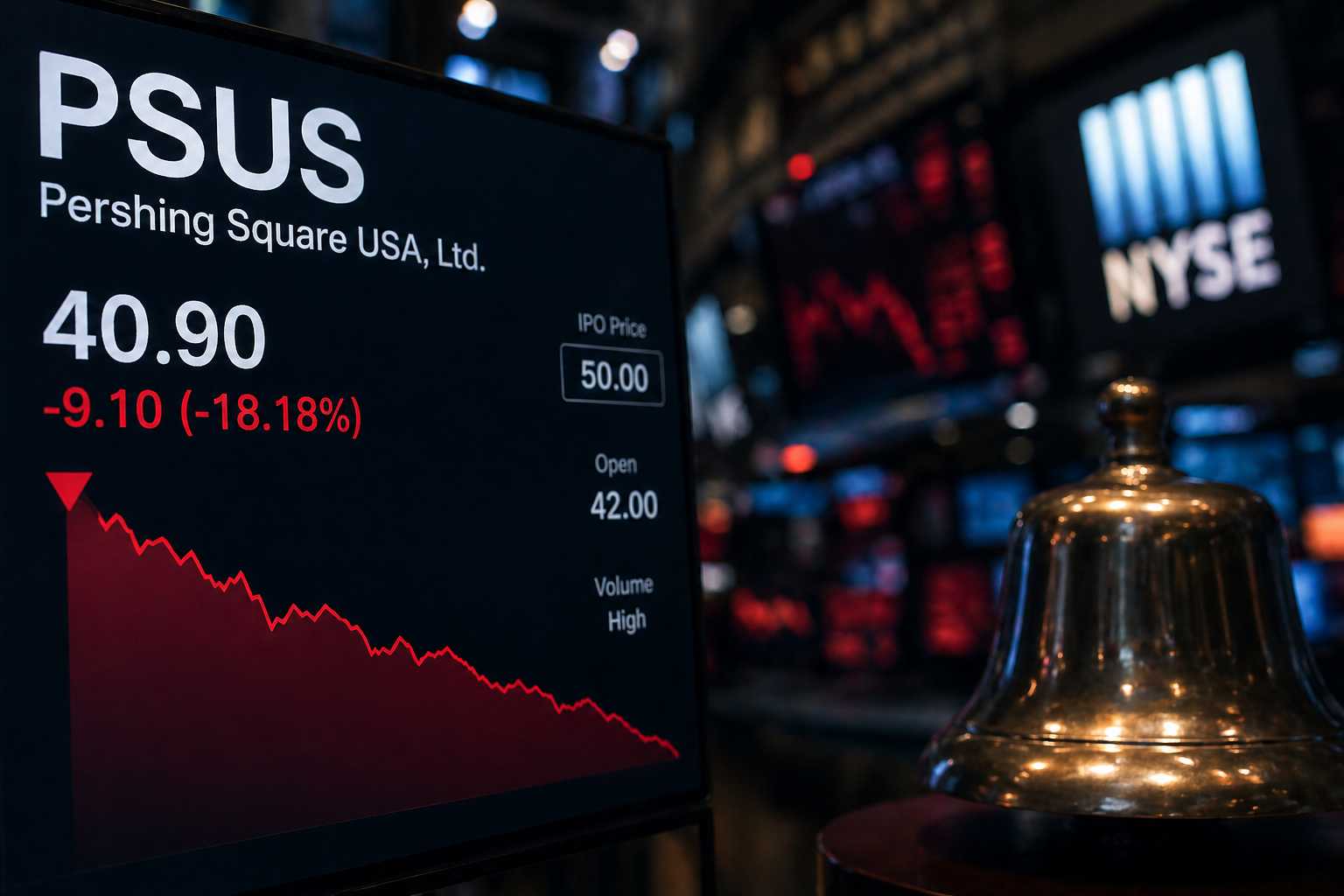
The Pershing Square IPO is not a normal stock IPO. Public investors are being offered shares of Pershing Square USA, Ltd., a new closed-end fund expected to trade as PSUS, and they are also expected to receive shares of Pershing Square Inc., the asset-management company expected to trade as PS, at no additional consideration.
For every 5 PSUS shares bought in the public IPO, investors are expected to receive 1 Pershing Square Inc. share. That means 100 PSUS shares would come with 20 PS shares. Pershing’s launch materials state that PSUS shares are being offered at $50 per share and that all net proceeds from the combined offering will go to PSUS, not to Pershing Square Inc.
The bonus-share structure makes the deal more interesting, but it does not make it low-risk. Investors still need to judge whether the PS shares provide sufficient compensation for the main risks: closed-end fund discounts, a 2% annualised management fee, portfolio concentration, reliance on key personnel, tax complexity, and early-IPO volatility.
As of April 28, 2026, Reuters reported that the offering was expected to raise about $5 billion, was oversubscribed, and had institutional interest of more than 85%. Reuters also reported that the offering was expected to price on Tuesday, April 28. (1)
| Item | Detail |
|---|---|
| Fund | Pershing Square USA, Ltd. |
| Expected fund ticker | PSUS |
| Manager company | Pershing Square Inc. |
| Expected manager ticker | PS |
| PSUS offer price | $50 per share |
| Public IPO bonus | 1 PS share for every 5 PSUS shares |
| Private-placement bonus | 1.5 PS shares for every 5 PSUS shares |
| Private placement | $2.8 billion in gross commitments |
| Fund type | Non-diversified closed-end fund |
Private-placement investors receive a better bonus-share ratio than public IPO investors: 30 PS shares per 100 PSUS shares, compared with 20 per 100 for public IPO buyers. That does not, by itself, make the public deal unattractive, but it is an important difference. (2)
PSUS is the fund. It is a closed-end investment company managed by Pershing Square Capital Management. Unlike an open-end mutual fund, investors generally cannot redeem closed-end fund shares at NAV. After listing, PSUS shares will trade in the market, and the market price may be above or below the value of the fund’s holdings.
That means PSUS investors are making two bets: first, that Pershing Square can build a strong portfolio; second, that the market will value PSUS shares close to the fund’s NAV.
PS is the manager's exposure. Pershing Square Inc. is expected to be the public parent company of Pershing Square Capital Management. It is not the same thing as PSUS. PSUS owns investments. Pershing Square Inc. owns the asset-management business that earns fees.
After the offering, PSUS and PS are expected to trade separately. Investors may keep both, sell one, or sell both. That separation matters because the market may value the fund and the manager differently.
Most IPOs involve a single company selling a single type of share. This offering combines two linked exposures:
1. PSUS, the closed-end fund.
2. PS, the asset-management company.
3. A bonus-share structure connecting the two.
Pershing says public IPO buyers receive Pershing Square Inc. shares at no additional consideration. The likely purpose is to make the IPO more attractive and reduce concern that PSUS could trade below its $50 offer price after listing.
But “free” does not mean risk-free. The PS shares will have their own market value, tax treatment, and volatility. If PSUS quickly trades at a discount to NAV, the PS shares may or may not offset that loss.
The fee structure is one of the main hurdles for PSUS investors.
The PSUS prospectus states that Pershing Square Capital Management will receive a quarterly management fee of 0.50%, or 2.0% annualised, based on PSUS’s NAV. The manager is not entitled to an incentive allocation or other performance fee from PSUS.
The prospectus fee table lists a 2.00% management fee, 0.20% in other expenses, and 2.20% in total annual expenses, before preferred-share dividend costs.
The absence of a performance fee is investor-friendly compared with many hedge-fund-style structures. But the 2% annualised management fee is still high compared with those of broad index ETFs. PSUS needs strong after-fee performance to justify that cost.
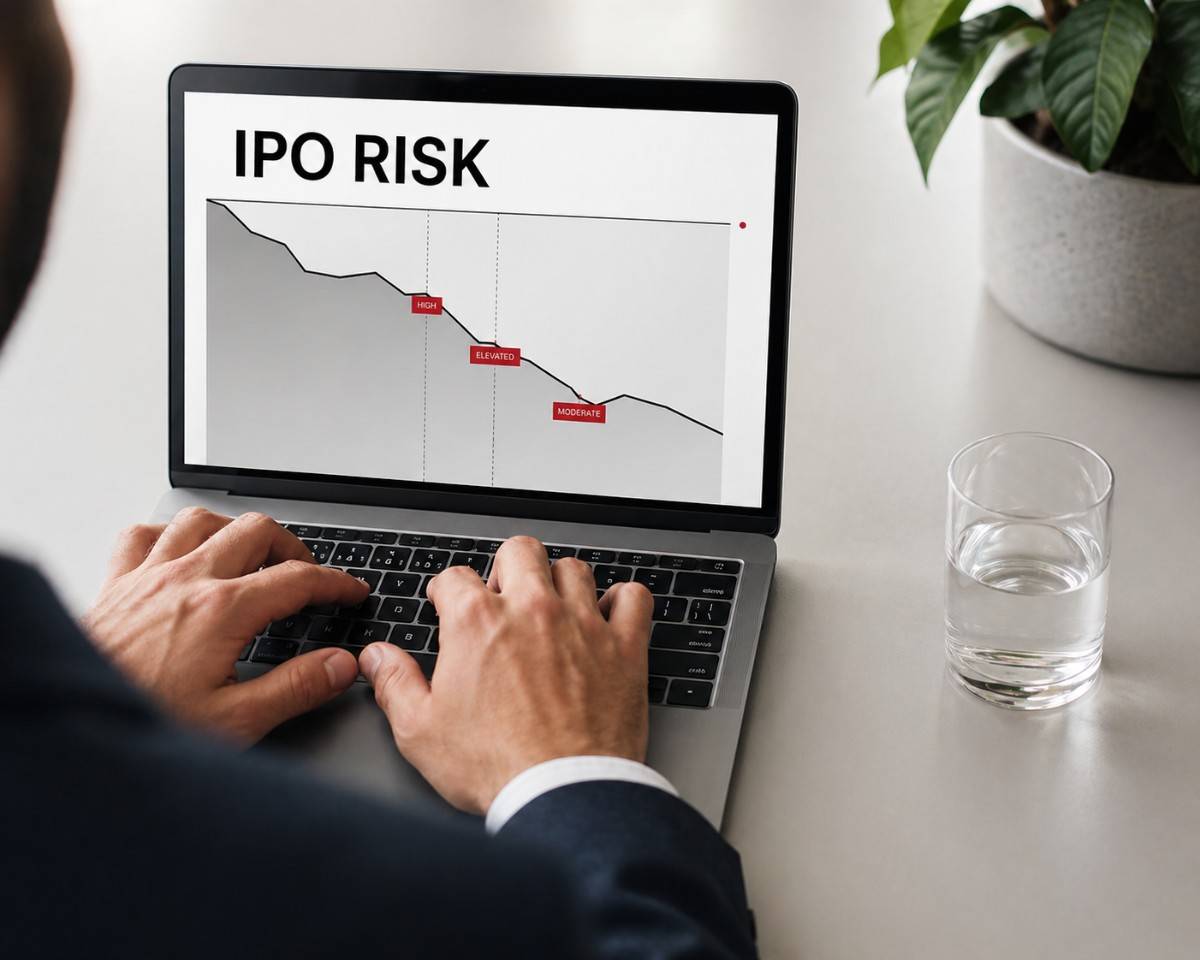
This is the central risk. The SEC filing says PSUS has no public trading history and that closed-end fund shares frequently trade at discounts to NAV. It also warns that this risk may be greater for investors who expect to sell shortly after the offering.
Example: if PSUS has a NAV of $50 but trades at a 10% discount, the market price would be about $45. The PS shares could offset some or all of that loss, but only if they retain enough market value.
PSUS is not a diversified index fund. The filing says the manager expects most of the portfolio to be invested in large minority stakes in 12 to 15 companies. That concentration can help if Pershing Square picks well, but it can also magnify losses if one or two major positions perform poorly.
Many buyers will be attracted by Bill Ackman and the Pershing Square name. That creates key-person and reputation risk. If Pershing’s leadership, investment judgment, or public profile becomes a problem, PSUS and PS could both be affected.
PSUS and PS may attract different types of investors after listing. Some buyers may want the fund but not the manager. Others may want the manager but not the fund. Early selling in either security could pressure prices.
Investors receiving PS shares at no additional consideration should not assume the tax and cost-basis treatment is simple. Broker reporting, final documents, and individual tax circumstances may matter.
Pershing Square previously withdrew a PSUS IPO in 2024. In that withdrawal announcement, Ackman said one principal question remained: whether investors would be better served waiting to invest in the aftermarket rather than in the IPO.
The 2026 structure directly addresses that concern by adding PS shares. But the underlying question has not disappeared. Investors still need to decide whether the bonus is enough compensation for buying at the IPO price.
A cautious investor should separate the three questions:
1. Do I want exposure to Pershing Square’s investment strategy?
2. Do I understand closed-end fund discounts and premiums?
3. Is the PS share bonus enough to justify buying in the IPO rather than waiting for aftermarket trading?
Buying in the IPO may appeal to investors who want both PSUS and PS exposure and are comfortable with a long holding period.
Waiting may appeal to investors who want to see where PSUS trades relative to NAV, how the market values PS, and whether early sellers create a better entry point.
Neither choice is automatically right. The wrong choice is buying only because the deal is associated with Bill Ackman or because the PS shares are described as a bonus.
PSUS is a closed-end fund. It will trade on an exchange like a stock, but it is not an ETF, and investors should not assume they can redeem shares at NAV.
Public IPO investors receive 1 Pershing Square Inc. share for every 5 PSUS shares purchased, at no additional consideration.
Yes. PSUS can trade below its offer price and below its NAV. Closed-end funds often trade at discounts or premiums to NAV.
The Pershing Square IPO is best understood as a two-part structure. PSUS gives investors exposure to a new Pershing Square closed-end fund. PS gives investors exposure to Pershing Square's asset management business.
The bonus-share structure improves the deal’s appeal, but it does not remove the risks. Investors still need to evaluate discount risk, fees, concentration, manager reliance, tax treatment, and whether waiting for aftermarket trading may offer a better entry point.
(2) https://www.sec.gov/Archives/edgar/data/2002660/000114036126008532/ny20064799x1_n2.htm