Published on: 2026-07-14
If you want to know what absolute chaos looks like on a trading floor, just ask anyone who was watching the energy desks on Monday. In what can only be described as a collective panic attack, global benchmark Brent crude and West Texas Intermediate (WTI) didn’t just tick upward—they went vertical.
By the time the closing bell offered some mercy, crude prices had surged a massive 9% in a single day. To put that into perspective, we haven't seen a single-day rally this aggressive since May 2020, back when the global economy was trying to claw its way out of the initial pandemic lockdowns.
For months, the narrative on Wall Street was all about slowing demand, EV adoption, and high interest rates keeping a lid on fuel consumption. That entire thesis was blown to pieces in less than twenty-four hours. When oil prices skyrocket like this, the theories go out the window, and raw fear takes over.
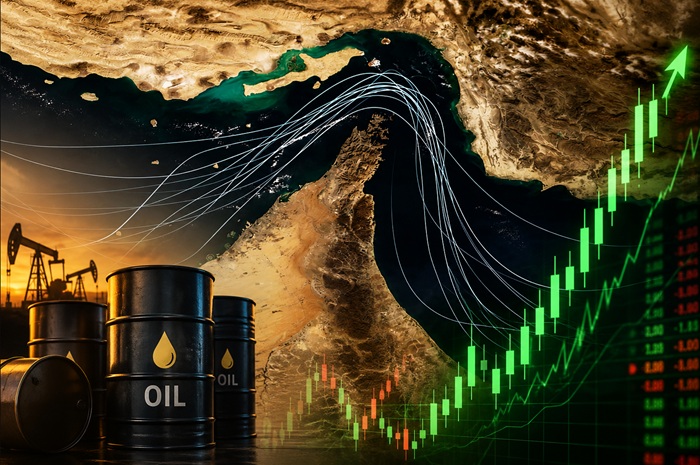
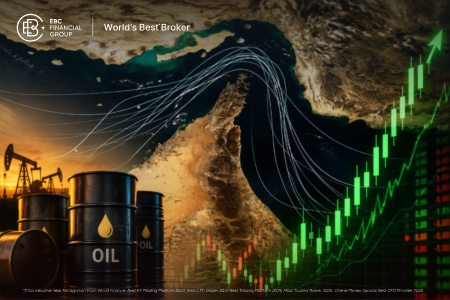
Markets hate uncertainty, but they absolutely despise physical supply disruptions. What started as a quiet trading week quickly devolved after reports emerged of a severe escalation in the Middle East. It wasn’t just the standard diplomatic posturing that the market usually shrugs off; this was a direct, tangible threat to the physical movement of crude.
The sudden rally was driven by a few major pain points that hit the wires almost simultaneously:
The Threat to the Strait of Hormuz: A sudden naval standoff led to rumors of a major shipping blockade. Because roughly a fifth of the world’s daily oil supply passes through this narrow stretch of water, even a whisper of a bottleneck is enough to send shockwaves through the market.
A Run on Physical Barrels: Refiners who had been keeping tight inventories suddenly realized they might not get their scheduled deliveries. They rushed into the market to buy whatever was available, creating a massive bidding war.
Algorithmic Buying Triggers: A huge chunk of modern oil trading is done by computer algorithms. Once Brent crossed key technical resistance levels, it triggered automated "buy" orders, throwing fuel on an already raging fire.
When these factors collide, it’s not just a gradual increase; it’s a stampede. It is precisely during these high-stress bottlenecks that oil prices skyrocket, leaving analysts scrambling to adjust their models.
To understand the gravity of Monday's move, you have to look back to May 2020. Back then, the market was recovering from the unprecedented shock of negative oil prices. The 9% jump we saw then was a sigh of relief as producers drastically cut supply to save the industry from collapse.
This time, the vibe is completely different. This isn't a recovery jump; it's a scarcity jump. Brent crude settled just north of $83 a barrel, while WTI hovered around $78.
The sheer speed of the move caught short-sellers completely off guard. Thousands of traders who had bet on prices staying low were forced to buy back their positions at a loss, further accelerating the upward spiral.
It’s easy to look at a ticker on a screen and treat oil like a purely financial asset, but at the end of the day, it has to physically move from point A to point B. Right now, point B is looking incredibly difficult to reach.
Insurance companies have already reacted to the escalating tensions by raising premiums for tankers transiting the Middle East to eye-wateringly high levels. Some shipping lines are openly discussing bypassing the region entirely, opting instead for the long, expensive journey around the southern tip of Africa.
This logistical detour adds weeks to transit times. It effectively traps millions of barrels of oil at sea, temporarily removing them from the global supply. This sudden artificial shortage is the exact environment where oil prices skyrocket because buyers are willing to pay almost any premium just to guarantee their refineries don't run dry.
While Wall Street traders are focusing on margins and technical indicators, ordinary people are going to feel this at the pump. Retail gasoline prices are directly tied to the price of crude, usually with a lag of just a few days.
If this 9% spike holds, drivers can expect to see immediate hikes at gas stations. But the pain doesn't stop there.
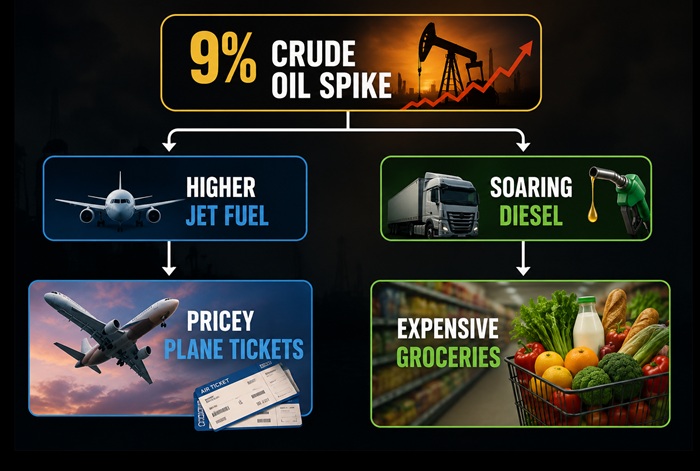
Because diesel is the lifeblood of global shipping and trucking, higher fuel prices quickly translate to more expensive groceries, consumer goods, and deliveries.
Central banks, which have spent the last couple of years trying to bring inflation under control, are likely watching this spike with a sinking feeling. If global oil prices skyrocket and stay elevated, it could force interest rates to remain higher for longer, stalling economic growth in the process.
There is also a psychological element at play here. For the past year, geopolitical risk was largely ignored by the market. Traders had grown cynical, assuming that despite the headlines, the actual flow of oil would never really be interrupted.
That cynicism evaporated on Monday. The "Hormuz Premium"—the extra dollar amount tacked onto a barrel of oil to account for the risk of shipping disruptions—has been aggressively priced back in.
It’s not the first time we've seen oil prices skyrocket due to fear of conflict, but the speed of this move suggests that the market's buffer is much thinner than previously thought. With spare capacity concentrated in only a few hands, there is very little margin for error.
For traders positioning on oil's reaction to a sudden geopolitical event, both Brent crude (XBRUSD) and WTI crude (XTIUSD) are available as spot CFDs on EBC's commodities platform. While standard futures contracts typically represent 1.000 barrels, CFD contract sizes on trading platforms can be structured flexibly—such as 100 barrels per standard CFD lot—meaning it is vital to verify your exact contract specifications before executing a trade. Because the energy market can move sharply on headline risk, wider stop placement and strictly disciplined position sizing are far more critical here than in less event-sensitive instruments.
Whether this is a temporary spike or the beginning of a sustained march toward $100 a barrel depends entirely on what happens next in the shipping lanes. If diplomatic efforts manage to de-escalate the naval standoff, we could see some of Monday’s gains evaporate just as quickly as they arrived.
However, if physical tankers continue to avoid the region or if we see actual damage to energy infrastructure, a 9% move might just be the opening act. History shows that whenever oil prices skyrocket on genuine supply threats, the momentum can carry the market much higher than anyone expects. For now, the energy market is on high alert, and the rest of the global economy is holding its breath.