Published on: 2026-04-22
Updated on: 2026-04-22
EBC Financial Group (EBC) views Nigeria's July duty changes and the 27 March 2026 launch of phase one of the National Single Window (NSW) as a direct test of whether the full cost of trade is falling. The customs line on an invoice may come down. The broader landed cost does not fall automatically if consignments still spend too long in examination, release, storage, trucking and delivery after arrival. The NSW was launched as a centralised digital trade platform, and official project material says phase one starts with statutory permits and cargo manifests. That is a relevant first step in document handling. It is not the whole port bill.
David Precious, Senior Markets Analyst at EBC Financial Group, said, "A lower duty line does not by itself lower the real cost of moving goods. The larger commercial question is what still accumulates after the ship arrives. If cargo continues to spend close to three weeks inside the port chain, storage, haulage and working-capital costs keep building after customs duty has already been assessed."
Nigeria's own port targets show where the pressure sits. In October 2025, the federal government said cargo dwell time at the country's major ports was averaging 18 to 21 days, against five to seven days in Ghana and about four days in Cotonou. The same official statement put the cost of clearing goods in Nigeria at about 30% above many regional peers and set a target of bringing average clearance time below seven days by the end of 2026. Those figures explain why a duty change does not travel cleanly into business costs. A shipment can still keep generating storage charges, terminal fees, transport costs and financing pressure long after the tax assessment has changed.
The port issue is not only whether traders file documents online. It is also whether the same cargo still moves through overlapping agency processes before release. In the same October 2025 update, the State House said an Executive Order on Joint Physical Inspection was before President Bola Tinubu and said the era of siloed operations across port agencies had to end. That is the harder operational issue inside the reform. A single digital filing point reduces repeated submission. It does not reduce real release time if agencies still inspect in sequence, re-handle the same shipment, or delay handover from one checkpoint to another.
Phase one has already gone live, and official statements now describe the NSW as recently launched. Hence, the practical question shifts from launch to performance. In January 2026, Nigeria Customs and the World Customs Organisation described the Time Release Study at Tin Can Island Port as an evidence-based reform tool that shows where time is lost, where procedural overlaps remain and where improvements should be focused. Customs said the study provides credible data on cargo dwell time and helps identify the exact points where delays are being created. That is the measurement issue now. The cleaner scorecard is release time by stage, not launch activity by itself.
Release on paper does not complete the transaction. The cargo still has to leave the port corridor, secure a truck movement and reach the consignee. The Nigerian Ports Authority (NPA) has tied port efficiency to both infrastructure renewal and truck access management, including the electronic call-up system. The Authority's March 2026 port-modernisation brief also said Apapa, Tin Can Island, Port Harcourt, Warri and Calabar are being targeted for quay-wall upgrades, channel deepening, modern cargo equipment and expanded capacity. That is relevant because digital processing does not remove the cost created by weak evacuation, restricted yard flow or ageing physical assets. The container only stops costing money when it reaches the warehouse or production line.
Nigeria Customs has already shown that clearance times differ sharply across trader profiles. In its February 2025 newsletter, Customs said AEO-certified companies were averaging clearance time of 43 hours, against about five days for non-AEO operators. That gap is useful because it shows two things at once. First, faster clearance is possible within the present system where compliance standards are higher and documentation is cleaner. Second, broad port averages still matter because those faster results have not yet become the standard outcome across the wider cargo base.
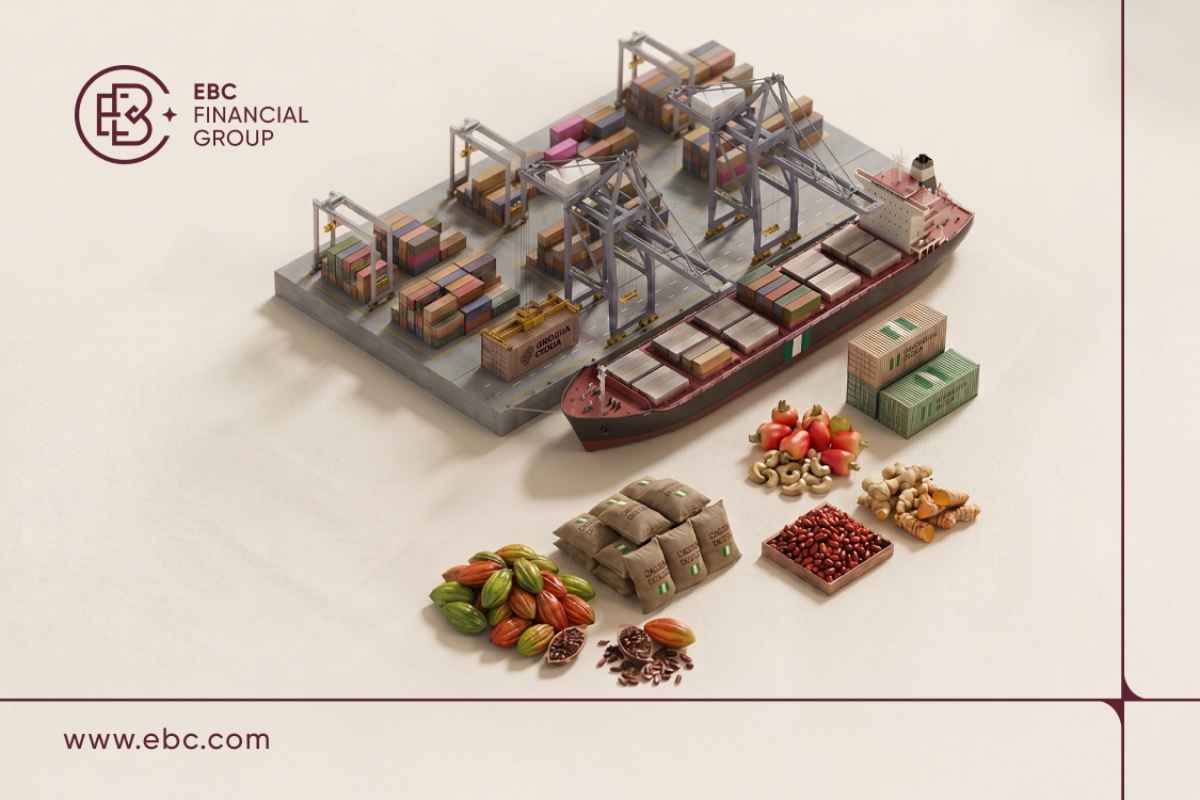
The port issue is no longer confined to import costs. Nigerian Export Promotion Council (NEPC) said non-oil export receipts reached US$6.1 billion in 2025, up 11.5% from US$5.46 billion in 2024, while export volume rose to 8.02 million metric tonnes from 7.29 million metric tonnes. Nigeria exported 281 non-oil products to 120 countries, and seaports handled 94% of those exports across 20 exit points. That places the same port chain at the centre of Nigeria's non-oil export push. A corridor that remains slow or unpredictable does not only raise the cost of imported inputs. It also affects shipment timing, buyer confidence and the dependability of non-oil foreign-exchange earnings.
NEPC's 2025 export data also shows why reliability matters commercially. Cocoa beans generated US$1.99 billion, followed by urea at US$1.29 billion, while cashew nuts, sesame seeds and gold dore were also among the leading earners. These are live export flows, not abstract diversification targets. They depend on documentation that moves on time, cargo that exits on time and shipment schedules that buyers can trust. A weaker port chain therefore shows up not only in import inflation and factory input costs, but in missed export windows and thinner margins on the outbound side as well.
NEPC's 2026 priorities include reduced export rejects, more international certifications, expanded value addition and stronger market access. That makes the standards issue part of the same logistics story. Exporters need cargo to move quickly, but they also need cargo to clear destination requirements without avoidable rejection, rework or documentary dispute. Faster port movement helps only part of that job. The broader commercial gain comes when clearance, inspection, documentation and shipment timing all become more reliable at the same time.
The physical side of the port system remains material. The NPA said the current upgrade programme is intended to modernise cargo-handling equipment, expand terminal capacity and reduce vessel turnaround constraints across key ports. That goes to the heart of the present reform story. Software can simplify filing and improve visibility. It does not by itself create more berth space, modern inspection capacity or faster cargo evacuation. The cost base only falls decisively when document flow, agency handling and port hardware improve together.
"The next scorecard is not the launch date," Precious added. "It is release time, repeated checks, corridor exit and the full cost of moving goods from ship to warehouse. That is where the reform becomes visible in inflation, manufacturing input costs and the reliability of non-oil export earnings."