Published on: 2026-03-11
Updated on: 2026-03-11
Oil markets can reprice sharply without a confirmed long-term shortage. A credible threat to the timely movement of barrels is sufficient to trigger significant price adjustments.
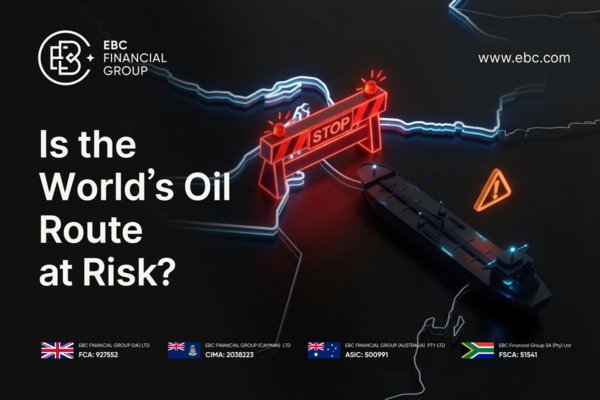
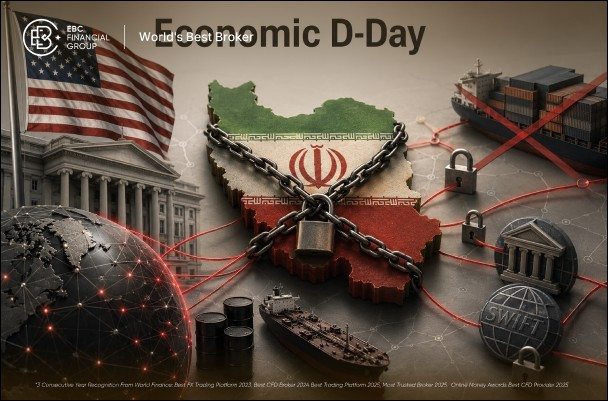
That is the backdrop for crude in early March 2026. The Strait of Hormuz, one of the world’s most important energy chokepoints, is the market’s primary cause for concern. Reuters reported that tanker traffic through the strait collapsed, with more than 200 ships anchored outside it, while Iraq’s southern oil production later fell 70% to 1.3 million barrels a day as storage filled and exports stalled. On 9 March, Brent crude (XBRUSD) rose to $111.04 intraday, and West Texas Intermediate crude (WTI, XTIUSD) reached $111.24.
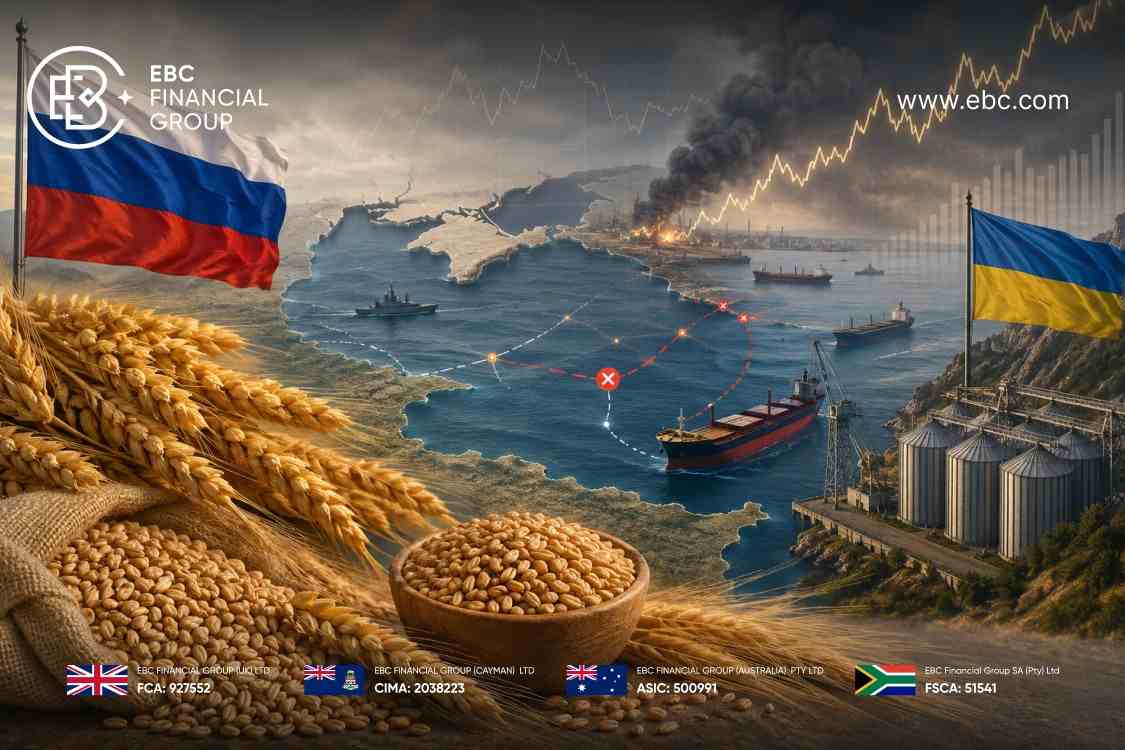
This significantly alters Russia’s position in the oil market. Russia’s oil system faced sustained pressure from sanctions, lower realised prices, buyer hesitation, and increased shipping vulnerabilities. However, in early March, the Hormuz disruption became the primary market driver. At the same time, some Russian barrels briefly became more useful to buyers, especially cargoes already at sea or close to India that could help fill short-term gaps. That made the Russia story more complex than a simple sanctions squeeze. The real question became how the Russian oil sector strain would show up when the broader crude market was already paying a heavy shipping premium.

Russia’s oil sector is not experiencing a sudden collapse in output. Instead, the pressure is operational: Russia continues to export crude, but often at lower prices, with increased logistical challenges, and heightened exposure to compliance, documentation, and maritime service risks.
That pressure has been building for some time. In October 2025, the United States Treasury sanctioned Rosneft and Lukoil, two of Russia’s biggest oil groups, by tightening the restrictions imposed on them. And then in January 2026, the European Union’s dynamic mechanism lowered the seaborne crude price cap to $44.10 a barrel, effective 1 February. Taken together, those steps did not remove Russian barrels from the market overnight, but they did make it harder and less profitable to keep exports flowing through the usual channels.
These effects became evident in trade flows. Reuters reported in late January and early February that Russian crude was accumulating at sea, sellers were reducing prices to attract Chinese buyers, and India was decreasing its purchases. In January, Russia’s share of India’s crude imports declined to 21.2%, or approximately 1.1 million barrels per day, the lowest since late 2022. This type of strain is significant not because it ensures a supply shock, but because it indicates increasing inefficiency and vulnerability to disruption within the system.
A clear analytical approach is to distinguish between gradual pressures and sudden shocks within the market.
The slow pressure came first. Then sanctions tightened. The EU lowered the price cap. Russian oil revenues weakened. Reuters calculations showed Russia’s oil and gas revenues had halved year on year in January and were expected to nearly halve again in February, while 2025 energy revenues were down 24% from the previous year. That is the background stress. It helps explain why Russia still needs exports to keep moving, even at worse terms.
A rapid shock followed. On 1 March, the war in Iran disrupted shipping through the Hormuz, causing oil prices to spike as the market began to price in transport risk rather than solely supply headlines. On the same day, OPEC+ announced a modest output increase of 206,000 barrels per day effective from April. Under normal circumstances, this adjustment might have had a greater impact. However, in the current environment, the primary concern is not production capacity but the ability to transport those barrels.
On the same date, a significant development related to Russia occurred: Belgium seized the tanker Ethera, which authorities identified as part of the Russian shadow fleet and suspected of operating under a false flag with falsified documents. This incident demonstrates that sanctions risk can translate into tangible operational challenges. Cargoes may be delayed, diverted, or detained due to enforcement actions, and such delays are particularly consequential when the broader market is already constrained.
By 4 to 6 March, the Russia angle shifted again. Reuters reported that Russia was ready to divert crude to India, that around 9.5 million barrels of Russian oil were floating near Indian waters, and that Indian state refiners had bought at least 20 million barrels of prompt Russian crude to help navigate the Middle East supply crunch. Washington also issued a 30-day waiver allowing the purchase of some Russian oil already loaded onto vessels at sea. In other words, the same market that had been forcing Russia into deeper discounts briefly turned some Russian barrels into a useful replacement supply.
This analysis examines how both the sudden disruption at the Hormuz chokepoint and the ongoing strain on Russia's oil sector are simultaneously reflected in oil market pricing, influencing price movements and trading strategies.
The first premium is the Hormuz premium. This is the price of disruption to transit, freight, insurance, and prompt delivery. It is the reason crude moved so sharply in early March and the reason the front of the curve tightened. Reuters reported that the spread between the front-month and six-month Brent contracts widened to about $10 on 6 March, the steepest backwardation since 2022. Backwardation simply means near-term barrels are being priced above later barrels because timing has become part of the problem.
The second premium is the Russia premium. This is slower and less dramatic. It comes through lower revenues, wider discounts, reliance on the shadow fleet, and a higher risk of delays or enforcement. On its own, that premium may not dominate the market every day. But when traders are already worried about deliverability, Russia-related friction becomes more important because the system has less room to absorb mistakes or interruptions.
It could be beneficial for market participants to adjust their focus in response to evolving market drivers. When Hormuz-related disruptions dominate, attention should shift to broader shipping and transit risks. However, ongoing monitoring of Russia-related developments remains essential, as these factors can regain significance rapidly. Regular review of positions is recommended as risk layers change.
There is a common misconception among less experienced traders that oil has a single price, whereas in practice, the choice of benchmark is critical.
Brent reflects global seaborne crude more directly, so it usually picks up shipping and chokepoint risk earlier. WTI is more closely tied to the United States ' balance, refinery demand, export economics, and domestic infrastructure. That is why early in a seaborne disruption, Brent often looks like the cleaner read on geopolitical stress.
However, this relationship is not static. Reuters reported that on 6 March, WTI outperformed Brent for a second consecutive day as buyers sought replacement supply from the United States. The Brent-WTI spread is informative because it reflects the type of risk the market is pricing, rather than indicating the superiority of one benchmark. A wider spread typically signals increased seaborne stress, while a narrower spread may suggest that buyers are identifying alternatives or that U.S.-linked supply is playing a greater balancing role.
The Russia story is not simply bearish for Russian barrels.
This assessment was more accurate when India was reducing imports and sellers were offering wider discounts to China. However, following the disruption of flows through Hormuz, accessibility became a priority. Russian barrels already at sea or near India increased in value compared to previous weeks.
Reuters reported that Indian refiners acted swiftly to secure floating Russian cargoes, while Russia indicated its readiness to reroute supply to India to alleviate shortages. In a constrained market, the availability of barrels often outweighs prevailing narratives.
This nuance is critical for market analysis. Russia’s oil sector is experiencing visible strain across revenues, discounts, and logistics. However, such strain does not equate to irrelevance. During broader shipping disruptions, Russian barrels that previously appeared commercially disadvantaged may become temporarily valuable to buyers. The market can simultaneously price both dynamics.
Recent market signals have been unambiguous.
By 6 March, Brent settled at $92.69 and WTI at $90.90 following one of the most significant weekly increases since 2020. By 9 March, both contracts traded above $111 intraday as the market shifted from pricing disrupted transit to accounting for actual shut-ins and more severe operational losses. Iraq’s southern production declined sharply, and Kuwait also reduced output and declared force majeure. The market focus has shifted from speculative risk to concerns about deliverability.
The most informative weekly chart analysis considers not only outright prices but also the Brent-WTI spread and the front-month structure. If the front of the Brent curve remains steeply backwardated, meaning oil for immediate delivery is priced higher than oil for later delivery, the market continues to pay a premium for immediate delivery. If this backwardation begins to moderate, it indicates a reduction in the panic premium.
Our base scenario remains a volatile, headline-driven market. Shipping disruptions are expected to sustain elevated near-term risk premiums, though not to the extent of halting flows for an extended period. In this context, Russia continues to act as a secondary stressor through logistics, enforcement, and buyer behaviour, while Brent remains responsive to any indications of traffic normalisation or renewed disruption.
A more bullish scenario involves prolonged disruption and stricter enforcement. If Hormuz remains significantly impaired, more producers are compelled to implement shut-ins, and actions against shadow fleets or maritime services intensify, the market is likely to continue driving the front of the curve higher. This would support further upward spikes in both Brent and WTI, characterised by repeated volatility rather than a steady trend.
By contrast, the bearish case depends on shipping normalising. centres on the normalisation of shipping. If transit resumes, anchored vessels begin moving, and Gulf production recovers, the market may begin to relinquish some of its geopolitical premium. In this environment, focus would return to inventories, refinery operations, OPEC+ compliance, and the broader 2026 demand outlook. Russia would remain relevant, primarily as a sanctions-and-discounts narrative rather than as the principal near-term price driver.
The primary focus should be on developments at Hormuz, including insurers' reactions to government assurances and naval protection, tanker movements, the number of anchored vessels, and indications that Gulf producers are restoring normal flows. These factors provide the clearest near-term signals.
Subsequently, attention should be directed to the front of the futures curve. Persistent extreme backwardation indicates that the market continues to pay a premium for immediate delivery. If the curve begins to flatten, it suggests that the transport premium is diminishing.
Further monitoring should focus on Russia-specific enforcement actions and India’s purchasing behaviour. Seizures, detentions, insurer decisions, or renewed hesitation from India and China become increasingly significant if the broader market remains tight. Continued absorption of Russian crude by India enables Moscow to maintain exports, whereas a decline in demand would intensify pressure on discounts, floating storage, and state revenues.
Russia’s oil sector is not experiencing a sudden collapse. Instead, strain is manifesting in observable areas such as lower revenues, wider discounts, slower cargo placement, increased floating storage, and heightened enforcement risk.
In early March 2026, the primary market focus remains on developments at Hormuz. Persistent shipping disruptions can overshadow most Russia-specific signals, while normalisation would bring renewed attention to Russia’s role. The key analytical discipline is to prioritise the dominant market driver before assessing secondary factors.
This material is for information only and does not constitute a recommendation or advice from EBC Financial Group and all its entities ("EBC"). Trading Forex and Contracts for Difference (CFDs) on margin carries a high level of risk and may not be suitable for all investors. Losses can exceed deposits. Before trading, carefully consider trading objectives, level of experience, and risk appetite, and consult an independent financial adviser if necessary. Statistics or past investment performance are not a guarantee of future performance. EBC is not liable for any damages arising from reliance on this information.