Published on: 2026-08-25
Updated on: 2026-08-25
American and European stock markets hit their highest prices ever because investors are buying into AI, but experts at the ECB warn that markets usually crash after booms like this.
A crash can happen when overly excited and confident buyers flock in until prices appear to be well ahead of the curve. When that animal spirit disappears, they will likely be caught off guard.
"Unlike in the dot-com episode, today's starting point leaves markedly less room to cut interest rates or use fiscal policy to cushion the fallout," they wrote. The remarks came as AI-related stocks have a bumpy ride.
Wall street showed resilience after the expiration of a truce deal between Iran and the US. Benchmark oil price jumped back to the $90 last week as few ships transited the Strait of Hormuz.
The AI-driven rally has stalled amid surging Treasury yields as the Q2 earnings cycle continues to wind down. The 30-year Treasury yield sits above 5.3%, marking its highest point in 19 years.
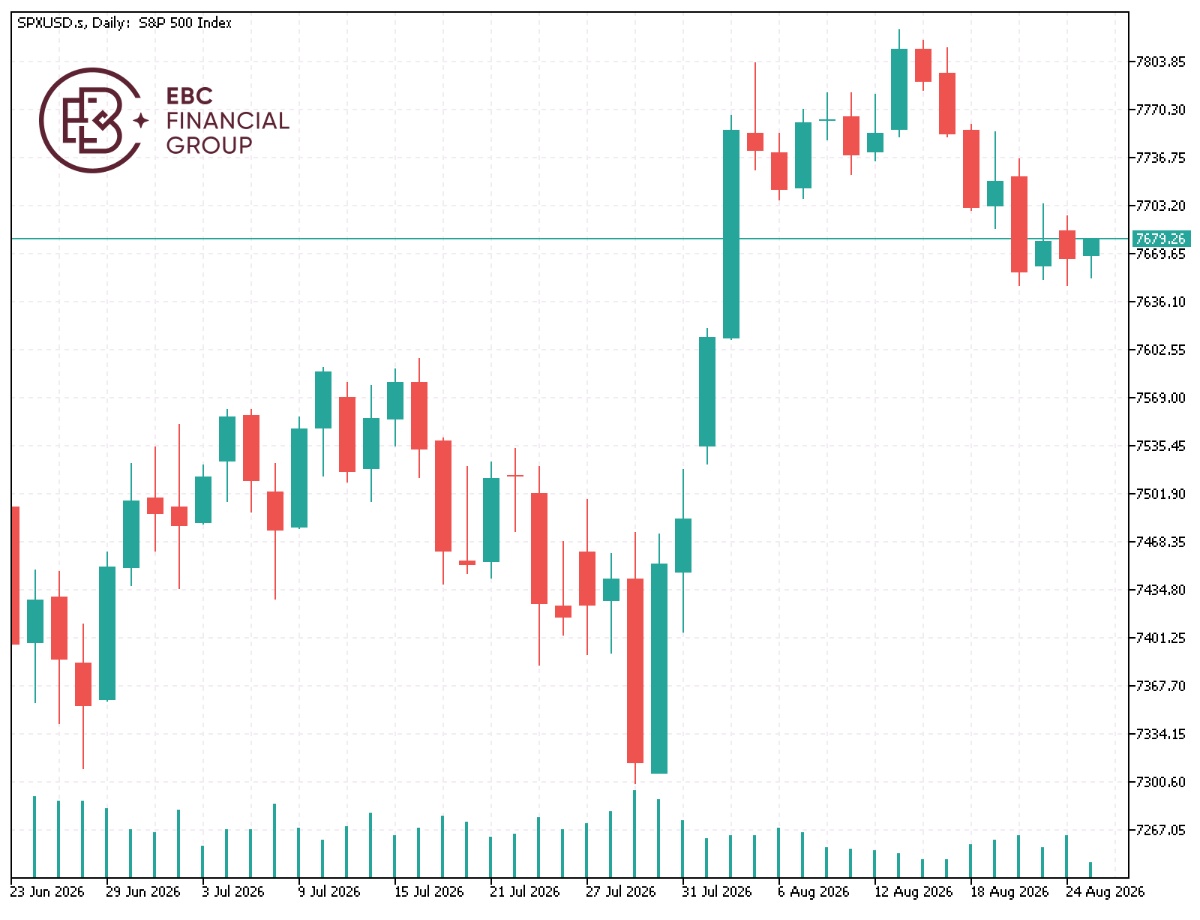
Despite that, UBS Global Wealth Management increased its end-of-year target for the S&P 500 (SPXUSD) to 8,100, because they expect companies to make more money and keep growing their profits through next year.
The investment bank unit raised its forecasts for S&P 500 earnings per share to $350 in 2026 and $400 in 2027, from its previous estimates of $335 and $375, respectively.
Tech companies are historically sensitive to interest rates, sparking fears about a flurry of debt issues to fund enormous AI investment. The inflation stays firmly above the Fed's target of 2%.
The last Fed hiking cycle started in 2022, which sent the Nasdaq 100 (NASUSD) down by a third – the biggest decline since 2008. Few see a repeat of the brutal rout, but money managers may prefer erring on the side of caution.
Q2 profits for S&P 500 companies are on track to grow 32% year-over-year, far beyond the 23% growth projected at the start of the earnings season, which underlines still-robust fundamentals.
Some companies are even selling stock to secure funding. Shareholders are tolerating short-term dilution, trusting management's promises of significant future payoffs.
Broadcom (AVGO.OQ) has seen a remarkable decrease in its high-year bond so far this month. The firm is in talks to raise more than $60 billion in debt for a deal to acquire VMware.
The use of guarantees and other forms of financial support have ginned pace this year, raising concerns that risks are accumulating that are not visible on the balance sheets.
"The backlog of leases, purchase commitments, residual value guarantees and other backstops is poised to stretch into the trillions," wrote Tarek Hamid, a strategist at JPMorgan Chase.
While hedge fund gross leverage, net leverage, and AI exposure have each declined from their Q2 highs, they still rank above longer-term averages, leading to their poorest relative performance in over 20 years, according to Goldman.
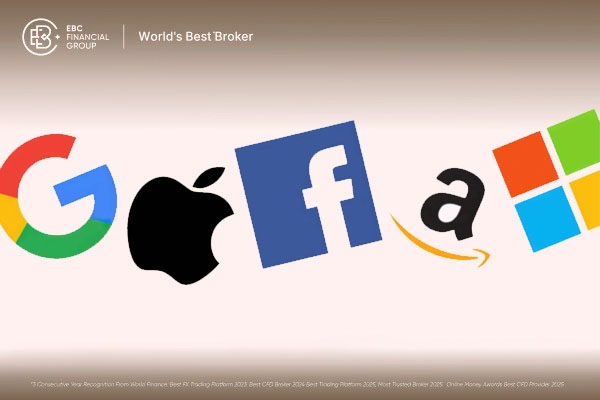
Fund managers are increasing stakes in hyperscalers—the dominant cloud providers uniquely positioned to scale AI infrastructure and meet surging customer demand.
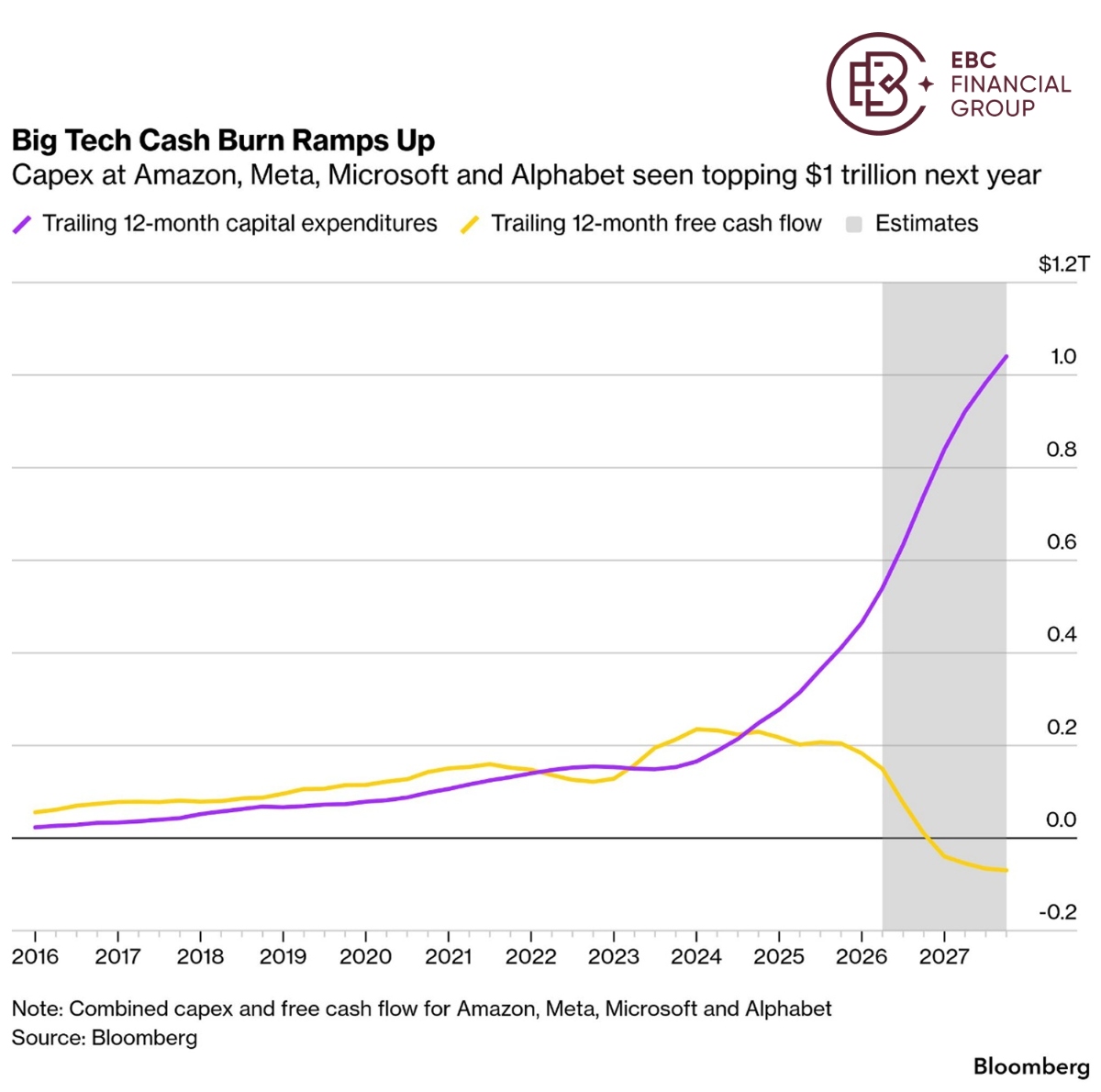
According to a Reuters analysis, those companies' annual operating cash flow will increase by approximately $340 billion between 2025 and 2027, while capex is projected to grow by roughly $534 billion.
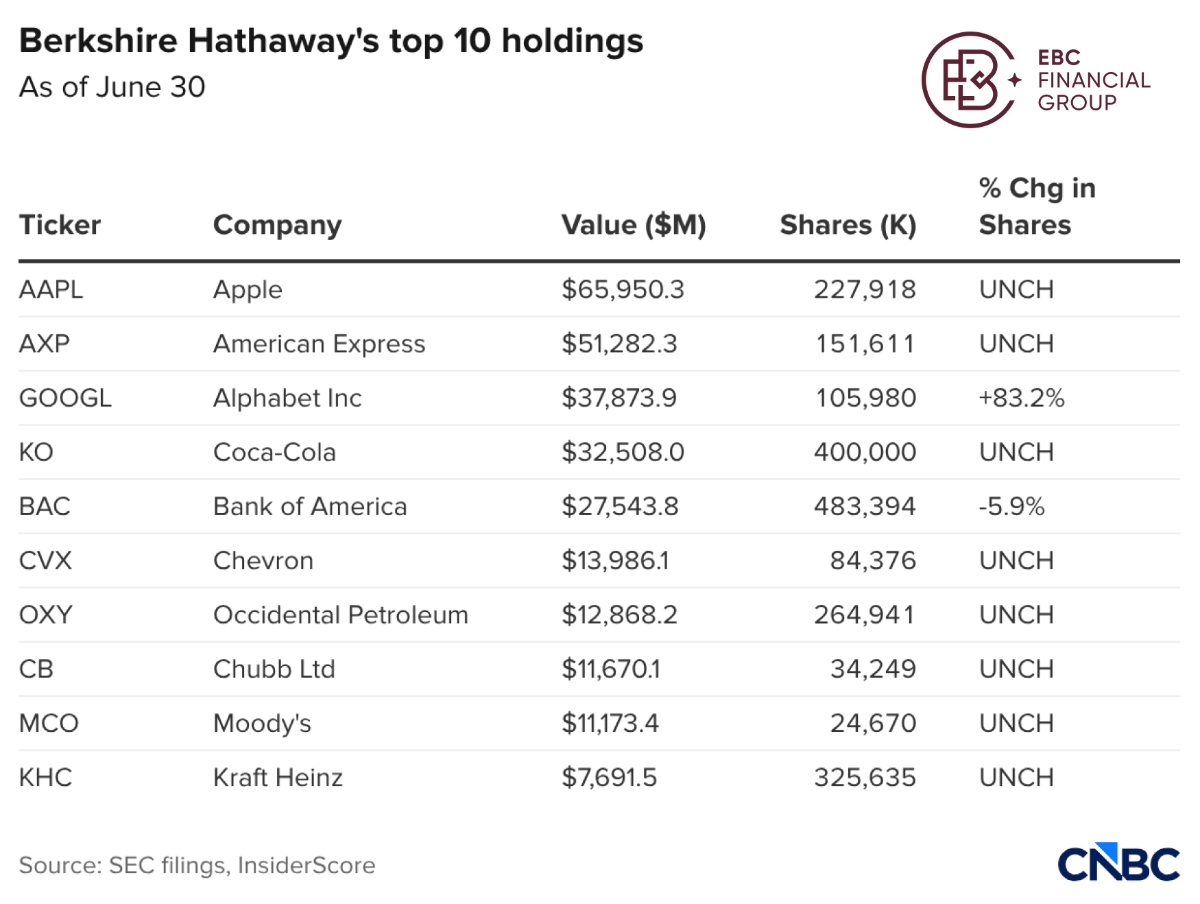
Berkshire Hathaway (BRKb.N) sharply increased its stake in Alphabet (GOOGL.OQ) in the last quarter, vaulting the Google parent into its three biggest stock holdings. Buffett told CNBC he had been behind the bullish view on the stock.
Hyperscalers' valuations have compressed this year. Amazon, which could be viewed as a consumer stock by the legend, is trading at a multiple of over 30, compared with its 5-year average of nearly 60.
Noah Weisenberger, Chief US Equity Strategist at BCA Research, warned that neocloud providers face financial risks if an influx of new computing capacity causes market prices to drop.
The vulnerability stems from their steep pricing models and heavy dependence on debt financing. He recommends a long-hyperscalers, short-neoclouds trade although the former becomes more capital-intensive.