Published on: 2023-09-28
Updated on: 2026-05-15
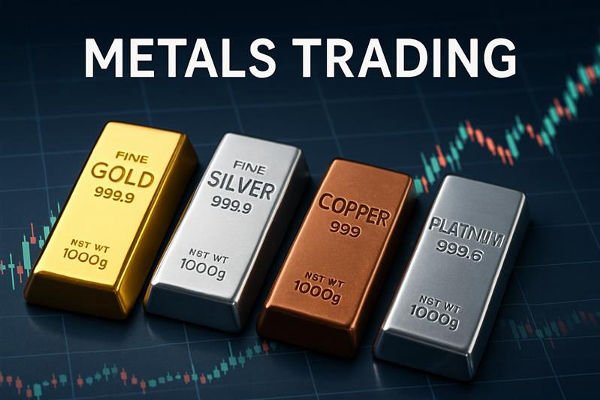
Gold trading often looks simple from the outside: buy when gold rises, sell when it weakens. In practice, the first decision matters just as much as the price view. Traders must choose whether to trade spot gold or gold futures, and that choice changes the cost, timing, leverage, and risk of every position.
Spot gold trading gives exposure to the current gold price and is often used for physical ownership, flexible trading, or short-term price speculation.
Gold futures trading uses standardised contracts with expiry dates, making it suitable for hedging, active trading, and leveraged market access.
Futures prices can differ from spot prices due to interest rates, storage costs, funding conditions, and supply-and-demand pressures across delivery months.
Spot gold is not automatically safer. Physical gold has storage and custody risks, while margin-based spot trading can still involve leverage and financing costs.
Futures offer deep liquidity and strong price transparency, but margin calls, contract expiry, and rollover risk make position sizing critical.
Spot gold trading means buying or selling gold at the current market price. This price is often quoted as XAU/USD, which shows the value of one troy ounce of gold against the US Dollar.
In the physical market, spot gold may involve buying bars, coins, or vaulted bullion. In financial trading, it may involve price exposure through a broker, over-the-counter market, or margin-based trading platform. This distinction matters because not every “spot gold” trade gives the investor ownership of physical metal.
Spot gold is tied to the current market price. In physical markets, settlement usually occurs within a short settlement cycle, whereas retail trading platforms may offer instant execution of price exposure. The key point is that spot gold reflects the current price of gold.
Gold futures are tied to a future delivery month. A trader must choose a contract, such as a near-month or later-month contract. That contract has its own expiry, liquidity profile, and rollover considerations.
For beginners, this is the first major difference. Spot trading keeps the timeline simple. Futures trading adds a calendar.
Spot gold can involve ownership if the investor buys physical bullion or allocated vaulted gold. Ownership gives the investor a direct claim on metal, but it also creates practical issues such as storage, security, insurance, and resale spreads.
Futures do not usually function as ownership tools for retail traders. They provide exposure to gold prices. Although futures contracts can lead to physical delivery, most participants close or roll their contracts before that stage.
For investors seeking gold as a long-term store of value, physical spot gold may be a better fit. For traders who want liquid price exposure, futures may be more efficient.
Physical spot gold is normally fully funded. If an investor buys $20,000 worth of gold, they pay the full amount plus costs.
Spot gold traded through a broker may use leverage, depending on the product and local regulation. This means the word “spot” does not automatically mean unleveraged.
Futures use leverage by design. A relatively small margin deposit controls a much larger gold position. This is useful for hedging and tactical trading, but it can quickly become dangerous during sharp price swings. A small move in gold can create a large percentage change in the trader’s account balance.
Leverage is not the problem by itself. Poor sizing is the problem. Futures traders must know the contract value, tick value, margin requirement, and maximum acceptable loss before entering a trade.
Spot and futures prices usually move in the same direction, but they are not always identical.
Spot gold reflects immediate supply and demand. It reacts to the US Dollar, real yields, inflation expectations, ETF flows, central bank buying, geopolitical risk, and physical demand from major markets such as China and India.
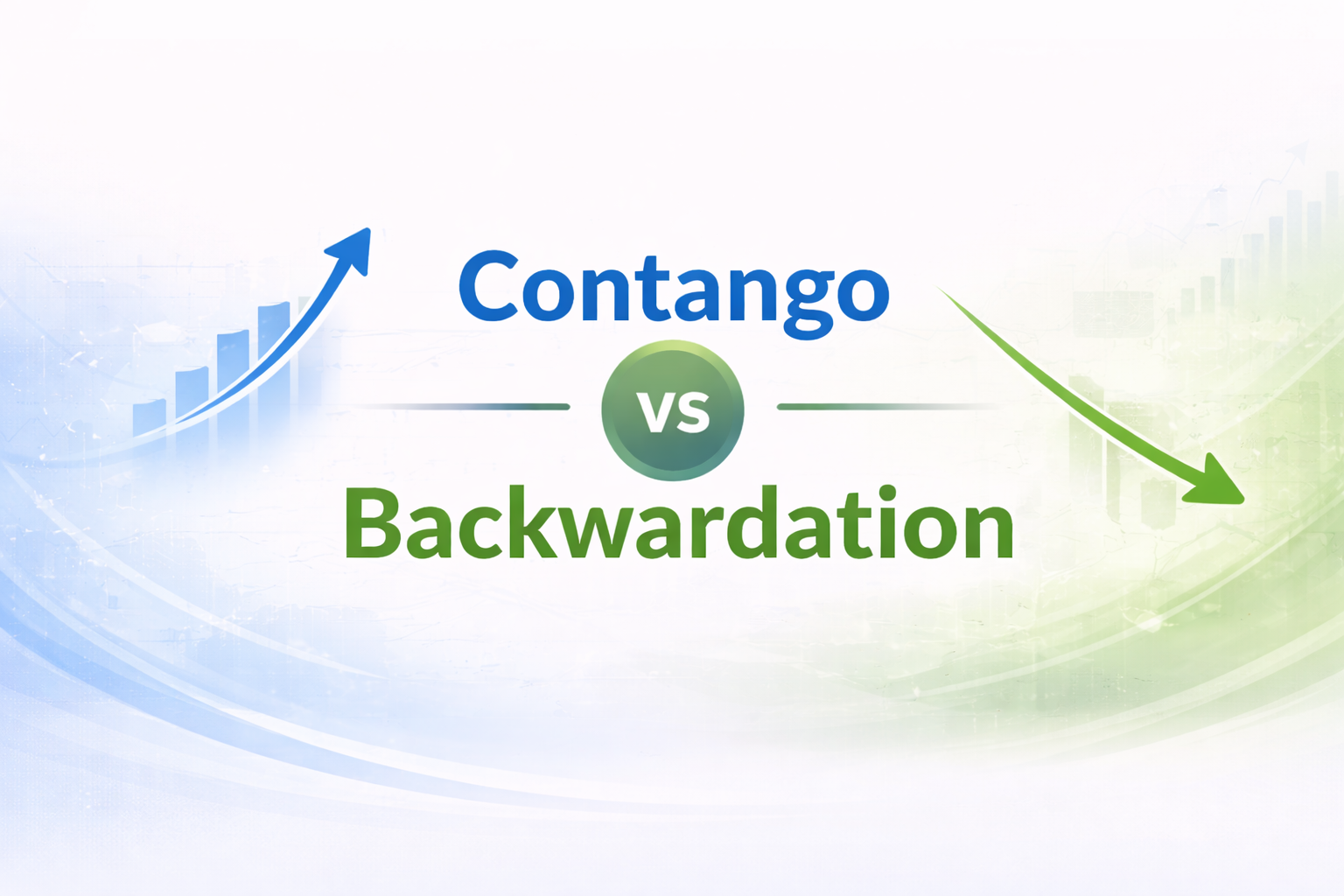
Futures prices include those same drivers, but they also reflect the cost of carry. This includes financing costs, storage, insurance, and market expectations for future supply and demand. When futures trade above spot, the market is usually in contango. When futures trade below spot, the market is in backwardation.
This price gap is not a pricing error. It is part of how commodity markets reflect time, funding, and physical availability.
Spot gold costs depend on the trading format. Physical buyers face premiums, spreads, storage, insurance, and possible assay or delivery fees. Broker-based spot traders may face spreads, commissions, overnight financing, and slippage.
Futures traders face exchange fees, brokerage commissions, bid-ask spreads, margin requirements, and rollover costs. Rolling a futures position from one contract month to another can create gains or losses depending on the curve structure.
A long-term investor should focus heavily on storage and ownership costs. A short-term futures trader should focus more on liquidity, margin, volatility, and execution.
Spot gold risk is often misunderstood. It is not risk-free simply because it can involve physical metal. Gold prices can fall. Physical buyers can overpay through premiums. Storage may be expensive. Unallocated gold may create counterparty risk. Leveraged spot products may trigger forced liquidation.
Futures risk is more direct. Margin amplifies every move. Contracts expire. Rollover decisions matter. Volatile sessions can raise margin pressure. Traders who enter futures without understanding notional exposure can lose money quickly.
The cleanest way to compare risk is this: spot gold risk is often operational and price-based; futures risk is often leverage-based and time-sensitive.
Spot gold may be the better choice for investors who want a simple link to the current gold price. It is especially useful for those who want physical ownership, long-term allocation, or trading access without contract expiry.
Gold futures may be the better choice for traders who need leverage, deep liquidity, transparent exchange pricing, or the ability to hedge future exposure. Futures can be highly efficient, but they require stronger discipline.
The decision should not begin with which market looks more profitable. It should begin with the trader’s objective:
Use spot gold if the goal is ownership, simplicity, or flexible exposure.
Use gold futures if the goal is hedging, active trading, capital efficiency, or precise exposure to a contract month.
Avoid futures if the contract size is too large for the account. Avoid physical spot gold if storage, premiums, and resale spreads make the trade inefficient.
Spot gold is usually easier for beginners because there is no expiry date or rollover process. However, beginners should still check whether they are buying physical gold, trading unallocated gold, or using leveraged spot exposure through a broker.
Gold futures include time-based costs and expectations. Interest rates, storage, financing, liquidity, and physical supply can all make futures trade above or below spot gold. The difference reflects market structure, not necessarily mispricing.
Gold futures are physically deliverable, but most traders close or roll contracts before expiry. Taking delivery requires meeting exchange rules, managing logistics, and having sufficient capital. For most retail traders, futures are used for price exposure rather than bullion ownership.
No. Physical spot gold avoids margin calls, but it still carries price, custody, storage, and liquidity risk. Leveraged spot gold can also be risky. Futures add expiry and margin risk, making them more suitable for experienced traders.
Physical spot gold or allocated vaulted gold is usually more suitable for long-term holding because there is no contract expiry. Futures can be used for longer exposure, but rolling contracts adds cost, complexity, and execution risk.
Gold trading is not only about the direction of gold prices. It is also about choosing the right market structure. Spot gold gives traders and investors access to the current gold price, often with simpler timing and the option to take physical delivery. Gold futures offer standardised, liquid, and capital-efficient exposure, but they demand stronger risk control.
Spot gold suits investors who value ownership, simplicity, and long-term flexibility. Gold futures suit hedgers and active traders who understand leverage, contract expiry, and margin discipline.
Disclaimer: This material is for general information purposes only and is not intended as (and should not be considered to be) financial, investment or other advice on which reliance should be placed. No opinion given in the material constitutes a recommendation by EBC or the author that any particular investment, security, transaction or investment strategy is suitable for any specific person.