Published on: 2026-08-20
Updated on: 2026-08-20
Speculators are increasingly betting the RBA will raise interest rates again in November as inflation remains above the 2% target. Governor Bullock repeatedly stressed that inflation risks remain skewed to the upside.
"While positions wagering on a September hike have been cut back, bets on a November RBA rate increase remain popular," said Scott Bovis, director of short-term interest-rates trading at Commonwealth Bank of Australia.
Some investors are taking a more cautious view, pointing to a gradual rise in unemployment and weaker housing sentiment as signs that restrictive policy is crippling the economy.
Despite three rate hikes in 2026, BlackRock cast doubts if the tightening cycle is already over. The country's consumer prices had been already elevated before the US initiated assault on Iran in February.
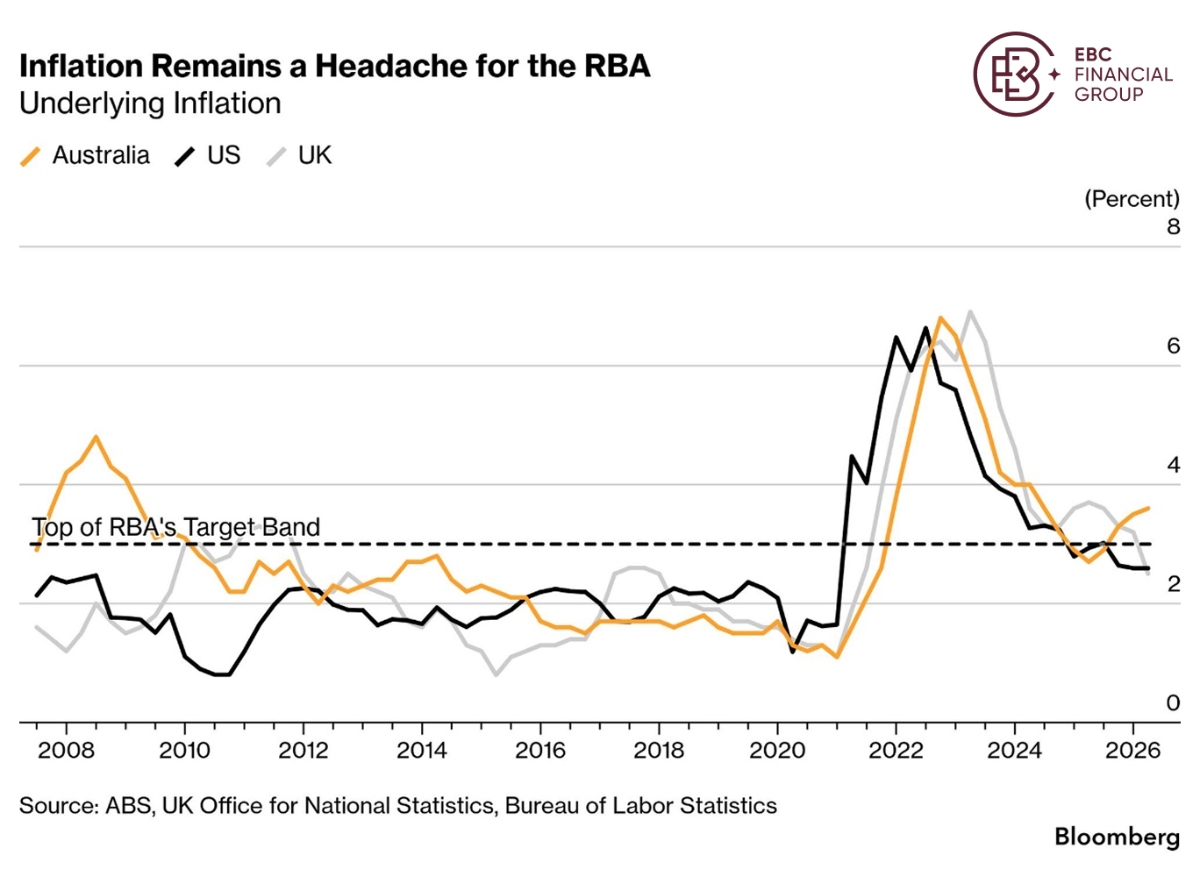
Price increases are deeply rooted across a wide arrange of categories. Economists noted that the domestic economy was operating above its sustainable capacity due to low productivity.
Investors are now selling short-term bonds and buying long-term ones, which likewise points to expectations of more rate hikes down the road. Meanwhile, consumer confidence remains weak this month.
Australia's labour market in July showed continued broad-based resilience alongside mild cooling signs. However, small and medium businesses trimmed casual hiring under cost pressures.
A rise in Chinese industrial output mixed with weak fixed-asset investment is generally bad news for the Australian exports. The massive structural shift from real estates is reshaping commodity markets.
Fixed-asset investment contracted 6.7% in the first seven months of the year. Government spending has been restrained, while private businesses are increasingly reluctant to boost broad capex.
High-tech manufacturing rose nearly 14% in the that period, extending a manufacturing boom that has been particularly robust in AI-related industries. The sector helped exports soar roughly 24% in July.
But AI infrastructure and robotics use far less steel and coal than building construction. Instead, the cutting-edge products are fuelling high demand for silver, copper and aluminium.
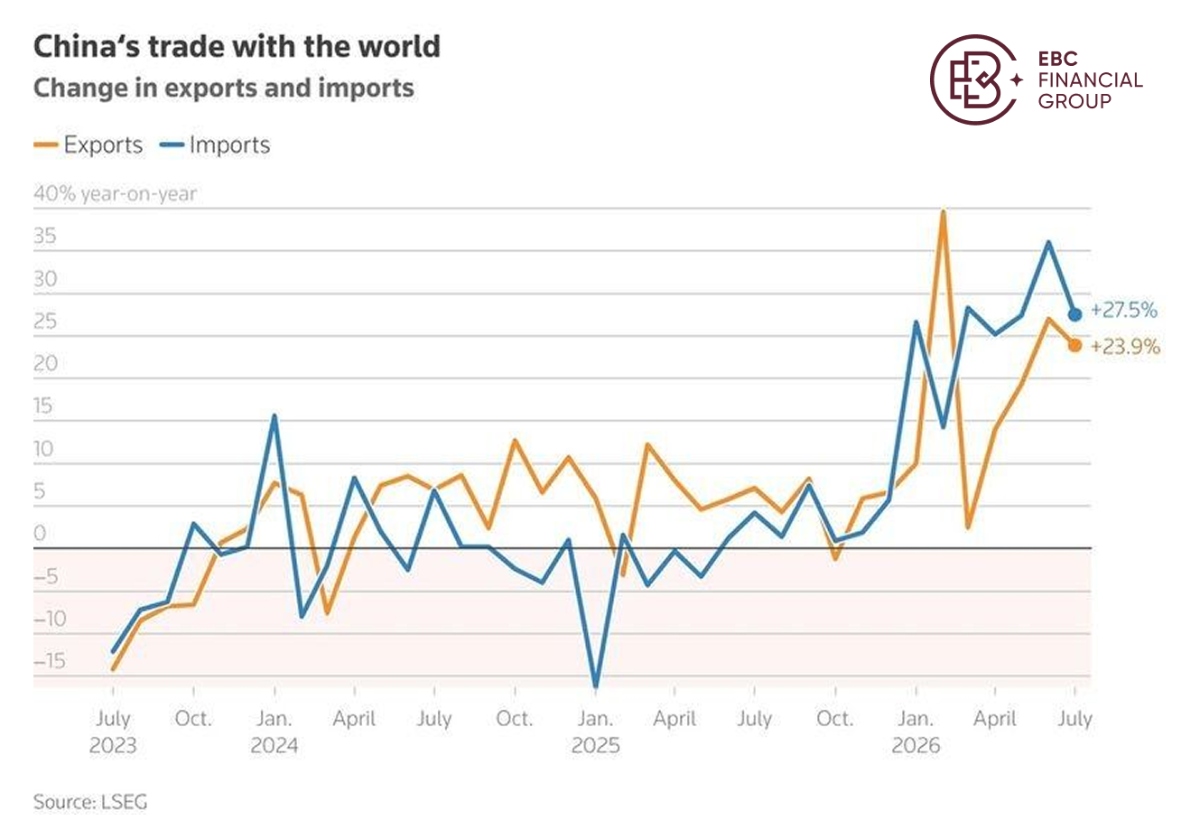
China's steel output dropped to the lowest level in July. Data from analysts MySteel shows that only one-third of steel mills made a profit for the month, with steel inventories at relatively high levels.
Australia's major commodity export data showed mixed movement, highlighted by an 11.8% monthly decline in iron ore and pellet shipments, alongside a notable rise in live cattle export volumes.
Both the EU and the US are cracking down on trade with China by introducing strict new financial penalties and rules to limit bilateral trade deficits, which further weighs on the commodity currencies.
Most economists polled by Reuters believe the Fed will freeze interest rates next month and keep them flat through the rest of the year. This forecast matches the view they have maintained for the past several months.
They forecast the PCE reading to average 3.5% this year and remain above the Fed's target at least until 2028, poll medians showed.
Trader have fully priced in a rate hike in December. Goldman Sachs notes that these aggressive market predictions are wrong because inflation in the US is already slowing down.
The Treasury curve is likely to steepen further on the back of disinflation, reduced hike premiums and unbalanced federal budgets, according to the bank. Recent drop in the short-term yields may impair the dollar.
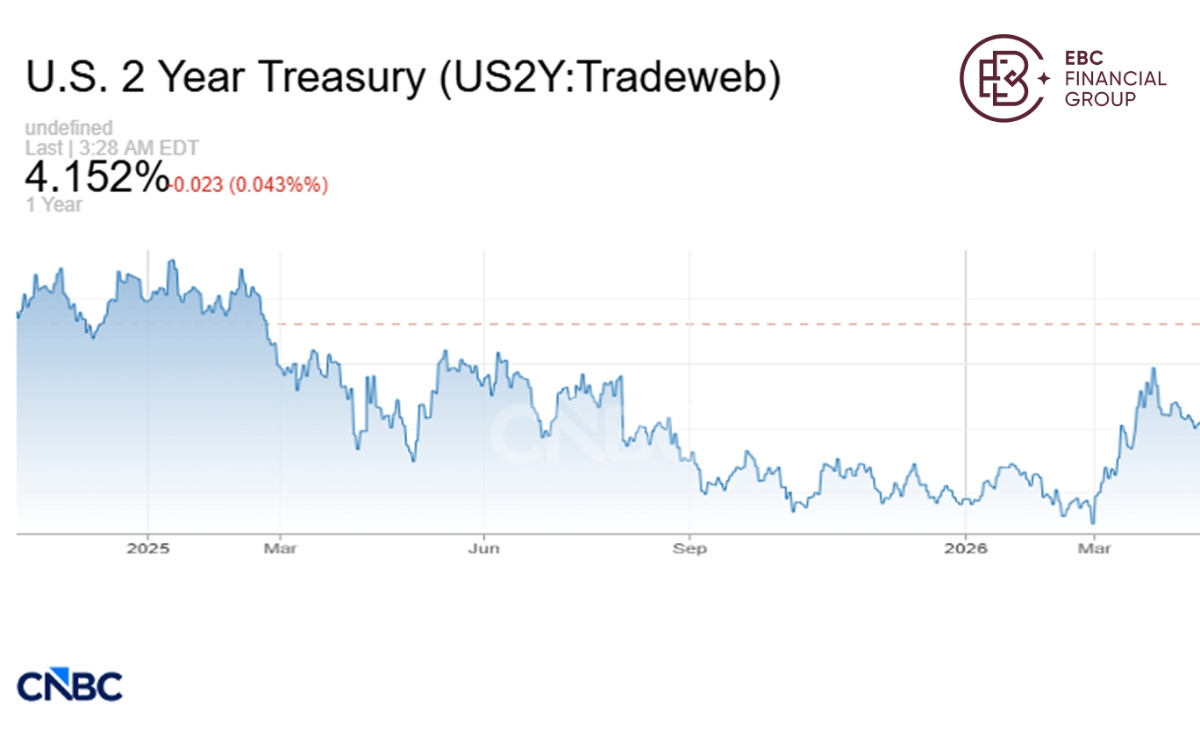
Retail sales dropped unexpectedly in July, the first in 9 months, suggesting that consumer spending was slowing down and prompting economists to slash their Q3 economic growth estimates.
More Americans filed for first-time unemployment benefits last week than expected, in line with the latest nonfarm payrolls report, suggesting that the local job market might be losing some of its strength.
The Australian dollar (AUDUSD) will likely keep benefiting from a weak greenback in the short run. Still, Australia's industrial model does not align with the global technology roadmap, limiting the currency's strength.