Published on: 2026-06-11
Alphabet 's plan to sell $80 billion in shares to fund its AI commitments. Goldman Sachs, JPMorgan Chase and Morgan Stanley are acting as joint book-running managers for the underwritten offerings.
OpenAI has confidentially filed for an IPO, setting it up for what may be the most highly anticipated market debut in recent history, after its chief rival Anthropic announced plans to go public.
SpaceX takes the fundraising wave to a whole new level. The rocket and satellite communications company plans to raise a record-setting $75 billion, according to a source familiar with the matter.
Two of the company's three businesses are burning cash, with only its connectivity segment, home to the Starlink satellite constellation, generating profits and widely viewed as a cash cow.
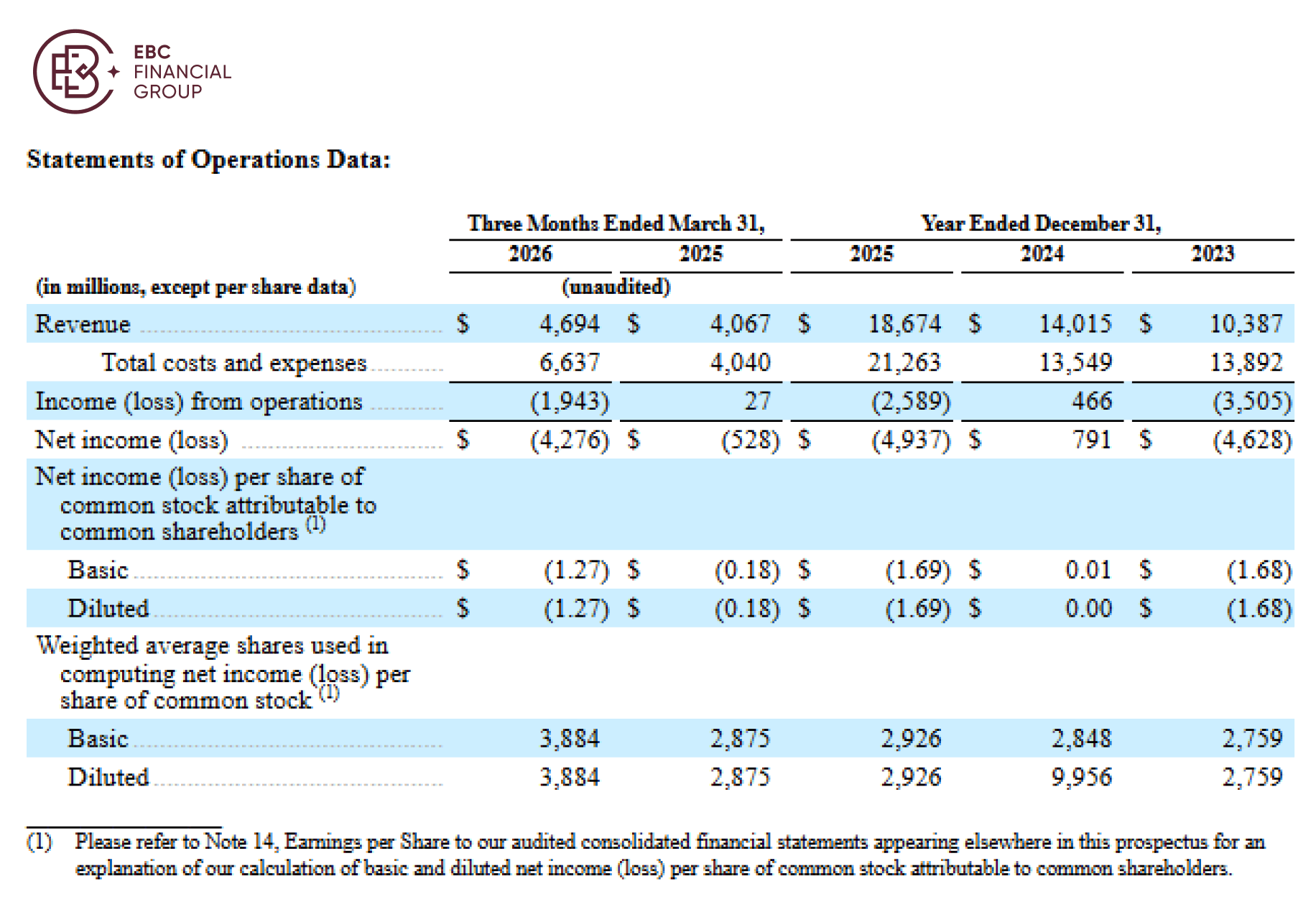
SK Hynix is also pursuing a US secondary listing in order to ramp up output as the increasing need for memory chips to power AI data centres cause a severe supply shortage.
Nvidia unveiled a series of strategic agreements with some of South Korea's largest technology groups on Monday including SK Hynix, strengthening its position in the AI ecosystem.
CEO Jensen Huang called the latest global tech stocks selloff that began last week a buying opportunity. He added the industry was in the early stages of constructing infrastructure.
Chipmakers are by far the biggest winners, but their recent surge is lending urgency to the debate over whether investors are buying into another dot-com bubble that's due to burst.
The Philadelphia Stock Exchange Semiconductor Index is on pace for its best quarter ever. The stakes are increasingly high because the stock market has become so reliant on chipmakers for growth.
Bulls anticipate long-term expansion fuelled by structural transformations within the sector, while bears argue the current surge is merely a speculative reaction to a temporary trend.
Investors should exercise caution regarding US stocks Some 70% of those bear-market signals have recently been triggered, according to BofA strategists. The team advise profit taking at present.
Even within technology, the spread between the best and worst performing quintiles was the widest it's been since February 2000. The extreme divergence indicates "excessive speculation".
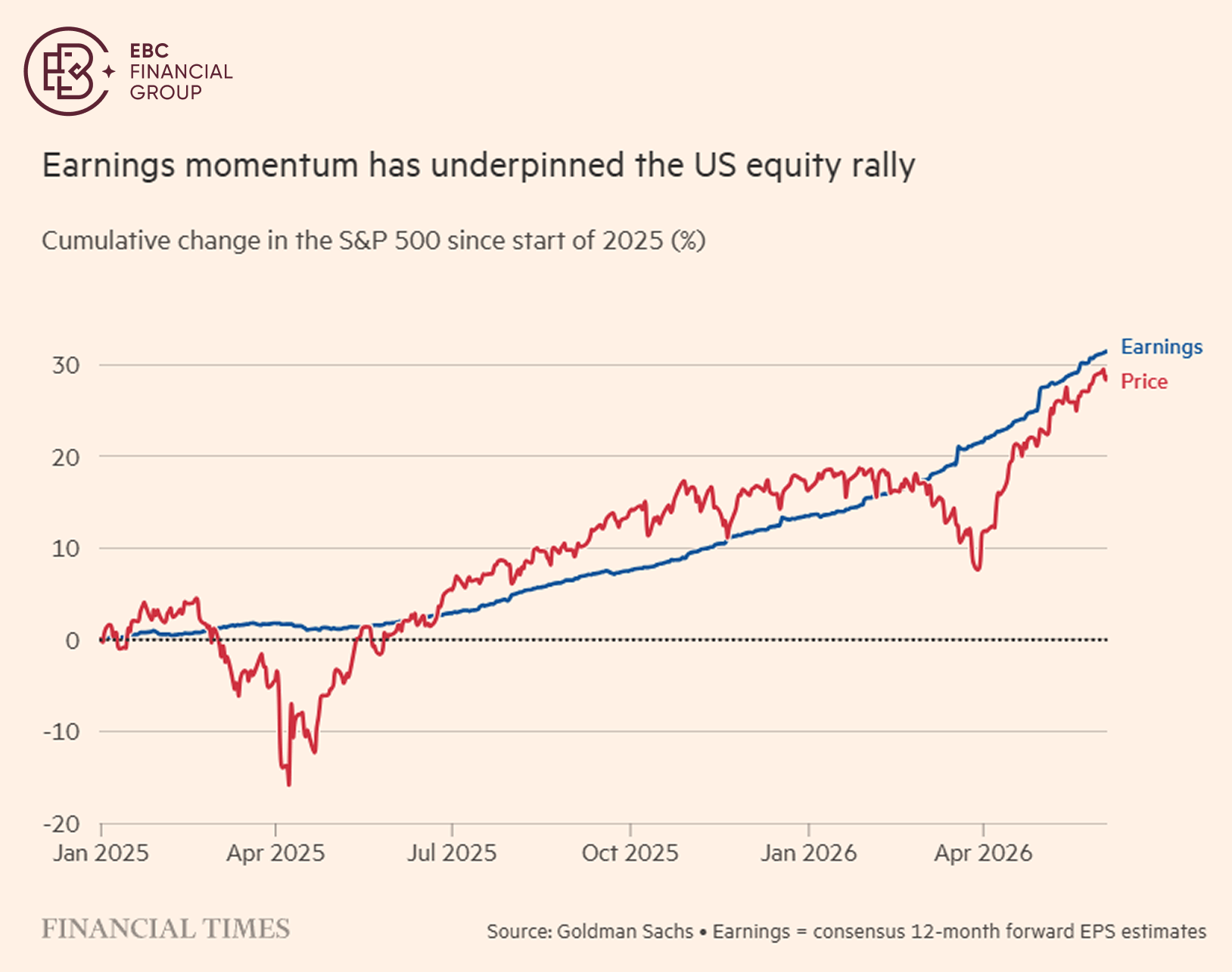
But according to FT, the S&P 500's forward 12-month price-to-earnings ratio has actually declined, from 22 times at the start of the year to 21 times today, justifying the index's record breaking streak.
Setting aside Big Tech, the median constituent still reported EPS growth of 14%, making this the strongest quarter in over a decade outside of the 2018 tax cuts and the 2021 economic reopening.
Software stocks have rebounded from a punishing selloff as investors are betting that AI may turn out to be a booster rather than a challenger. SaaSpocalypse was the talk of the town in Q1.
Investors flock to firms that are expected to integrate AI and adjust price models by charging clients based on actual usage, while steering clear of firms that charge fees based on headcount.
For instance, Microsoft is seen as a safe bet even though much of its revenue is subscription-based. Rogers at Eaton Vance says Copilot and Azure provide "a lot of opportunity" to capitalise on AI.
Some analysts said Salesforce is hard to replace because businesses have spent years building their day to day operations around the company's products and the cost of switching away is high.
Bur Workday's competitive moat is at risk because its primary HR and payroll datasets conform to rigid industry standards, rival AI developers can readily duplicate its product capabilities.
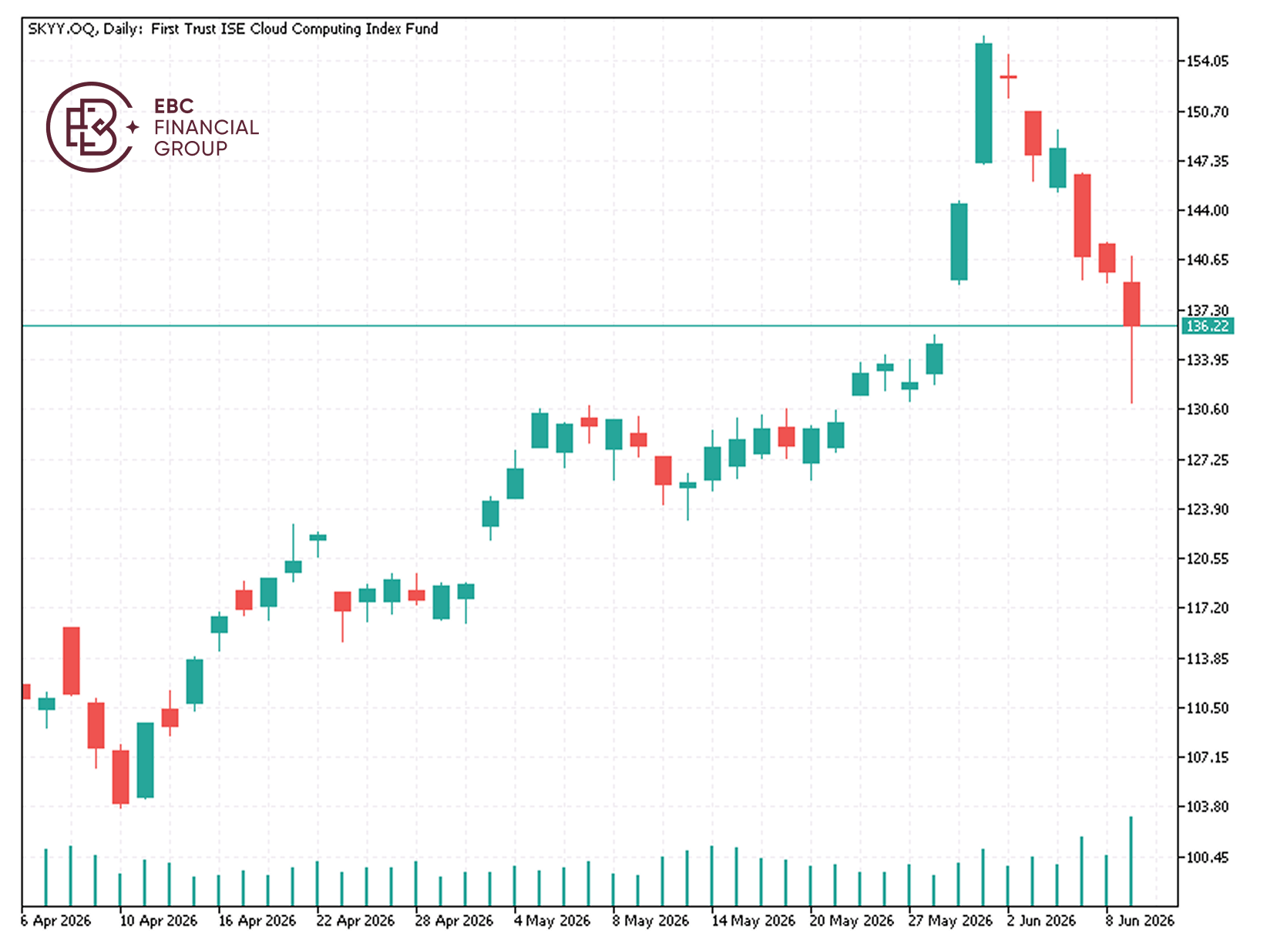
First Trust ISE Cloud Computing Index Fund dropped significantly in the first two months of 2026, before a U-turn which has helped its value head for the 4th year of gain in a row.
EBC Financial Group analyst predicts chips will likely peak before software in the current bull run. When data centre build-outs slow, software built on the infrastructure will not realize its full potential until much later.