Published on: 2026-06-11
Updated on: 2026-06-11
Kenya's shilling remains steady, but what is keeping it there, from food imports and remittances to exports and reserves, is becoming a more complicated picture. EBC Financial Group (EBC) says new first-quarter data show food imports rising to a record first-quarter level, the goods trade deficit widening and remittances from Saudi Arabia falling sharply. The concern is not that the shilling is about to fall. It is whether Kenya has enough foreign currency coming in to cover what it is spending on imports if that spending keeps rising.
A steady shilling helps contain the local price of imported food, but it does not shrink the bill. Wheat, rice, edible oils and sugar still have to be paid for in United States dollars (USD), and Kenya is spending more of them than ever on food imports. The Central Bank of Kenya (CBK) said the Kenyan shilling (KSh) traded at KSh129.37 per USD on 4 June 2026, compared with KSh129.52 on 28 May, while foreign exchange (FX) reserves stood at USD13.201 billion, equal to 5.6 months of import cover.
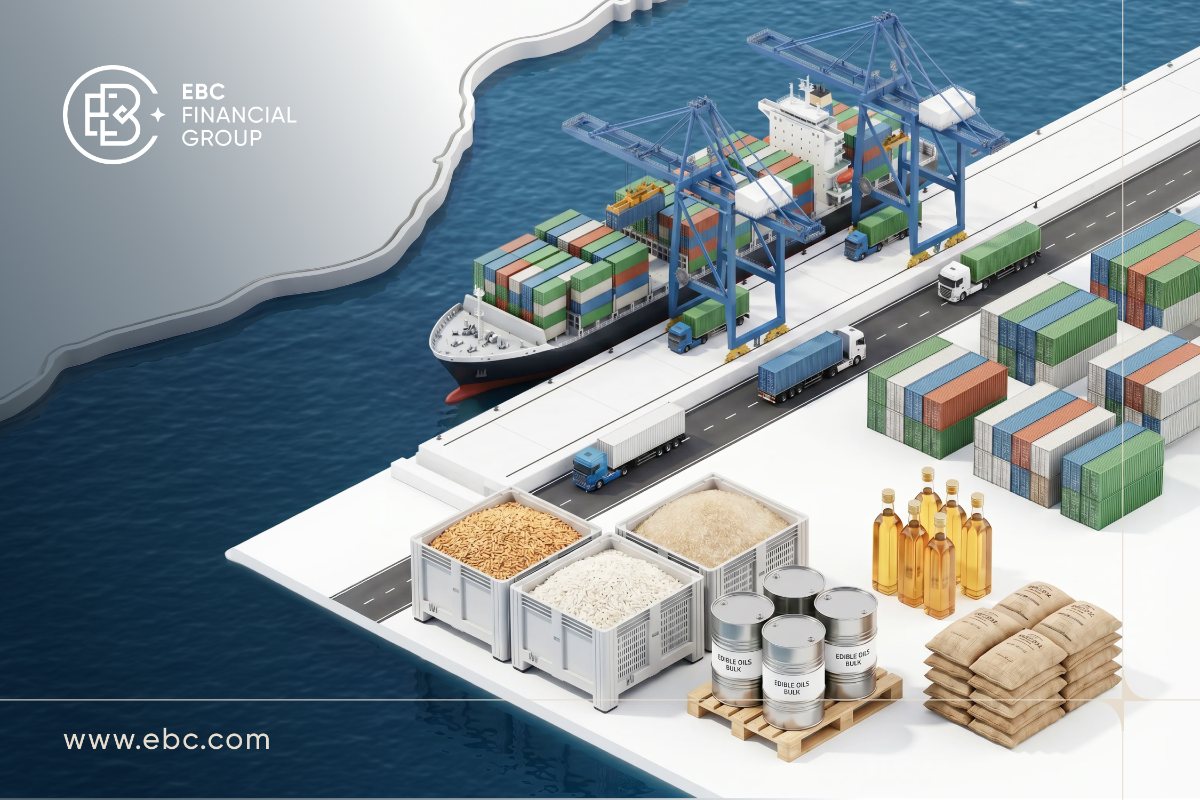
Those reserve figures offer some reassurance, but the trade data tells a less comfortable story. Kenya's food and beverage imports reached KSh81.6 billion in the three months to March 2026, the highest first-quarter level on record, according to published Kenya National Bureau of Statistics (KNBS) data. The bill rose 40.9% from KSh57.9 billion a year earlier, meaning Kenya spent about KSh23.7 billion more on imported food and drink in just three months.
Kenya's merchandise trade deficit, the gap between what the country imports and what it exports, widened 17.4% to KSh437.03 billion in the January to March quarter of 2026, from KSh372.12 billion a year earlier. Food and beverage imports accounted for roughly a quarter of the reported increase in Kenya's total import bill, based on the KSh23.7 billion rise in food imports against an estimated KSh93 billion increase in total imports.
"This is not a currency warning. It is a question about the quality of what is supporting the shilling," said David Precious, Senior Market Analyst at EBC Financial Group. "Kenya's shilling is stable and reserves remain adequate. But if food imports keep rising while a fast-growth remittance corridor (Saudi Arabia) weakens, markets will look more closely at whether the foreign currency coming in is diverse enough and reliable enough to cover what Kenya is spending."
Food imports can help Kenya bridge short-term supply gaps when drought, weak domestic output or shortages affect staples. Kenya remains dependent on imports of wheat, rice, edible oils and sugar, while maize imports are used periodically to cover local production gaps. The issue is the scale of what is happening now. Kenya's food import bill has hit a record and there is nothing in the data to suggest it is coming down. Every item on that bill still has to be paid for in foreign currency.
More imports can ease consumer prices in the short term, but they can squeeze farmers if domestic prices fall too far. Local reporting said maize prices fell from KSh4,600 to KSh4,000 over two months as cheap imports weighed on farmers, reducing margins for producers who had stored maize in expectation of higher prices. If low prices discourage farmers from planting next season, Kenya could end up relying even more on imports, buying more food from abroad, paying for it in USD and becoming more exposed to global price swings.
Remittances from Kenyans working abroad are a significant source of foreign currency, supporting household spending at home and adding to the country's foreign currency supply. Saudi Arabia is not Kenya's whole remittance story, but it had become one of the fastest-growing corridors, with cash transfers rising from USD24.07 million in the first quarter of 2020 to a peak of USD101.36 million in the first quarter of 2024.
CBK data cited in local reporting showed remittances from Saudi Arabia fell 52.38% to USD46.98 million in the first quarter of 2026 from USD98.67 million a year earlier. Saudi Arabia introduced a new skills-based permit system for foreign workers, which was reported to have disrupted employment contracts and reduced or delayed the wages that some Kenyan workers were able to send home. That decline was about USD51.7 million, or roughly KSh6.7 billion using the CBK early-June exchange rate. It is significant, but still smaller in value than the rise in Kenya's food import bill during the same period.
The Saudi decline is real enough that the CBK cut its 2026 remittance forecast, but the wider picture is more resilient than one corridor suggests. CBK cut its 2026 diaspora remittance projection by about KSh40 billion, from USD5.42 billion to USD5.1 billion, because of weaker money transfers from the Middle East. A lower forecast means less foreign currency flowing into the country than originally projected, but total remittances are still expected to grow. The United States (US) remains Kenya's largest single remittance source, with 2025 inflows of USD2.73 billion making up 54.2% of total flows, a base that helps offset weakness in Middle East corridors.
"This is about the full picture of foreign currency flows, not one corridor or one quarter of data," Precious added. "If food imports stay elevated while fast-growth remittance channels become less reliable, Kenya's foreign-currency position will depend more heavily on reserves, US inflows, export performance, tourism receipts and exports such as tea."
The next CBK remittance figures and KNBS trade release may give a clearer picture of whether the first-quarter trends are holding or turning. Kenya's position is stable for now, but how the country manages rising food imports, and how reliably money flows in from workers abroad, are the questions that bear watching.