Published on: 2023-10-16
Updated on: 2026-05-26
What makes Wells Fargo unique is not only its stagecoach logo or its long history in US banking. Its real distinction lies in the tension between heritage and repair: a 19th-century financial icon trying to prove it can meet 21st-century standards for trust, risk control and customer service.
Wells Fargo is one of the largest financial institutions in the United States, but its modern story changed in 2025 when the Federal Reserve removed the asset growth restriction imposed in 2018. That decision ended one of the most important constraints on Wells Fargo Bank USA and opened a new phase of growth, competition, and reputation rebuilding. The bank entered 2026 with about $2.2 trillion in average assets, $996 billion in average loans and $1.415 trillion in average deposits.
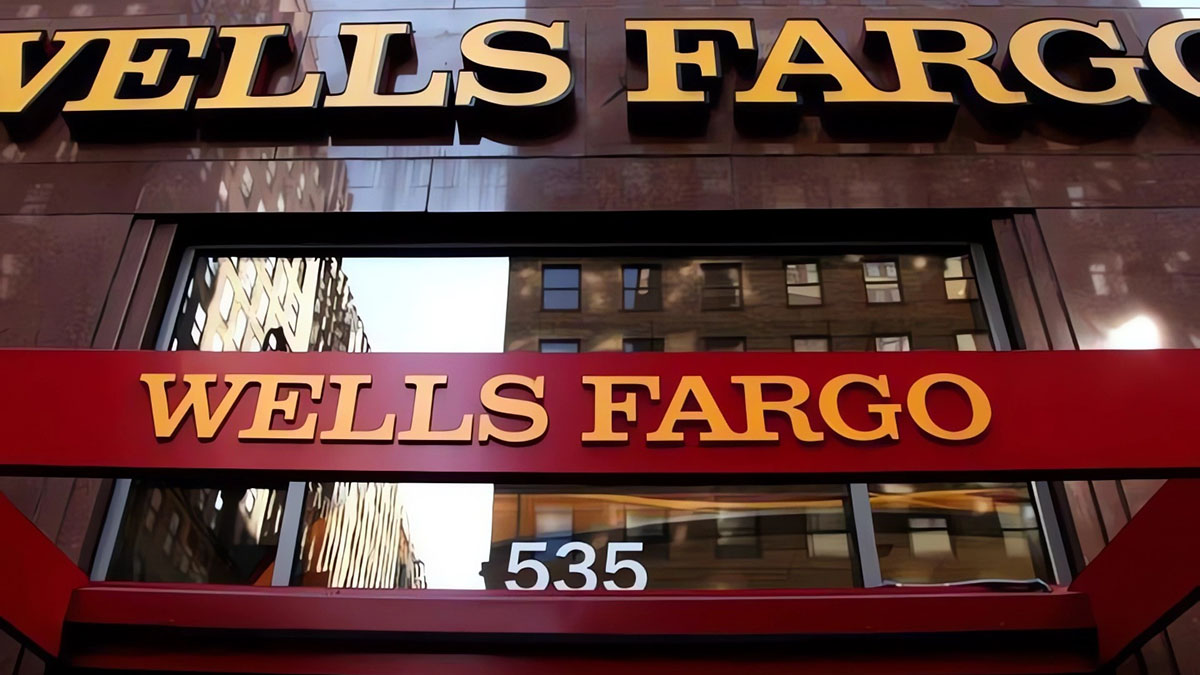
Wells Fargo is a US financial holding company, with Wells Fargo Bank, N.A. as its main national banking subsidiary.
The Wells Fargo name comes from Henry Wells and William G. Fargo, who founded Wells, Fargo & Co. in March 1852.
Wells Fargo is a commercial bank, but it also operates in consumer lending, commercial banking, investment banking and wealth management.
The Federal Reserve lifted the Wells Fargo asset cap in June 2025, following years of remediation in governance and risk management.
The Wells Fargo brand remains unusually recognisable because its stagecoach logo links banking, transportation and frontier-era trust.
The next test is whether Wells Fargo can grow without weakening the controls put in place after its sales practices scandal.
Wells Fargo is a diversified American financial services company. In practical terms, it is a bank for consumers, businesses, corporations and wealthy clients. It offers checking and savings accounts, credit cards, home loans, auto loans, small business lending, treasury management, investment services, brokerage and private banking.
For readers asking “what type of bank is Wells Fargo,” the answer is straightforward but layered. Wells Fargo & Company is a publicly traded financial holding company. Wells Fargo Bank, N.A. is the national bank that provides most of its banking services. That makes Wells Fargo a commercial bank, but not only a commercial bank.
The company reports through four main operating segments: Consumer Banking and Lending, Commercial Banking, Corporate and Investment Banking, and Wealth and Investment Management. This structure gives Wells Fargo exposure to household deposits, business credit, capital markets activity and long-term client assets. Its first-quarter 2026 filings show Consumer Banking and Lending revenue of nearly $10.0 billion, while Wealth and Investment Management held $2.483 trillion in company-wide client assets.
Wells Fargo history begins with Henry Wells and William G. Fargo. In March 1852, they founded Wells, Fargo & Co. to provide express and banking services at a time when the California Gold Rush created urgent demand for reliable money movement, freight delivery and financial security.
That origin explains the meaning of Wells Fargo. The name is not symbolic or invented. It combines the surnames of the two founders. More importantly, it reflects a business built around trust in motion. Customers needed gold, cash, documents, and valuables transported safely over long distances. Wells Fargo linked finance with logistics before modern banking networks existed.
The company later became tied to the American West, even though it was founded in New York. Its San Francisco presence, express offices and stagecoach routes helped shape the Wells Fargo background still visible in the brand today.
The modern Wells Fargo company was shaped by consolidation. In 1905, its banking and express operations separated, and the banking business merged with Nevada National Bank to form Wells Fargo Nevada National Bank. In 1998, Norwest Corporation merged with Wells Fargo and kept the Wells Fargo name because the brand carried stronger national recognition. The 2008 acquisition of Wachovia later expanded Wells Fargo’s footprint across the US.
This history matters because Wells Fargo did not become famous simply by being old. It became famous by attaching banking to dependability. That is also why its later reputational damage was so costly.
The bank’s reputation was damaged after employees opened unauthorised customer accounts to meet aggressive sales goals. The fallout led to fines, leadership changes, consent orders and a Federal Reserve asset cap in 2018.
That asset cap mattered because it limited Wells Fargo’s ability to grow its balance sheet while competitors expanded. It also turned Wells Fargo into a case study in how weak incentives can undermine a strong brand.
In June 2025, the Federal Reserve removed the growth restriction after determining that Wells Fargo had met the required conditions tied to governance and risk management. However, the Fed also said that other provisions from the 2018 enforcement action would remain in effect until their own termination requirements were satisfied.
That distinction is important. The asset cap removal was a major milestone, not a full reputational reset. It gave Wells Fargo more strategic room, but it also raised expectations. Growth after a scandal carries a higher standard.
Wells Fargo is owned by public shareholders. Its shares trade on the New York Stock Exchange under the ticker WFC. Ownership is spread across institutional investors, index funds, pension funds, employees and individual investors.
The 2026 proxy statement shows more than 3.07 billion shares of common stock outstanding as of the March 2026 record date. This means no founder family or private owner controls Wells Fargo. Like other major US banks, it is largely held through public market ownership.
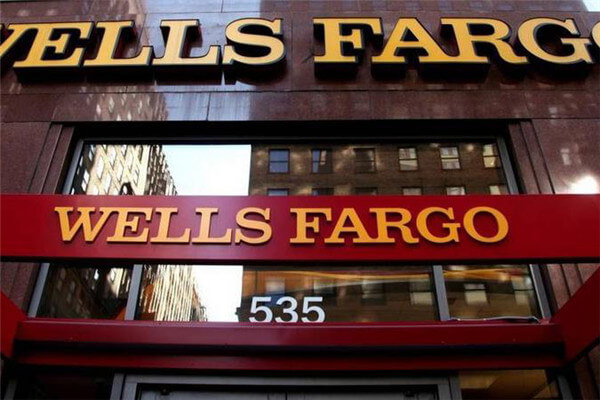
The Wells Fargo bank logo is one of the most recognizable in American finance because it does not look like a standard bank symbol. The stagecoach reflects the company’s early express business, when physical movement of money, mail and valuables was central to customer trust.
That makes Wells Fargo logo history more than design history. The red-and-gold stagecoach conveys what the brand aims to represent: reliability, movement, and protection. The challenge is that a strong logo cannot carry a weak customer experience. Wells Fargo’s brand value depends on whether the modern bank can live up to the trust implied by the old symbol.
What makes Wells Fargo unique today is the combination of scale, domestic focus, brand memory and regulatory repair.
JPMorgan Chase is larger. Bank of America has a broader national consumer franchise. Citigroup is more global. Wells Fargo sits in a different lane: a deeply US-focused bank with large household deposits, commercial banking relationships, wealth management reach and a brand rooted in American financial history.
Its strengths are clear. A large deposit base supports lending. Commercial relationships create treasury and credit opportunities. Wealth management gives the bank fee income that can help offset rate-cycle pressure. The post-2025 removal of the asset cap gives Wells Fargo room to pursue growth that was previously constrained.
Its risks are equally clear. Credit costs can rise if households or businesses weaken. Commercial real estate exposure remains an area to watch across the banking sector. Reputational recovery can also fade if customer service, incentives or internal controls slip. Wells Fargo’s biggest competitive advantage is trust, but trust is also the easiest asset for a bank to damage.
Yes. Wells Fargo is a commercial bank through Wells Fargo Bank, N.A. It also operates as part of a larger financial holding company with consumer, commercial, investment, and wealth management businesses.
Wells Fargo is known for consumer banking, mortgage and auto lending, commercial banking, wealth management and its stagecoach brand. It is also known for its post-scandal turnaround and the 2025 removal of its Federal Reserve asset cap.
Wells Fargo was founded in New York in 1852, but its identity became closely tied to California, San Francisco and the American West through its banking and express business.
Wells Fargo is publicly owned. Its shares trade under the ticker WFC, with ownership spread across institutional investors, index funds, retirement accounts, employees and individual shareholders.
Wells Fargo is unique because it combines a famous American banking brand, a large domestic banking network, commercial lending strength, wealth management scale and a major post-2025 regulatory reset.
Wells Fargo remains a legendary US financial icon, but its future will not be decided by nostalgia. The Wells Fargo brand still carries a powerful meaning, yet modern banking rewards execution, controls and customer confidence more than heritage.
The 2025 removal of the asset cap gave Wells Fargo a new opening. The bank now has more freedom to grow deposits, loans and fee businesses in 2026. The harder task is proving that growth can happen without repeating the cultural mistakes that damaged its reputation. That is what makes Wells Fargo unique: it is both a historic banking name and a live test of whether institutional trust can be rebuilt at scale.
Disclaimer: This material is for general information purposes only and is not intended as (and should not be considered to be) financial, investment or other advice on which reliance should be placed. No opinion given in the material constitutes a recommendation by EBC or the author that any particular investment, security, transaction or investment strategy is suitable for any specific person.