Published on: 2026-05-13
Updated on: 2026-05-13
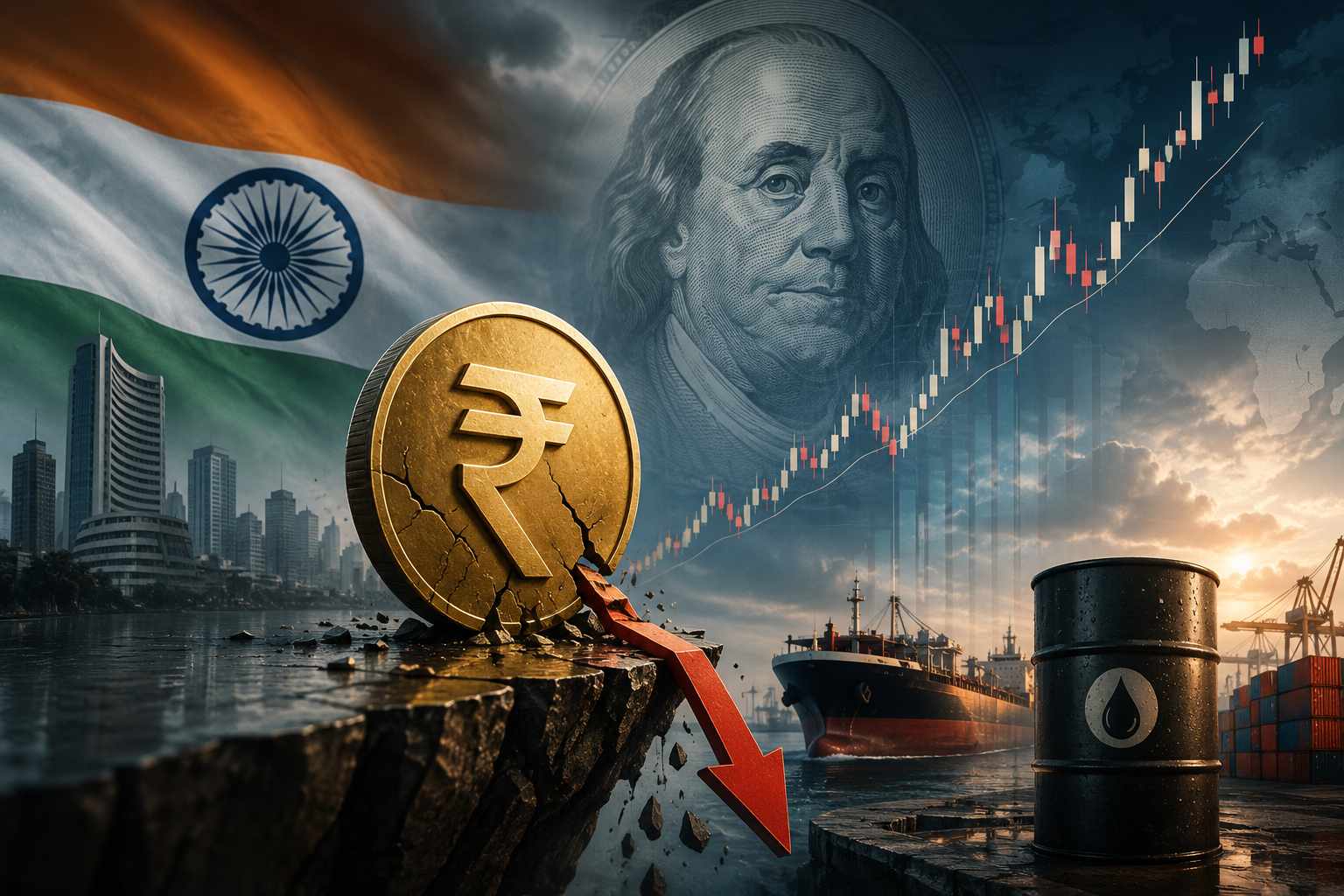
India’s gold import duty hike reverses the anti-smuggling logic of the 2024 duty cut. New Delhi reduced customs duties on gold and silver from 15% to 6% in July 2024; the new 15% regime widens the official-versus-unofficial supply gap again. (Press Informaton Bureau)
The tariff is a rupee defence tool, not a jewellery market adjustment. The government raised effective duties on gold and silver to 15% from 6% to curb overseas purchases and reduce pressure on foreign-exchange reserves.
Retail investors are misreading the demand signal. India’s Q1 2026 gold demand rose 10% year over year to 151 tonnes, while investment demand rose 54% to 82 tonnes and overtook jewellery demand. (World Council Gold)
Higher tariffs may cut official imports without killing gold appetite. Domestic MCX gold averaged INR151,108 per 10g in Q1 2026, up 81% year over year, yet total demand still increased.
Silver is the harder policy problem. India’s silver import volume rose 42.03% in FY26, while import value rose sharply, showing pressure from both physical demand and price inflation.
The next market signal is the domestic premium. If Indian bullion trades persistently above landed import parity, the spread is pricing scarcity, currency stress and grey-market arbitrage in the same quote.
India’s gold import duty hike puts New Delhi back inside the policy trade-off it tried to ease in 2024: lower duties narrowed the official-versus-unofficial price gap, but record bullion prices turned legal imports into a larger foreign-exchange drain. India cut customs duties on gold and silver from 15% to 6% in July 2024, then reinstated an effective 15% duty structure in May 2026 as officials sought to curb imports and conserve foreign exchange.
Retail investors are reading the order as a simple price shock. The sharper misread is demand: India is not fighting tonnes alone; it is fighting the dollar value of a bullion habit that has shifted from jewellery consumption into defensive allocation.

A rise from 6% to 15% widens the landed-cost wedge between official imports and global prices. That does not mechanically translate into a 9% retail-price jump because local bullion prices also reflect USD/INR, GST, making charges, dealer premiums and pre-hike inventory.
India cut duties in 2024 because high taxes had distorted the bullion market. The official Budget statement said customs duties on gold and silver were reduced from 15% to 6% to enhance domestic value addition in gold and precious-metal jewellery. The new duty structure restores the old tension: protecting foreign-exchange reserves now risks reviving the unofficial flows that lower taxes had helped suppress.
India is not trying to stop households from liking gold. It is trying to stop gold demand from becoming a currency problem.
Domestic MCX spot gold averaged INR151,108 per 10g in Q1 2026, up 81% from a year earlier. Total Indian gold demand still rose 10% year over year to 151 tonnes. Investment demand rose 54% year over year to 82 tonnes, surpassing jewellery demand. In value terms, Indian gold demand rose 99% year over year to INR2.275 trillion in Q1 2026.
That shift weakens the tariff channel. Jewellery buyers respond to higher prices by reducing gram weight, exchanging old ornaments or delaying purchases. Investment buyers often respond differently. Rising prices can validate the hedge, especially when the rupee is under pressure and households view gold as protection against currency erosion.
The tariff targets affordability, while the marginal buyer is reacting to currency risk.
| Indicator | Latest Reading | Market Consequence |
|---|---|---|
| Gold and silver import duty | 15%, from 6% | Widens the landed-cost gap between official bullion and unofficial supply |
| 2024 gold and silver duty cut | 15% to 6% | Shows the government previously prioritised formalising trade |
| Q1 India gold demand | 151 tonnes, up 10% y/y | Demand survived record domestic prices |
| Q1 investment gold demand | 82 tonnes, up 54% y/y | Investment replaced jewellery as the marginal demand driver |
| Q1 MCX average gold price | INR151,108 per 10g, up 81% y/y | Price strength validated the hedge instead of destroying demand |
| FY26 silver import volume | Up 42.03% | Silver pressure reflects real demand, not price inflation alone |
The core policy problem is value, not volume. India’s gold and silver import bill stood at $84.03 billion in FY26, up 33.7% year over year. Gold imports rose 24.08% in value to $71.98 billion, even as import quantity fell 4.78% to 721.03 tonnes. Silver imports rose 149.48% in value, while volume climbed 42.03% to 7,334 tonnes. (The Financial Express)
A tariff works cleanly when demand is discretionary, enforcement is tight, and substitutes are limited. Gold sits outside that clean policy model.
Demand is emotional, cultural and financial. Enforcement must cover borders, passengers, refineries, dealers and informal networks. Substitutes include ETFs, recycled household gold, informal imports and deferred jewellery purchases.
The duty wedge is the pivot. If official landed bullion becomes too expensive against unofficial supply, the market starts paying for evasion. That premium appears in local quotes, dealer spreads and abnormal gaps between domestic prices and import parity.
If domestic premiums stay contained, the tariff can slow official imports and reduce dollar demand at the margin. If premiums widen, the tariff increases the economic incentive for unofficial supply.
That is the contradiction now embedded in the policy designed to conserve reserves, which can recreate the leakage channel it previously tried to close.
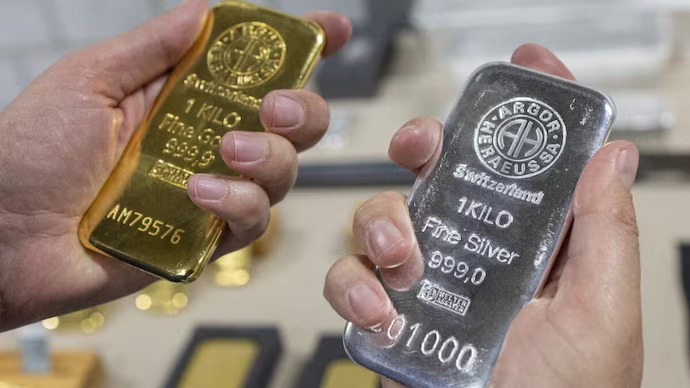
Silver should not be treated as gold’s smaller cousin in this tariff cycle.
Gold imports became expensive mainly because prices rose. Silver imports became more expensive because prices rose and volumes climbed. India imported 7,334 tonnes of silver in FY26, up 42.03% from the previous year. Silver import value rose 149.48% in FY26, while unit prices rose 75.77%.
That split changes the policy reading. Gold is mainly a household-wealth and currency-hedge problem. Silver carries those features plus industrial demand from electronics, solar equipment, autos and electrification supply chains.
A higher tariff can delay investment buying or jewellery demand. It exerts less pressure on industrial restocking if firms fear supply gaps or price acceleration. Silver may therefore remain a pressure point even if consumer bullion demand slows.
India’s foreign-exchange reserves declined by $7.794 billion to $690.693 billion in the week ended 1 May 2026, while foreign-currency assets fell by $2.797 billion to $551.825 billion. Gold reserves dropped by $5.021 billion to $115.216 billion during the same week. (Business Standard)
That places the customs order inside a broader currency-defence framework. Every official bullion import converts domestic savings demand into foreign-currency demand. When global gold and silver prices rise faster than volumes fall, the import bill drains dollars even in a weaker consumption cycle.
If USD/INR stabilises and domestic bullion premiums remain narrow, the tariff can serve as a defensive buffer. It buys time for recycled supply to rise, jewellery demand to cool and import demand to fall.
If USD/INR keeps weakening, traders will treat the hike as a stress signal. The market will assume policymakers are reaching for customs tools because the external account needs relief.
Jewellers face a sourcing problem before they face a demand collapse.
Retailers with pre-hike inventory may benefit briefly if local prices reprice upward. New inventory becomes costlier. Consumers respond by exchanging old gold, reducing purchase weight or shifting toward lower-ticket designs. Larger organised jewellers gain an edge if they can source recycled gold efficiently.
Household gold becomes the hidden buffer. Indian gold recycling reached 31.2 tonnes in Q1 2026, up 20% year over year and 44% quarter over quarter. Exchange of old gold accounted for around 40% to 60% of jewellery sales across retailers in Q1 2026.
ETFs sit on the other side of the adjustment. Indian gold ETF demand reached 20 tonnes in Q1 2026, up 197% year over year. If investors continue moving into financial gold, the tariff changes the route of ownership rather than the desire to own gold.
| Signal | If It Happens | Market Read |
|---|---|---|
| Domestic bullion premiums stay tight | Official import channels remain functional | The tariff is working through the formal market. Imports cool, recycling rises and the rupee gets marginal relief. |
| Domestic bullion premiums widen | Local prices trade above landed import parity | The tariff is leaking. The market is paying for unofficial supply and rebuilding the smuggling premium. |
| ETF demand keeps rising | Financial gold absorbs displaced physical demand | Policymakers may slow bullion imports without weakening gold’s defensive allocation role. Indian gold ETF demand rose 197% year over year in Q1 2026. |
| Silver volumes remain firm | Industrial and investment demand offset weaker consumer buying | Silver becomes the policy blind spot because tariff pressure cannot fully suppress industrial restocking. India’s silver import volume rose 42.03% in FY26. |
| USD/INR remains under pressure | Currency weakness keeps bullion politically sensitive | Gold import duty remains part of India’s currency-defence toolkit rather than a one-off customs adjustment. |
Has India raised the cost of bullion demand enough to slow it, or merely raised the reward for moving that demand outside the official channel?