Published on: 2026-08-21
Updated on: 2026-08-21
The historic joint US-Japan action last month has failed to shift the forces weighing on the yen. The currency stays close to a major psychological level, even though the greenback is losing credibility.
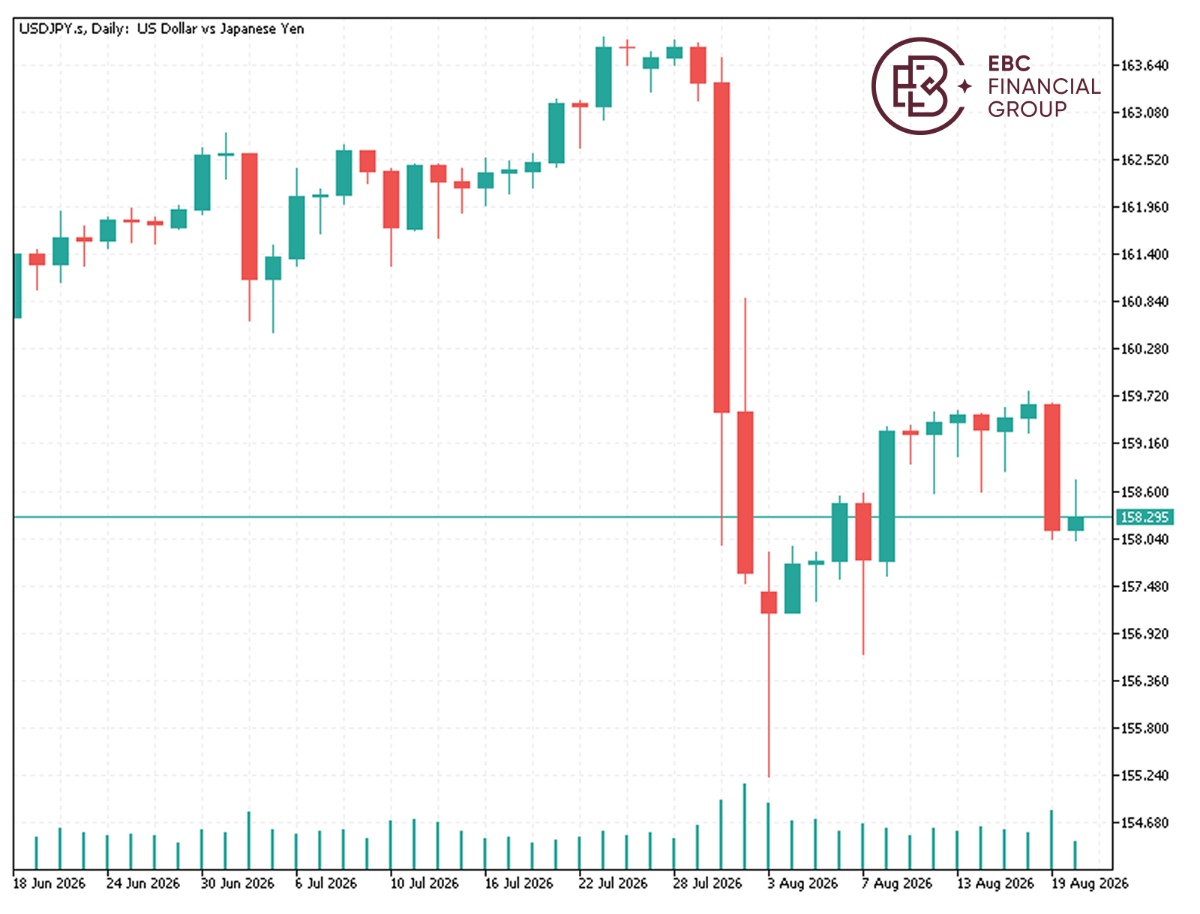
Japan's economy slowed in Q2 and missed forecasts on softer household and business spending, but analysts say robust underlying momentum and persistent price pressures are likely to jolt the BOJ into action next month.
Driven by high oil prices and inflation, the country's imports reached an all-time monthly high in July, while a weak yen and AI-driven chip boom pushed exports to record levels as well.
Crude oil import volumes have rebounded as alternative supplies, mainly from the US, replace Middle Eastern shipments. Longer trade routes contributed to the higher energy costs.
The surge in exports highlights resilient external demand, providing critical support to an economy increasingly dependent on overseas shipments to counterbalance soft domestic consumption.
Still, Japan was running a trade deficit of over $600 billion on the month. That will likely widen as crude prices have been powering ahead this month amid heightened geopolitical uncertainty.
Analysts caution that higher wholesale prices and import bills may soon trickledown to consumers, threatening retail spending later this year, despite of government subsidies to soften the blow.
The PPP measure suggests the yen's fair value is 97 per dollar, but the analysis has been shrugged off. Japan's low borrowing costs relative to the US prompts carry trades, the biggest driver of the currency move.
Over the past three years, the two-year yield differential between the US and Japan has contracted by roughly 50%. However, the yen has fallen further, which analysts said signals severe depression.
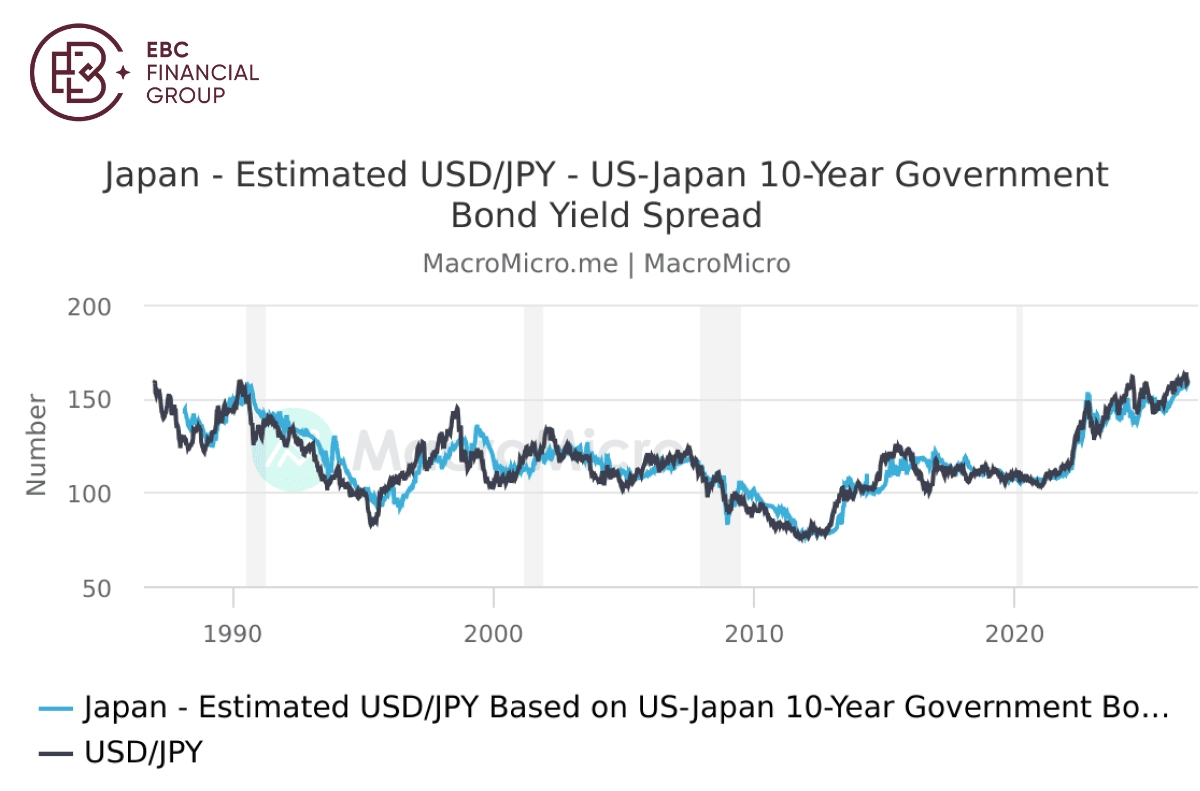
"The market can't price the yen so far away from fundamentals for a long time," said Michael Metcalfe, global head of macro strategy at State Street. Some officials also use the deviation to defend forex intervention.
But investment bank models that price the yen for the short term paint another picture. HSBC puts fair value near the current market price, while Morgan Stanley suggests it could move towards 165 to 167 per dollar.
"For as long as the BOJ is behind the curve, then yen-funded carry trades can continue to flourish," said George Efstathopoulos at Fidelity International. Speculative short bets declined as of 11 August, CFTC data showed.
Japan's core CPI rose 1.8% in July from a year earlier as firms passed on rising import costs. The rate is expected to overshoot the BOJ's target in the coming months, leading to a tighter monetary policy.
Some traders argued that raising interest rates alone can hardly save the currency. Instead, higher rates may highlight distress in a nation with sovereign debt near 200% of GDP.
Japan has become the centre of a global bond selloff with 10-year government bond yield hitting roughly 3% for the first time since the mid-1990s. That could pose a challenge to Takaichi's blueprint.
Her argument for spending more relies on the idea that economic growth will outpace interest rates. In that scenario, the enormous debt burden would remain sustainable without jeopardising fiscal stability.
Tokyo will not cap spending requests for key growth sectors in next year's budget. The ambitious investment, along with lost cash from a planned food tax cut, means larger financing needs.
JGB yields will keep rising unless the government stops using subsidies and tax cuts to lower living costs. Furthermore, Treasury yields stay at high levels amid fiscal jitters, which could dampen JGBs' appeal.
Total US public debt surpassed $40 trillion for the first time, and has now surged by a third in less than five years. Still the gross debt-to-GDP ratio is around 126, far below over 200 for Japan.
Souring roughly 94% of its oil from the Middle East, Japan is widely considered the most vulnerable to oil supply disruptions among all G7 nations, which deprives the yen of its safe haven status.
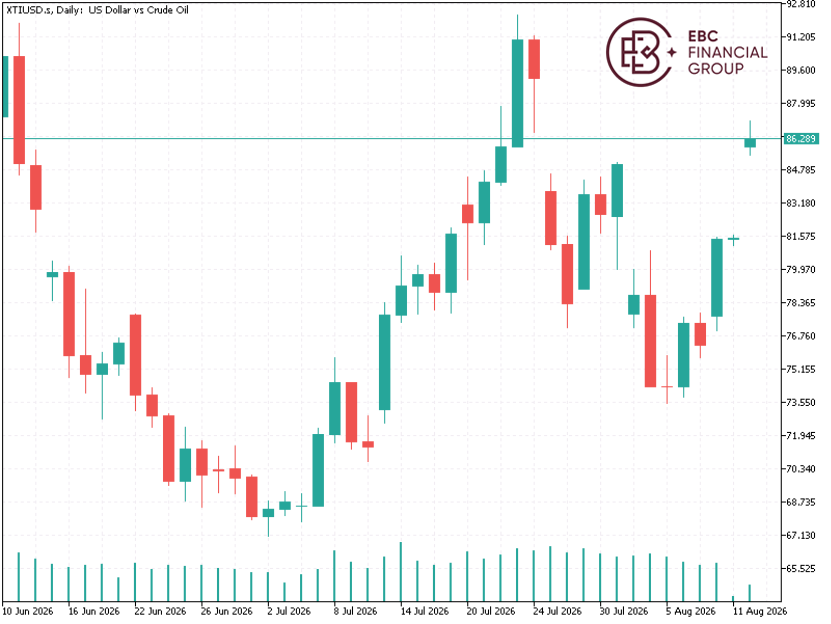
Oil prices are edging closer to their July highs, even after Bessent says the US will unlikely restart large-scale Iran combat. The 60-day temporary truce agreement expired earlier this week.
There is no clean-cut path for the yen to pull out of its slump. But given Bessent's commitment to backing the yen, selling the rallies is a safer strategy than joining the panic-driven shorts.