Published on: 2026-05-29
Updated on: 2026-05-29
LTP stands for Last Traded Price, the price at which the most recent buy and sell orders matched on the exchange. It shows the last confirmed trade, but not the price the next order will necessarily receive.
In India’s automated order-book market, that distinction matters. Every new trade can update the LTP, but only live liquidity determines execution. With NSE’s registered investor base crossing 13 crore unique investors on April 27, 2026, reading LTP correctly has become a basic market skill, not a trading detail.
The costly shortcut is treating the visible price as the available price. When LTP and live quotes diverge, traders should look beyond the last trade and check bid, ask, spread, volume and depth.
LTP records the latest completed trade. It is a reference point, not proof that the same price is still available.
Bid and ask reveal the next executable zone. Buyers face the ask, while sellers face the bid.
Spread shows the first execution gap. A ₹2 spread on a ₹100 stock creates 2% price friction before other costs.
Volume and depth test whether LTP can hold. Thin liquidity can cause the last price to become stale within seconds.
Closing price answers a different question. It is an official market reference, while LTP is only the latest transaction price.
LTP means Last Traded Price: the price at which the most recent transaction happened on the exchange. If 50 shares trade at ₹248.60, the LTP becomes ₹248.60 until another trade updates it.
That makes LTP useful, but incomplete. It confirms where the last buyer and seller matched, not whether the same price is still available.
The next order depends on the live order book. If the best seller has moved to ₹249.20, a buyer may not execute at the ₹248.60 LTP.
That is why traders need five signals before buying or selling: LTP, bid, ask, spread and depth.
The table below separates the last traded price from the live signals that decide the next execution.
| Price signal | What it shows | What it does not show | Execution implication |
|---|---|---|---|
| LTP | Last completed trade | Next guaranteed trade price | A reference point, not an execution promise |
| Bid price | Highest active buyer price | Seller interest above that level | The key price for sellers |
| Ask price | Lowest active seller price | Buyer interest below that level | The key price for buyers |
| Bid-ask spread | Gap between bid and ask | Long-term stock value | The first measure of execution cost |
| Volume and depth | Traded activity and available quantity | Guaranteed price stability | Shows whether the next order can absorb size |
The most important row is the bid-ask spread. It shows why a stock can trade near LTP but still execute at a different price.
The bid price is the highest price buyers are currently willing to pay. If the best bid is ₹499.80, a market sell order usually starts there.
That matters because sellers do not execute against LTP. They execute against available bids, and larger orders may move down the bid stack if the top level has limited quantity.
A seller should compare the LTP to the bid before assuming the price is still available.
The ask price is the lowest price sellers are currently willing to accept. If the best ask is ₹500.40, a market buy order may execute there even if LTP still shows ₹500.
That gap is not an error. It means the last trade happened at one price, while the next available seller is quoting another.
For buyers, the ask reveals the real entry price more directly than LTP.
The spread is the gap between the best bid and the best ask. A narrow spread signals tight liquidity. A wide spread signals higher execution risk.
A stock with an LTP of ₹100, a bid of ₹99.90 and an ask of ₹100.05 has a 15-paise spread. A stock with an LTP of ₹100, a bid of ₹98 and an ask of ₹102 has a ₹4 spread.
Both show the same LTP, but only one offers tight execution.
Volume shows how much trading has taken place. Depth shows how much quantity is available at each price level.
A stock may show a recent LTP but weak depth. If only a small quantity is available at the best ask, a larger market order may sweep through several price levels and execute at a higher average price.
That is why LTP should never be read without quantity. Price shows where the last trade happened; depth shows how much stock is actually available around that price.
LTP is most useful when trades are frequent, spreads are tight, and depth is visible near the last price. In that setting, the last trade usually sits close to the next executable quote.
It weakens when liquidity thins. A stock may show a recent-looking LTP even after buyers and sellers have moved away, leaving the last price stale.
Timing matters as well. During NSE’s normal equity session from 09:15 to 15:30, fresh trades can update LTP continuously. Outside active matching periods, the number may remain visible, but its execution value falls.
The test is simple: if bid, ask, spread, and depth still align with LTP, the signal remains useful. If they diverge, LTP has become history.
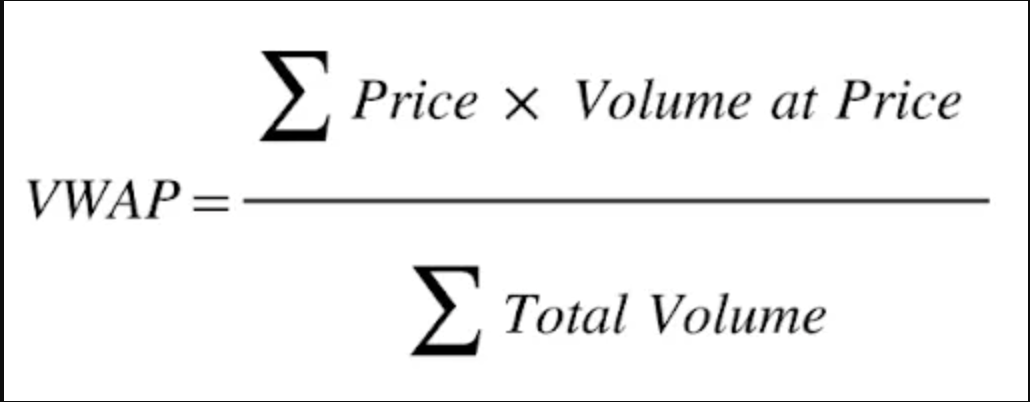
VWAP, ATP and closing price are reference prices, not live execution signals.
VWAP shows the average price weighted by trading volume. ATP shows the average traded price across completed transactions. Both help traders judge execution quality, but neither shows the next available bid or ask.
Closing price is different again. It is an official end-of-day reference used for charts, reporting and settlement context. LTP updates through trades during the session; closing price serves a formal market reference role.
This distinction matters more as India moves toward auction-based closing-price discovery. SEBI introduced the Closing Auction Session framework for the equity cash segment in January 2026, with market reporting pointing to phased implementation from 3 August 2026.
The clean rule is this: LTP shows the last trade, bid and ask show live execution, and closing price shows the official market reference.
LTP means Last Traded Price. It is the price of the most recent completed trade on the exchange. If a stock last traded at ₹750, its LTP remains ₹750 until another trade updates it.
Not exactly. LTP is often treated as the current price, but actual execution depends on the live bid, ask and available quantity. In liquid stocks, the gap may be small. In illiquid stocks, it can be large.
Because your order meets the current order book, not the last completed trade. Buyers usually execute against the ask, while sellers execute against the bid. If liquidity has moved, execution can differ from LTP.
LTP updates whenever a fresh trade occurs. The closing price is an official end-of-day reference used for reporting, charting, and settlement. One reflects the latest trade; the other reflects the market’s formal close.
Yes. In low-volume stocks, LTP may stay unchanged even after live buyers and sellers have moved away. That can make a stock look more stable or more tradable than the order book actually suggests.
Each NSE session from 09:15 to 15:30 gives traders the same test: whether the last visible trade is still supported by live bids, asks, spreads and depth. From 3 August 2026, the Closing Auction Session will add a separate auction-based closing price reference for eligible stocks, further clarifying the distinction between LTP and official close.
The last trade shows where the price has been; the order book shows where the next trade can happen.