Published on: 2026-06-03
Berkshire’s Taylor Morrison deal is small relative to a cash and Treasury-bill position near $400 billion. As a signal about Greg Abel’s capital-allocation style, it is anything but. The $8.5 billion transaction is a bet that America’s frozen housing market is closer to thawing than breaking.
Berkshire Hathaway agreed on May 31, 2026, to buy Taylor Morrison for $72.50 per share in cash, valuing the homebuilder’s equity at about $6.8 billion and its enterprise value at roughly $8.5 billion. The offer represents a 24% premium to Taylor Morrison’s $58.50 closing price on May 29, with closing expected in the second half of 2026, subject to shareholder and regulatory approvals.
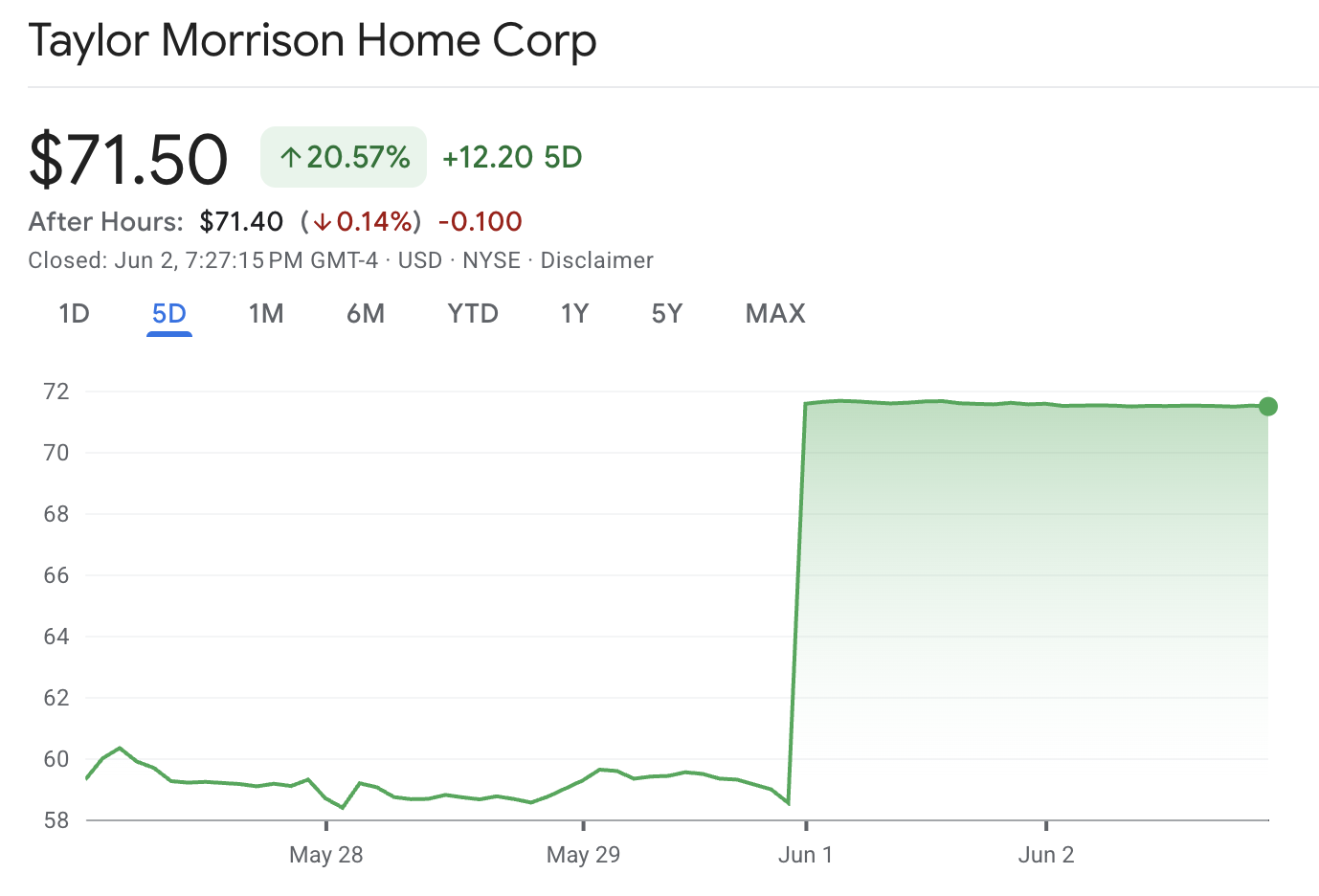
The price is not the real story. Berkshire has the balance sheet to pursue far larger deals. The message is more important: Abel is using Berkshire’s permanent capital to buy a scaled homebuilding platform while the industry is still priced around weak turnover, elevated mortgage rates and cautious buyers.
Berkshire is paying $72.50 per share in cash for Taylor Morrison, a 24% premium and an enterprise value of about $8.5 billion.
The deal is a housing-cycle bet. Berkshire is buying into homebuilding while mortgage rates remain elevated and transaction volumes are still subdued.
Taylor Morrison brings national scale, with more than 350 communities across 21 markets in 12 states, plus mortgage, title, escrow and homeowners insurance operations.
Greg Abel signalled a platform strategy, with Berkshire expecting to unify its site-built homebuilding operations over time.
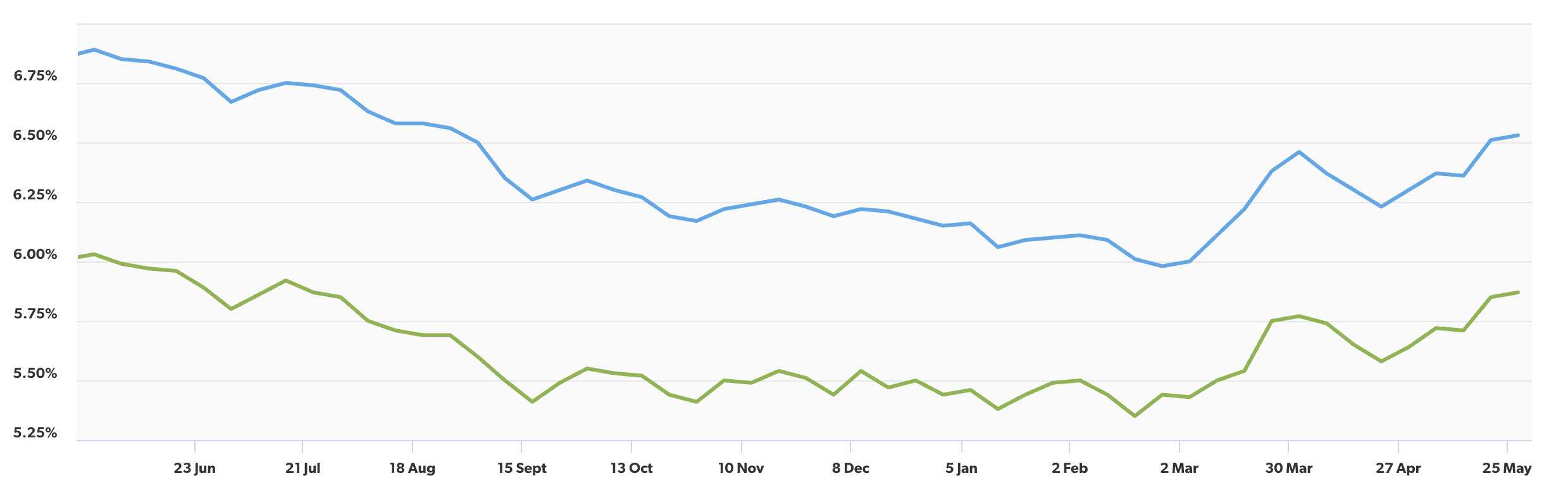
The housing backdrop is mixed, not euphoric. Existing-home sales remain near a 4 million annual pace, new-home sales fell in April, and mortgage rates remain above 6.5%.
For investors, the deal suggests continuity with Buffett’s value discipline, but with more operational integration under Abel.
Taylor Morrison is not a distressed shell or a speculative asset. It is a scaled operating business with exposure to multiple housing categories.
The company serves entry-level, move-up and resort-lifestyle buyers under the Taylor Morrison and Esplanade brands. It also develops rental communities through Yardly and provides mortgage, title, escrow and homeowners insurance services to customers.
That vertical structure gives Berkshire exposure not only to home closings, but also to the financial services attached to each transaction.
| Deal Metric | Detail |
|---|---|
| Buyer | Berkshire Hathaway |
| Target | Taylor Morrison Home Corporation |
| Offer price | $72.50 per share in cash |
| Equity value | About $6.8 billion |
| Enterprise value | About $8.5 billion |
| Premium | 24% to May 29 closing price |
| Announcement date | May 31, 2026 |
| Expected close | Second half of 2026 |
| Post-close status | Private company, delisted from the NYSE |
| Strategic signal | Site-built homebuilding platform exp |
The deal also fits Berkshire’s existing housing exposure. Berkshire already owns Clayton Homes, along with building-products businesses that touch construction, materials and home improvement. Taylor Morrison gives Berkshire a larger site-built platform and a deeper position in one of the most important physical asset classes in the U.S. economy.
The housing market Abel is buying into is still difficult. That is part of the attraction.
Mortgage rates remain high enough to suppress affordability and keep existing owners locked into cheaper loans. Freddie Mac’s 30-year fixed-rate mortgage averaged 6.53% as of May 28, up from 6.51% a week earlier but below 6.89% a year earlier. That level remains far above the pandemic-era lows that helped create today’s lock-in effect.
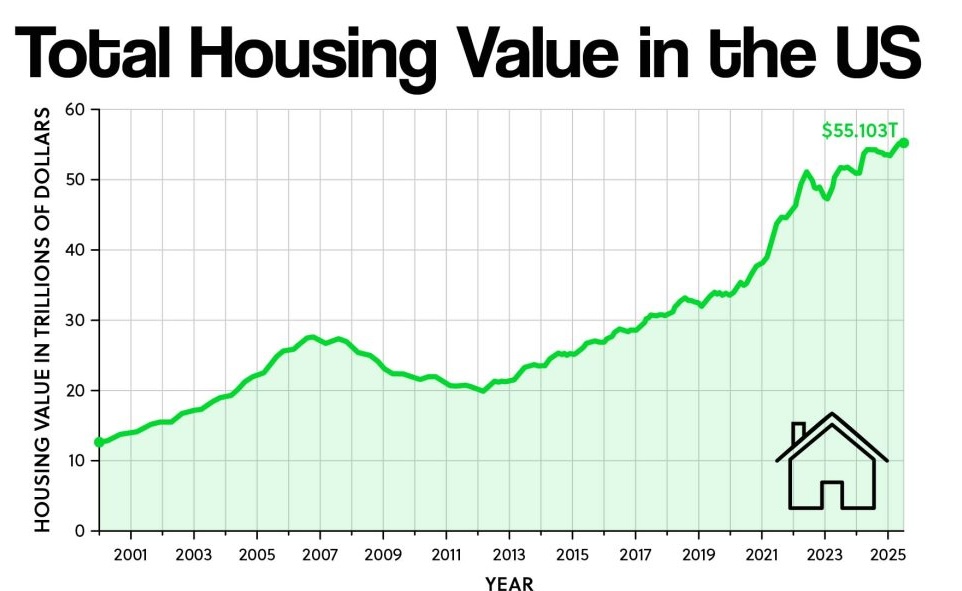
Existing-home sales rose only 0.2% in April to a seasonally adjusted annual rate of 4.02 million. Inventory increased to 1.47 million units, equal to 4.4 months of supply, while the median existing-home price rose 0.9% year over year to $417,700.
New-home sales were weaker. Sales of new single-family homes fell 6.2% in April to a seasonally adjusted annual rate of 622,000, while the supply of new homes for sale reached 9.4 months at the current sales pace.
| Housing Indicator | Latest Reading | Investor Interpretation |
|---|---|---|
| 30-year mortgage rate | 6.53% | Still restrictive, though below year-ago levels |
| Existing-home sales | 4.02 million annualised | Turnover remains subdued |
| Existing-home inventory | 1.47 million units | Supply is improving from tight levels |
| Existing-home price | $417,700 | Prices remain resilient despite weak volume |
| New-home sales | 622,000 annualised | Builder demand remains rate-sensitive |
| New-home supply | 9.4 months | Builders still face inventory discipline |
| Active listings | Up 4.6% YoY in April | Market is becoming more balanced |
| Median list price | $425,000, down 1.4% YoY | Sellers are adjusting expectations |
Realtor.com’s April data also showed a more buyer-friendly market, with active listings up 4.6% year over year and median list prices down 1.4% to $425,000. Because both median list prices and price cuts fell, sellers appeared to be adjusting expectations upfront rather than testing the market and cutting later.
That is the opportunity Berkshire is underwriting. The housing market does not need to surge for the deal to work. It needs to normalise.
The logic is classic Berkshire: buy a durable business when the cycle looks unattractive, then hold it through recovery.
Homebuilding is volatile, but the long-term demand drivers are durable: population growth, household formation, migration and chronic undersupply in many markets. The current freeze comes from financing conditions and weak turnover, not from a collapse in the need for housing.
That distinction matters. If mortgage rates drift lower, affordability improves or existing owners gradually re-enter the market, builders with land, scale and financing capacity should be better positioned than smaller competitors.
The deal also fits Abel’s operating background. Buffett’s Berkshire was known for decentralisation. Abel appears willing to preserve that culture while connecting related subsidiaries where scale can create value.
Taylor Morrison’s acquisition release states that Berkshire expects to unify its site-built homebuilding operations into a combined platform over time. That phrase matters. It suggests the deal is not just about owning another builder. It is about building a larger, more coordinated housing vertical inside Berkshire.
That direction is consistent with Abel’s broader early deal cadence. Berkshire completed its acquisition of OxyChem from Occidental on January 2, 2026, for $9.7 billion, subject to customary post-closing purchase-price adjustments.
Berkshire’s cash, cash equivalents and Treasury-bill position was near $397 billion at the end of the first quarter, before adjusting for unsettled Treasury-bill purchases. That means the Taylor Morrison acquisition uses only a small fraction of available liquidity.
That is important. Abel is not rushing to spend Berkshire’s liquidity. He is making a targeted acquisition in an industry where Berkshire already has knowledge, scale and operating adjacency.
The deal points to a subtle shift. Buffett’s Berkshire often bought excellent businesses and left them largely alone. Abel may preserve that culture while encouraging more coordination where it makes strategic sense.
In housing, that could mean better purchasing power, broader geographic coverage, shared financing capabilities and deeper operating leverage across site-built and manufactured homes.
Berkshire’s bid may also reprice investor expectations for other scaled builders. A buyer with Berkshire’s balance sheet paying a 24% premium signals that land, community count and operating scale still carry strategic value, even in a difficult rate environment.
That does not make every homebuilder a takeover candidate. It does mean the market may assign a higher value to builders with clean balance sheets, strong land positions and exposure to markets where affordability can recover fastest.
The main risk is timing.
If mortgage rates stay near the mid-6% range, affordability remains tight and the lock-in effect persists. That would keep transaction volumes low and force builders to rely on incentives, price adjustments and careful land management.
The new-home market already shows that pressure. April new-home sales fell, and a 9.4-month supply indicates builders still need to manage inventory closely.
There is also land-cycle risk. Builders carry land and development pipelines that can become less productive when demand slows. Berkshire can afford that risk, but the return on the deal depends on when demand normalises.
Berkshire’s Taylor Morrison deal is best read as Greg Abel’s first major housing-cycle statement. It is conservative in financing, contrarian in timing and strategic in structure.
The acquisition does not suggest Berkshire is abandoning Buffett’s discipline. It suggests Abel is applying that discipline with a more operational lens: buy durable assets during dislocation, connect them where scale matters and keep most of the balance sheet available for the next opportunity.
Berkshire under Abel may remain patient, but it is unlikely to be passive. The company is still buying businesses it can own for decades. The difference is that Abel appears more willing to build platforms around them. The housing market has not fully thawed. That is why the deal exists.
Berkshire Hathaway release on completion of the OxyChem acquisition, January 2, 2026
Freddie Mac Primary Mortgage Market Survey, week of May 28, 2026 (30-year FRM at 6.53%)
National Association of Realtors, Existing-Home Sales report for April 2026 (released May 11, 2026)
U.S. Census Bureau and HUD, Monthly New Residential Sales for April 2026