Published on: 2026-03-19
Japan’s central bank kept rates unchanged for a second consecutive meeting, pausing its gradual tightening cycle. This decision has heightened market focus on how much longer the BOJ will maintain its current policy.

At its two-day meeting ending Thursday, the BOJ maintained its short-term policy rate at 0.75%. It cautioned that rising oil costs due to the Middle East conflict could increase underlying inflation, signaling concern over mounting price pressures.
While the rate hold was anticipated, the accompanying statement surprised markets.
The Bank of Japan left its benchmark interest rate unchanged at the March meeting, as markets widely expected.
A hawkish board member again called for an immediate rate hike, highlighting internal divisions over the pace of policy normalization.
The BOJ cited risks from the Middle East conflict as a reason for caution, noting potential inflationary pressures from higher oil prices.
The next rate hike is viewed as a question of timing rather than likelihood, with most major forecasters expecting it by October 2026.
The Bank of Japan decided, by an 8-to-1 vote, to keep the uncollateralized overnight call rate around 0.75%.
Board member Hajime Takata dissented and proposed raising the rate to around 1.0% instead.
| Item | Bank of Japan Decision (March) |
|---|---|
| Policy rate | 0.75% |
| Vote | 8 to 1 |
| Dissenter on action | Hajime Takata |
| Takata proposal | Raise rate to 1.0% |
| BOJ guidance | More hikes if outlook is realized |
| Main new risks flagged | Middle East, crude oil, overseas economy, FX markets |
| Next BOJ meeting | April 27 to 28 |
| Next full outlook update | April meeting |
The BOJ stated that Japan’s economy has recovered moderately, though some areas remain weak. Private consumption is resilient, corporate profits are generally strong, and business investment is increasing.
Regarding inflation, the Bank noted that the year-on-year increase in CPI excluding fresh food was previously above target, partly due to higher food prices, but has recently declined to around the target level, supported by government measures to lower household energy costs.
The BOJ expects CPI inflation to temporarily fall below target, then rise again as higher crude oil prices and wage dynamics take effect.
Senior economists at major Japanese research institutions note that the Middle East conflict is increasing economic uncertainty. A spike in oil prices would raise import costs for Japan, which relies on energy imports.
The BOJ cannot raise rates during such an inflationary shock without risking a decline in consumption. Uncertainty from the Middle East justified the decision to pause.
The BOJ also aims to avoid tightening in response to external shocks that may reverse quickly, which could make policy appear overly hawkish in retrospect.
Japan’s annual inflation declined to 1.5% in January 2026 from 2.1% in December, marking the lowest level since March 2022. This decrease was driven by a sharp drop in food inflation and continued negative energy prices resulting from government subsidies.
Core consumer prices, excluding fresh food but including energy, rose 2.0% year-on-year in January 2026, down from 2.4% in December and matching the BOJ’s inflation target. This indicates no immediate need to adjust policy.
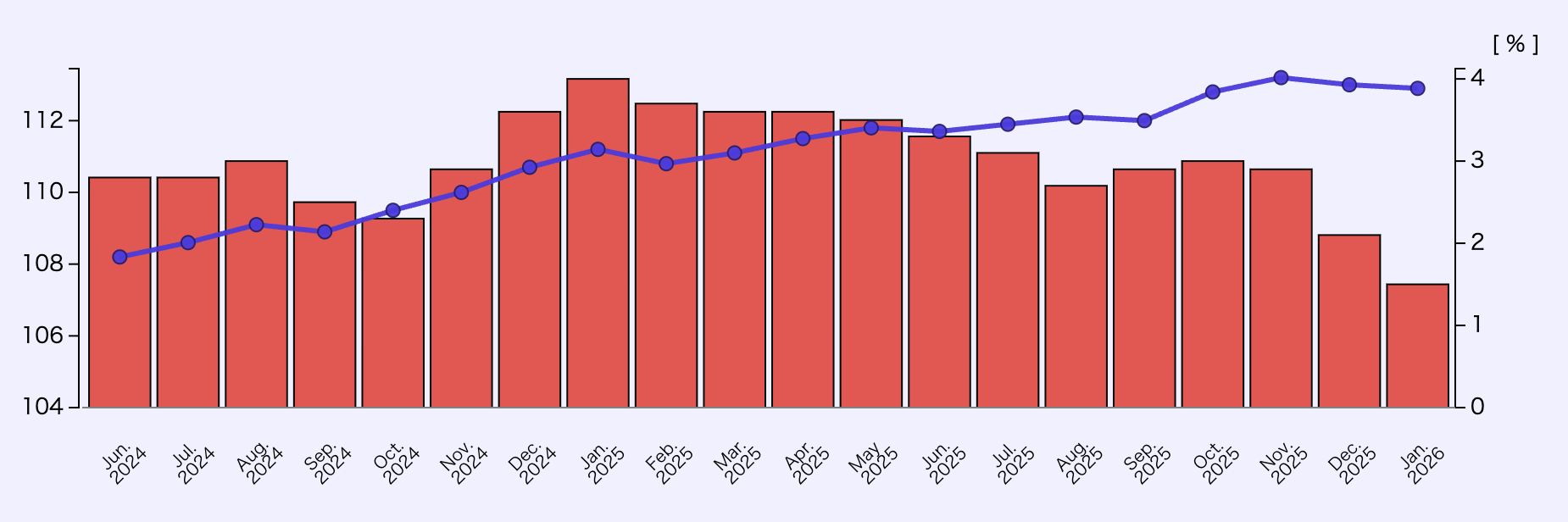
The government’s energy subsidies are artificially depressing headline inflation numbers.
Core inflation, excluding fresh food and energy, is expected to decelerate only marginally and remain well above 2%, while solid wage growth and fiscal stimulus are likely to keep underlying inflationary pressures elevated.
The BOJ has consistently identified spring wage outcomes as its most critical domestic factor for timing the next hike. These results are still emerging.
Japan's largest union federation reported that as of early March, average wage-increase demands from member unions were nearly 6%, slightly below last year's average.
Industry momentum remains strong. Japan's electrical and electronics union accepted monthly pay scale increases well above last year's minimum, reflecting efforts to secure substantial pay hikes amid ongoing inflation.
The BOJ seeks confirmation of these results across a wider range of companies, especially small and medium-sized enterprises, before deciding on the next rate move.
The lone dissenting voice on the BOJ board has become a closely watched signal in Japanese rate markets. The hawkish board member advocated for further gradual rate hikes, guided by overseas developments and a broad range of domestic data.
This argument is based on three main points:
Financial conditions remain accommodative, and deeply negative real interest rates have encouraged corporate lending across industries.
Firms' behaviour has turned more positive, with wage-setting now reflecting a structurally different environment from the deflation era.
Concerns over US tariffs have eased since January, removing a key obstacle that previously justified a more cautious stance.
This consistent dissent is substantive. It outlines the hawkish case within the institution and provides a clear framework for a move to 1.0%. When the majority eventually follows, these arguments are likely to be referenced.
Forecasts are divided. Most Japanese economists expect the next hike in October 2026, but a weaker yen that increases import prices could prompt an earlier move in the second quarter. In this scenario, the yen would be the trigger rather than the calendar.
Bank of America is slightly more hawkish. According to its research note, it expects the next hike in June 2026, followed by gradual increases that could bring the policy rate to 1.5% by the end of 2027.
The BOJ has not committed to a specific timetable. Its January Summary of Opinions showed one member favoring rate increases every few months, while another warned the Bank could fall behind the curve if overseas rate conditions change.
The BOJ's rate decisions have significant implications beyond Japan, particularly for currency markets and Japanese government bond yields.
After December's rate hike to 0.75%, 10-year Japanese government bond yields rose above 2%, and 20-year yields also increased.
The BOJ reiterated that real interest rates are expected to remain significantly negative and that accommodative financial conditions will continue to support economic activity.
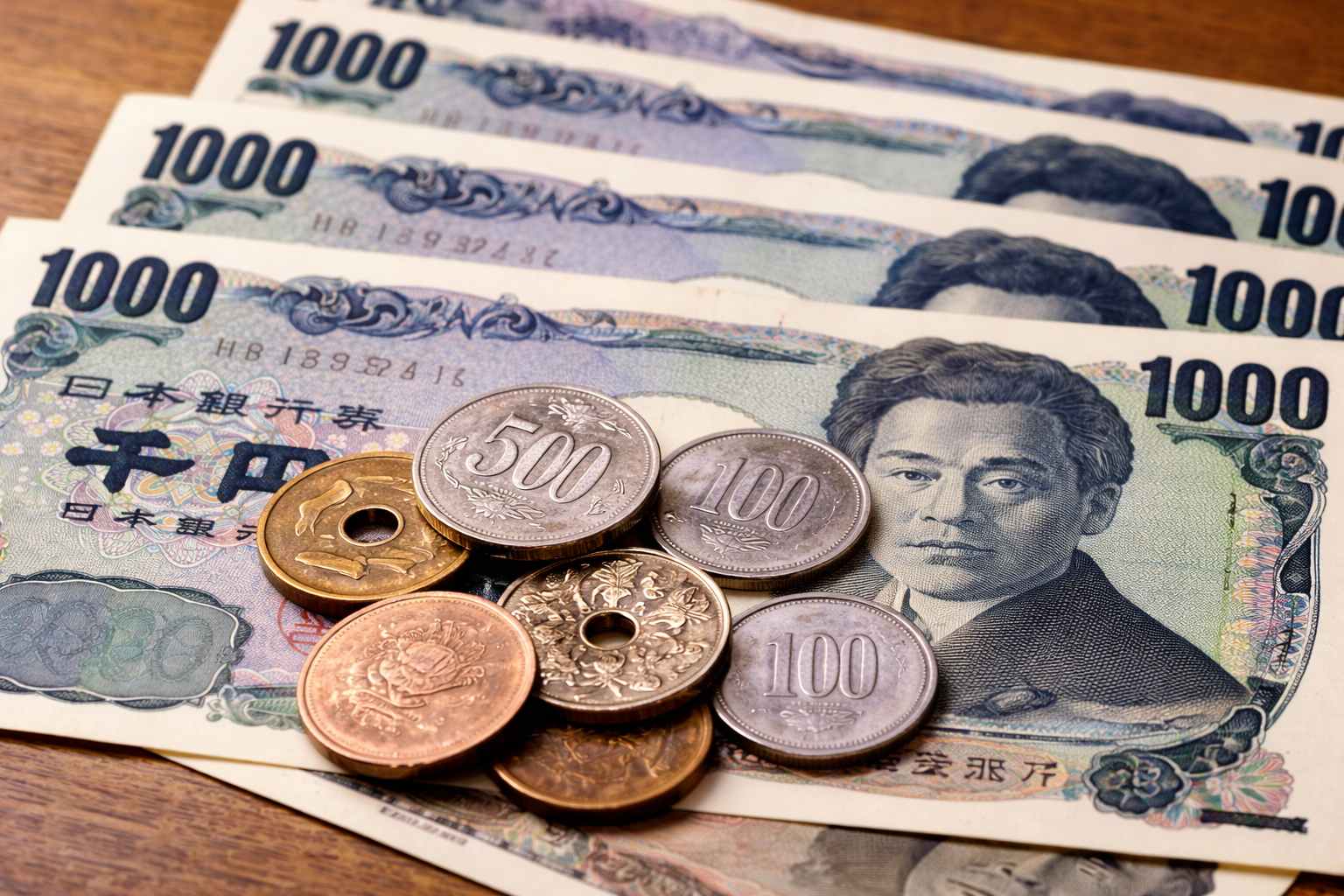
For the yen, the dynamic is complex. A hold with dovish overtones tends to weaken the currency by maintaining the interest rate differential between Japan and higher-yielding economies.
USD/JPY is currently trading in the 147-149 range.
A hawkish press conference could strengthen the yen toward 145.
A cautious tone could result in a move back toward 150-152 if markets discount near-term hikes.
The BOJ's warning about Middle East oil risks introduces an inflation premium that could support the yen if energy prices increase further.
The BOJ held rates to gain more clarity on oil prices, Middle East risks, wage trends, and the inflation outlook before tightening further.
The BOJ’s short-term policy rate is 0.75%. It kept that rate unchanged at its March 19, 2026, meeting.
There is no fixed date. April remains possible, but many economists expect the rate to reach 1.0% by the end of June.
BOJ officials have referenced a broad neutral-rate range of about 1.0% to 2.5%, but Governor Ueda says it is hard to estimate precisely.
A rate hold typically weakens the yen because Japan’s yield gap with other markets remains wide. A stronger signal of future hikes tends to support the yen.
The Bank of Japan’s March decision was a formal hold, but with a continued tightening bias. The policy rate remained at 0.75%, while the Bank highlighted inflation risks from oil and noted a hawkish dissent calling for an immediate move to 1.0%.
For now, the BOJ is waiting, not retreating. The next significant test will come in late April, when updated forecasts may indicate whether the next hike is imminent or if the Bank will wait until midyear.
Until then, the answer to “hold, but for how long?” is clear: likely not indefinitely, but not automatically either.
Disclaimer: This material is for general information purposes only and is not intended as (and should not be considered to be) financial, investment or other advice on which reliance should be placed. No opinion given in the material constitutes a recommendation by EBC or the author that any particular investment, security, transaction or investment strategy is suitable for any specific person.