Published on: 2023-09-27
Updated on: 2026-05-18
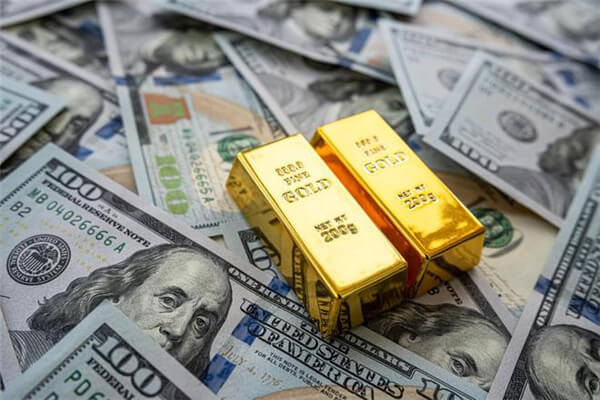
What does XAU/USD mean in the forex market trading? XAU/USD is the symbol for gold priced in US Dollars, showing how many dollars are needed to buy one troy ounce of gold. When traders see XAU/USD at 4,539, it means one ounce of gold is trading near $4,539. The pair gives forex traders direct exposure to gold price movements without having to buy physical bars, coins, or exchange-traded funds.
This matters more in today’s market because gold is no longer just a defensive asset used during crises. It has become a major macro trading instrument shaped by Federal Reserve policy, US real yields, the US Dollar, inflation expectations, central bank demand, and geopolitical risk.
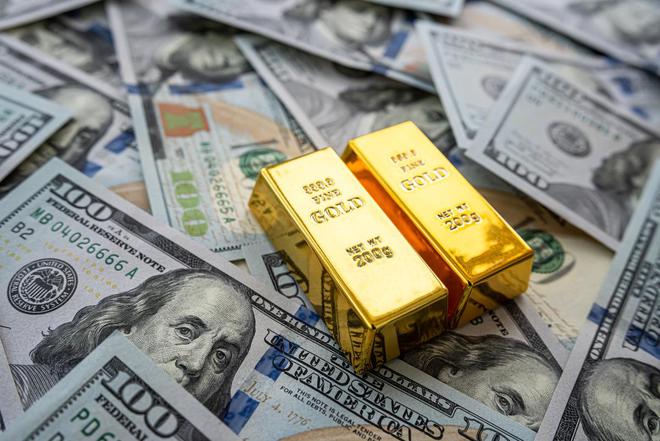
XAU/USD means gold against the US Dollar, quoted as the dollar price of one troy ounce of gold.
XAU is the market code for gold, while USD represents the US Dollar.
If XAU/USD rises, gold is strengthening against the dollar. If it falls, gold is weakening against the dollar.
Gold traded about $361 billion per day on average in 2025, making it one of the world’s most liquid financial markets.
The pair is heavily influenced by US interest rates, real yields, dollar strength, inflation, ETF flows, central bank buying, and geopolitical risk.
XAU/USD can support diversification, but leverage, volatility, and event risk make strict risk management essential.
XAU/USD always reflects the price of gold in US Dollars. The first part of the symbol, XAU, is the asset being priced. The second part, USD, is the currency used to measure that price.
A rising XAU/USD price means gold is becoming more expensive in dollar terms. A falling XAU/USD price means gold is becoming cheaper in dollar terms.
A trader buys XAU/USD when expecting gold to rise or the dollar to weaken. A trader sells XAU/USD when expecting gold to fall or the dollar to strengthen.
This relationship is important because gold and the US Dollar often move in opposite directions. When the dollar weakens, gold can become cheaper for buyers using other currencies, which may support demand. When the dollar strengthens, gold can become more expensive globally, which may pressure prices.
The relationship is not perfect. During severe market stress, gold and the dollar can rise together because investors may seek both liquidity and safety. That is why XAU/USD should not be judged by one factor alone.
XAU/USD matters because gold connects several major markets at once. It is a precious metal, a reserve asset, a safe-haven instrument, and a dollar-denominated trading product. This gives it a broader role than most commodities.
Liquidity is important for traders. It helps support tighter execution during normal market conditions and allows large institutions to use gold for hedging, allocation shifts, and macro positioning.
Gold’s scale also explains why XAU/USD reacts quickly to major economic data. US inflation reports, non-farm payrolls, Federal Reserve meetings, Treasury yield moves, and geopolitical headlines can all trigger sharp price swings.
These drivers can overlap. A weak dollar and falling yields may create a strong bullish backdrop for XAU/USD. A strong dollar and rising yields may put pressure on. In a geopolitical shock, however, gold can rise even if the dollar is firm.
XAU/USD is often used for diversification because gold does not always move in step with stocks, bonds, or major currency pairs. During market stress, gold may help balance exposure elsewhere in a portfolio.
But diversification should not be confused with safety. XAU/USD can be volatile, especially when traded with leverage. A $40 or $80 move in gold may look small compared with a price above $4,000, but it can create large gains or losses depending on contract size and margin.
Traders should understand spreads, swaps, margin requirements, and position sizing before trading. High-impact events such as US CPI, payrolls, Fed decisions, and geopolitical headlines can widen spreads and increase slippage.
A practical approach is to define four things before entering a trade:
The reason for the trade
The entry level
The invalidation point
The target or exit plan
Without these, XAU/USD trading can become emotional. Gold moves quickly, and strong narratives can make traders hold losing positions longer than they should.
XAU/USD is not physical gold itself. It is the market quote for gold priced in US Dollars. On trading platforms, it usually gives exposure to spot gold price movement rather than ownership of physical metal.
Yes, XAU/USD is widely traded like a forex pair because it quotes one asset against a currency. Gold is not a national currency, but it is commonly grouped with forex products on trading platforms.
XAU/USD may rise when the US Dollar weakens, real yields fall, inflation concerns increase, geopolitical risk rises, or investors buy gold for diversification. ETF inflows and central bank buying can also support demand.
XAU/USD may fall when the US Dollar strengthens, real yields rise, inflationary pressures ease, risk appetite improves, or traders reduce safe-haven positions. Strong US data can also pressure gold if it lifts rate expectations.
XAU/USD is easy to understand but not always easy to trade. Beginners should learn how gold reacts to the dollar, yields, news events, and leverage before trading it with real capital.
Yes. Traders and investors may use XAU/USD to hedge against currency weakness, inflation risk, or market stress. The hedge is imperfect because gold can still fall during dollar rallies, liquidity shocks, or rising-yield environments.
XAU/USD means gold priced in US Dollars. It shows the value of 1 troy ounce of gold and allows traders to track gold using a forex-style quote.
Its importance goes beyond a simple symbol. XAU/USD reflects the relationship between gold, the dollar, interest rates, inflation, central bank demand, and global risk sentiment. That makes it one of the most useful instruments for understanding both forex and commodity markets.
Disclaimer: This material is for general information purposes only and is not intended as (and should not be considered to be) financial, investment or other advice on which reliance should be placed. No opinion given in the material constitutes a recommendation by EBC or the author that any particular investment, security, transaction or investment strategy is suitable for any specific person.



World's Best Broker