Published on: 2025-04-28
Updated on: 2025-10-15
The question of what currency El Salvador uses is not merely a matter of travel trivia. It is central to the country’s financial system, influencing inflation, credit risk, capital flows, and asset pricing. As of 2026, the US dollar remains the primary currency for daily transactions, while Bitcoin operates in a more limited, private, and voluntary capacity with increased public-sector restrictions.
This distinction is significant because dollarization transfers monetary policy from the United States to El Salvador, while Bitcoin policy introduces additional regulatory, reputational, and balance-sheet risks. Consequently, currency risk is relatively low compared to regional peers, but policy credibility and financing conditions remain the primary drivers of returns.
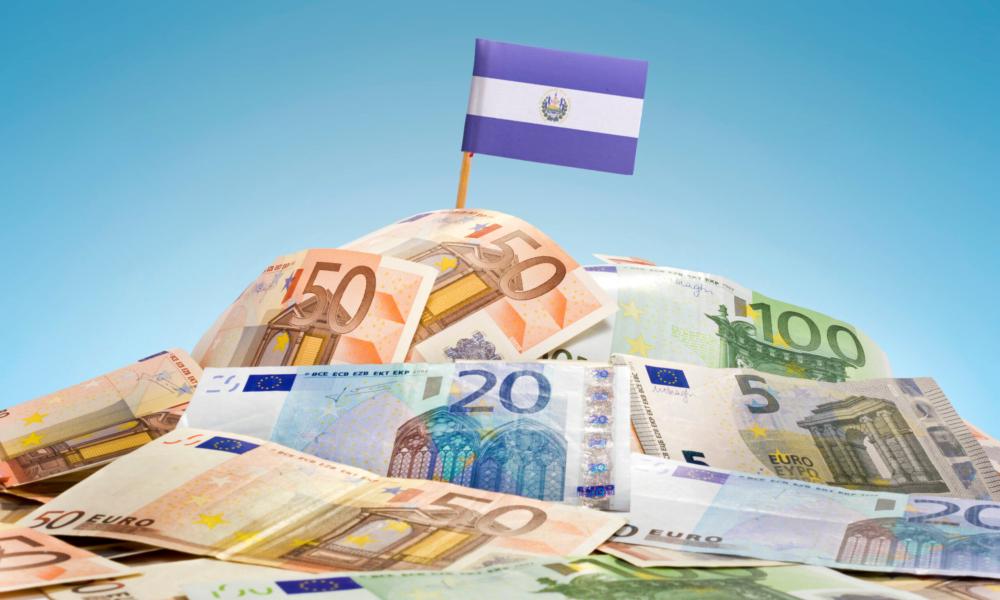
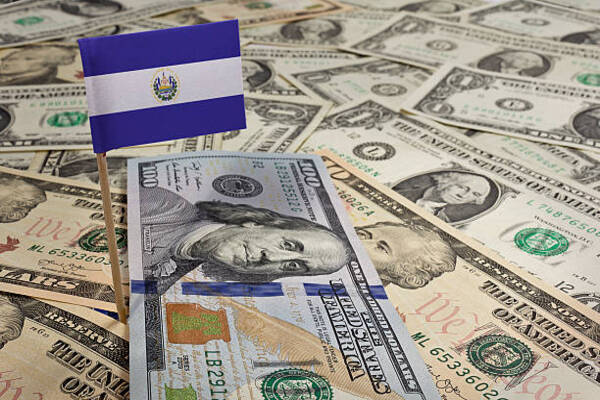
El Salvador’s day-to-day currency is the United States dollar (USD). Prices in supermarkets, rents, salaries, and most financial contracts are denominated in dollars, and US notes and coins circulate normally. For visitors and businesses, this eliminates the standard friction of exchanging money and reduces transactional FX costs.
This arrangement is not informal. It is the practical foundation of the country’s monetary regime. For investors, the most important implication is that El Salvador imports the credibility of the Federal Reserve, but also imports US rate cycles into domestic lending rates, mortgages, and sovereign funding costs.
El Salvador adopted the US dollar in January 2001 under the Monetary Integration framework, converting from the Salvadoran colón (SVC) at a fixed rate of 8.75 colones per US dollar. While the colón may still appear in legacy references and collections, it is not meaningfully used in everyday transactions.
Dollarization presents a clear trade-off: it reduces currency volatility and often results in lower inflation persistence, but eliminates independent monetary policy tools. As a result, El Salvador cannot lower interest rates to mitigate downturns or create liquidity through currency issuance. This constraint elevates the importance of fiscal credibility, banking sector liquidity, and access to external financing.
| Item | What it means in practice |
|---|---|
| Primary currency used | US dollar (USD) dominates pricing and payments |
| Former currency | Salvadoran colón (SVC), converted at 8.75 per $1 |
| Bitcoin framework | Legal framework maintained, but acceptance is voluntary and private-sector only in application |
| Taxes | Paid only in US dollars |
| Monetary policy | No independent rate or FX policy under full dollarization |
Key legal and policy elements are reinforced by reforms to the Bitcoin framework and by IMF program commitments that prioritize USD-based public finance and tighter risk controls.
| Item | What it means in practice (updated for 2025-2026) |
|---|---|
| Primary currency used | US dollar (USD) is the day-to-day currency and the core settlement unit for the financial system. The dollar has unrestricted legal tender status, and bank deposits, loans, and financial records are expressed in USD. |
| Former currency | The Salvadoran colón (SVC) is the legacy currency. By law, the fixed conversion rate is 8.75 colones per $1, and pre-2001 colón cash remains legally exchangeable through the banking system (in practice, USD dominates transactions). |
| Bitcoin framework | Bitcoin remains recognized as “curso legal,” but acceptance is voluntary and restricted to private participants. Only individuals and private entities may accept Bitcoin as payment; state monetary obligations must be paid in the currency originally contracted, and key state-support articles were repealed. |
| Taxes | Bitcoin is no longer a tax payment option because the reforms repealed the prior tax-payment article. Operationally, El Salvador’s Finance Ministry moved to receive tax payments in US dollars from May 1, 2025. |
| Monetary policy | Under full dollarization, El Salvador has no independent exchange rate or domestic currency issuance. Monetary conditions transmit mainly through US financial conditions and domestic liquidity regulation, rather than a local policy rate or devaluation tool. |
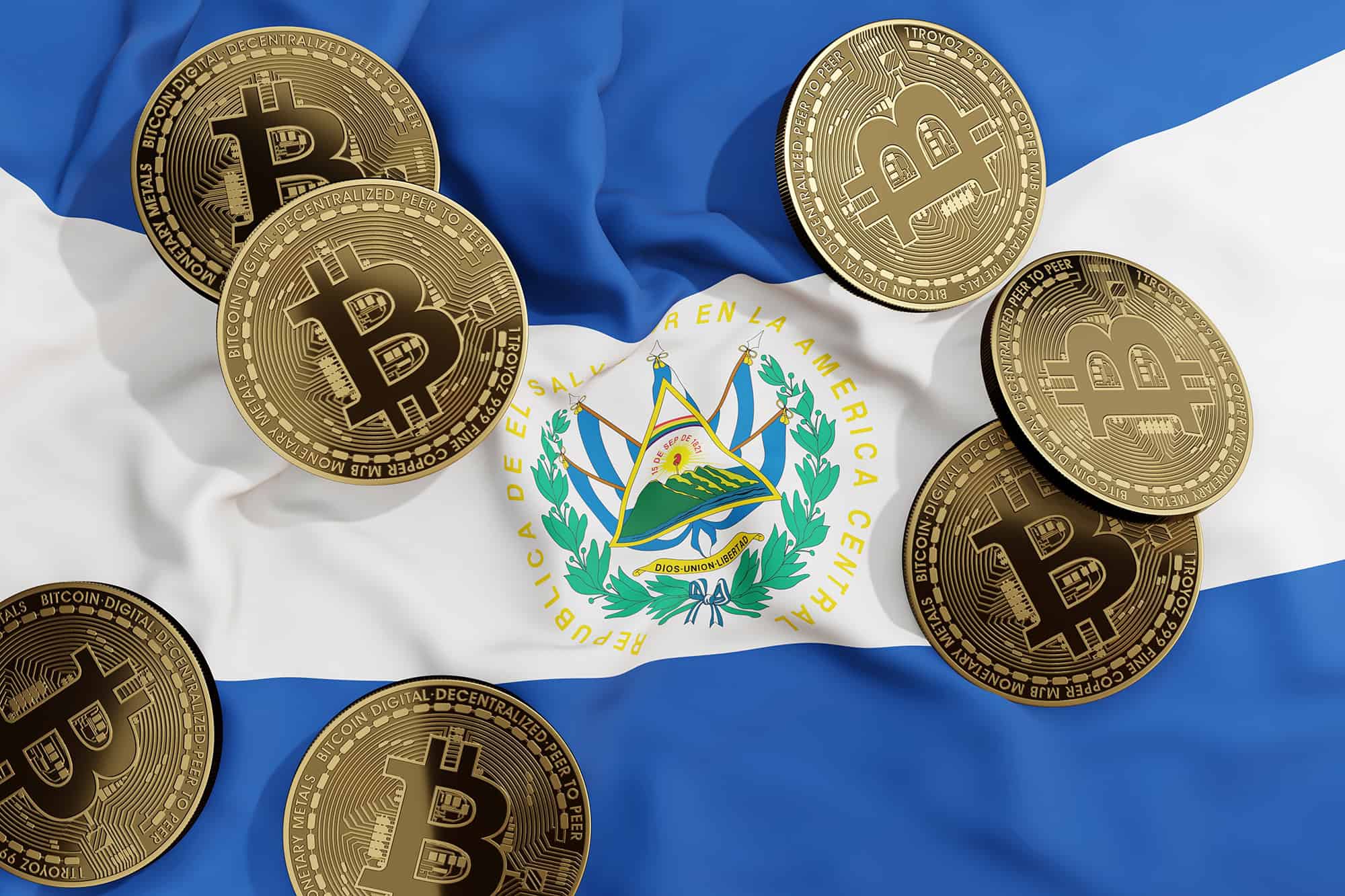
Bitcoin remains part of El Salvador’s financial narrative, but its role in payments is smaller and more conditional than the early headlines implied. In January 2025, the Legislative Assembly approved reforms that define Bitcoin as “curso legal,” make acceptance voluntary, and restrict it to private participants, removing any operational obligation for broad-based adoption.
More importantly for investors, the IMF program formalized a risk-reduction path: acceptance of Bitcoin is voluntary, public-sector engagement in Bitcoin-related activities is confined, and the government’s operational footprint in crypto systems is intended to be reduced over time.
A clean way to understand the post-reform landscape is to watch what the state requires for settlement. Under the IMF-supported framework, tax payments are made only in US dollars. That anchors the fiscal system to USD cash flows and reduces the likelihood that crypto volatility directly transmits into government revenue collection and liquidity management.
The same IMF framework also states that government engagement in Bitcoin-related transactions and purchases will be confined, limiting the scope for balance-sheet surprises that could unsettle sovereign risk pricing.
Dollarization does not eliminate macroeconomic risk; rather, it alters the channels through which financial stress emerges.
Inflation: El Salvador ended 2025 with one of the lowest inflation rates in Latin America, with the central bank's leadership citing an average rate of 0.93%. CPI data are published through January 2026, supporting the view that price pressures remain contained.
Debt and funding: The IMF has highlighted elevated public debt and weak buffers as core vulnerabilities. Its program targets a 3.5% of GDP improvement in the primary balance over three years, alongside measures to rebuild reserves and strengthen governance. For investors, this is the key variable behind spread compression or widening.
Growth drivers: The IMF cites robust remittances, tourism, and improved security as growth support. These channels matter because remittances are a structural USD inflow that stabilizes the current account and domestic consumption without relying on local currency issuance.
| Indicator | Latest signal | Why it matters |
|---|---|---|
| Average inflation (2025) | 0.93% | Supports real income stability and lowers local rate volatility |
| CPI availability | Updated through Jan 2026 | Confirms ongoing transparency and timeliness of inflation reporting |
| Fiscal adjustment target | +3.5% of GDP primary balance over 3 years | Central to sovereign risk repricing |
| Bitcoin policy direction | Voluntary acceptance; constrained public sector role; USD-only taxes | Reduces fiscal and operational uncertainty |
Travelers and businesses are advised to carry small US dollar denominations, as cash is frequently used for taxis, local vendors, and small retail transactions. While US coins are common, their availability may be limited outside major urban areas.
USD pricing is standard across hotels, supermarkets, and fuel stations. Contracts and invoices are generally denominated in US dollars, which simplifies accounting for international businesses and minimizes currency translation complexities.
Card payments are widely accepted in urban centers and tourist areas; however, foreign card fees and dynamic currency conversion charges may reduce transaction value. For significant expenses, paying in US dollars and declining conversion options can help minimize hidden costs.
Bitcoin should be considered a situational payment method. While certain tourism sectors and crypto-oriented businesses may accept it, the US dollar remains the primary medium of exchange. In terms of risk, Bitcoin operates as an optional payment mechanism rather than a parallel unit of account.
For most investors, yes. The US dollar remains the functional and legal anchor for pricing, banking, and public payments, and the IMF-backed framework reinforced USD primacy by requiring taxes to be paid in US dollars and keeping Bitcoin use effectively optional. The main risks are credit spreads, liquidity, and US interest-rate conditions, not FX.
They have been highly volatile in USD value, rising sharply during BTC rallies and compressing during drawdowns. Public trackers currently estimate holdings around 7,474 BTC, valued near $510 million at prevailing prices, but unrealized P&L swings daily and cost basis is not consistently disclosed in a single audited public report.
Inflation risk remains low by regional standards. El Salvador’s average inflation in 2025 was about 0.93%, and January 2026 CPI inflation was about 0.65 percent year-on-year, consistent with a contained price environment in a dollarized system. Key upside risks are food and energy shocks and shifts in US inflation and rates.
The main risk is not devaluation. It is funding and policy risk. Because El Salvador cannot adjust through exchange-rate moves, shocks tend to show up through tighter financial conditions, wider sovereign spreads, and slower growth if fiscal buffers and financing access weaken.
El Salvador’s currency reality in 2026 is defined by dollarization. The US dollar remains the unit of account, the payment rail, and the anchor for contracts and public finance. Bitcoin remains legally recognized in a narrower form, but the post-2025 framework makes its use voluntary, limits public-sector involvement, and keeps taxes firmly USD-settled.
For investors, that combination reduces conventional FX risk while keeping attention focused where it belongs: fiscal execution, financing conditions, governance credibility, and the discipline required to run a dollarized system through global rate cycles.
Disclaimer: This material is for general information purposes only and is not intended as (and should not be considered to be) financial, investment or other advice on which reliance should be placed. No opinion given in the material constitutes a recommendation by EBC or the author that any particular investment, security, transaction or investment strategy is suitable for any specific person.