Published on: 2025-05-08
Updated on: 2026-04-10
You can have a strong setup, but timing still affects execution, spreads, and follow-through. When trading XAUUSD, understanding when liquidity is highest can help you plan entries more carefully, manage risk more effectively, and avoid quieter periods that often produce weaker price action.
In this guide, you’ll learn what XAUUSD trading hours mean, when gold trading activity is usually highest, and how to match your strategy to the sessions that fit your goals. Exact tradable hours can vary by broker, platform, and daylight saving time adjustments, so always confirm the schedule shown in your own platform.
XAUUSD trading hours refer to the periods when gold against the U.S. dollar is available and active across the global gold market. On many platforms, XAUUSD is available for most of the trading week, from the Sunday open to the Friday close, but the exact schedule can vary by broker and product.

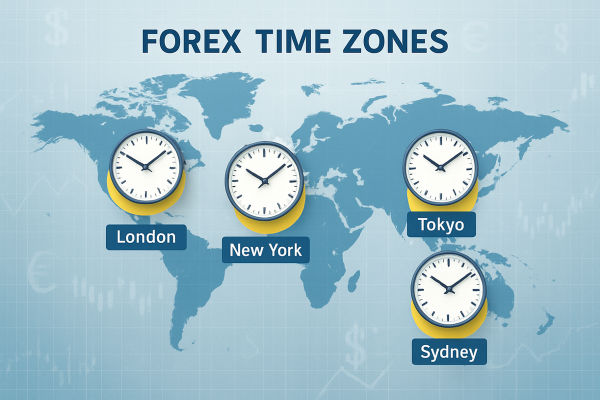
The trading week runs across Asia, Europe, and North America, so activity changes as each region comes online. The busiest period is often when London and New York are both open, because participation, liquidity, and price discovery tend to increase during that overlap.
Some brokers and platforms also apply a short daily maintenance break, so it is worth checking your product specification before trading.
To maximise your edge, it helps to understand how each main trading session usually affects XAUUSD liquidity, spread behaviour, and volatility. The session times below are typical GMT reference points, but the local clock equivalents can shift when daylight saving time starts or ends.
| Session | Typical time (GMT) | Market characteristics |
|---|---|---|
| Asian Session | 00:00 - 09:00 | Generally steadier price action and lighter liquidity. Often better suited to range conditions than fast breakout trading. |
| European Session | 07:00 - 16:00 | Activity usually increases as London comes online. Trend development and reaction to European data often improve. |
| U.S. Session | 13:00 - 22:00 | Stronger volatility, especially around major U.S. data releases and Federal Reserve-related headlines. |
| London-New York overlap | 13:00 - 16:00 | Often the busiest period for XAUUSD, with deeper liquidity and faster moves. Treat this as a typical window, not a fixed rule, because daylight saving time and platform schedules can shift the exact timing. |
Peak liquidity and momentum. The best time to trade gold (XAUUSD) for clean setups and tighter spreads.
During these sessions, volume and volatility can vary sharply. London remains central to global gold pricing, while New York adds major futures activity and U.S. macro catalysts. Traders who understand this rhythm can better judge when gold is more likely to trend, and when conditions are more suited to range-bound strategies.
Many traders assume that since gold is available almost 24/5, it’s profitable to trade anytime. That’s a costly misconception.
Understanding XAUUSD opening or closing sessions helps you focus on periods when execution is usually better, spreads are often tighter, and follow-through is more dependable. Gold can react quickly to inflation data, labour-market releases, central bank decisions, and geopolitical headlines, many of which hit during the European and U.S. sessions.
If you trade during quieter hours, the market can become thinner and less efficient, which raises the risk of wider spreads, slower fills, and false breakouts. That does not make those hours unusable, but it does mean your strategy should match the conditions.
The London-New York overlap is often the busiest part of the XAUUSD trading day, commonly around 13:00 to 16:00 GMT. During that window, both centres are active at the same time, which can increase liquidity and shorten spreads.
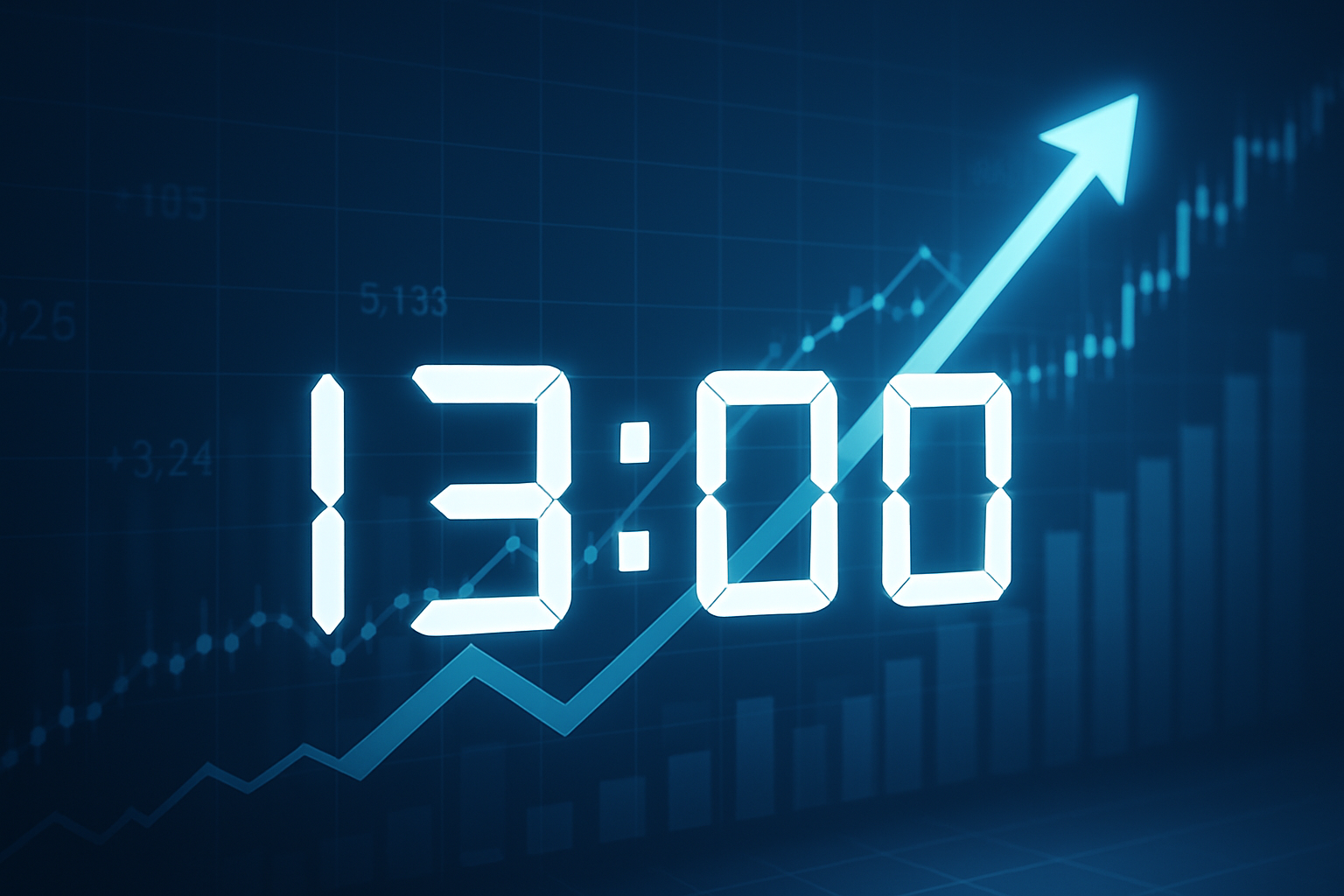
The exact clock time can shift when the UK or U.S. changes daylight saving time. That does not mean this window is always the most profitable for every trader. It is simply the period when participation and price discovery are often strongest.
Breakout traders and scalpers may prefer it, while traders who rely on calmer conditions may find the Asian session or early London trade easier to manage.
A quieter stretch often appears after New York activity fades and before Asian participation builds. During these periods, liquidity can thin out, spreads can widen, and short-term signals can become less reliable.
Avoid trading these hours if your strategy depends on fast execution or strong momentum. It is also sensible to be cautious around major holidays, shortened sessions, or unusual market disruptions, because normal liquidity patterns can change quickly.
Each trading style tends to perform better in different session conditions:
Scalpers - Usually prefer the London-New York overlap, when liquidity is deeper and spreads are often tighter.
Swing traders - May benefit from the London session or the early U.S. session, when new trends or macro-driven reversals begin to develop.
News traders - Usually focus on the U.S. session and major overlap periods, when scheduled data releases can trigger sharp moves.
Range traders - Often prefer quieter periods, including parts of the Asian session, when gold is more likely to consolidate than trend aggressively.
Your trading schedule should also match your personal rhythm. Trading during your peak focus hours helps reduce emotional errors and improves decision-making.
1. Check time zone shifts: Daylight Saving Time can change the local clock for London and New York sessions. Use UTC or GMT as your reference, then confirm the live schedule on your platform.
2. Use an economic calendar: Watch for high-impact events during the U.S. and European sessions, especially inflation data, central bank decisions, and labour-market reports.
3. Avoid emotional trading: The market is always open, but that doesn’t mean it’s always worth trading. Wait for your optimal hours.
4. Review spreads: Check your broker’s spread data to identify value zones, then compare potential trade outcomes with a profit calculator before committing to fast intraday setups.
5. Set alerts: Automate your workflow with notifications for your preferred trading sessions and price levels.
The best time to trade gold, or XAUUSD, is often the London-New York overlap, because participation and liquidity are usually strongest when both centres are open. For many traders this creates better conditions for scalping, day trading, and breakout setups, but there is no single session that guarantees profitable results.
XAUUSD is available for most of the trading week, typically from the Sunday open to the Friday close. However, exact hours can vary by broker, platform, and product, and some providers apply a short daily maintenance break. Not all hours offer the same conditions, so many traders focus on the more active overlap periods.
The U.S. session, especially when it overlaps with the European session, often produces the sharpest moves in XAUUSD. That is when many U.S. data releases, rate expectations, and shifts in risk sentiment are priced in.
Major global events such as central bank announcements, inflation data, or geopolitical tensions often influence gold’s volatility during active trading sessions. These events increase momentum, especially when released during the European or U.S. sessions, where trading volume is already high.
Choosing the right XAUUSD trading hours matters just as much as having a sound trading strategy or risk management plan. Gold responds quickly to liquidity, macro news, and shifts in risk sentiment, so timing affects both opportunity and execution quality.
For many traders, the London and U.S. overlap offers the strongest combination of liquidity and movement. But the best session is still the one that matches your strategy, platform hours, and ability to trade with discipline.
Mastering when not to trade is just as important. By avoiding thin conditions and planning around active sessions, you can make your gold trading decisions more structured and repeatable.
Disclaimer: This material is for general information purposes only and is not intended as (and should not be considered to be) financial, investment or other advice on which reliance should be placed. No opinion given in the material constitutes a recommendation by EBC or the author that any particular investment, security, transaction or investment strategy is suitable for any specific person.