Published on: 2026-07-08
Updated on: 2026-07-08
PepsiCo reports Q2 2026 earnings before the opening bell on 9 July 2026. [1]
Consensus sits near $23.9B to $24.0B in revenue and roughly $2.19 adjusted EPS.
North American snack demand is the central test, not the headline profit figure.
Guidance and management commentary may matter more than a narrow EPS beat or miss.
Coca-Cola works as a benchmark because its recent execution has looked cleaner, while PepsiCo carries more turnaround sensitivity through its snack business. [5]
PepsiCo will report second-quarter 2026 results before the market opens on 9 July, and the numbers themselves may not be the most revealing part. As of 8 July the results are not yet public, but the setup already is. [1]
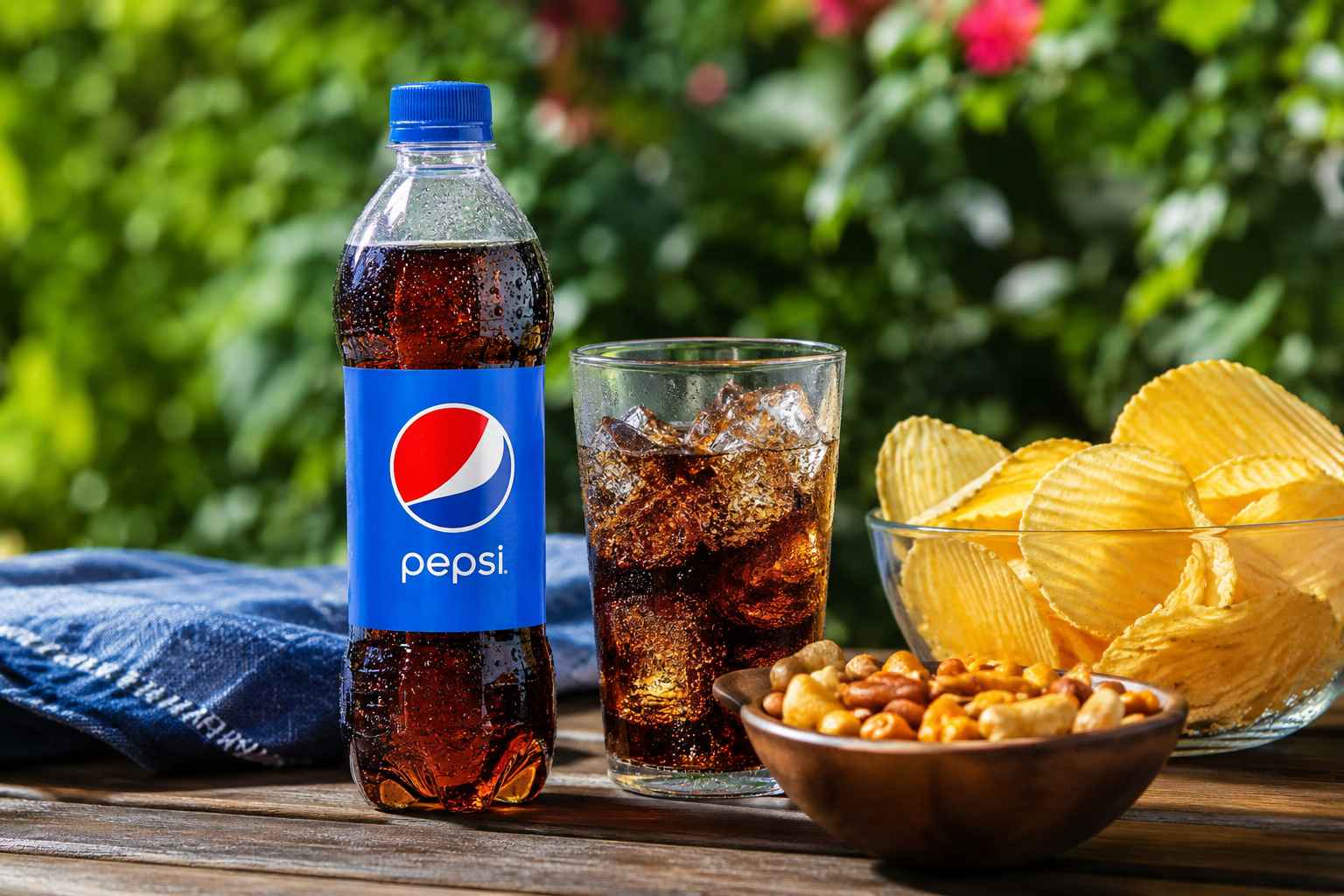
The rebound case for PEP stock depends less on whether PepsiCo beats EPS by a few cents and more on whether North American snack volumes show that consumers are still paying for Frito-Lay products. PepsiCo usually sits in portfolios as a defensive consumer-staples name.
This quarter, attention has shifted to whether snacks are stabilising after pressure on volumes, pricing and how much stretched shoppers will spend.
The consensus picture is one of modest growth rather than a dramatic swing. Zacks pegs second-quarter revenue at around $23.9 billion, implying roughly 5% growth from the year-ago figure, and quarterly earnings at about $2.19, suggesting 3.3% growth from the $2.12 reported in the prior-year quarter. Other previews land in a similar zone, pointing to revenue near $24 billion and adjusted EPS around $2.19 to $2.21.
| Q2 2026 Setup | Latest Expectation / Signal |
|---|---|
| Revenue consensus | Around $23.9B to $24.0B |
| Implied revenue growth | Roughly 5% YoY |
| Adjusted EPS expectation | Around $2.19 to $2.21 |
| Prior-year EPS comparison | $2.12 |
| Implied EPS growth | About 3% YoY |
| Options-implied move | Around 4% either direction |
| Reference stock price | Around $143 |
| Implied upside area | Near $149 |
| Implied downside area | Below $138 |
| Main operating focus | Frito-Lay / North American snack volume |
| Main market reaction drivers | Volume, margins, guidance and management tone |
The mood into the print has been cautious. Several banks trimmed their price targets ahead of the report, including JPMorgan and Bank of America among others, while keeping a range of ratings. [6] Much of the concern centres on whether Frito-Lay North America volume growth can hold and on broader market-share pressure.
Options positioning has implied a possible post-earnings move of around 4%, meaningful for a stock often treated as low-drama. Based on that options-implied range, traders appear to be bracing for a swing that could place PEP near $149 on the upside or below $138 on the downside from a recent close close to $143.
Even so, the reaction is likely to hinge more on volume, margins, forward guidance and management tone than on whether reported EPS clears the bar by a few cents.
PepsiCo is not a pure beverage company, and that distinction sits at the heart of this quarter. Frito-Lay and the broader North American snack business, reported as PepsiCo Foods North America, are central to the investment case.
When investors talk about a PepsiCo recovery, they are largely talking about whether people are buying chips, dips and similar products at healthy volumes, or trading down to cheaper alternatives and smaller baskets. The main test for these earnings is North American snack volume, not adjusted EPS on its own.
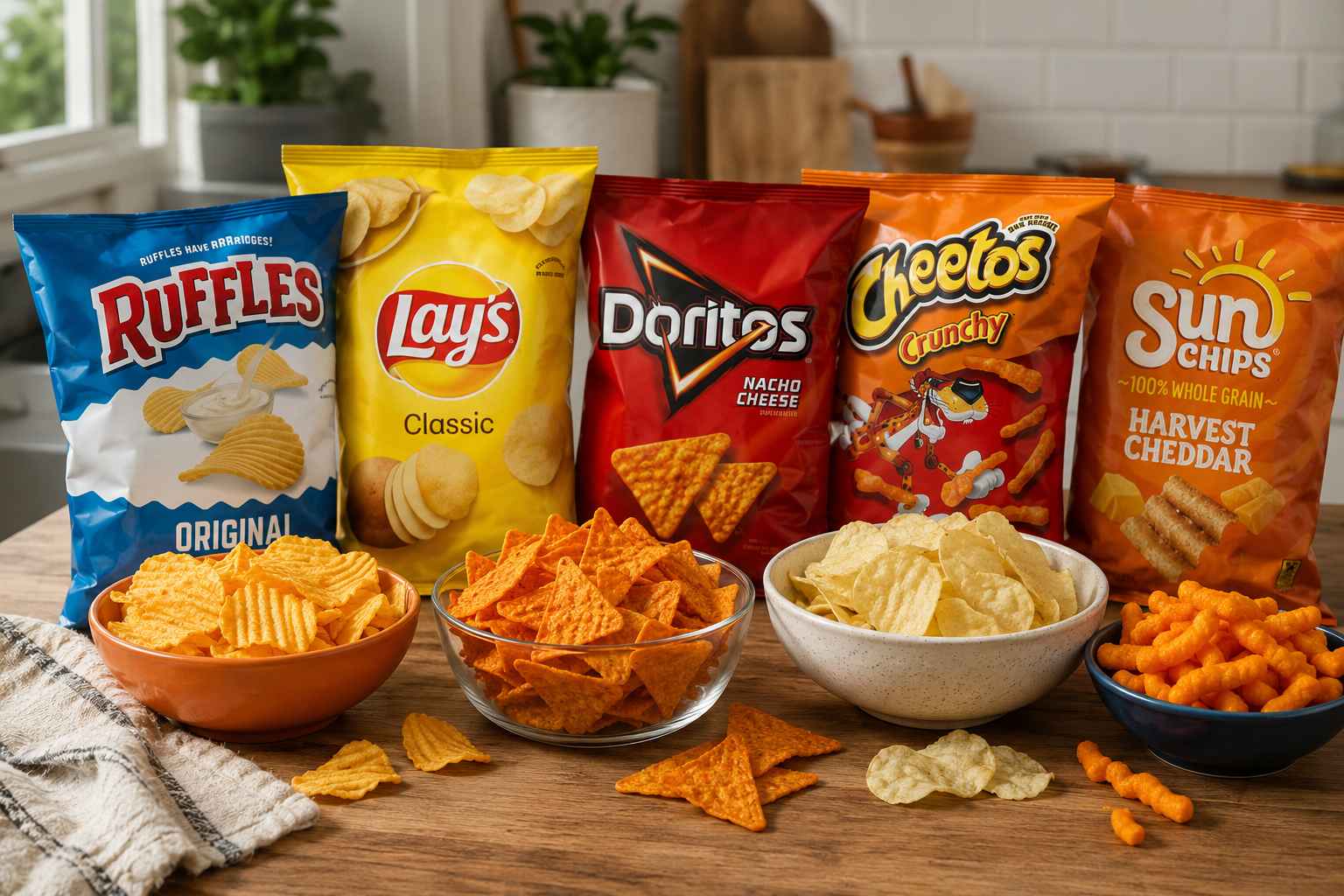
That is why the watch list runs beyond a single sales line. Investors are following snack volumes, how affordability initiatives are landing, whether promotions are propping up demand, how much pricing power remains, and how sensitive shoppers have become to each price change.
Snacks are discretionary in a way that a daily beverage habit sometimes is not, which makes them an unusually direct read on consumer stress.
The first quarter gave the recovery story something to lean on. Q1 2026 net revenue rose 8.5% to $19.4 billion, organic revenue grew 2.6%, diluted EPS jumped 27% to $1.70, and core EPS increased 9% to $1.61, with the company reaffirming its fiscal 2026 guidance. [4]
More telling for this quarter’s question, PepsiCo Foods North America posted 2% convenient-food volume growth, and management pointed to a notable improvement in convenient foods organic volume as the restaging of global brands, innovation and affordability initiatives took hold. [4]
The tension now is straightforward: one quarter of improvement is encouraging, but Q2 needs to show the snack rebound has staying power rather than being a single favourable print.
Coca-Cola tends to give investors a cleaner story. Its execution is beverage-led and comparatively focused, which makes its results easier to read quarter to quarter. Coca-Cola’s Q1 2026 results underlined that: net revenue grew 12%, organic revenue rose 10%, global unit case volume increased 3%, and comparable EPS climbed 18%. [5]
PepsiCo offers a more mixed picture because it blends beverages with a large snack operation, and the snack side is where the current uncertainty concentrates.
The comparison is useful because it explains why PepsiCo may need firmer evidence from snacks to close the confidence gap, rather than any single quarter of in-line numbers. Coca-Cola reads as the steadier benchmark, while PepsiCo is the more sensitive recovery case with more snack exposure.
None of that is a verdict on which is the better business; it simply frames why the bar for reassurance is higher on PepsiCo’s food side right now.
A few recent moves feed into the margin and volume questions rather than standing alone.
In early June, PepsiCo and Gatik announced a multi-year partnership to bring autonomous freight into PepsiCo’s North America supply chain, which the companies described as the largest commercial autonomous freight deployment to date, with trucks already running across Texas, Arizona and Arkansas. [6]
More reliable regional delivery and added capacity can help contain supply-chain spending and keep products on shelves, which ties directly to the margin and volume picture.
On input costs, PepsiCo reported progress toward its 2030 goals. It said regenerative, restorative and protective farming had reached 4.7 million acres globally under its Positive Agriculture agenda, a longer-term lever on sourcing stability. [7]
The shareholder-return profile rounds out the defensive case, with PepsiCo lifting its dividend by 4% from the June payment in what it flagged as its 54th consecutive annual increase. [4] Each thread circles back to one question: can PepsiCo hold margins and support volume while consumers stay selective?
The signals most likely to shape the reaction are fairly specific. The key signal is North American snack volume, since that speaks most directly to the recovery thesis.
Beyond it, the market may focus on the split between pricing and volume, on whether margins hold, on any revision or reaffirmation of full-year 2026 guidance, and on what management says about the consumer. Comments on affordability, promotional intensity, grocery budgets and demand elasticity could carry real weight.
The interplay matters more than any single line. A small EPS beat may not be enough if management sounds cautious on Frito-Lay demand. A mixed headline result could land better than expected if management shows credible evidence that snack demand is steadying. Investors are watching for consistency between the reported numbers and the story around them.
PepsiCo is expected to report second-quarter 2026 results before the U.S. market opens on 9 July 2026. [1]
Current previews point to revenue near $24 billion and adjusted EPS around $2.19 to $2.21.
North American snack volume shows whether consumers are still accepting PepsiCo’s prices or trading down, which is the core of the recovery question.
PepsiCo’s Q2 report is less about clearing an EPS estimate and more about whether North American snack demand is stabilising.
With PEP still down about 16% from its February highs amid worries that inflation is tightening grocery budgets, the market will likely focus on volume quality, margin resilience and guidance tone.
A credible snack recovery could support the rebound case, while weak commentary may keep the stock trading more like a turnaround story than a classic defensive staple. Results were not out as of 8 July, so the setup, not the outcome, is what investors are weighing. Whichever way the results land, you can trade PEP stock with EBC.
https://www.pepsico.com/newsroom/press-releases/2026/pepsico-declares-quarterly-dividend-q2-2026 (PepsiCo, Announces Timing and Availability of Second-Quarter 2026 Financial Results)
https://investors.pepsico.com/docs/pepsico-5v9wci20/media/Files/investors/q1-2026-earnings-release.pdf (PepsiCoReports First-Quarter 2026 Results (earnings release))
https://www.coca-colacompany.com/media-center/coca-cola-reports-first-quarter-2026-results (The Coca-Cola Company Reports First Quarter 2026 Results)
https://www.pepsico.com/en/newsroom/press-releases/2026/pepsico-and-gatik-announce-multi-year-agreement-to-deploy-autonomous-freight-in-north-america (PepsiCo and Gatik Announce Multi-Year Agreement to Deploy Autonomous Freight in North America)
https://www.pepsico.com/newsroom/press-releases/2026/pepsico-announces-progress-toward-2030-agriculture-goals (Pepsi Co Announces Progress Toward 2030 Agriculture Goals)