Published on: 2026-04-08
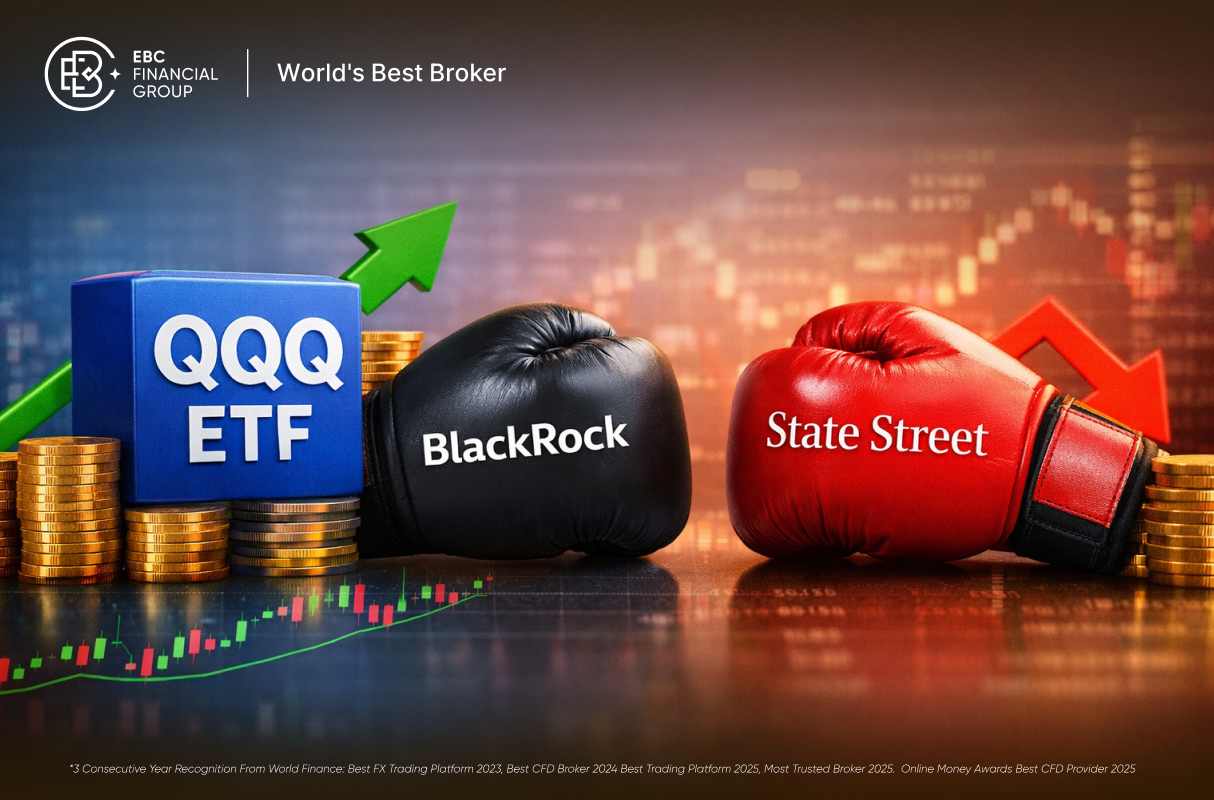
BlackRock filed regulatory paperwork for a Nasdaq-100 ETF on April 6, 2026, and State Street followed on April 7, marking the first direct U.S. ETF challenge to QQQ in years.
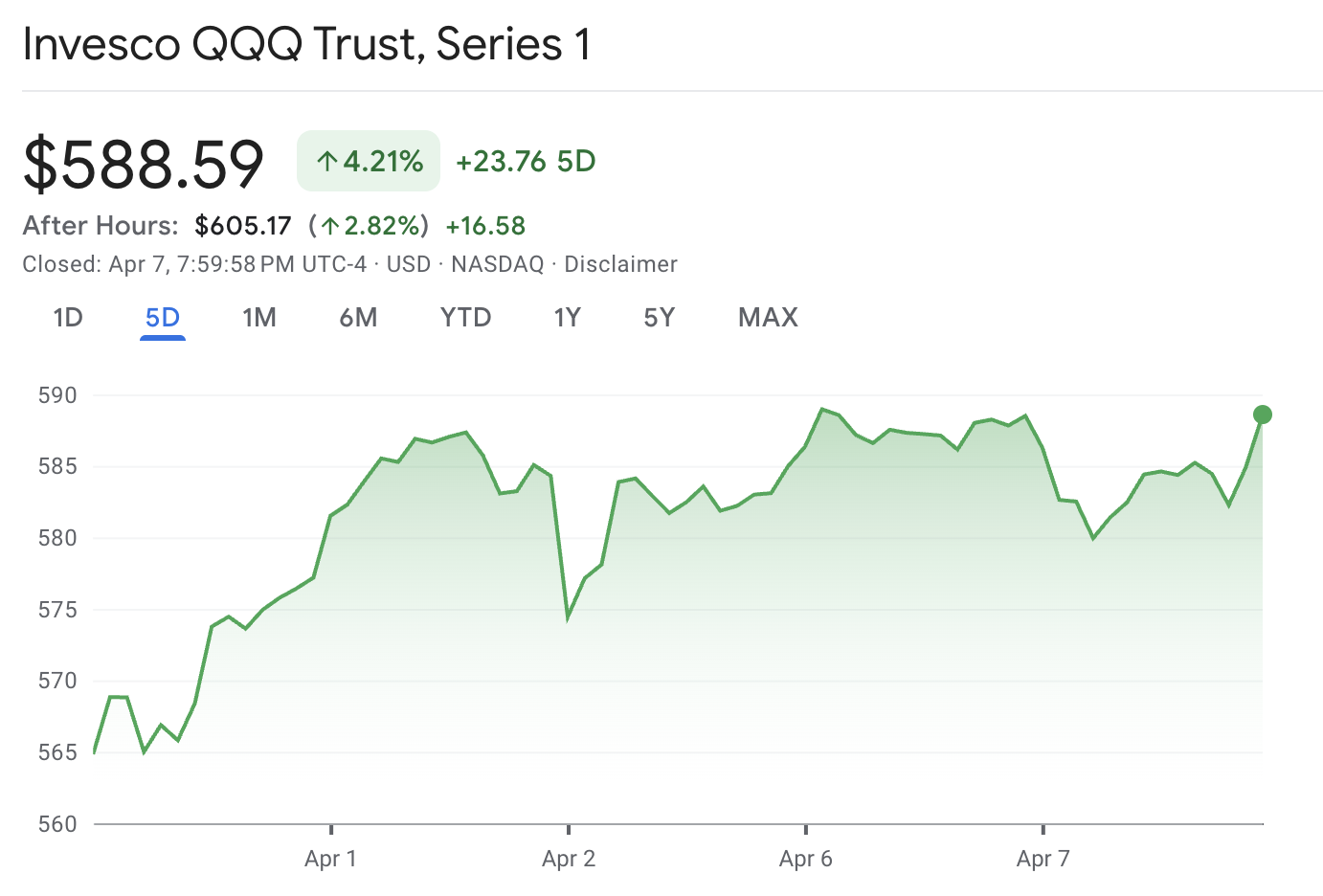
QQQ still enters the fight from a position of strength, with about $370 billion in assets, a 0.18% expense ratio, and a long record as one of the most actively traded ETFs in the market.
Invesco already offers a lower-cost internal alternative through QQQM, which charges 0.15%, limiting how much a simple fee cut alone can disrupt the franchise.
Nasdaq’s approved methodology changes for the Nasdaq-100 take effect on May 1, 2026, raising the benchmark's strategic value just as new issuers move in.
The real test for QQQ is no longer exclusivity. It is whether liquidity, scale, and investor habit remain stronger than lower-fee competition.
QQQ is no longer just a market favorite. It is now the center of a fight for one of the ETF industry’s most valuable franchises.
BlackRock and State Street moved within 24 hours of each other to file rival Nasdaq-100 ETFs, opening the first credible battle around QQQ’s core franchise in years.
For a fund that has spent more than two decades as the default vehicle for Nasdaq-100 exposure, that is not routine product noise. It is a direct challenge to a structure that helped make QQQ one of the most successful ETFs in modern markets.

That shift matters because QQQ is still operating from a dominant base. The fund manages about $370 billion, charges 0.18%, and remains one of the most actively traded ETFs in the United States. The question now is not whether QQQ still matters.
It is whether new rivals can weaken the edge created by scale, liquidity, and investor habit.
QQQ has long enjoyed an unusually strong position in U.S. ETF markets. The fund launched in 1999, tracks the Nasdaq-100, and has posted a 10.1% annualized return since its debut, according to contemporaneous reporting on the latest filings.
For years, that dominance was reinforced by the absence of direct challengers. The Wall Street Journal reported that licensing restrictions tied to the Nasdaq-100 had prevented rival issuers from launching competing funds sooner.
That made QQQ more than a popular ETF. It made it the default gateway into one of the market’s most influential growth indexes.
BlackRock filed first on April 6, followed by State Street on April 7. The BlackRock product was reported under the planned ticker IQQ, while State Street’s filing was for a SPDR Nasdaq 100 ETF. Neither issuer had disclosed a fee at the time of filing.
That matters because fees will shape the next phase of this story, but they will not decide it alone. Invesco shares fell about 7% after BlackRock’s filing, showing that the market immediately understood the strategic threat to one of the firm’s flagship products.
The cleanest case against QQQ is easy to understand. If BlackRock and State Street launch nearly identical Nasdaq-100 ETFs at lower fees, price-sensitive long-term investors may direct new money elsewhere.
That risk is real, especially because the new funds were filed by two issuers with deep distribution power.
But the fee argument is incomplete because Invesco already built a lower-cost option inside its own lineup. QQQMtracks the same benchmark and charges 0.15%, compared with 0.18% for QQQ. That means a lower-fee Nasdaq-100 product is not new. What is new is the arrival of heavyweight outside competitors.
| Fund / filing | Benchmark exposure | Expense ratio | Size / status | Key implication |
|---|---|---|---|---|
| Invesco QQQ (QQQ) | Nasdaq-100 | 0.18% | About $370B assets | Liquidity and scale leader |
| Invesco NASDAQ 100 ETF (QQQM) | Nasdaq-100 | 0.15% | Existing Invesco alternative | Lower-cost internal option |
| BlackRock iShares Nasdaq-100 ETF (IQQ) | Nasdaq-100 | Not yet disclosed | Filed Apr. 6 | Direct fee and distribution challenger |
| State Street SPDR Nasdaq 100 ETF | Nasdaq-100 | Not yet disclosed | Filed Apr. 7 | Another large-scale challenger |
If the new funds launch below QQQM’s 0.15% fee, fee-sensitive allocators may have a stronger reason to consider switching new flows.
QQQ has faced cheaper alternatives before and still kept its grip on flows. What makes this episode different is the identity of the challengers. BlackRock and State Street are not niche issuers testing the category. They are two of the most powerful ETF distribution machines in the market.
BlackRock’s filing matters most because it combines brand reach, adviser penetration, and product packaging discipline. If the firm chooses aggressive pricing, the threat becomes more serious for new allocations, retirement models, and long-term accounts that care more about holding cost than intraday trading depth.
That is an inference based on BlackRock’s scale and the still-undisclosed fee structure.
Invesco is no longer defending QQQ from the old unit investment trust structure that once limited flexibility. Shareholders approved QQQ’s modernization on December 19, 2025, and Invesco said the fund was expected to begin trading as an open-end ETF on December 22, 2025.
The conversion also reduced QQQ’s expense ratio from 0.20% to 0.18% and gave the fund the ability to reinvest income and engage in securities lending.
That change matters because it removes one of the easiest structural criticisms of QQQ. Invesco also continues to market a broader Nasdaq-linked product suite, which suggests the firm is defending the franchise with product segmentation rather than relying on QQQ alone.
QQQ’s liquidity edge is real and should not be dismissed. Invesco says QQQ is one of the most actively traded ETFs in the U.S., and the fund’s long trading history still matters for investors who value execution quality and deep options activity.
For long-term investors, the decision is less emotional and more practical. If BlackRock or State Street launch with clearly lower fees and gather meaningful assets, new money could gradually shift away from QQQ.
But that would be a flow story measured over quarters, not a collapse measured over days. This is an inference based on the filing stage, QQQ’s scale, and its established trading profile.
Watch the fee disclosures. Fees for the new funds were not disclosed in the initial filings, and that will be the market’s first hard comparison point.
Do not judge on fees alone. QQQ’s scale and trading liquidity remain central to its appeal.
Track real adoption after launch. A filing is easy. Building assets and daily volume is harder. This is an inference based on ETF market structure and QQQ’s current dominance.
Follow the Nasdaq-100 rule changes. Updated methodology takes effect on May 1, 2026, which may increase the benchmark’s commercial value.
Separate trader needs from investor needs. QQQ may still suit active traders, while lower-cost rivals could appeal more to long-term holders. This is an inference based on liquidity and fee differences.
BlackRock filed for a Nasdaq-100 ETF on April 6, 2026. Reporting identified the planned ticker as IQQ.
State Street filed on April 7, 2026, for a SPDR Nasdaq 100 ETF, creating a second direct challenge to QQQ.
Maybe, but not yet officially. The filings did not disclose fees, so pricing remains the main unknown.
Not on filings alone. QQQ still has scale, liquidity, and a long trading record that new entrants do not yet have.
Because it challenges one of the market’s most entrenched ETF franchises and could reshape pricing, flows, and product positioning across Nasdaq-100 funds.
For years, QQQ’s dominance rested on more than performance. It rested on exclusivity, scale, and market habit. BlackRock and State Street have now broken the first part of that equation.
QQQ still holds the stronger hand today. It has the asset base, the trading depth, and the brand recognition that new products need time to build.
But the category has changed. The next phase of the QQQ story is no longer about whether the fund matters. It is about whether its moat remains wide enough when serious rivals finally arrive.
Disclaimer: This material is for general information purposes only and is not intended as (and should not be considered to be) financial, investment or other advice on which reliance should be placed. No opinion given in the material constitutes a recommendation by EBC or the author that any particular investment, security, transaction or investment strategy is suitable for any specific person.