Published on: 2026-05-22
Thematic investment gives investors a way to turn major economic shifts into focused portfolio decisions. Instead of buying a broad sector and hoping the strongest companies emerge, investors target structural trends with visible spending behind them, such as artificial intelligence, cybersecurity, energy transition, healthcare innovation and automation.
Demand for this approach has grown as researchers seek greater precision in exposure assessment. Global ETF assets reached a record $19.44 trillion at the end of November 2025, while thematic ETF assets rose 49.6% in the first 11 months of 2025 to $467.93 billion. The message from capital flows is clear: investors increasingly want more than broad index exposure. They want access to the forces reshaping corporate earnings, productivity and long-term market leadership.
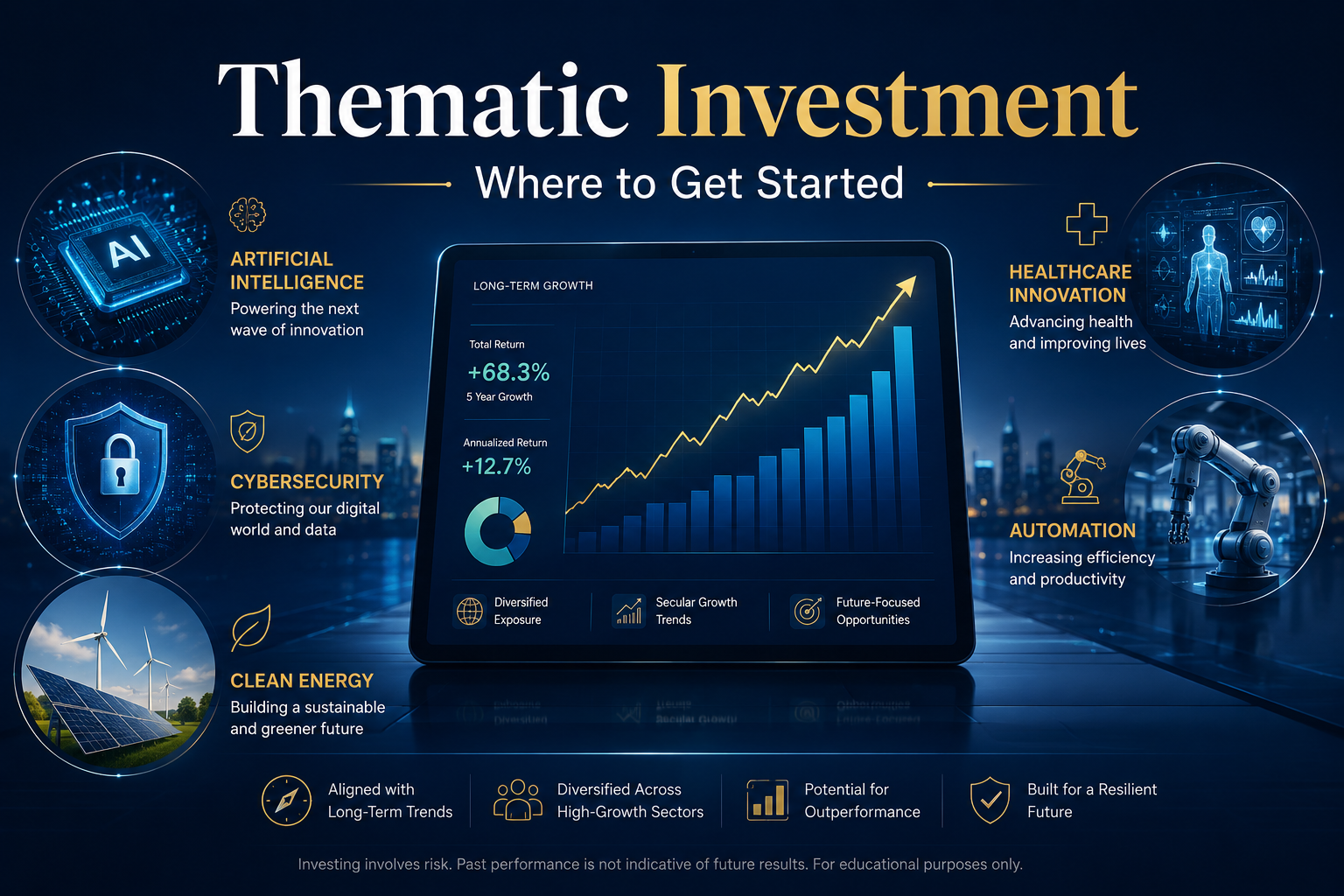
Thematic investment focuses on long-term structural trends rather than short-term market noise.
Thematic ETFs offer diversified exposure and are often the simplest starting point for new investors.
Individual stocks can deliver stronger upside, but they require deeper analysis of earnings, valuation and competitive strength.
CFDs may suit active traders seeking flexible exposure to theme-linked price moves, but leverage requires strict risk controls.
The strongest themes combine visible demand, reasonable valuation, investable companies and enough breadth to avoid single-company risk.
Thematic investing starts with a simple idea: identifying the big trends that could shape the economy and businesses over the next few years. These trends can come from new technology, changing consumer behaviour, government policies, or even long-term issues like energy demand and resource shortages. Instead of focusing only on one industry, investors focus on the wider impact of the trend itself.
This is what makes thematic investing different from traditional sector investing. For example, an AI-themed portfolio is not limited to software companies alone. It may also include chipmakers, cloud computing firms, data centre operators and networking companies because all of them benefit from growing AI demand. The investment idea is built around the trend, not just a sector label.
In 2026, some of the biggest themes still include artificial intelligence, clean energy and cybersecurity. Investors continue watching companies linked to AI infrastructure, EV supply chains, renewable energy and digital security as businesses spend more in these areas. However, strong themes usually have real economic drivers behind them, such as corporate spending, regulation or rising consumer demand. Themes driven only by market hype often fade much faster.
A theme should be tested before capital is allocated. Strong narratives can attract investors quickly, but returns still depend on earnings, valuations and timing. Three tests can help separate durable opportunities from fashionable trades.
A credible theme should be supported by spending that can be observed or reasonably tracked. That may include corporate investment, government policy, demographic pressure or a measurable productivity need.
AI infrastructure is supported by enterprise automation, cloud migration and data centre expansion. Cybersecurity is supported by rising digital risks and the shift of business operations to cloud systems. Healthcare innovation is driven by ageing populations, rising treatment demand, and cost pressures. Grid modernisation is linked to electrification and the need to integrate renewable power into ageing infrastructure.
A good theme can still be a poor investment if the entry price already assumes years of flawless growth. An AI company may report strong revenue growth and still disappoint investors if margins, guidance or capital spending fail to match expectations.
Before investing, compare revenue growth, operating margins, debt levels, free cash flow and valuation multiples. A stronger setup usually combines visible growth with a price that still allows room for execution risk.
A theme should not depend on one company. Cybersecurity can include identity software, endpoint protection, cloud security, threat intelligence and network monitoring. Energy transition exposure can include utilities, copper producers, battery storage firms, grid equipment manufacturers and renewable developers.
Broader exposure reduces the risk that one earnings miss, one product delay or one management error damages the entire investment case. Narrow exposure can produce stronger upside, but it also demands stronger conviction and closer monitoring.
The access route should align with the investor’s experience, holding period, and risk tolerance. The same theme can produce very different results depending on whether it is accessed through ETFs, individual stocks or CFDs.
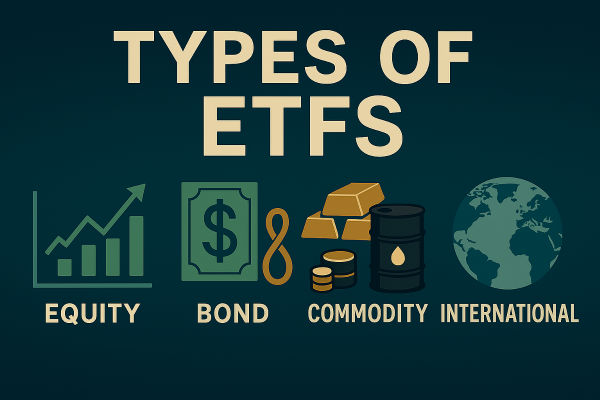
Thematic ETFs are often the most accessible starting point. They allow investors to buy a basket of companies linked to a single investment theme, reducing the need to identify one winning stock.
The fund name, however, should never be the sole focus of the analysis. Investors should check top holdings, concentration levels, expense ratio, trading liquidity, geographic exposure and index methodology. They should also confirm that the holdings genuinely match the stated theme.
Individual stocks suit investors who can analyse earnings quality, valuation, balance sheet strength and competitive position. The potential upside can be higher because capital is concentrated in selected companies. The risk is also higher because the investor must be right on both the theme and the company.
AI provides a useful example. Investors can gain exposure through semiconductor firms, cloud platforms, data centre operators, software companies or power infrastructure providers. Each part of the chain has a different margin profile, capital intensity and sensitivity to interest rates.
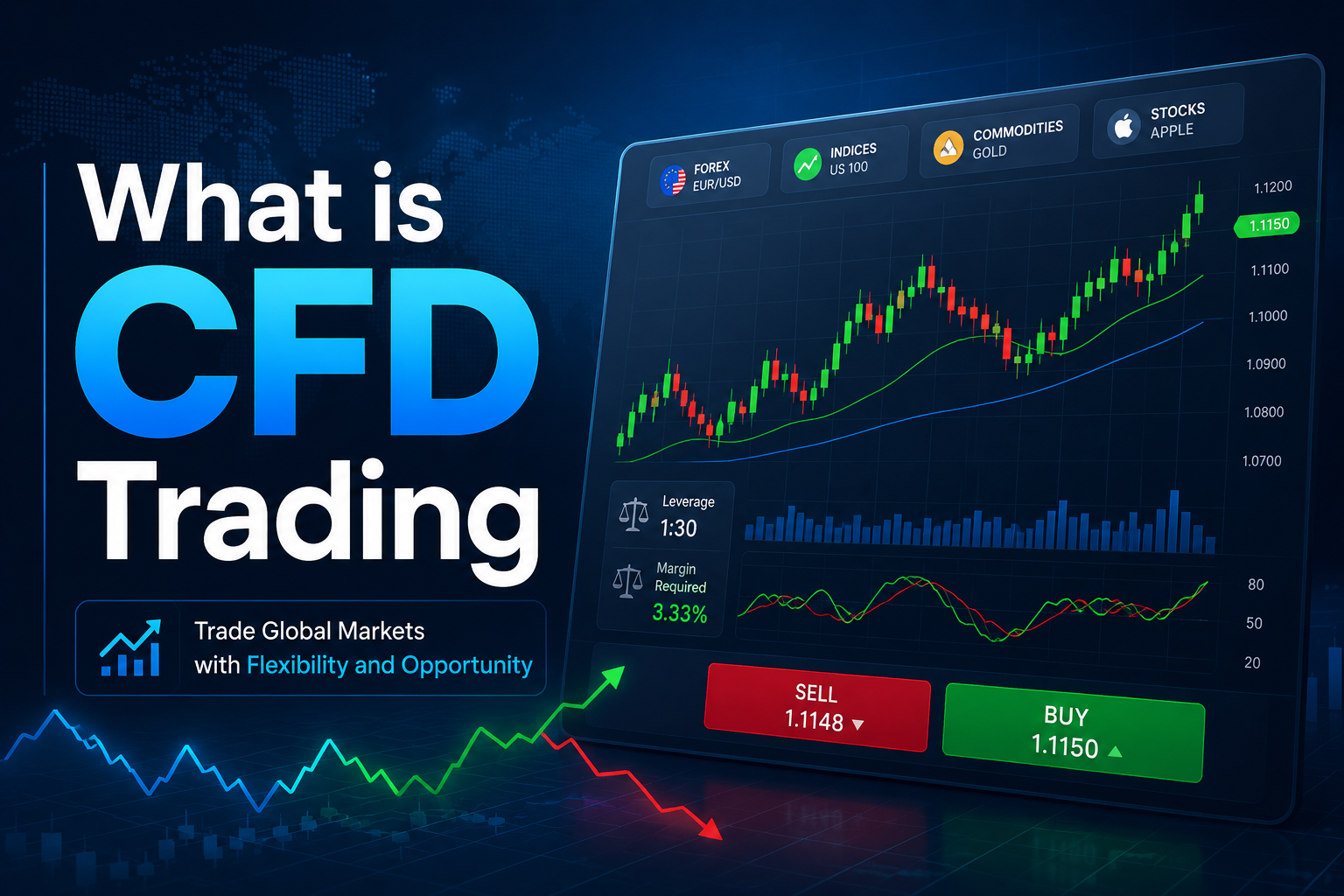
CFDs may appeal to traders who want shorter-term exposure to theme-linked price movements without owning the underlying asset. They can be used around earnings releases, policy announcements, macro data or sharp momentum shifts.
The appeal is flexibility. Traders can respond to rising or falling prices and quickly adjust exposure. The risk is leverage. Price moves that appear manageable in the underlying asset can lead to outsized gains or losses in a leveraged position.
Start with a structural trend that could continue expanding over several years. Current areas of active investor interest include artificial intelligence, cybersecurity, clean energy and semiconductor manufacturing.
A theme should be clear enough to explain in one sentence and broad enough to include several investable companies. If the opportunity depends on a single stock, the risk is more concentrated than many investors realise.
After selecting a theme, identify the companies with meaningful exposure to it. AI thematic investing may include MSFT.OQ, NVDA.OQ and GOOGL.OQ. Clean energy exposure may involve TSLA.OQ and ENPH.OQ. Cybersecurity exposure may include CRWD.OQ and PANW.OQ.
Investors should review earnings growth, valuation trends, balance sheet quality and industry developments before building positions. A company connected to a strong theme still needs a sustainable business model and a price that leaves room for uncertainty.
Through EBC Financial Group, investors can access global thematic opportunities across US stocks, indices, commodities and CFDs. After registration and account verification, users can fund their trading accounts and access markets through the MT5 trading platform.
On MT5, traders can search for stocks, indices or CFDs linked to their chosen investment theme. Semiconductor exposure may include NVDA.OQ, while broader technology exposure may also involve NASDAQ-linked indices.
This step helps investors compare direct stock exposure with broader market exposure. It also allows active traders to monitor price action, volatility and key levels before entering a position.
Thematic positions should be built based on risk tolerance, time horizon, and market conditions. Long-term investors may hold selected themes for several years. Active traders may use CFDs to respond to earnings releases, AI developments, policy announcements or sector momentum.
Regular review is essential. Themes can change quickly as valuations reset, competition increases, or market expectations move ahead of fundamentals.
The first mistake is buying after the market has already priced in perfection. When valuations assume uninterrupted growth, even strong companies become vulnerable to disappointment.
The second mistake is ignoring overlap. Many investors already own large technology companies through broad index funds. Adding a thematic AI or technology position may increase concentration more than expected.
The third mistake is choosing a fund based on its headline. A thematic ETF should be judged by its holdings, weighting method, fees and liquidity, not only by its name.
The fourth mistake is treating a theme as permanent. Themes evolve. Winners change. Valuations reset. A thesis that worked during the early stage of adoption may need to be revised once competition increases or earnings expectations become too demanding.
Yes, if beginners start with diversified exposure and sensible position sizes. Thematic ETFs are usually easier to invest in than single stocks because they reduce company-specific risk. Investors should still understand the theme, review the holdings and avoid buying only because recent performance has been strong.
Thematic exposure usually works best as a satellite allocation rather than the entire portfolio. Many investors keep it smaller than their broad market core. The right size depends on risk tolerance, investment horizon and existing exposure through index funds.
Thematic ETFs are usually more diversified than individual stocks, but they are not risk-free. A fund can still fall sharply if the whole theme reproduces. It may also hold expensive or overlapping companies. The main benefit is that one weak stock is less likely to damage the entire position.
CFDs can be used for tactical exposure to theme-linked assets, especially around earnings, macro data, policy news or momentum shifts. They are better suited to experienced traders because leverage increases both profit potential and loss risk. Risk rules should be set before entry.
Thematic investment works best when it is treated as a disciplined allocation, not a shortcut to the next market winner. The strongest themes have visible demand, investable companies, reasonable valuations and a clear role inside the portfolio.
A good process starts with a well-understood theme, then selects the access route that aligns with the investor’s horizon and risk tolerance. ETFs can provide diversified exposure. Stocks can offer focused upside. CFDs can support tactical positioning when used with strict controls.
The objective is not to own every future trend. It is to identify the structural changes that deserve capital, then invest with patience, valuation discipline and clear risk management.