Published on: 2025-04-23
Updated on: 2026-04-23
Gold remains one of the clearest portfolio diversifiers in 2026, and gold-backed ETFs continue to be used by both institutional and individual investors as a liquid way to access the metal without the storage or insurance issues that come with physical bullion.
If you are comparing the best gold ETF options now, the most useful filters are structure, cost, liquidity, and the kind of exposure you want.

The gold spot price is the benchmark for physically backed gold ETFs, but the headline price alone does not tell the full story.
What matters in practice is how closely a fund tracks spot after expenses, whether it trades close to net asset value, and how tight its bid-ask spread tends to be. Larger, more liquid bullion funds are usually easier to enter and exit than smaller or more specialised products.
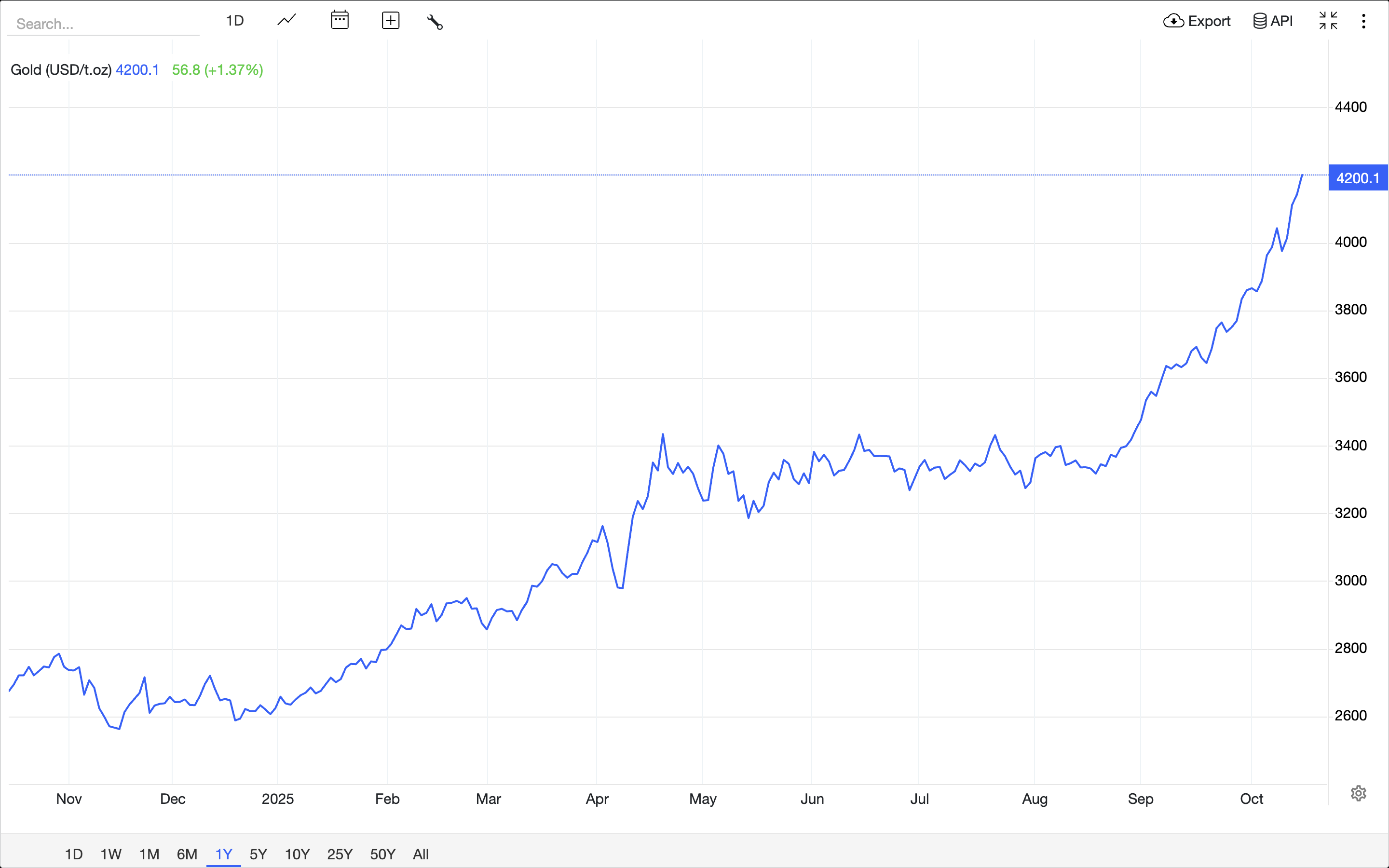
Several factors still make gold ETFs relevant for investors assessing portfolio risk and diversification in 2026:
Diversification: Gold has long been used as a portfolio diversifier alongside stocks and bonds.
Liquidity: Gold ETFs can usually be bought and sold through a brokerage account during market hours.
Simplicity: Gold ETF investing gives price exposure without the logistics of owning bars or coins directly.
Choice: Investors can choose between flagship bullion trusts, lower-cost mini funds, responsibly sourced products, and higher-beta miner ETFs depending on their objective.
A stronger shortlist separates physically backed bullion ETFs from miner ETFs, because they do different jobs. Bullion funds are usually better for diversification and lower-volatility gold exposure.
Miner ETFs can offer more upside in a strong gold market, but they behave more like equities and can fall even when bullion is steady.
Fees: Lower expense ratios help long-term returns, but fees alone should not decide the choice.
Liquidity: Larger ETFs such as GLD and IAU usually offer tighter spreads and easier execution, which matters if you trade often.
Type of Exposure: Decide whether you want physical bullion or gold-mining ETFs such as GDX.
Fund Structure: Check whether the fund directly holds allocated bullion or takes equity exposure through miners, because risk and behaviour differ.

Gold ETFs are convenient, but the real cost is wider than the headline fee. Expense ratio still matters, especially for long-term holders, but so do bid-ask spread, trading volume, and how closely the fund tracks spot gold after expenses.
It also helps to compare product structure before comparing short-term returns. Physical bullion trusts, gold-mining ETFs, and trading products such as CFDs can all give “gold exposure,” but they do not behave the same way.
Investors should compare fee, spread, liquidity, and structure together, not in isolation.

The more useful 2026 question is not whether new wrappers exist, but which type of gold exposure fits the investor’s goal. Physical gold ETFs are usually the cleanest option for long-term diversification.
Gold-mining ETFs suit investors who want more upside and can tolerate equity-style drawdowns. Gold CFDs and Gold ETF CFDs are more tactical tools for short-term trading, not substitutes for a long-term core allocation.
For investors seeking more flexibility, EBC offers Gold CFD and Gold ETF CFD trading options.
Gold CFD: Track real-time gold prices and trade with leverage for potentially higher returns.
Gold ETF CFD: Gain exposure to top-performing gold ETFs while avoiding the complexities of physical custody.
These instruments can complement traditional ETF investments, providing more trading opportunities and short-term strategies for active investors.
Gold ETFs can still play a useful role in a portfolio, especially for diversification, liquidity, and defensive exposure. Whether they are the right choice depends on your objective, time horizon, and whether you want physical bullion exposure or mining-equity exposure.
A physical gold ETF aims to track the price of bullion. A gold mining ETF invests in shares of companies that explore for or produce gold. Mining ETFs can outperform when gold prices rise, but they are generally more volatile because company-level and equity-market risks also matter.
There is no single allocation that fits everyone. A modest allocation may be enough for diversification, while a larger position only makes sense if gold plays a deliberate strategic role in your portfolio. The right weight depends on your risk tolerance, other holdings, and whether you are investing or trading.
Gold ETFs can remove the storage and handling problems that come with physical metal, but they are not risk-free. Investors still face market risk, tracking differences, liquidity differences between funds, and product-specific costs. A large, physically backed gold ETF is usually simpler to understand than a miner ETF or a leveraged trading product, but “safer” still depends on the structure you choose and your time horizon.
Gold ETFs still deserve attention in 2026, but the best option depends on what job you want gold to do in the portfolio. If your priority is low-cost bullion exposure, focus on fee, spread, liquidity, and fund structure. If you want higher upside and accept higher volatility, miner ETFs may fit better.
The best gold ETF is rarely the one with the noisiest recent return. It is the fund that matches your objective clearly, tracks its exposure efficiently, and fits the way you actually plan to use gold in a portfolio