Published on: 2026-06-11
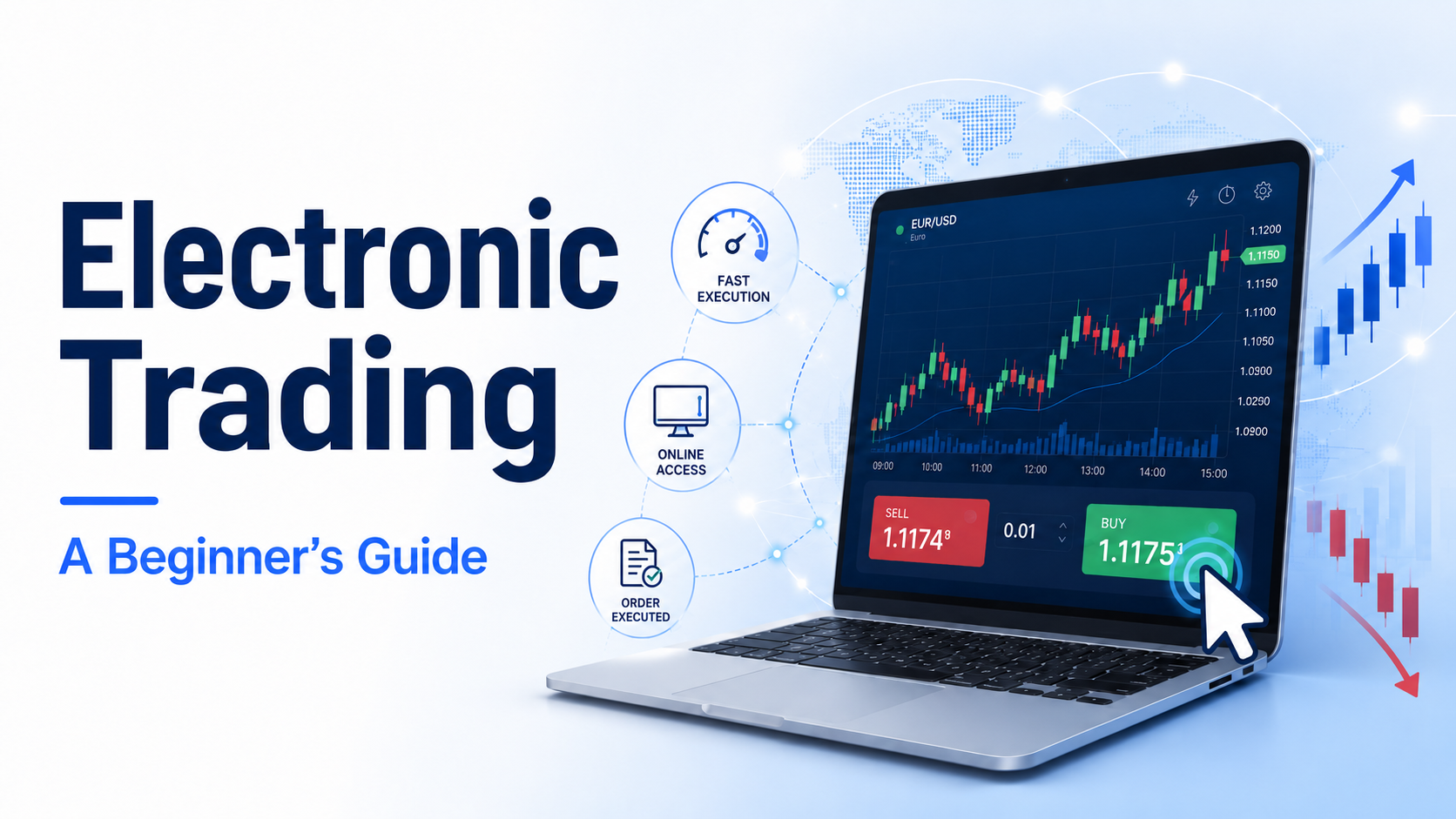
Electronic trading means buying and selling financial products using digital tools like online platforms, mobile apps, or broker software. Rather than calling a broker or trading on a physical exchange floor, traders can place orders straight from their computer or phone. Clicking “buy” or “sell” on a platform is an example of electronic trading.
People use electronic trading across many markets, including forex, stocks, commodities, indices, ETFs, futures, and CFDs. The options depend on the broker and market rules. The easiest way to understand electronic trading is this: it is the system that allows traders to access financial markets online.
But just because access is faster does not mean making a profit is easier. Traders still need to learn about orders, costs, market movements, and risk.
Electronic trading links traders to the market using digital networks. A simple process may look like this:
A trader places an order on a trading platform.
The broker receives the order electronically.
The order is sent to an exchange, liquidity provider, or execution system.
The trade is matched or executed.
The result appears on the trader’s platform.
This process happens fast. In busy markets, prices can change in seconds or even less. That speed is useful, but it also means mistakes can happen quickly. An incorrect order size, the wrong asset, or an emotional click can cause real losses.
Electronic trading made financial markets easier and faster to access. In the past, many trades were handled through phone calls, brokers, or physical trading floors. Today, traders can use online platforms to view live prices, study charts, place orders, and manage positions from a computer or mobile device.
This change has made trading more convenient for everyday traders. Many platforms also offer tools like demo accounts, chart indicators, account history, stop-loss, and take-profit orders.
But convenience can lead to bad habits. Since trades are easy to make, beginners might click too fast, trade too much, or start without a plan. Electronic trading gives access, but discipline is what really matters.
If you want to see how electronic trading works, try exploring EBC’s trading account options and platform features before making a real trade.
One big advantage of electronic trading is speed. You can place orders faster than with manual trading, which helps you react to market changes.
Another benefit is access. Retail traders can track global markets on a single platform, depending on the broker and account type.
Electronic platforms also offer helpful tools. Traders can often see live prices, charts, technical indicators, order history, account balance, margin levels, and market news.
Electronic trading also gives traders more control. Instead of depending on someone else to place orders, traders can pick the asset, order type, position size, stop-loss, and exit level themselves.
Electronic trading might make trading seem easy, but the risks are still real. Since it is easy to place orders, beginners might trade too often or act without a plan. Fast execution can also mean losses happen quickly, especially when using leverage.
Some common risks include platform issues, internet delays, slippage, wider spreads during busy times, and selecting the wrong order type. Rader may also think that because a platform looks clean and simple, the trade itself is simple. That is dangerous. The platform only gives access. It does not decide whether the trade is good.
The key lesson is that electronic trading makes it easier to enter the market, not to beat the market.
Floor trading is the traditional method in which trades are executed at a physical exchange location. Traders, brokers, and market participants may use voice orders, hand signals, or face-to-face communication.
Electronic trading happens through digital systems. Orders are entered, routed, matched, and confirmed electronically.
Floor trading still happens in some places, but electronic trading is now the usual way for most retail traders. Most beginners today start with an online platform, not on a trading floor.
Most electronic trading platforms let traders pick from different order types. A market order buys or sells at the best price available. It is quick, but in fast-moving markets, the final price may differ.
A limit order lets a trader set the price they want. The order only goes through if the market hits that price or better.
A stop-loss order helps limit losses by closing a trade when the price reaches a selected level.
It is important to understand order types: electronic trading gives traders control, but that only helps if you know what each order does.
Broker: A company or platform that connects traders to financial markets.
Market Order: An order to buy or sell immediately at the best available price.
Limit Order: An order to buy or sell only at a chosen price or better.
Stop Loss: An order used to close a trade when the price reaches a set loss level.
Slippage: The difference between the expected trade price and the actual execution price.
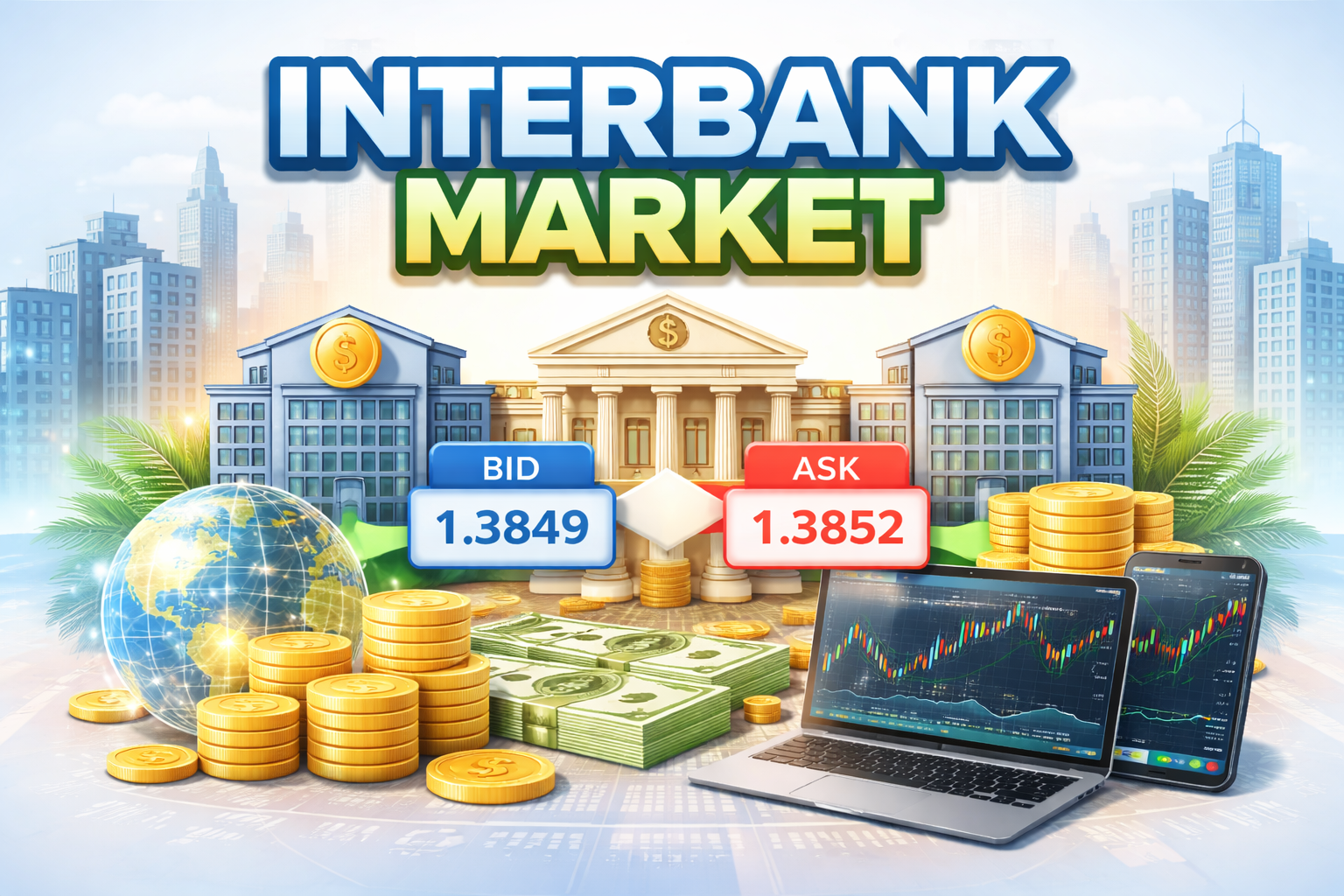
Spread: The difference between the bid price and the ask price in a market.
They are closely related. Online trading is a common form of electronic trading because orders are placed through internet-based platforms. Electronic trading can also include wider digital systems used by brokers, exchanges, and institutional traders.
Electronic trading can be safe to use, but trading itself carries risk. Beginners should understand order types, spreads, leverage, stop losses, and position size before trading with real money. A demo account can help build confidence in the platform.
Many markets can be traded electronically, including forex, stocks, commodities, indices, ETFs, futures, and CFDs, depending on the broker and local regulations. The available products depend on the platform and account type.
Yes. Because trades can be placed quickly, losses can also happen quickly. This is especially true during volatile markets or when leverage is used. Traders should avoid emotional clicking and always use a clear risk plan.
Electronic trading means buying and selling financial products through digital platforms and online systems. It lets traders access markets quickly, see live prices, use charts, and place orders directly.
For beginner traders, electronic trading is helpful because it makes it easier to access the market. But having access is not the same as having skill. Traders still need to learn about order types, trading costs, platform risks, and risk management before making trades.