Published on: 2025-12-17
Updated on: 2025-12-17
A broker is a financial intermediary that connects traders and investors to financial markets.
Most individuals cannot trade directly on exchanges or with large institutions, so brokers provide the access, systems, and permissions needed to buy and sell assets such as shares, currencies, commodities, indices, and derivatives.
For traders, the broker is important because it controls how trades are placed, how prices are shown, and how orders are executed. Broker quality can directly affect trading costs, speed, and overall risk.
In trading terms, a broker is a licensed firm that executes orders on behalf of clients. Brokers provide trading platforms where prices are displayed and trades are placed.
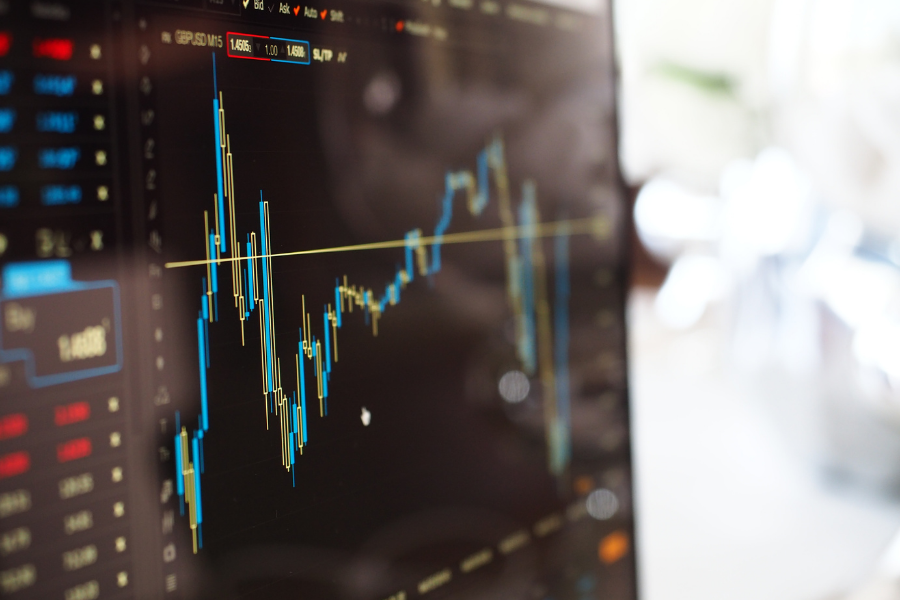
Depending on the market and broker model, orders may be routed to an exchange, sent to external liquidity providers, or handled internally.
Traders interact with brokers through charts, order tickets, account balances, and trade confirmations. Retail traders, professional traders, and institutions all rely on brokers, although services and conditions vary by client type.
Brokers provide a range of services that allow traders to access markets, manage trades, and monitor risk. While the exact offering differs by firm and asset class, most brokers cover several core functions.
First, brokers provide market access and order execution. This includes live price quotes, the ability to place different order types, and systems that route trades for execution. The quality of this service affects speed, pricing, and slippage.
Second, brokers offer trading platforms and tools. These platforms show charts, indicators, account balances, and trade history. Many also include basic analysis tools, alerts, and order management features.
Third, brokers handle account services. This includes opening and maintaining trading accounts, processing deposits and withdrawals, setting margin requirements, and applying financing charges on open positions.
Fourth, brokers provide risk and compliance services. Regulated brokers must follow rules on client fund segregation, reporting, and transparency. They also apply margin controls and may restrict trading during extreme market conditions.
Some brokers also offer educational content and support, such as market commentary, webinars, or customer service assistance. While these do not affect execution directly, they can help traders understand products and platform features.
Broker conditions can change based on several factors:
Market volatility: Fast or unstable markets can lead to wider spreads and slower execution.
Liquidity levels: Thin market conditions may reduce pricing quality.
Economic events: Major data releases or central bank decisions can trigger temporary rule changes.
Risk controls: Brokers may adjust margin requirements to manage exposure.
These changes can affect trade outcomes even if market direction is correct.
A broker influences trading in three key areas. First is pricing, including spreads and commissions that affect entry and exit levels.
Second is execution quality. Speed, slippage, and order handling determine how closely a trade matches the intended price.
Third is risk management. Margin rules, stop-loss handling, and account protections all depend on the broker’s systems.
Typical situations include:
Good situation: stable pricing, fast execution, clear trading rules
Bad situation: wide spreads, delayed fills, sudden condition changes
Understanding the broker’s role helps traders manage expectations and control risk.
Imagine a market price of 1.2000. One broker quotes 1.1998 to 1.2002, while another quotes 1.1995 to 1.2005. A trader buying through the second broker starts with a higher cost, even though the market price is the same.
If volatility increases and execution slows, a market order may be filled at a worse level. The asset itself did not change, but broker conditions did. This shows how broker choice can influence results.
Before trading, traders usually review:
Regulation and licensing: Check which authority supervises the broker.
Costs and fees: Understand spreads, commissions, and financing charges.
Execution quality: Look for consistent pricing and minimal slippage.
Platform reliability: Ensure stable access during active market periods.
A good habit is to review broker conditions regularly, not only when problems appear.
Choosing a broker based only on low advertised costs.
Ignoring regulation and client protection.
Not understanding margin rules before trading.
Trading aggressively during major news without preparation.
Assuming all brokers operate in the same way.
These mistakes often increase risk unnecessarily.
Forex Broker: A broker that specialises in providing access to currency markets.
Market Order: An instruction to buy or sell immediately at the best available price.
Bid-Ask Spread:The difference between buying and selling prices quoted by a broker.
A-Book Broker: A broker that routes client trades directly to external liquidity providers without taking the opposite side.
B-Book Broker: A broker that internalises client trades and acts as the counterparty to those positions.
Live Account: A real trading account funded with actual money, where trades carry real profit and loss.
A broker is a financial intermediary that allows traders to buy and sell assets such as shares, currencies, or commodities. The broker provides market access, pricing, and order execution through a trading platform.
No. A bank may provide liquidity and an exchange is the marketplace where assets are traded, while a broker connects traders to those markets. The broker acts as the access point, not the market itself.
Brokers earn money through spreads, commissions, financing charges, or a combination of these. These costs are part of trading and vary by broker and asset.
Different brokers offer different pricing, execution speed, margin rules, and platforms. These differences can affect trading costs, risk control, and overall performance.
Most reputable brokers are regulated by financial authorities in the regions where they operate. Regulation helps protect clients but does not remove normal trading risk.
Yes. Execution quality, slippage, spreads, and trading conditions can all influence the final result of a trade, even if market direction is correct.
A broker provides the structure that allows traders to place, execute, and manage trades in financial markets. It determines how prices are accessed, how orders are handled, and how trading rules are applied in practice.
Understanding a broker’s role helps traders assess costs, execution quality, and risk limits. Ignoring these factors can lead to outcomes that differ from what market price movement alone would suggest.
Disclaimer: This material is for general information purposes only and is not intended as (and should not be considered to be) financial, investment or other advice on which reliance should be placed. No opinion given in the material constitutes a recommendation by EBC or the author that any particular investment, security, transaction or investment strategy is suitable for any specific person.



World's Best Broker