Published on: 2026-04-09
A DAX 40 rebound often says more than “German stocks are up.” It can signal easing energy pressure, improving risk appetite, and renewed confidence in Europe’s cyclical sectors.
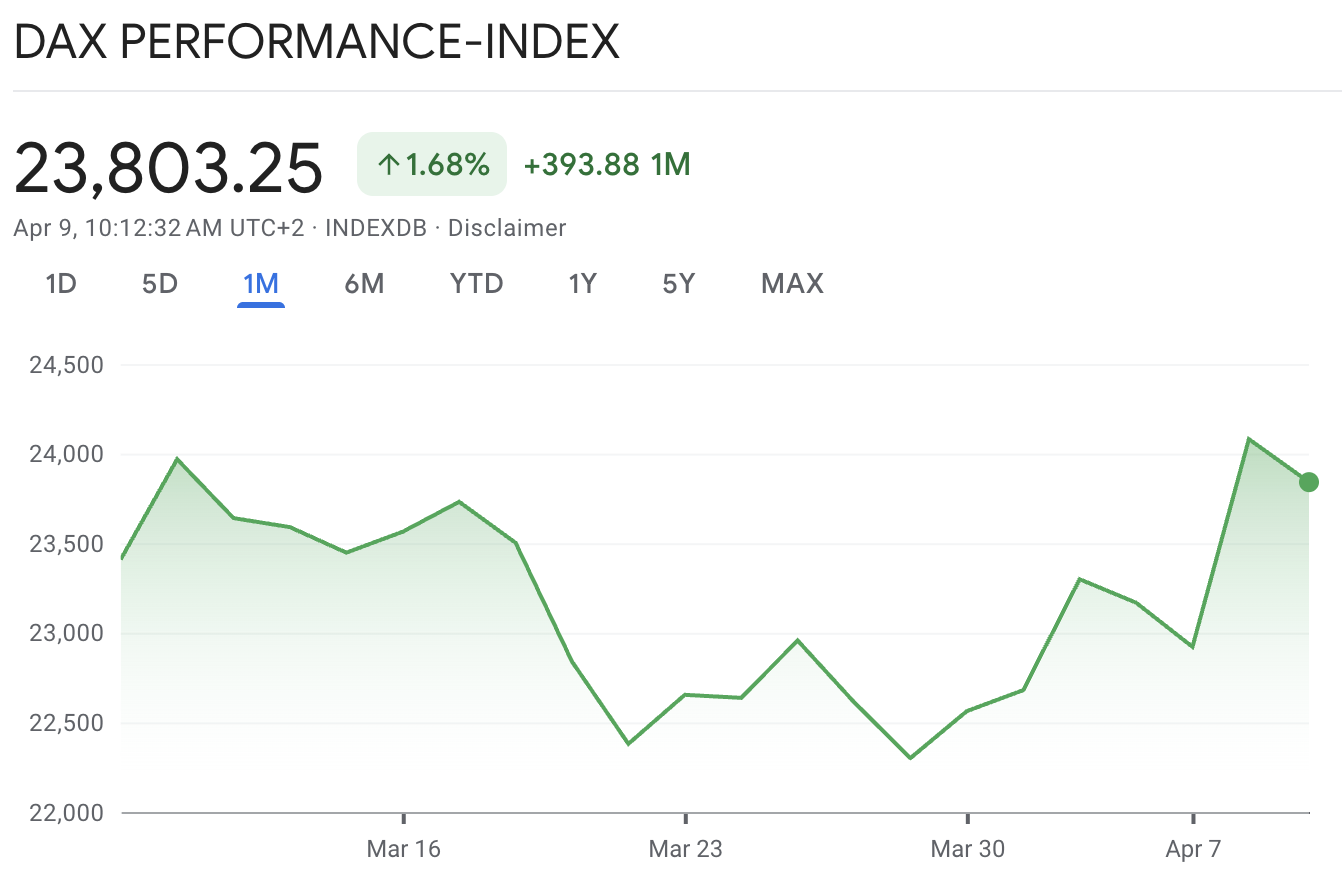
That matters because the DAX is unusually sensitive to shifts in energy costs, trade flows, and global growth expectations.
Germany’s benchmark is heavily exposed to industrials, exporters, insurers, and autos, which means changes in macro conditions often show up there earlier and more sharply than in broader European markets.
Germany remains more industrial than most large EU peers. In 2024, manufacturing accounted for 19.9% of German gross value added, versus 15.9% for the EU average.
Energy matters because Europe’s energy-intensive industries account for more than half of EU industrial energy consumption, making cost shocks especially important for cyclicals.
The DAX sector mix is tilted toward cyclicals. STOXX shows Industrial Goods and Services at 26.4%, Technology at 14.1%, Insurance at 13.1%, Energy at 7.2%, Automobiles and Parts at 5.7%, and Chemicals at 4.1%.
A rebound does not automatically mean the German economy is strong. Destatis said GDP rose 0.2% in 2025, but exports declined again and manufacturing output fell 1.3%.
The DAX is broad across German large caps, but its sector mix is more cyclical than that of many other flagship indices.
STOXX says the index tracks the 40 largest companies on the Frankfurt-regulated market, is selected by free-float market capitalization, and represents Germany’s diversified economy. It is also primarily calculated as a performance index, which means dividends are included.
That structure matters because Germany remains unusually industrial. Destatis says manufacturing accounted for 19.9% of Germany’s gross value added in 2024, compared with 16.6% in Italy, 11.9% in Spain, and 10.7% in France.
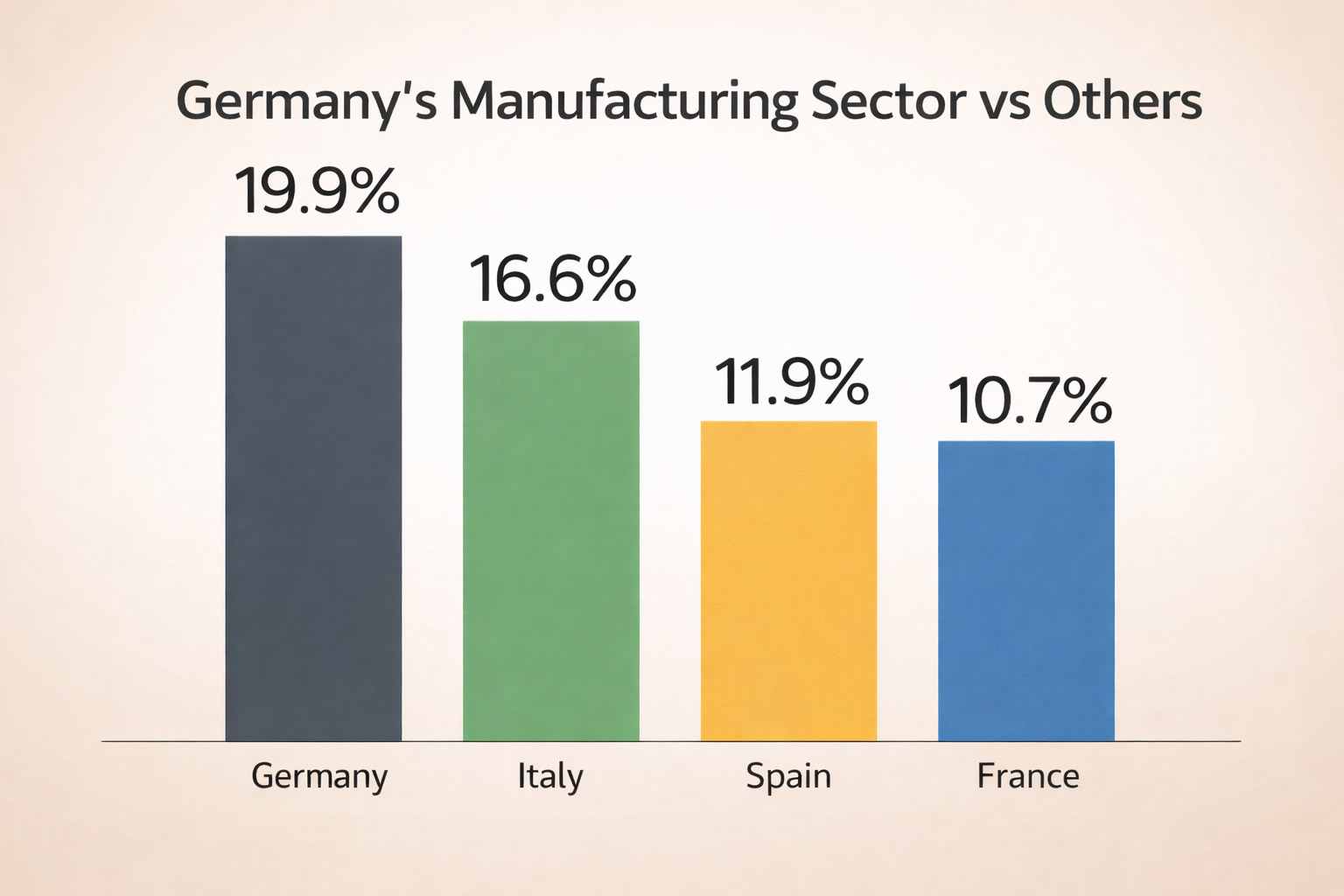
This leaves the German equity market more exposed to global trade, input costs, and cyclical demand than many readers assume.
Germany’s export profile reinforces that point. In 2025, motor vehicles and parts accounted for 16.3% of exports, machinery for 13.8%, and computer, electronic, and optical products for 8.7%. When investors reassess fuel costs, trade flows, tariffs, or global demand, those sectors can reprice quickly.
| Sector | Weight |
|---|---|
| Industrial Goods & Services | 26.4% |
| Technology | 14.1% |
| Insurance | 13.1% |
| Energy | 7.2% |
| Telecommunications | 6.7% |
| Healthcare | 6.3% |
| Automobiles & Parts | 5.7% |
| Banks | 4.7% |
| Utilities | 4.5% |
| Chemicals | 4.1% |
Industrials, autos, and chemicals together account for 36.2% of the index. That explains why the DAX often reacts sharply to changes in energy prices, freight costs, and growth expectations.
Energy is one of the most important external drivers for the DAX. The IEA notes that imports, especially of oil, natural gas, and coal, remain an important part of energy supply for countries like Germany, leaving them vulnerable to external disruption.
That matters because cost pressure does not stay confined to utilities. The European Commission says that energy-intensive industries account for more than half of EU industrial energy consumption.
In practical terms, higher energy prices can squeeze margins for chemicals, transport, heavy industry, and parts of the auto supply chain, while lower energy prices can support the opposite move.
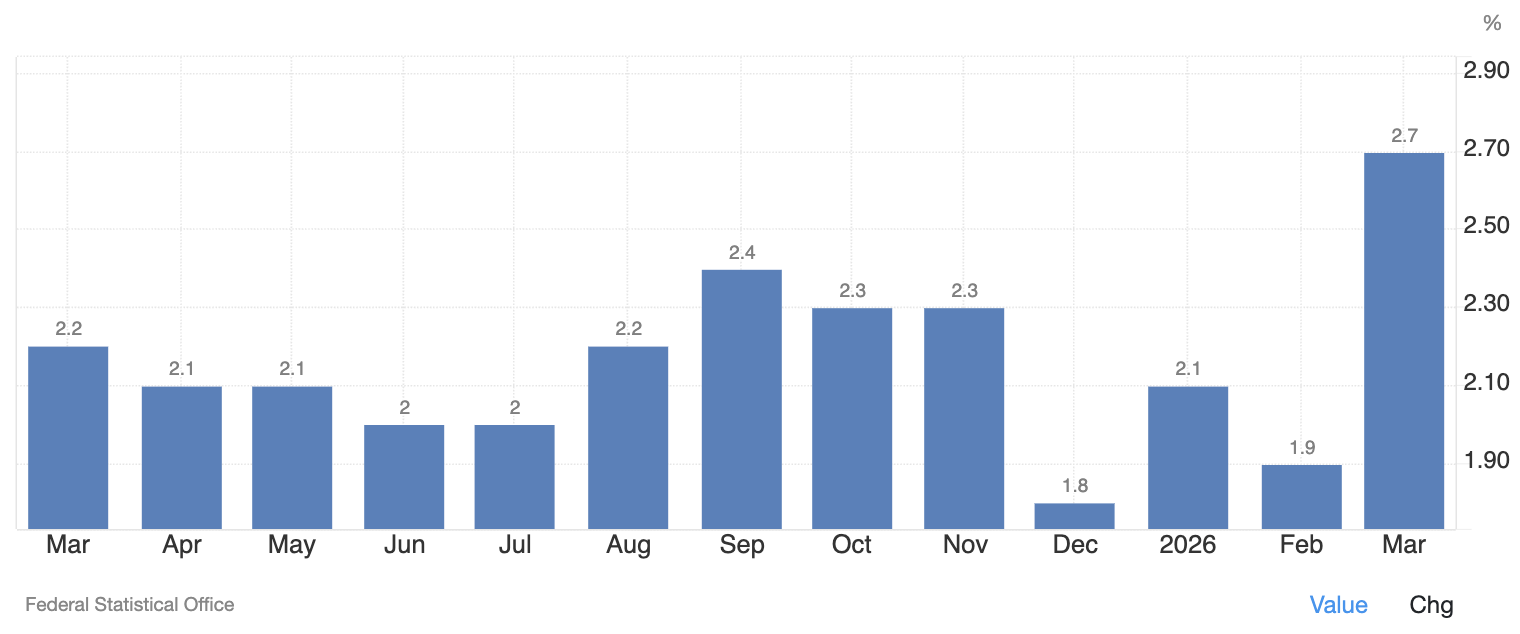
The inflation channel matters too. The ECB’s December 2025 projections said euro-area headline inflation is expected to fall from 2.1% in 2025 to 1.9% in 2026, with the early-2026 decline partly reflecting energy base effects.
Lower energy pressure can therefore help both earnings expectations and the policy outlook.
A DAX rebound often appears when three conditions improve at once:
Energy relief: lower oil, gas, or electricity pressure improves the earnings outlook for cyclicals.
Geopolitical de-escalation: reduced disruption risk supports exporters, industrials, and travel-linked names.
Stronger risk appetite: investors rotate back into sectors that benefit more from growth and trade than from defensiveness.
That is why the DAX can move more violently than a more defensive European benchmark when sentiment shifts.
A rebound in the Germany index does not always mean the domestic economy is booming. Destatis said Germany’s GDP rose 0.2% in 2025, ending two years of recession, yet exports still faced headwinds and manufacturing output fell for a third straight year.
The stock market can improve before the real economy fully stabilizes.
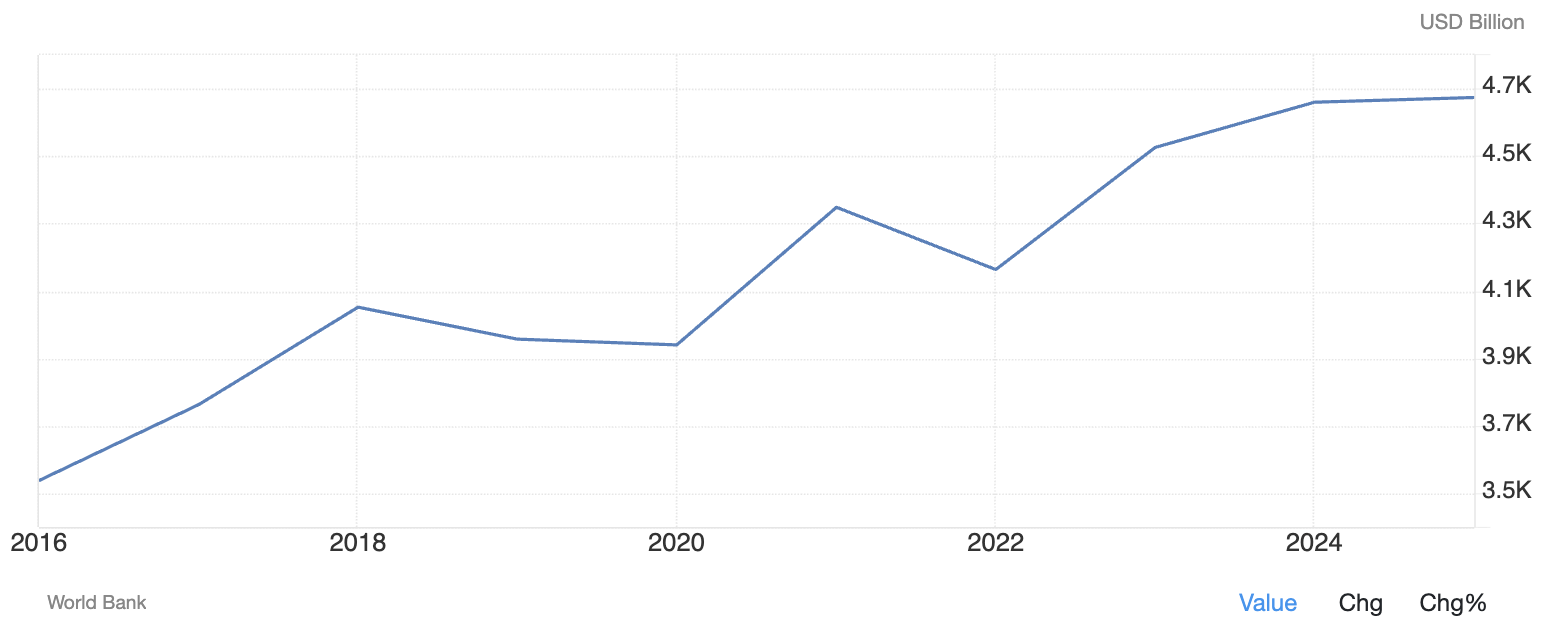
That gap exists because many DAX companies are global businesses. Investors often price the next change in margins, orders, and trade conditions, not just current domestic demand. A rally in industrials, autos, insurers, and banks usually signals that the market expects a less hostile macro backdrop for Europe’s cyclical sectors.
The valuation picture also supports a more measured reading. On the latest STOXX factsheet, the DAX traded at 23.4x trailing earnings and 16.8x projected earnings.
That is not cheap in absolute terms, but it also shows why readers should distinguish between current profits and forward expectations when assessing a rebound.
When the DAX jumps, the key question is not whether it is up. The key question is what is leading.
If industrials, autos, and chemicals lead, the market is usually pricing better growth or lower input costs. If insurers and banks lead, investors may be focusing more on financial conditions and rate expectations. If defensives lead instead, the move may be less about confidence and more about short-covering or temporary relief.
That makes the DAX a useful teaching tool. It helps readers see how external shocks move European equities and why Germany often acts as the region’s clearest cyclical signal.
The DAX tracks the 40 largest companies listed on Frankfurt’s regulated market that meet minimum quality and profitability requirements. It is Germany’s flagship large-cap benchmark.
Because Germany remains exposed to imported fossil fuels, while Europe’s energy-intensive industries consume more than half of the EU's industrial energy use. That makes energy costs important for margins and sentiment.
Not necessarily. Germany’s GDP rose in 2025, but exports weakened and manufacturing output fell. Equity markets often move ahead of the broader economy.
A cyclical rally is a rise led by sectors that benefit when growth fears ease, such as industrials, autos, banks, and chemicals. The DAX is well-suited to show that rotation.
The DAX 40 is not just a German headline index. It is one of Europe’s clearest signals of cyclical risk appetite because its sector mix is deeply tied to industry, exports, and energy-sensitive businesses.
When the DAX rebounds, investors are often responding to changing views on costs, trade, and growth rather than just chasing momentum.
That is what makes a DAX 40 rebound useful for readers. It helps explain how external shocks pass through to European stocks, why Germany reacts so quickly, and why the first leg of a market recovery often starts in cyclicals before it shows up more clearly in economic data.
Disclaimer: This material is for general information purposes only and is not intended as (and should not be considered to be) financial, investment or other advice on which reliance should be placed. No opinion given in the material constitutes a recommendation by EBC or the author that any particular investment, security, transaction or investment strategy is suitable for any specific person.