Published on: 2023-11-28
Updated on: 2026-04-30
Russia’s Economic Trajectory is no longer a simple story of post-Soviet recovery, oil wealth and oligarchic power. It is now a test of how long a large commodity exporter can turn wartime spending into growth while sanctions, high rates and labour shortages raise the cost of stability.
Russia has not collapsed. The sharper question is whether it can keep growing without sacrificing productivity, private investment and economic flexibility.
The answer is less comfortable. On 24 April 2026, the Bank of Russia cut its key rate to 14.50%, but annual inflation still stood at 5.7%, and the central bank kept its 2026 GDP growth forecast at only 0.5% to 1.5%. Russia remains resilient on the surface, but the mechanisms behind that resilience are becoming more restrictive, more political and more dependent on war-related demand.
Russia’s Economic Trajectory has shifted from wartime acceleration to constrained growth, with 2026 GDP expected to rise only modestly.
Energy exports still anchor the budget, but sanctions, rerouted trade and pricing discounts reduce revenue quality.
Military spending supports factories and employment, yet it diverts capital and labour from civilian sectors.
Low unemployment signals labour scarcity, not broad strength, as wage growth continues to outrun productivity.
The ruble, oil revenue, and the fiscal deficit remain the clearest market signals of stress.
Russia’s economic structure still carries the imprint of Soviet planning. Central control enabled rapid industrialisation when national objectives were clear. It worked for scale, but not for flexibility. By the 1960s and 1970s, shortages, weak incentives, and poor innovation exposed the limits of an economy in which prices did not guide production.
The Soviet collapse forced Russia into an abrupt transition to the market economy. Price controls were removed, trade was liberalised, and state assets were privatised. The result was hyperinflation, collapsing output and the rise of oligarchs who acquired strategic assets at low prices. The market arrived, but institutional trust did not.
That history matters because Russia never developed into a normal market economy. Property rights, political loyalty and state access remained deeply connected, especially in energy and other strategic sectors.
The Putin-era recovery rested on higher oil prices, tighter fiscal control and stronger state direction. From the late 1990s to 2008, rising crude prices helped Russia repay debt, rebuild reserves and lift wages. Growth felt broad because energy revenue flowed through the budget, state companies and household income.
The weakness was concentration. Russia did not use the boom to build a diversified, innovation-led economy. Energy exports stayed central. State-linked companies gained power. The economy remained heavily dependent on hydrocarbons, metals, arms and public-sector demand.
This dependence became decisive after 2022, when Russia had to reroute trade, replace imports and sell more energy to non-Western buyers. The shift prevented collapse, but brought discounts, longer logistics and greater dependence on fewer counterparties.
The easy gains from wartime stimulus have already been used. Defence orders can raise industrial output, while military wages and state procurement support income. But these forces do not solve weak productivity, limited technology access or private-sector caution.
For readers, the point is simple: Russia is stable on the surface, but the cost is rising. High rates restrain borrowing. Sanctions raise transaction costs. Labour shortages push wages higher. Oil revenue remains essential, but less predictable.
That makes Russia’s Economic Trajectory relevant beyond Russia. It affects crude oil, refined products, sanctions enforcement, shipping insurance and currency risk. A fall in Urals crude prices can pressure federal revenue even when export volumes remain large. That matters for the ruble because weaker hard-currency inflows collide with heavy domestic spending.
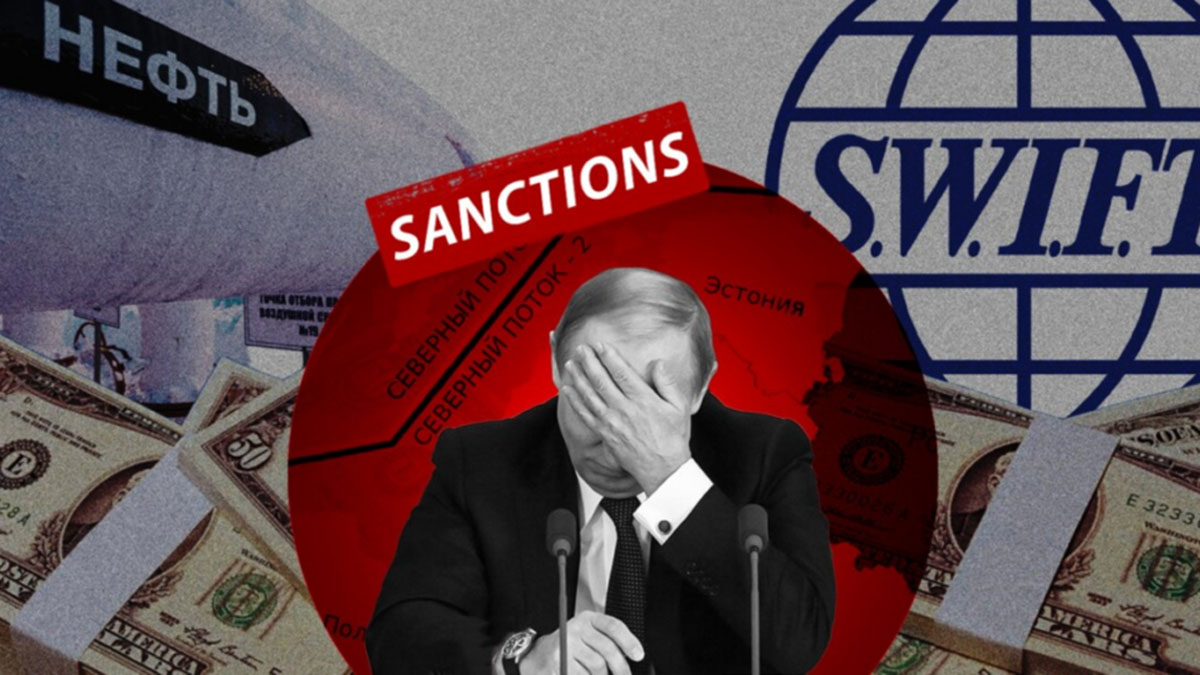
Russia’s wartime economy initially grew because the state injected demand into sectors it could control. Defence plants increased production, regional factories gained orders, and workers benefited from high wages in military-linked industries. This created activity, but not necessarily durable productivity.
By 2026, the strain is clearer. The Bank of Russia says investment activity remains subdued, consumer demand growth is slowing, and wage growth is still outpacing labour productivity. Monetary conditions remain tight even after rate cuts, which means the private economy is not receiving broad relief.
The table shows the contradiction. Russia can report low unemployment and positive growth, yet still faces a weakening growth mix. A tight labour market supports households, but limits capacity. A high policy rate restrains investment. Military spending keeps the economy afloat, but crowds out civilian priorities.
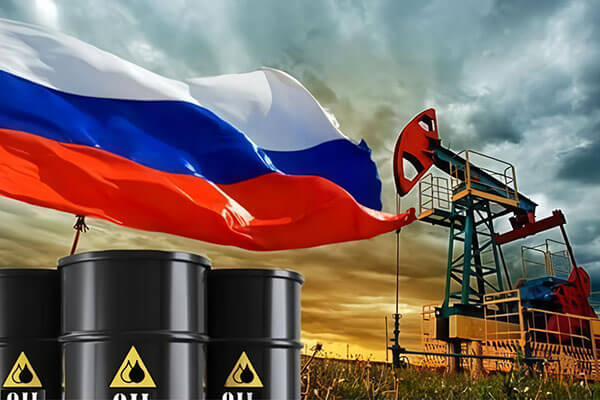
Energy remains the fiscal anchor. Oil, gas and refined products supply hard currency and budget revenue. But exports are no longer frictionless. Europe has reduced direct dependence on Russian energy, while Russia relies more on Asian buyers, alternative shipping networks and pricing discounts.
The pressure is visible in the oil data. The IEA reported that Russian oil exports fell by about 400,000 barrels per day in November 2025 to 6.9 million barrels per day, while Urals crude dropped to $43.52 per barrel, and export revenues fell to their lowest level since the invasion of Ukraine. This does not mean Russia loses access to energy income. It means each barrel carries more political, logistical and pricing risk.
Sanctions also work gradually rather than instantly. They raise costs, slow transactions, restrict technology and complicate finance. Russia has adapted through parallel imports, non-Western settlement channels and domestic substitution. The trade-off is lower efficiency. Adaptation prevents collapse, but rarely creates stronger productivity.
For markets, Russia should be viewed less as a broad equity story and more as a macro-risk channel. The rouble reflects export receipts, import demand, capital controls and fiscal pressure. Oil prices affect budget space. Sanctions influence shipping, refining margins and product availability.
The ruble translates external pressure into domestic inflation. If export revenues weaken while military and social spending remain high, currency pressure can return. A weaker ruble raises import costs and may force the central bank to slow rate cuts.
Oil is the second signal. Higher crude prices can improve Russia’s fiscal position, but lower realised prices for Russian grades reduce that benefit. This is why headline export flows can look stable while budget quality worsens. The third signal is the fiscal deficit, since persistent war spending narrows the room for civilian investment in infrastructure, healthcare, and technology.
Yes, but growth is slowing. State spending and defence orders helped Russia avoid a deeper downturn after 2022, but high interest rates, sanctions and weaker consumer demand now limit momentum.
Energy exports provide hard currency, tax revenue and leverage. Oil and gas income funds the budget and supports the rouble, but also exposes Russia to crude prices, discounts and sanctions enforcement.
Sanctions have not destroyed Russia’s economy, but they have made it less efficient. Russia has rerouted trade and found alternative suppliers, yet these routes often cost more and weaken access to advanced technology.
Russia’s Economic Trajectory is best understood as resilience with a rising price tag. The country has adapted to sanctions, rerouted trade and used state spending to support output. But adaptation is not renewal. A war economy can sustain factories and employment, yet it also distorts incentives, absorbs skilled labour, and pushes capital toward political priorities.
Russia’s economy has not broken. It has hardened. The more it relies on defence spending, energy revenue and administrative control, the more its future shifts from growth potential toward managed endurance. That is the core lesson for 2026: Russia remains economically functional, but increasingly expensive to sustain.
Disclaimer: This material is for general information purposes only and is not intended as (and should not be considered to be) financial, investment or other advice on which reliance should be placed. No opinion given in the material constitutes a recommendation by EBC or the author that any particular investment, security, transaction or investment strategy is suitable for any specific person.