Published on: 2025-06-13
Updated on: 2025-11-10
Entering trading in 2026 can be exciting but overwhelming. With real-time market data, advanced strategies, and a flood of online resources, beginners often struggle to know where to start.
One of the most effective ways to build a strong foundation is through books authored by experienced traders and financial experts. These works offer in-depth lessons on strategy, psychology, risk management, and market behaviour, insights that often surpass the depth found in typical online videos and tutorials.
In this comprehensive guide, we'll explore ten of the best trading books every beginner should read in 2026.

Despite the surge in online courses, YouTube tutorials, and algorithmic signals, books remain an irreplaceable resource. They allow traders to:
Explore historical examples and detailed methodologies.
Develop critical thinking and long-term retention of concepts.
Build a solid mental framework for trading psychology and risk management.
Whether you are day trading, swing trading, or investing for the long term, the right book can serve as a lifelong reference and foundation for your trading journey.
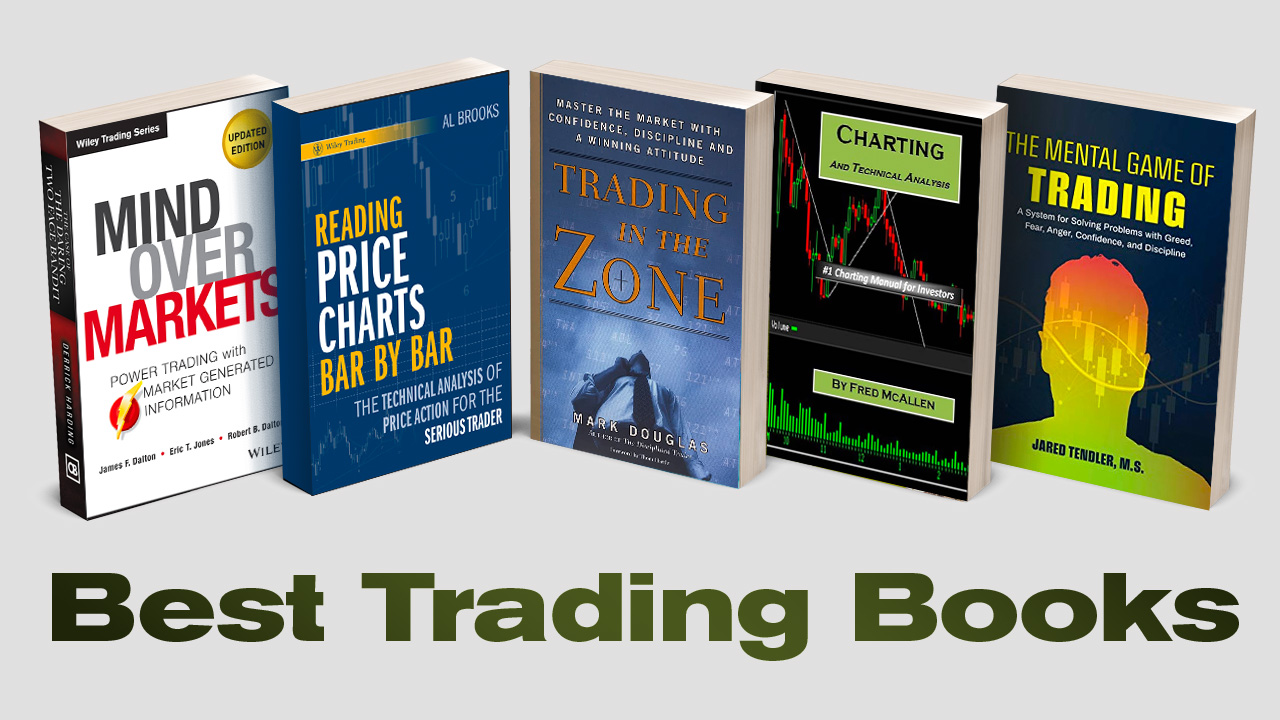
A classic in trading psychology, Douglas breaks down mental roadblocks that prevent consistent profitability.
Reasons to Read:
Teaches mental discipline and emotional control in trading.
Encourages developing a probabilistic mindset.
It helps traders move beyond fear, greed, and overconfidence.
Stresses consistency over being "right."
A simple introduction to stocks, ETFs, and market fundamentals.
Reasons to Read:
Simplifies stock market basics for total beginners.
Explains how to buy your first stock or ETF.
Covers common mistakes and how to avoid them.
Introduces concepts like dividends, IPOs, and trading platforms.
A legendary figure in trading, William O'Neil created the CAN SLIM method, a system that blends technical analysis and fundamental research. The book teaches readers how to identify winning stocks before they explode in price.
Reasons to Read:
Introduces the CAN SLIM strategy for growth stock investing.
Teaches how to identify stocks with strong fundamentals and technical signals.
Includes case studies of major winning stocks.
It helps readers understand timing in buying and selling.
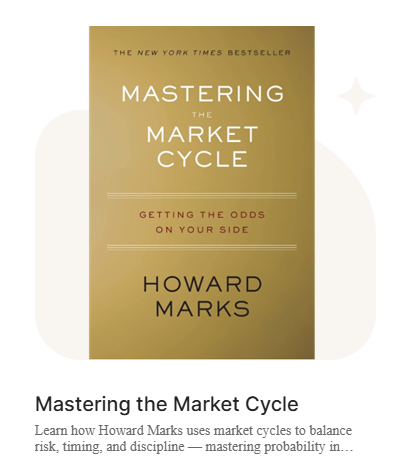
Learn to identify market cycles, anticipate turning points, and strategically position portfolios.
Reasons to Read:
Understand bull and bear cycles.
Offers actionable risk management strategies.
Designed for modern markets, this approach is well-suited for both beginners and intermediate traders, combining practical strategies with adaptable techniques.
Covers psychology, technical analysis, trading systems, and risk management.
Reasons to Read:
Covers trading psychology, technical analysis, and risk management.
Introduces the Triple Screen System for identifying trades.
Emphasises capital preservation and money management.
Offers practical checklists and trading journal tips.
"Market Wizards" is a collection of interviews with some of the world's top traders, including Paul Tudor Jones and Ed Seykota. Through candid conversations, Schwager uncovers the trading philosophies, failures, and breakthroughs that shaped these legends.
Reasons to Read:
Shares lessons from interviews with legendary traders.
Demonstrates diverse trading styles and philosophies.
Highlights common traits such as discipline, risk control, and adaptability.
Provides motivation and insight into the thought process of professional traders.
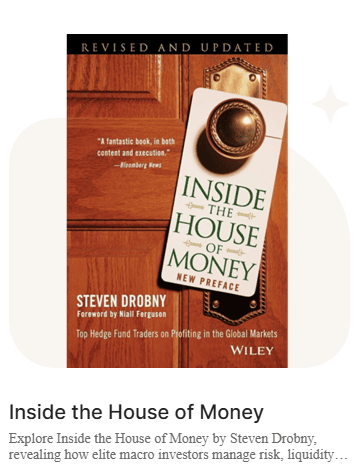
Dive into macro trading and explore how top global traders analyse markets.
Reasons to Read:
Reveals professional trader thinking and portfolio strategies.
Helps apply theory to real-world trading.
This semi-autobiographical narrative of Jesse Livermore, a legendary trader in history, provides his profound insights into market speculation, fear, and the trader's mind. Originally released in 1923, its insights remain relevant to today's markets.
Reasons to Read:
A semi-fictional account of Jesse Livermore's trading career.
Teaches timeless lessons about speculation, trend following, and human psychology.
Warns about overtrading and emotional decision-making.
Captures the highs and lows of real trading experience.
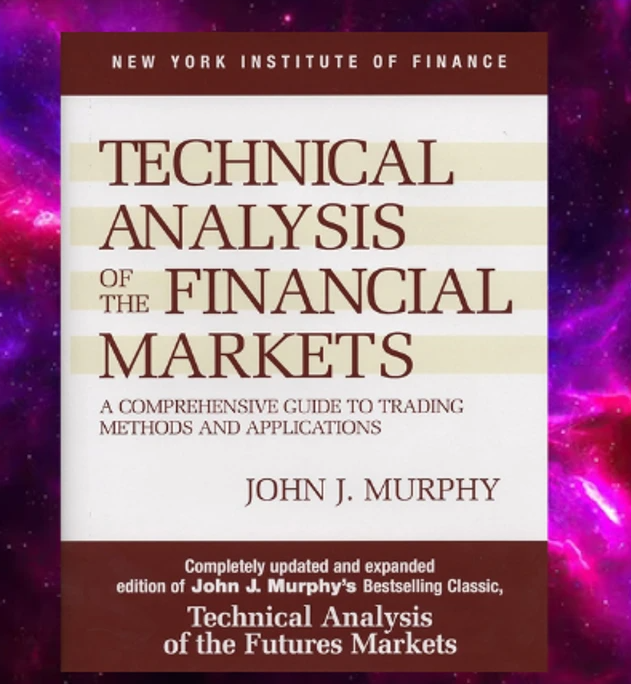
For beginners serious about mastering charts, patterns, and indicators, Murphy's comprehensive guide is essential. It covers everything from moving averages and RSI to chart formations and Intermarket analysis. With clear illustrations and structured explanations, it serves as a textbook for technical traders.
Reasons to Read:
Comprehensive guide to technical indicators and Chart Patterns.
Explains tools like RSI, MACD, trendlines, and candlesticks.
Teaches how to analyse price action and volume.
Great for those building a technical trading strategy from scratch.
Dr. Steenbarger, a clinical psychologist and trading coach, explores how human emotions impact trading performance. The book is filled with practical exercises, case studies, and tools to help traders improve their mental game.
Reasons to Read:
It explores the mental perspective of trading performance.
Offers exercises to improve focus, discipline, and emotional control.
Uses case studies and coaching stories for practical application.
Builds trader resilience in high-stress environments.
There's no fixed number, but reading 3‑5 foundational books (e.g., on mindset, technicals, risk) is a solid start before risking significant capital.
If you struggle with discipline, pick a psychology book; if you don't understand charts, choose a technical‑analysis book.
No. Reading is crucial, but applying, practising and managing risk are essential.
Take notes and highlight actionable lessons.
Apply one key concept in paper or small‑scale trading.
Revisit major ideas once you have some experience.
Create a short "what did I learn / how can I apply it" summary at the end of each book.
In conclusion, choosing the right trading book depends on your experience, goals, and preferred markets. Classics provide timeless insights, while EBC-recommended books add practical, modern perspectives.
By reading strategically and applying lessons in practice, beginners can build the skills and confidence needed to navigate today's markets successfully.
Disclaimer: This material is for general information purposes only and is not intended as (and should not be considered to be) financial, investment or other advice on which reliance should be placed. No opinion given in the material constitutes a recommendation by EBC or the author that any particular investment, security, transaction or investment strategy is suitable for any specific person.