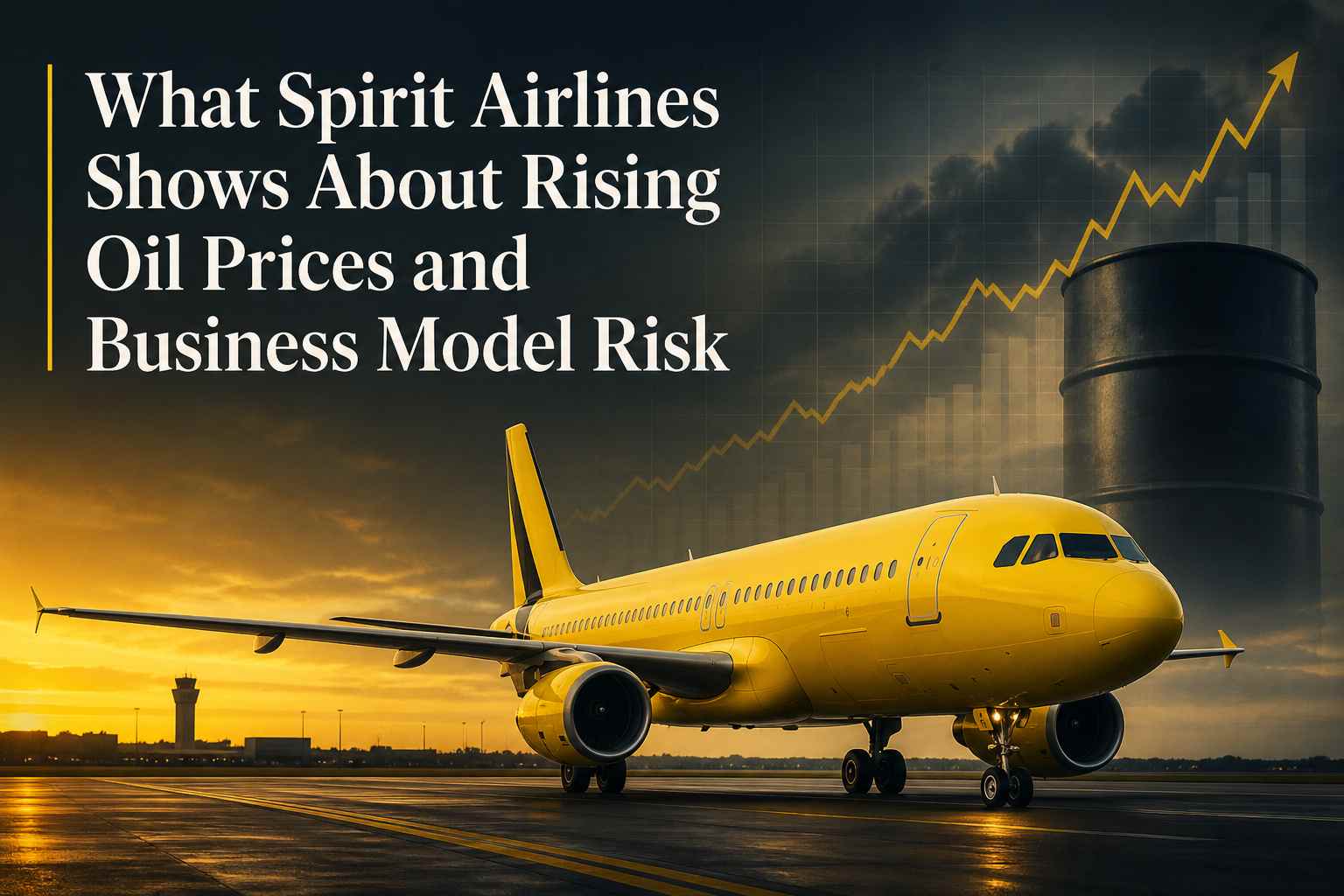
Business model risk is rarely obvious when growth is strong. It becomes visible when costs rise, margins narrow and a company has limited room to adjust. Spirit Airlines shows how a low-cost strategy can support expansion in stable periods, but become fragile when rising oil prices, fixed costs and limited pricing power collide.
The lesson is not only about one airline. It is about how companies build their competitive advantage, how exposed they are to cost shocks and how much flexibility they have when major inputs become more expensive. Spirit’s ultra-low-cost model made cheap travel possible for millions of passengers, but it also left the business highly sensitive to fuel cost risk and operating leverage.
As of May 2026, Spirit Airlines had begun an orderly wind-down of operations after rescue talks stalled. That makes the airline a useful case study in business model risk: a company can reshape an industry and still struggle when its cost structure becomes too difficult to absorb.
Business model risk appears when a company’s core strategy becomes vulnerable to changes in costs, demand or competition.
Rising oil prices matter because they feed directly into jet fuel costs, one of the largest and most volatile expenses in airline operations.
Spirit Airlines relied on a low-cost airline model built around cheap base fares and paid add-ons.
Fuel cost risk is harder for budget airlines because passengers are more sensitive to fare increases.
Operating leverage can magnify losses when fixed costs remain high but revenue weakens.
The wider lesson is that low prices are not enough if margins cannot withstand external shocks.
Business model risk is the danger that the way a company makes money becomes less effective as conditions change.
A business model includes how a company prices its product, controls costs, attracts customers and protects margins. If those parts depend on stable costs or strong demand, the model can weaken quickly when the environment shifts.
For Spirit, the model was based on low advertised fares. Passengers paid separately for extras such as bags, seat selection and other services. This made tickets look cheaper upfront and gave customers more choice. It also helped Spirit compete against larger airlines by focusing on price-sensitive travelers.
That strategy worked best when costs were manageable and planes stayed full. The risk appeared when fuel, labour, financing and operational expenses rose faster than the airline could recover through fares and fees.
Spirit followed an ultra-low-cost carrier model. The idea was simple: keep the base fare low, remove services from the ticket price and charge separately for optional extras.
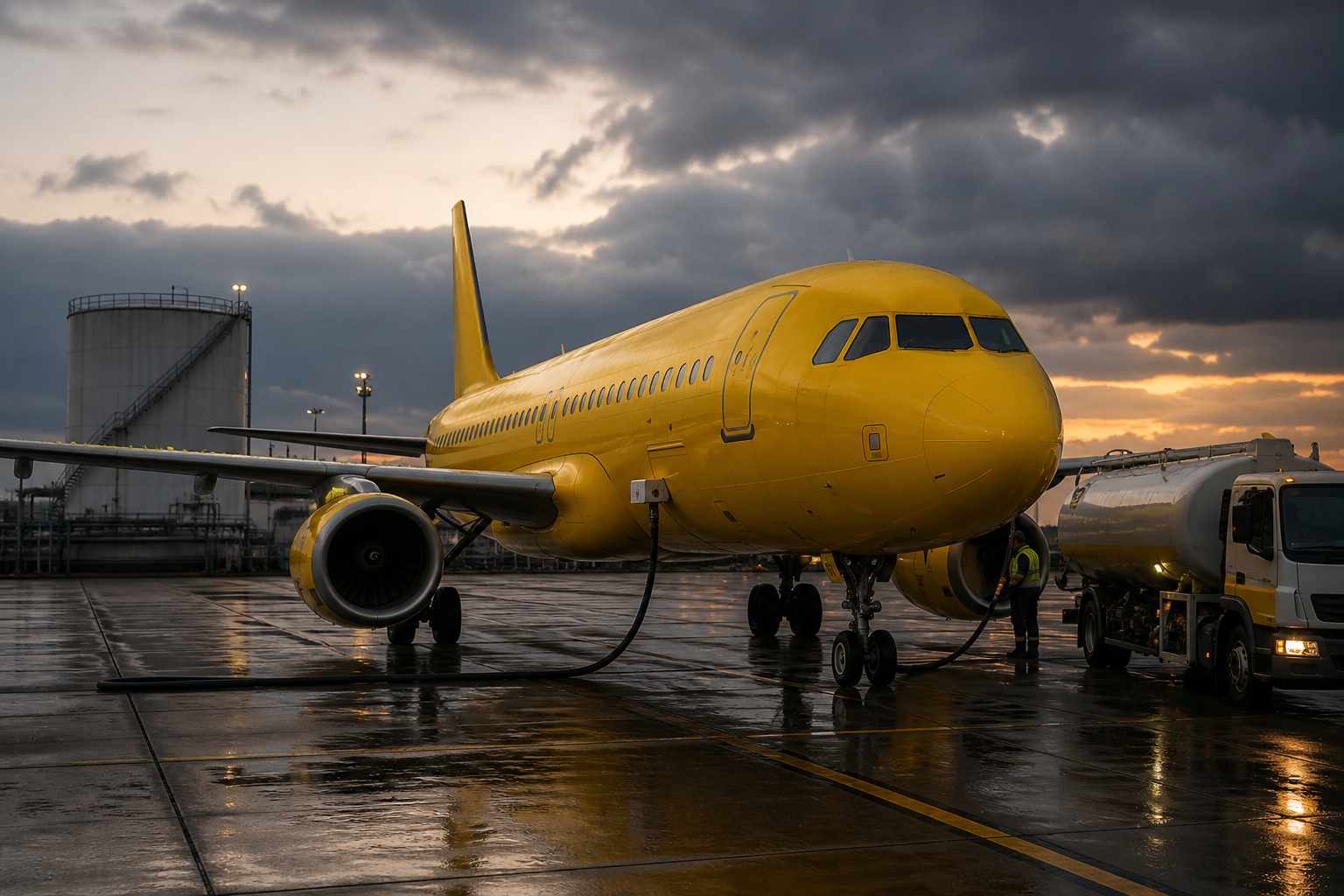
This model can be attractive because it expands the customer base. Travelers who care most about price may choose the cheapest available fare, even if they later pay for bags or seats. For the airline, the model depends on scale, high aircraft utilisation, dense seating and tight cost control.
| Business Model Feature | How It Helps | Where Risk Appears |
|---|---|---|
| Low base fares | Attracts price-sensitive customers | Leaves less room to raise prices |
| Paid add-ons | Creates revenue beyond tickets | Customers may resist higher total trip costs |
| High aircraft utilisation | Spreads fixed costs over more flights | Disruptions reduce efficiency quickly |
| Simplified service | Keeps operating costs lower | Limits differentiation from competitors |
| Thin margins | Supports aggressive pricing | Makes shocks harder to absorb |
The model is not flawed by design. Many low-cost airlines have used similar strategies successfully. The problem is that the model needs discipline, liquidity and favourable cost conditions. When large expenses rise suddenly, the same low-price advantage can become a constraint.
Airlines do not buy “oil” in the way consumers think about crude prices. They buy jet fuel, which is linked to crude oil, refining capacity and regional supply conditions. When oil and jet fuel prices rise, airline costs can increase quickly.
Spirit’s 2024 annual report data showed how material this exposure was. Aircraft fuel represented 24.6% of operating expenses in 2024. A hypothetical 10% increase in the average price per gallon of aircraft fuel would have raised 2024 fuel costs by $147.9 million.
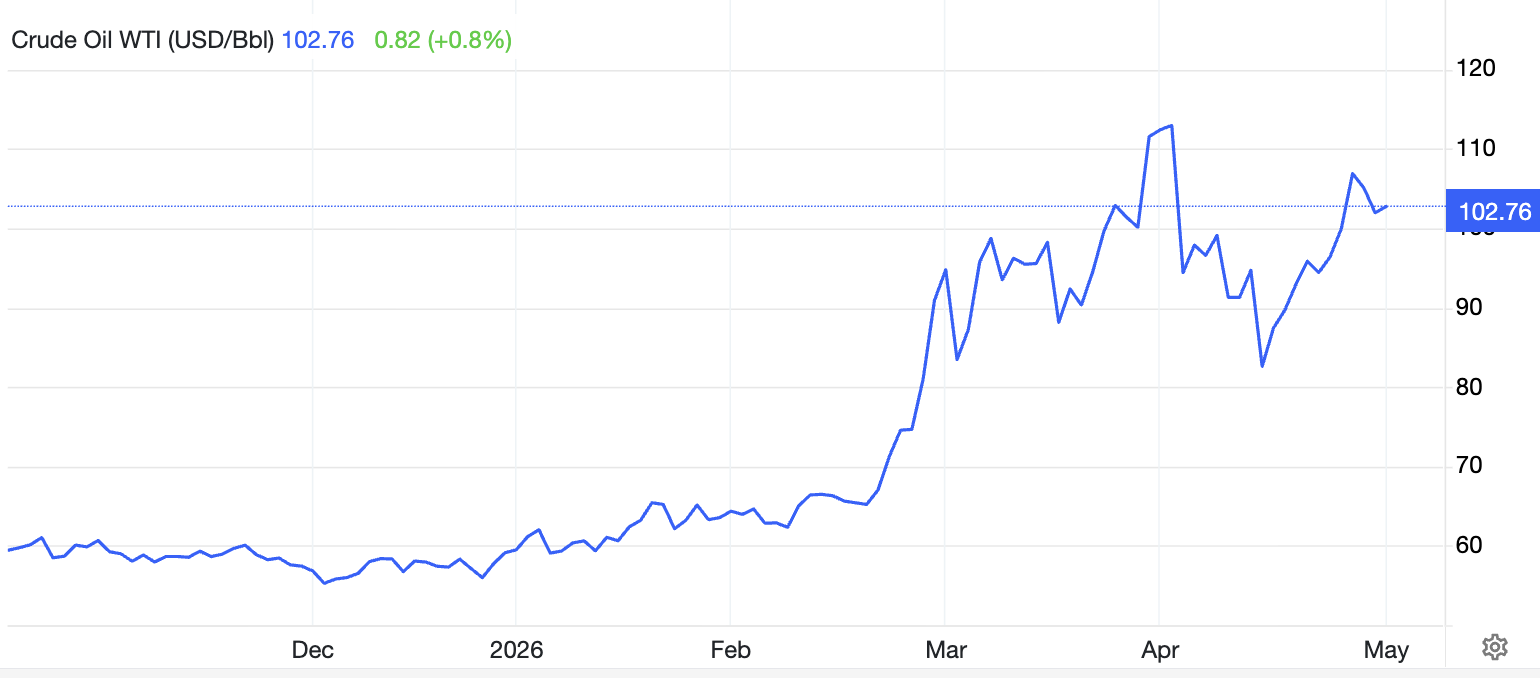
That is fuel cost risk in practical terms. A change outside the company’s control can create a major financial hit.
For a premium airline, higher fuel costs may be partly offset by business-class pricing, loyalty programmes, corporate demand or international route strength. For a low-cost airline, the ability to pass higher fuel costs to passengers is more limited. Its customers often choose the airline because it is cheaper. If fares rise too much, some customers may delay travel, choose another carrier or decide the add-ons make the total trip less attractive.
Rising fuel costs did not cause Spirit’s problems alone, but they intensified existing pressure from debt, operating costs and limited pricing flexibility.
Operating leverage means a company has high fixed costs that do not fall easily when revenue declines.
Airlines have significant fixed and semi-fixed costs. These include aircraft leases or debt, maintenance, airport fees, labour, technology systems and route commitments. Even when demand softens or fuel prices rise, many of these expenses remain in place.
Spirit’s 2024 data showed that labour represented 28.1% of operating costs, while aircraft fuel represented 24.6%. Together, labour and fuel accounted for more than half of operating costs. The company also carried substantial aircraft-related debt and future aircraft obligations.
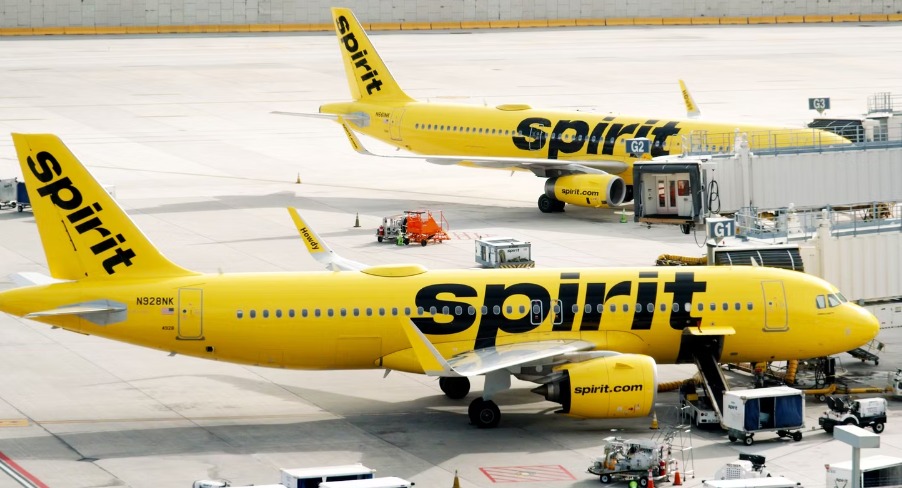
Operating leverage works both ways. When planes are full and costs are controlled, revenue can flow more efficiently into profit. When costs rise or ticket revenue weakens, losses can widen quickly because the company cannot reduce major expenses at the same speed.
This is why discount carriers can look highly efficient in favourable conditions, yet become exposed when fuel, labour or financing costs rise together. Their business model depends on volume, cost discipline and stable execution.
Low prices are a powerful competitive tool. They attract customers, pressure rivals and expand market access. Spirit helped change the U.S. airline industry by proving that many travelers would accept fewer included services in exchange for cheaper fares.
But low prices also reduce flexibility. A company that competes mainly on price has less room to increase prices without weakening demand. This is where business model risk becomes important.
If fuel costs rise, an airline has three main choices:
Raise fares or fees
Absorb the higher cost
Cut capacity, routes or service quality
Each choice has consequences. Raising prices may hurt demand. Absorbing costs pressures margins. Cutting routes may reduce scale and weaken the network. None is easy when the customer base is highly price-sensitive.
This is the central lesson from Spirit. A low-cost model can be strong when the company controls the costs that make low fares possible. It becomes fragile when major costs move outside management’s control.
Spirit Airlines offers a broader lesson for businesses in any industry. A company should not only ask whether its model works today. It should ask what could break the model tomorrow.
A restaurant exposed to food inflation, a manufacturer dependent on imported materials, a retailer reliant on cheap shipping or a technology company dependent on cloud costs can face the same problem. If the business model depends on low prices while input costs rise, margins can compress quickly.
The key questions are:
Can the company pass higher costs to customers?
Are customers loyal, or mainly price-sensitive?
How much of the cost base is fixed?
Does the company have cash reserves or financing flexibility?
Can it change suppliers, pricing or product mix quickly?
Does growth depend on conditions staying favourable?
A resilient business model has options. It can raise prices without losing too many customers, cut costs without damaging the product or shift strategy before losses become severe. A fragile model has fewer choices.
Business model risk is the risk that a company’s way of making money becomes less effective. This can happen when costs rise, customer behaviour changes, competition increases or the company loses pricing power.
Rising oil prices usually increase jet fuel costs. Fuel is one of the largest airline expenses, so higher prices can reduce margins unless airlines raise fares, cut costs or improve efficiency.
Spirit’s model depended on low fares and price-sensitive customers. That made it harder to pass higher fuel costs to passengers without weakening demand or reducing its low-cost advantage.
Operating leverage means a company has high fixed costs. When revenue rises, profits can improve quickly. When revenue falls or costs rise, losses can deepen because many expenses remain in place.
No. The low-cost airline model can work when costs are controlled, demand is strong and operations are efficient. The risk is that thin margins leave less protection when fuel, labour or financing costs rise.
Spirit Airlines shows that business model risk is not always visible during growth. It often appears when external costs rise and a company has limited room to adjust prices, capacity or expenses.
Rising oil and jet fuel costs exposed one of the core weaknesses of the low-cost airline model: cheap fares can attract customers, but they cannot fully protect margins when fuel cost risk and operating leverage move against the business.
At EBC Financial Group, financial education turns real business cases into clearer lessons on cost pressure, risk management and market resilience. A business model should be judged not only by how well it performs in favourable conditions, but by how much stress it can absorb when costs turn against it.