Published on: 2025-12-31
Updated on: 2025-12-31
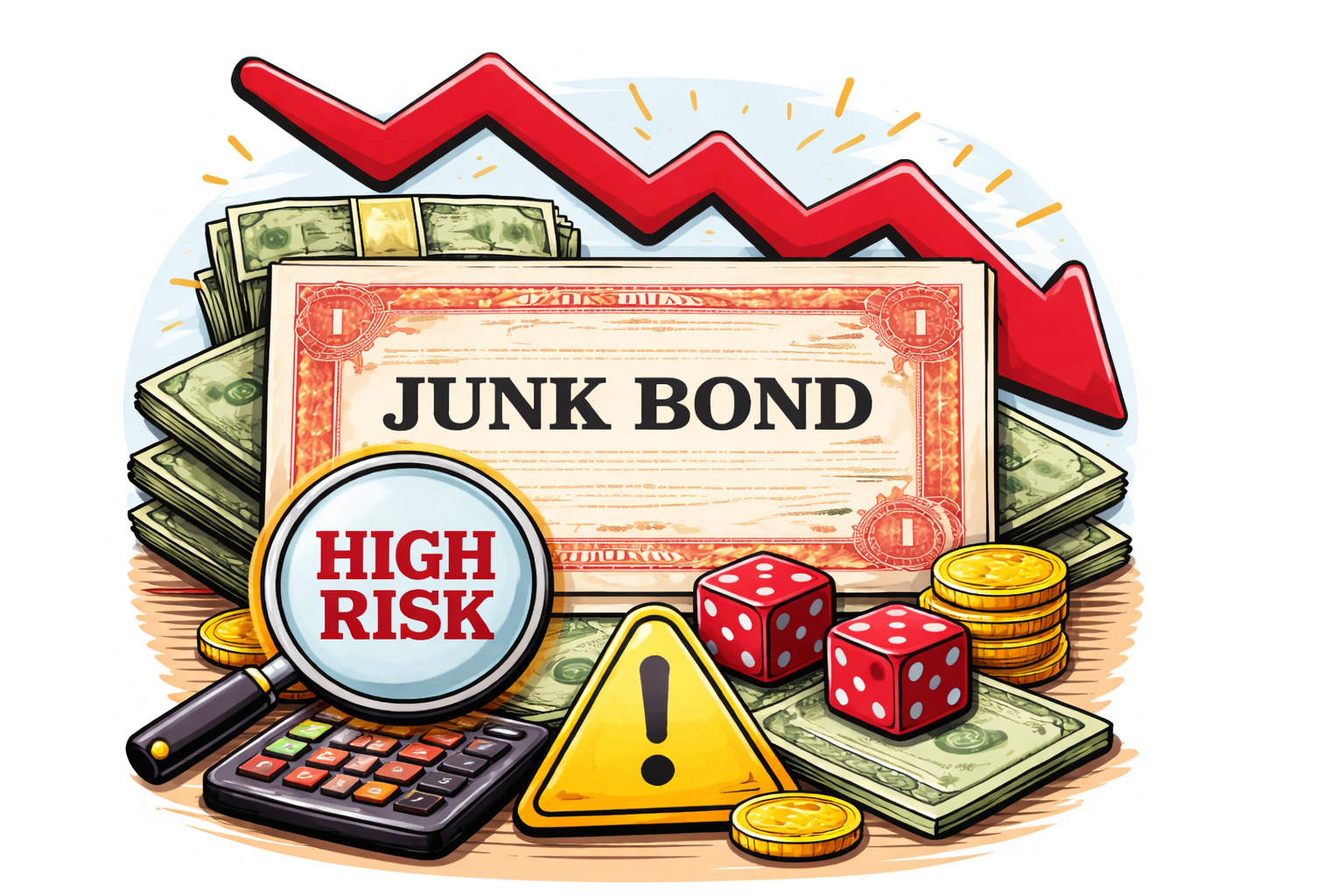
A junk bond, also called a high-yield bond, is a loan made to a company or government that has a weaker record of repaying debt. Because the borrower is considered riskier, it must offer higher interest to convince investors to lend money. In short, a junk bond promises higher income, but it also carries a greater risk of loss.
For traders and investors, junk bonds matter because they often move when the risk mood changes in markets. When confidence is strong, demand rises. When fear appears, prices can fall fast.
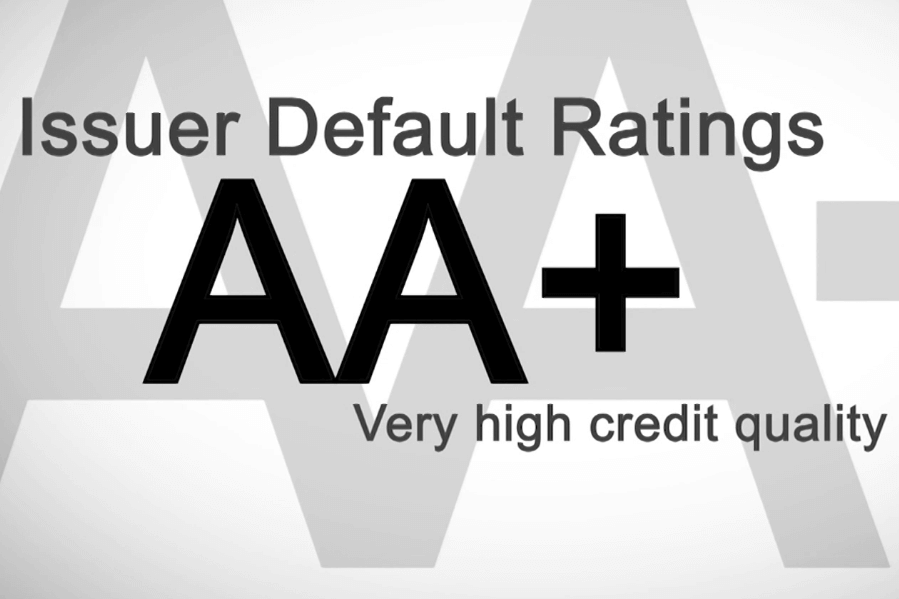
In trading terms, a junk bond is a bond rated below investment grade by major credit rating agencies. These bonds usually carry ratings of BB or lower.
The lower rating signals a higher chance that the issuer may struggle to repay debt during hard times.
Traders see junk bonds quoted by price and yield, just like other bonds. They also follow bond funds and ETFs that track the high-yield market. Professional traders, hedge funds, and large asset managers watch junk bonds closely because they reflect risk appetite.
When junk bond prices rise, and yields fall, markets often feel confident. When prices drop and yields jump, caution is spreading.
Several forces move junk bonds on a daily basis.
Economic growth: When growth is strong, companies earn more cash, and junk bonds tend to rise. When growth slows, default risk feels higher.
Interest rates: When central bank rates rise, borrowing costs increase, which can pressure weaker borrowers. Junk bonds may fall.
Market risk mood: In calm markets, investors search for higher income and buy junk bonds. During stress, they sell first and ask questions later.
Company news: Earnings misses, debt warnings, or credit downgrades can hit prices quickly.
Junk bonds influence trading in several ways. First, they affect entry timing. Many traders use junk bond strength or weakness as a signal of broader risk conditions. Strong junk bonds often support stocks and risk currencies. Weak junk bonds can warn of trouble ahead.
Second, they affect exits and risk control. Because junk bonds can move sharply during stress, losses can grow quickly if risk is not managed. Spreads can widen, meaning it becomes more expensive to enter or exit positions.
Good situation: Stable prices, steady yields, and improving economic data.
Bad situation: Fast price drops, rising yields, and headlines about defaults or downgrades.
Understanding these patterns helps traders size positions more carefully.
Suppose a company issues a junk bond with a face value of $1,000 and pays 8 percent interest each year. You buy it for $1,000, so you expect $80 per year. Now fear enters the market. Investors worry about defaults, and buyers demand more returns.
The bond price falls to $900. At this lower price, the same $80 payment now equals almost 9 percent. If you sell at $900, you take a $100 loss, even though the interest rate did not change. This shows how junk bond prices can move sharply when sentiment shifts.
Before acting, traders usually look at a few key signals.
Check high-yield bond ETFs to see recent price trends.
Watch yield spreads, which compare junk bond yields to safer government bonds. Wider spreads signal rising fear.
Read economic calendars for growth and inflation data.
Follow credit news from rating agencies.
A simple habit is to review these signals daily, especially during volatile markets.
Chasing yield only. High interest can hide serious credit risk.
Ignoring economic cycles. Junk bonds suffer most during slowdowns.
Overconfidence in calm periods. Low volatility can change fast.
Poor diversification. Holding too many risky bonds increases damage during stress.
Late exits. Waiting too long when prices fall can deepen losses.
Credit risk: The risk that a borrower may miss interest payments or fail to repay the bond.
Yield spread: The extra return investors demand for holding riskier bonds compared with safer ones.
Risk appetite: How willing investors are to take on risk in search of higher returns.
Market sentiment: The overall mood of investors, showing whether confidence or fear is driving buying and selling decisions.
Liquidity: How easily a bond can be bought or sold without causing a large price change.
No. Junk bonds are not automatically bad, but they do carry higher risk. They often perform well when the economy is growing, company profits are rising, and investors feel confident about taking risks. In these periods, default rates tend to be low, and prices can rise alongside the higher interest income. Problems usually appear during recessions or financial stress, when weaker borrowers struggle to repay debt. This makes junk bonds more sensitive to economic cycles than safer bonds.
Junk bonds pay higher interest to compensate investors for higher credit risk. Credit risk means the chance that the borrower may miss payments or fail to repay the bond. Investors demand extra income to accept this uncertainty. The lower the credit rating, the higher the interest rate investors usually require. This higher yield is not a bonus; it is a price for taking on greater risk.
Junk bonds often behave more like stocks than government bonds. During calm markets, they can rise as investors look for higher returns. During stress, they can fall sharply as investors rush toward safer assets. This stock-like behavior happens because junk bond prices depend heavily on company health and investor confidence. Government bonds, by contrast, often rise during market fear, acting as a safe place to park money.
Junk bonds are rated by major credit rating agencies. These agencies assess the borrower’s financial strength, cash flow, debt levels, and ability to repay. Bonds rated below investment grade, usually BB or lower, are considered junk bonds. Ratings can change over time if a company’s finances improve or weaken.
Central bank policy plays a major role in junk bond performance. When the Federal Reserve raises interest rates, borrowing becomes more expensive, which can pressure weaker companies and hurt junk bond prices. When rates fall or liquidity improves, refinancing becomes easier, which can support the market. Central banks also influence risk sentiment. Supportive policy often boosts confidence, while tighter policy can make investors more cautious.
A junk bond is a high-yield bond issued by a riskier borrower. It offers a higher income but carries a greater chance of loss. Traders watch junk bonds because they reflect confidence and fear across markets.
Used wisely, they provide signals about risk mood. Used carelessly, they can magnify losses. The key is respect for both the reward and the risk.
Disclaimer: This material is for general information purposes only and is not intended as (and should not be considered to be) financial, investment or other advice on which reliance should be placed. No opinion given in the material constitutes a recommendation by EBC or the author that any particular investment, security, transaction or investment strategy is suitable for any specific person.



World's Best Broker