Published on: 2023-10-06
Updated on: 2026-06-05
Elon Musk and Tesla’s innovation journey is no longer just a story about electric cars. It is a test of whether one company can turn vehicles, batteries, software, charging, artificial intelligence and robotics into a single scalable platform.
That test is harder in 2026. Global electric car sales topped 17 million in 2024 and are expected to exceed 20 million in 2025. Tesla still has scale, but the market has moved from early adoption to cost, software, regulation and execution.
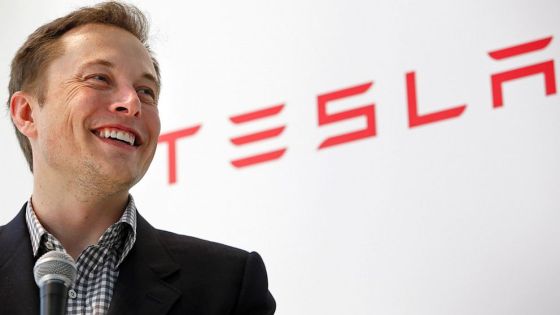
Tesla has shifted from an EV challenger into a technology and energy company built around vehicles, batteries, AI software, charging and storage.
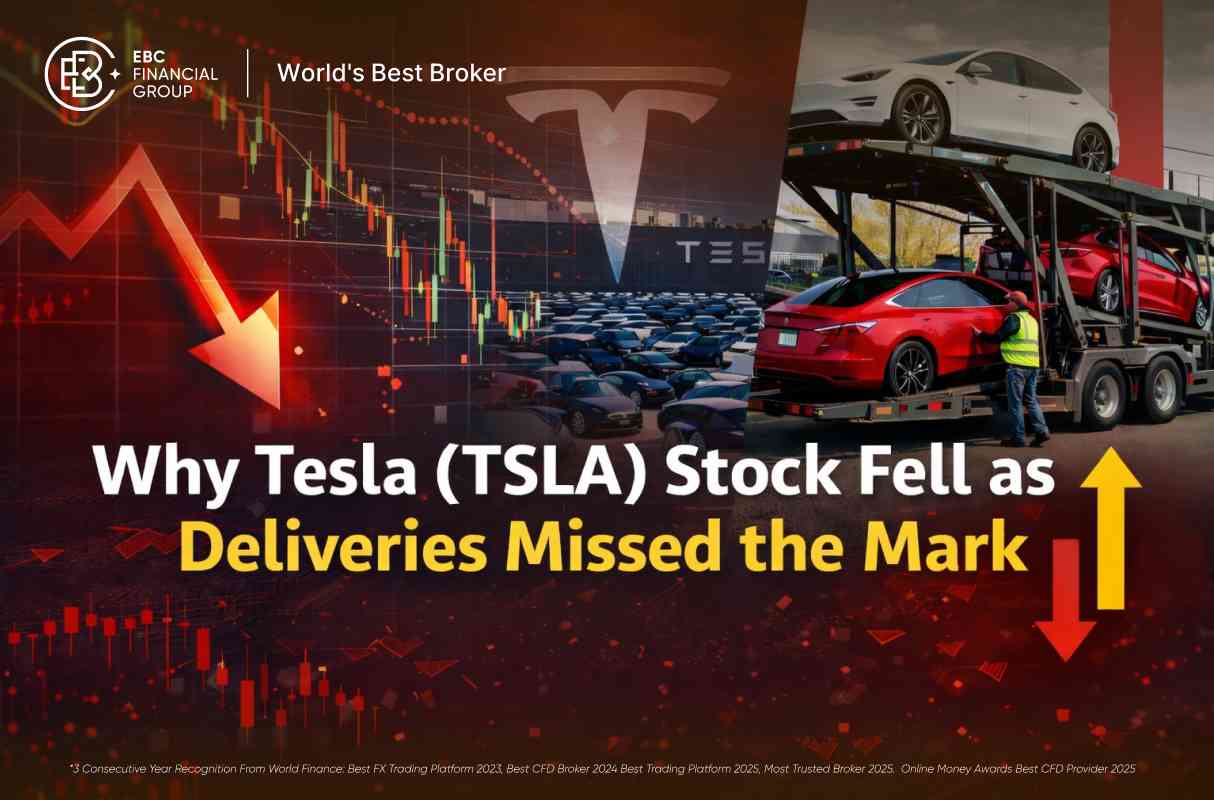
Tesla produced 1.65 million vehicles and delivered 1.64 million in 2025, with Model 3 and Model Y still driving the volume.
In Q1 2026, Tesla generated $22.39 billion in revenue, lifted GAAP gross margin to 21.1 per cent, and held $44.74 billion in cash and short-term investments.
Active FSD subscriptions reached 1.28 million in Q1 2026, making autonomy central to Tesla’s long-term valuation.
The risk is clear: Robotaxi, FSD, Optimus and storage must become earnings engines, not only investor narratives.
Tesla’s early innovation was simple to understand. It made electric cars desirable. The Roadster proved battery-powered performance could compete with sports cars. Model S gave Tesla luxury credibility. Model 3 and Model Y brought the company into the mass market.
The next stage is different. Tesla now competes on manufacturing efficiency, software attachment, charging access, battery supply and autonomy. That makes the company harder to compare with traditional automakers and harder to execute.
Tesla’s vertical integration remains its strongest advantage. The company designs vehicles, battery packs, software, charging infrastructure and parts of its manufacturing system. That gives Tesla control over cost and customer experience, but it adds pressure when demand slows or regulators delay approval.
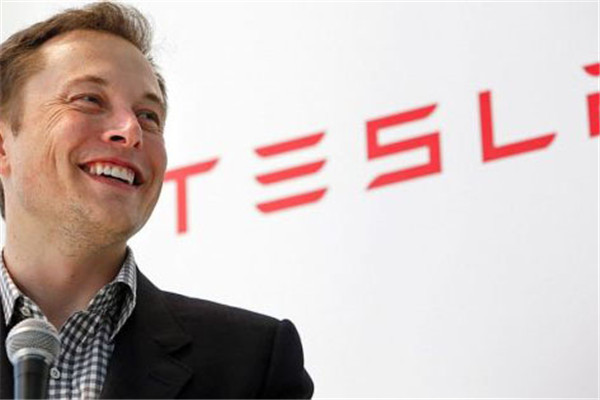
Elon Musk was not one of Tesla’s two original founders. Tesla was founded in 2003 by Martin Eberhard and Marc Tarpenning, while Musk became the company’s most important early investor and later its chief executive.
Tesla’s rise was never only about one personality. It combined engineering ambition, capital access, product timing and risk tolerance that most automakers avoided. Musk’s role was decisive because he pushed Tesla toward a full-ecosystem strategy: premium vehicles first, lower-cost models next, then clean energy. The next cost curve is AI compute, autonomous driving, robotics and energy infrastructure.
Tesla’s core EV business remains the financial engine. Model 3 and Model Y volumes support factory utilisation, services revenue and FSD subscriptions. Without a competitive mass-market lineup, the rest of the Tesla thesis becomes harder to finance.
The competitive backdrop has changed sharply. In the United States, Tesla’s share of electric car sales fell from 60 per cent in 2020 to 38 per cent in 2024 as more than 100 new electric models entered the market. China has become even more intense, with lower-cost domestic brands using scale, batteries and hybrid strategies to pressure pricing.
Affordability now matters as much as range. Tesla must keep reducing costs while protecting brand strength. More affordable Model 3 and Model Y trims help, but the company also needs fresh products that expand demand without eroding margins.
Autopilot and FSD remain central to Tesla’s innovation story, but the wording must be precise. FSD (Supervised) requires active driver supervision and does not make the vehicle autonomous. That matters because Tesla’s market value often reflects expectations for autonomy before the technology is fully commercialised.
Active FSD subscriptions rose to 1.28 million in Q1 2026. Tesla also reported unsupervised Robotaxi operations in Austin, Dallas, and Houston, with preparations underway in other U.S. metros.
If Tesla can scale autonomous mobility safely and legally, the business model changes. A vehicle becomes more than a one-time sale. It becomes a networked asset that can generate recurring fleet revenue.
The bear case is obvious. Robotaxi economics depend on safety records, insurance costs, utilisation, local permits and public trust. Any delay can pressure valuation because investors have already priced in part of that future.
The original article treated solar energy too lightly. In 2026, Tesla’s energy business deserves its own place in the story. Grid storage demand is rising as renewable power, data centres, and electrification strain power systems.
Tesla deployed 46.7 GWh of energy storage in 2025, including a record 14.2 GWh in Q4. Q1 2026 storage deployments were 8.8 GWh, down year on year, but the direction remains strategic. Megapack production in California and Shanghai, plus new capacity near Houston, positions Tesla for a market where grid flexibility is becoming more valuable.
Battery supply is just as important. Tesla is ramping LFP cells in Nevada, 4680 capacity in Texas, cathode materials and lithium refining. Battery cost, chemistry and supply security decide whether EV and storage margins improve or compress.
Optimus gives Tesla its most ambitious optionality, but it is also easy to overstate. A humanoid robot market could be enormous if machines become useful in factories, logistics and homes. Today, it remains a high-risk development project.
Tesla is preparing Optimus manufacturing capacity in California and Texas. That signals intent, not proof of demand. The same applies to AI compute. It strengthens the platform thesis, but raises capital intensity. Tesla must convert technical progress into revenue at a pace that justifies the spending.
Tesla divides investors because both sides have evidence. Supporters see EV scale, software adoption, battery expertise, charging infrastructure, storage and AI ambition. Critics see tougher competition, valuation risk and a leader whose public profile can distract from execution.
The balanced view is stronger. Tesla has already changed the auto industry. It has also made promises that require years of disciplined delivery. The next chapter will be judged less by announcements and more by margins, subscription growth, storage deployments, regulatory approvals and real Robotaxi utilisation.
Tesla’s innovation journey shows how an EV company expanded into batteries, software, charging, energy storage, AI and robotics. The key question is whether those businesses can create durable profits beyond vehicle sales.
No. Tesla was founded by Martin Eberhard and Marc Tarpenning in 2003. Musk became the most important early investor and later CEO, shaping Tesla’s strategy and public identity.
Financially, yes. Vehicles remain the main revenue base. Strategically, Tesla is trying to become a broader AI, energy and mobility platform. The market debate comes from the gap between current earnings and future potential.
Elon Musk and Tesla’s innovation journey has entered its most demanding phase. The company no longer needs to prove that electric cars can work. It must prove that EV scale, software, autonomy, storage and robotics can produce consistent profits.
That is a harder test than building the Roadster or scaling Model 3. It is also why Tesla remains one of the most consequential companies in global technology and transport. The story is no longer only about disruption. It is about execution.
Disclaimer: This material is for general information purposes only and is not intended as (and should not be considered to be) financial, investment or other advice on which reliance should be placed. No opinion given in the material constitutes a recommendation by EBC or the author that any particular investment, security, transaction or investment strategy is suitable for any specific person.