Published on: 2026-06-08
Updated on: 2026-06-08
ZAR is the currency code for the South African rand, the official currency of South Africa. In forex trading, you’ll usually see ZAR in pairs like USD/ZAR, EUR/ZAR, and GBP/ZAR. These pairs show how the rand compares to other major currencies.
For example, if USD/ZAR is trading at 18.50, it means 1 US dollar equals 18.50 South African rand.
ZAR is an emerging-market currency. This means it can offer more trading opportunities, but it’s also usually more volatile than major currencies like the US dollar, euro, or Japanese yen.

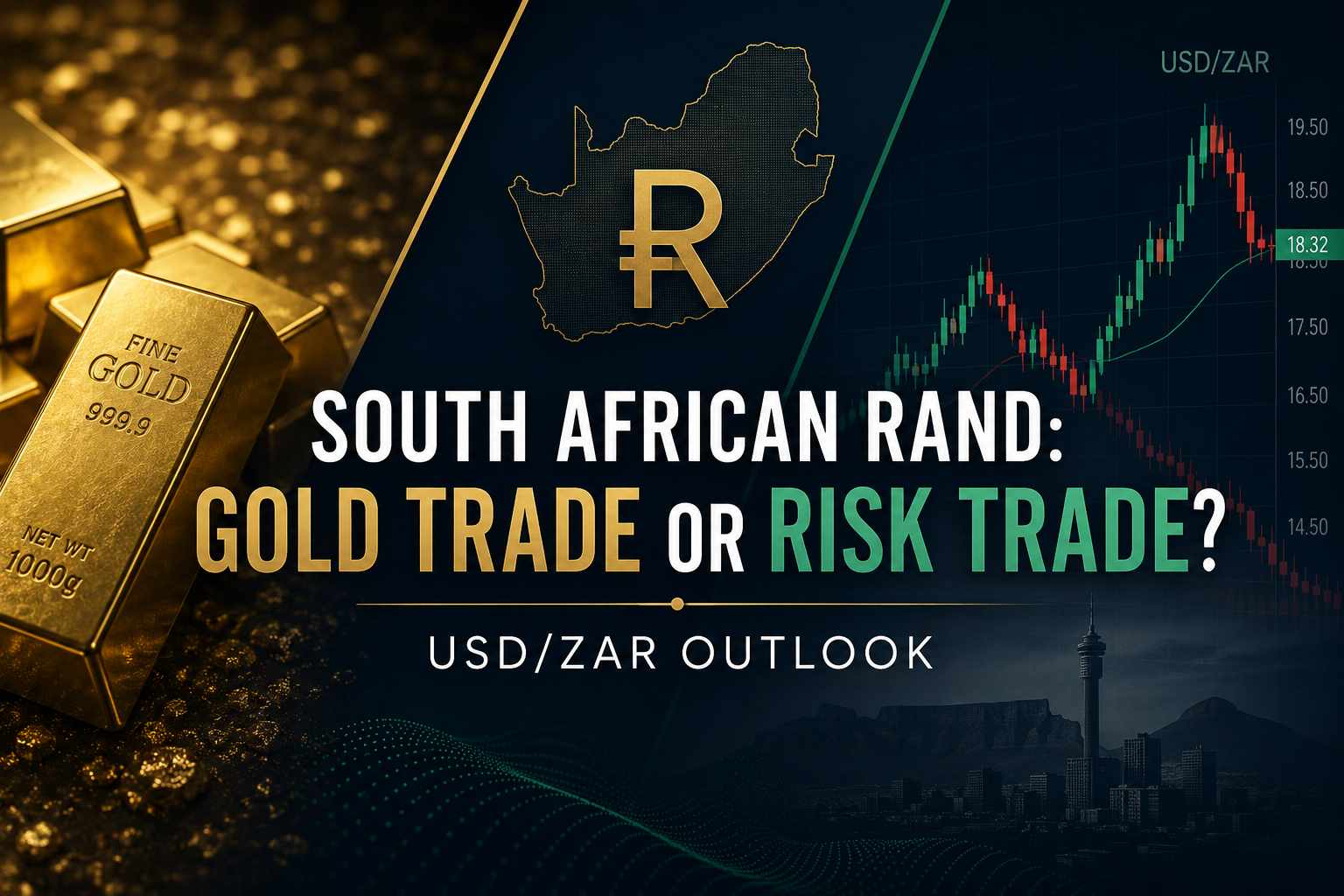
The code ZAR comes from the Dutch term Zuid-Afrikaanse Rand, which means South African rand. The name Rand comes from the Witwatersrand, a region in South Africa famous for its gold. Because of this history, traders often connect the rand with commodities and mining.
The most watched rand pair is USD/ZAR. In this pair, the US dollar is the base currency, and the South African rand is the quote currency.
This means:
If USD/ZAR rises, the US dollar is strengthening, or the rand is weakening.
If USD/ZAR falls, the US dollar is weakening, or the rand is strengthening.
For example, if USD/ZAR moves from 18.50 to 19.00, traders need more rand to buy one US dollar. That means the rand has weakened. If USD/ZAR moves from 18.50 to 18.00, traders need fewer rand to buy one US dollar. That means the rand has strengthened.
This is important because beginners sometimes think a higher USD/ZAR price means the rand is stronger, but it actually means the opposite.
The rand’s value can change for many reasons. Some are related to South Africa, while others are driven by global markets.
Commodity prices: South Africa produces a lot of gold, platinum, coal, and iron ore. When commodity prices rise, the rand can strengthen because exports bring in more foreign currency.
Interest rates: The South African Reserve Bank decides interest rates. Higher rates can help the rand if investors seek higher returns, while lower rates can weaken it.
US dollar strength: Since USD/ZAR is the main rand pair, a stronger US dollar can push USD/ZAR higher, even if nothing has changed in South Africa.
Risk sentiment: The rand reacts to how much risk investors want to take. When investors feel confident, currencies like the ZAR can strengthen. When they get cautious, traders often sell the rand and buy safer assets.
Domestic economic conditions: Factors such as inflation, economic growth, unemployment, government finances, electricity supply, and politics can all affect how people feel about the rand.
Traders pay attention to ZAR because its price can change quickly, and it often reacts to both local and global news. For forex traders, USD/ZAR can indicate investor sentiment toward emerging markets, commodity-linked currencies, and South Africa’s economy.
The rand can also be useful for traders who want to follow commodity cycles. But it’s not just a “commodity currency.” Things like domestic policy, global interest rates, and the US dollar also play a big role.
ZAR is often more volatile than major currencies. Its price can swing sharply during periods of global market stress, central bank decisions, elections, or major shifts in commodity prices.
Spreads can also be wider than in popular pairs like EUR/USD or GBP/USD, especially when trading is less active.
Beginner traders should watch their position size and remember that the rand doesn’t move just because of commodity prices. Both the US dollar and the rand affect the USD/ZAR exchange rate.
USD/ZAR: A forex pair showing how many South African rand are needed to buy one US dollar.
Emerging-Market Currency: A currency from a developing or fast-growing economy, often more volatile than major currencies.
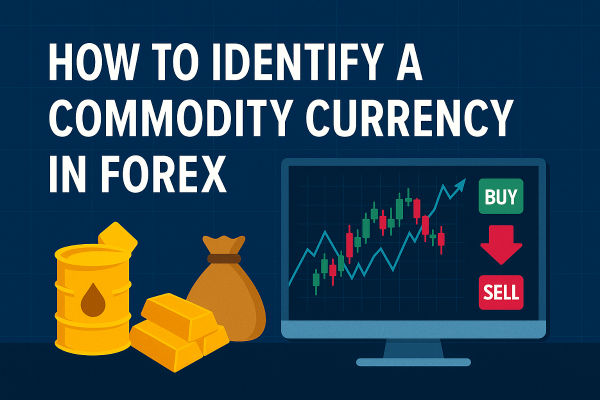
Commodity Currency: A currency influenced by the price of key exports such as metals, energy, or agricultural goods.
South African Reserve Bank: South Africa’s central bank, responsible for monetary policy and interest rates.
Risk Sentiment: The overall market mood toward riskier assets such as stocks and emerging-market currencies.
Exchange Rate: The price of one currency compared with another currency.
Yes. ZAR is the official currency code for the South African rand. In forex trading, traders use ZAR to identify rand-based currency pairs such as USD/ZAR, EUR/ZAR, and GBP/ZAR.
When USD/ZAR rises, it means the US dollar is strengthening against the rand, or the rand is weakening against the dollar. Traders need more rand to buy one US dollar.
The rand is volatile because it’s an emerging-market currency. It can react quickly to changes in commodity prices, global risk mood, South African economic news, interest rate expectations, and the strength of the US dollar.
No. Gold can affect how people feel about South Africa, but the ZAR is influenced by many things. These include interest rates, inflation, trade, politics, commodity exports, electricity supply, and global demand for emerging-market assets.
ZAR is the currency code for the South African rand. It’s widely traded in pairs like USD/ZAR, which shows how many rand you need to buy one US dollar. The rand is an emerging-market currency, so it’s often more volatile than major currencies. Its value is influenced by commodity prices, South African interest rates, local economic conditions, global risk mood, and the strength of the US dollar.