Published on: 2026-08-04
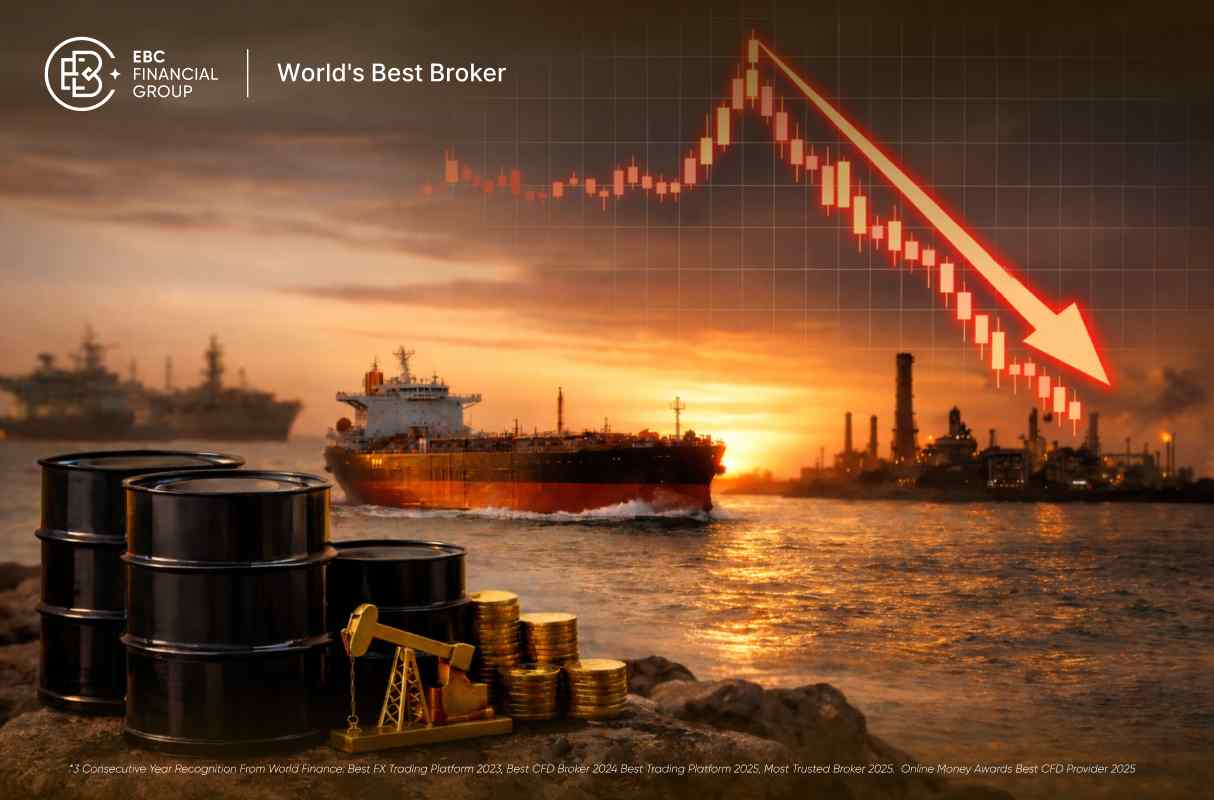
WTI settled 5.1% lower at $80.34 on August 3, while Brent lost 4.7% to $83.77 after President Donald Trump paused planned strikes against Iran. The sell-off removed part of the premium tied to a deeper disruption of the Strait of Hormuz, although Iran denied direct US talks and vessel traffic remained far below normal. The next question is whether safer shipping will confirm the market’s lower risk assessment.
WTI settled 5.1% lower at $80.34 after being quoted at $78.85, down 6.9%, earlier in the session.
Brent closed 4.7% lower at $83.77 after an earlier MarketWatch snapshot placed it at $82.91, down 5.7%.
Trump paused planned strikes, while Iran denied direct US negotiations and confirmed only discussions with Oman over safer shipping.
Only six vessels reportedly transited Hormuz on Monday, down from seven on Sunday, showing that physical shipping remained far below normal.
OPEC+ approved another 188,000-barrel-per-day increase for September, adding to the bearish pressure without appearing to be the main catalyst for the one-day sell-off.
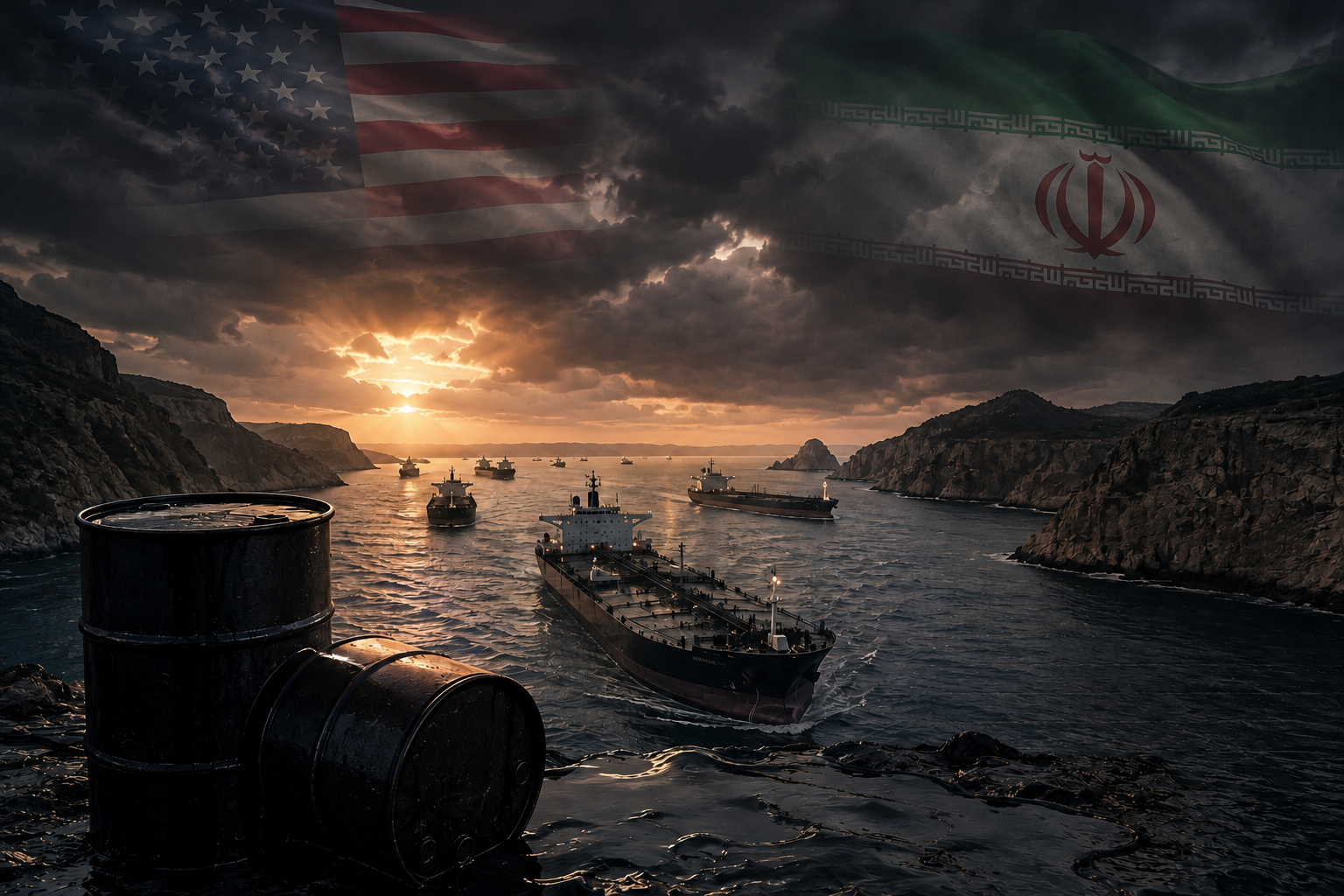
WTI futures settled at $80.34 a barrel, down 5.1%, while Brent fell 4.7% to $83.77. The timing pointed to a rapid repricing of geopolitical risk rather than a sudden change in physical supply. The market removed part of the premium attached to a more serious interruption to Iranian exports or shipping through the Strait of Hormuz.
MarketWatch quoted WTI at $78.85, down 6.9%, in an earlier snapshot, while Brent was at $82.91, down 5.7%. Both contracts finished above those earlier quotes at settlement.
The figures reflect different points in the same volatile session, not conflicting closing prices.
| Benchmark | Earlier snapshot | Final settlement |
|---|---|---|
| WTI | $78.85, down 6.9% | $80.34, down 5.1% |
| Brent | $82.91, down 5.7% | $83.77, down 4.7% |
Trump said he decided against another major round of strikes after appeals from Qatar, Saudi Arabia and the United Arab Emirates. Giving diplomacy more time temporarily reduced the immediate prospect of another major US strike. Traders interpreted that decision as lowering the near-term risk of Iranian retaliation against shipping or regional energy infrastructure.
Tehran gave a narrower account. Iran’s Foreign Ministry denied that direct negotiations with Washington were taking place and confirmed only discussions with Oman over a temporary route for safer navigation through Hormuz.
Trump’s decision reduced the immediate risk of escalation, but Iran’s denial showed that no peace agreement or confirmed plan to restore normal shipping was in place.
The market reaction suggests that traders lowered the probability of another severe escalation, even though the underlying dispute remained unresolved.
According to the US Energy Information Administration, total oil flows through Hormuz averaged 20.9 million barrels per day in the first half of 2025, equal to one-quarter of global maritime oil trade. The figure includes crude oil, condensate and petroleum products.
Oil futures price expected changes in future supply, not only the barrels moving on a particular day. Trump’s decision reduced the perceived risk of another escalation even though vessel traffic and regional production had not returned to normal.
Physical supply was already materially impaired. The EIA estimated that Middle Eastern production shut-ins averaged 8.3 million barrels per day in June after peaking at 11.2 million barrels per day in May.
Alternative pipelines offer only partial protection. The EIA estimated that Saudi Arabia’s East-West pipeline and the UAE’s Abu Dhabi Crude Oil Pipeline provided approximately 4.7 million barrels per day of potential bypass capacity. That figure describes possible capacity rather than spare capacity guaranteed to be available under every operating condition.
The limited bypass options left oil exposed to further disruption if the conflict widened. Trump’s decision was the main reported catalyst as both benchmarks lost more than $4 by settlement, although the OPEC+ announcement also contributed to the bearish backdrop.
Political announcements can change market expectations within minutes. Restoring normal traffic requires shipowners and insurers to believe that vessels can cross the strait without renewed attacks, seizures or military escalation.
Only six vessels transited Hormuz on Monday, down from seven on Sunday, according to Kpler data reported by Reuters. Monday’s crossings comprised three tankers and three bulk carriers, all using the Iranian route. The figures exclude vessels travelling with their transponders switched off.
The low count confirms that prices fell before shipping conditions had normalised. Prices fell before safer shipping had been confirmed.
Rising vessel traffic and broader insurance coverage would give the lower prices stronger physical support. Continued restrictions or renewed US strikes could restore part of the premium.
Saudi Arabia, Russia, Iraq, Kuwait, Kazakhstan, Algeria and Oman had already scheduled a 188,000-barrel-per-day production adjustment for August. That change was approved in July and was known before Trump paused the strikes.
On August 2, the same seven OPEC+ countries approved another 188,000-barrel-per-day adjustment for September. They also retained compensation requirements for earlier overproduction and said they would continue reviewing market conditions each month, so the quota increase may not translate into an identical amount of additional physical supply.
Additional OPEC+ supply made the market more vulnerable to a decline once geopolitical fears eased. The timing and market commentary indicate that the Iran headlines were the dominant catalyst, while the OPEC+ decision added secondary pressure.
OPEC+ can pause or reverse future increases, giving the group flexibility to slow supply growth. It cannot offset a major Hormuz disruption or guarantee a floor under oil prices.
WTI is a US benchmark, but oil trades globally. A Hormuz disruption would tighten international supply, lifting competing crude prices and pulling WTI higher as well.
Oil prices reflect expected future supply risks. Trump’s pause reduced the risk of a wider disruption before shipping conditions had materially improved.
Renewed US-Iran escalation, continued restrictions on Hormuz traffic or failed safe-navigation talks could restore part of the geopolitical premium.
OPEC+ can pause or reverse production increases, although weaker demand, rising non-OPEC supply and geopolitical risk can still move prices beyond its control.
Oil fell because the immediate risk of a wider conflict had eased, not because the Hormuz threat had disappeared. The most immediate physical confirmation will be whether vessel traffic rises from Monday’s six recorded crossings and whether insurers regain enough confidence to cover mainstream operators. Export volumes, regional production restarts and the terms of any US-Iran arrangement will also determine whether the decline lasts.
OPEC+ can slow future supply growth, but it cannot remove the military risk surrounding the strait. At its $80.34 August 3 settlement, WTI appeared to reflect lower immediate escalation risk even though secure, normalised transit through Hormuz had not yet been established.