Published on: 2025-12-19
Updated on: 2025-12-19
Crude oil traders organise their year around OPEC, which can refer to several different gatherings: the full OPEC+ ministerial meeting, the Joint Ministerial Monitoring Committee (JMMC), and the smaller group of eight countries currently managing the voluntary cuts.
Next confirmed OPEC+ meeting in 2026 (steering group): 4 January 2026 (meeting of the "eight" voluntary-cut countries).
Next confirmed full OPEC+ ministerial meeting: 7 June 2026 (41st OPEC and non-OPEC Ministerial Meeting).
JMMC Cadence: The monitoring committee meets every two months and may convene additional meetings as needed.
Going into 2026, that distinction matters more than usual because OPEC+ has paused output increases for Q1 2026, while still carrying multiple layers of cuts that run through December 2026.
Many beginners often struggle with this concept, so we believe it is important to clarify it. OPEC+ has a regular schedule of meetings, each affecting prices differently.
| Meeting type | Why traders care | 2026 cadence | Confirmed 2026 dates | Practical "expected" windows |
|---|---|---|---|---|
| OPEC+ Ministerial (ONOMM) | Sets the supply tone and quotas | Every 6 months | 7 Jun 2026 | Late Nov / Early Dec 2026 (typical second-half timing, but date may be updated) |
| JMMC | Signals compliance pressure and policy intent | Every 2 months | Not fixed in the statements | Feb, Apr, Jun, Aug, Oct, Dec 2026 (expected rhythm; extra meetings possible) |
| Eight-country monthly reviews | Can pre-signal shifts in voluntary cuts | Monthly | 4 Jan 2026 | Monthly thereafter (dates can vary and may be announced closer to the time) |
This is the big one. It is where quotas, targets, and policy direction are confirmed.
Cadence: every six months (typically mid-year and late-year).
Confirmed 2026 date: 7 June 2026.
This group monitors market conditions and checks who is sticking to the deal.
Cadence: every two months, with the option to call extra meetings if conditions change.
The JMMC can move prices when it hints at a policy shift, even if it does not set quotas directly.
OPEC has announced that eight OPEC+ countries will hold monthly meetings to review market conditions, adherence, and compensation, with a meeting scheduled for January 4, 2026.
These meetings matter because they can shape expectations before the full group meets.
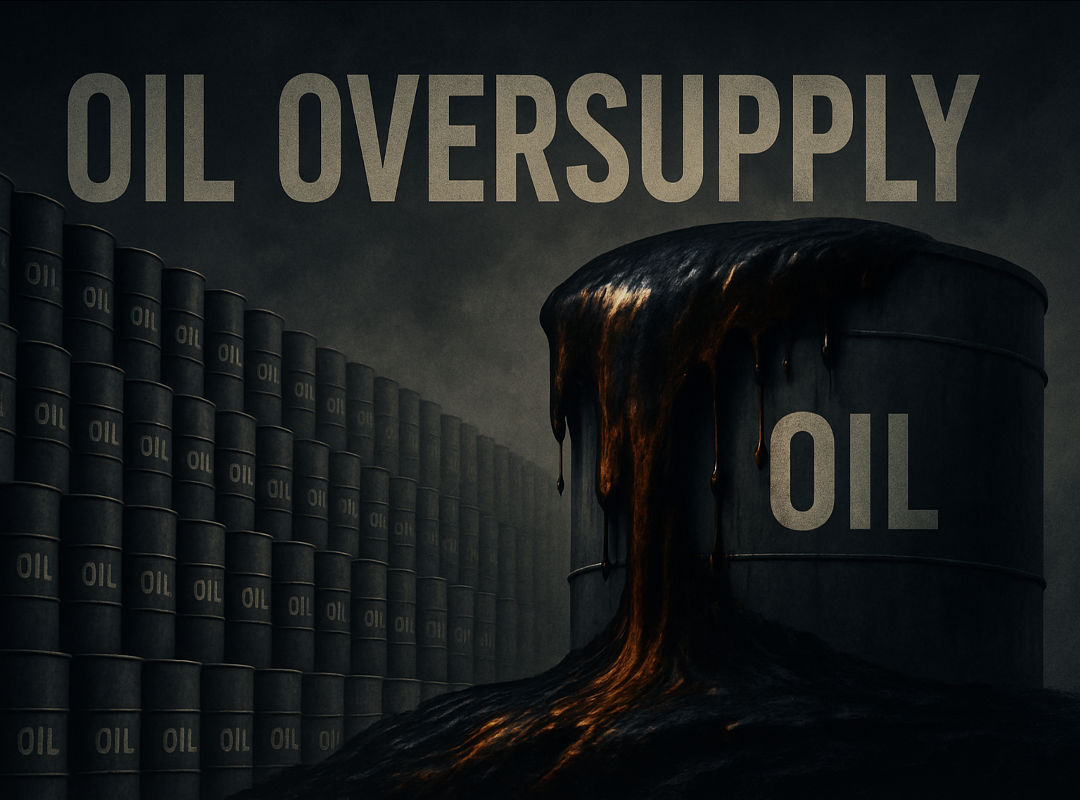
Oil enters 2026 under pressure. For context, OPEC+ still has 3.24 million barrels per day of cuts in place, and it also described the structure of the cuts and extensions, including a broader 2 million bpd cut extended through December 2026.
OPEC's own reporting has pushed back on the idea of a large 2026 oversupply, stating that supply and demand look closely balanced in its view, in contrast to the IEA.
That disagreement matters because it shapes OPEC+ strategy. If the alliance believes the balance is fine, it will be more willing to unwind cuts. If the market thinks the glut is real, prices can fall faster than OPEC expects, forcing an abrupt policy response.
Additionally, OPEC+ has reportedly agreed to pause output increases for Q1 2026.
They are more concerned about oversupply and weak demand than about gaining market share in the first quarter.
Furthermore, OPEC+ plans to introduce a new mechanism for assessing the maximum output capacity of its members, with evaluations set to take place from January to September 2026. The results of these assessments will inform the production baselines for 2027.
This change is significant, as these baselines will influence future quota shares, which can impact internal dynamics within the organisation. If the UAE or other member countries can establish a higher recognised capacity, it could shift the internal balance of power within the alliance.
These meetings tend to focus on the short-term levers:
Whether to pause or resume previously planned output increases.
How strictly to enforce conformity and compensation for overproduction.
How to message market stability when the price is testing key psychological levels.
The JMMC is where the alliance signals its tolerance for price weakness or strength. Watch for:
Language about inventory builds and demand conditions.
Compliance commentary that hints at tougher enforcement.
Any suggestion that the committee may request a full ministerial meeting.
This meeting is the flagship and is likely to be shaped by three questions:
Is the alliance still comfortable holding sizeable cuts through year-end 2026?
Does the market look "balanced" (OPEC view) or "glutted" (IEA view)?
How will the new capacity mechanism influence the 2027 baseline negotiations?
| Trader type | Best approach | What to avoid |
|---|---|---|
| New traders | Stay flat into the headline, trade the post-news structure | Trading the first minute candle |
| Swing traders | Reduce size, trade only if the post-meeting trend is clear | Holding oversized positions through surprises |
| Hedgers | Layer hedges over days, not minutes | Trying to "time" the exact meeting tick |
Most retail losses around OPEC happen for boring reasons: chasing the first move, using market orders in thin liquidity, and trading too large when volatility is highest.
A Practical Checklist for Beginners and Pros
Know the meeting type: JMMC headlines are unlike ministerial decisions.
Cut position size before the event: treat it like an earnings release for crude.
Use limit orders: spreads can widen when headlines hit.
Wait for confirmation: the first spike is often a trap. A 15–30 minute close after the headline is safer than guessing.
The next confirmed OPEC+ meeting in 2026 is scheduled for January 4, 2026, when the eight countries will meet to review market conditions and compliance.
OPEC has announced that the 41st OPEC and non-OPEC Ministerial Meeting will take place on June 7, 2026.
Yes. OPEC+ still has multiple layers of cuts in place and describes extensions running through December 2026.
OPEC+ agreed to pause increases for Q1 2026, reflecting concern about market balance and price stability.
No. Prices move most when the decision surprises expectations or shifts the forward curve.
In conclusion, the next confirmed OPEC+ meeting is scheduled for January 4, 2026, while the next full ministerial meeting is on June 7, 2026.
Beyond that, 2026 is designed to be meeting-heavy by mandate, with the JMMC scheduled to meet every two months and the eight-country group meeting monthly, meaning the market will have regular policy signals even when exact dates are announced closer to the time.
That combination means 2026 will not just be about supply and demand. It will be about how OPEC+ manages internal politics while defending the price, and that is exactly why the calendar belongs on every crude trader's desk.
Disclaimer: This material is for general information purposes only and is not intended as (and should not be considered to be) financial, investment or other advice on which reliance should be placed. No opinion given in the material constitutes a recommendation by EBC or the author that any particular investment, security, transaction or investment strategy is suitable for any specific person.