Published on: 2026-07-24
Tesla posted record revenue and still erased roughly $214 billion in market value in one session. Gross profit missed expectations by $627 million, while operating expenses ran $479 million above consensus. Capex then exceeded operating cash flow by $1.09 billion.
Tesla’s next test is whether FSD, Robotaxi and Optimus can lift margins and cash returns before 2026 capex climbs beyond $25 billion.
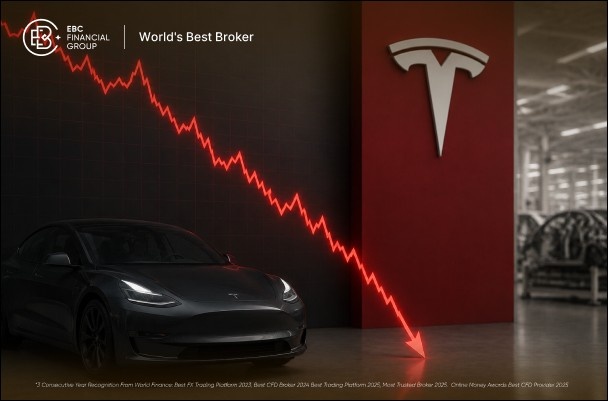
A $652 million revenue beat still produced a roughly $1.1 billion operating-income miss.
Each additional revenue dollar generated only about $0.15 of extra gross profit.
Regulatory-credit revenue fell 67%, removing $293 million of high-margin support.
Capex reached $5.79 billion, exceeding operating cash flow by $1.09 billion.
FSD reached 1.48 million subscriptions, while Robotaxi and Optimus still lack proven financial returns.
Tesla beat revenue expectations by $652 million. Gross profit came in $627 million below forecast, while operating expenses ran $479 million above it. Together, those gaps left operating income $1.11 billion below consensus.
| Metric | Actual | Forecast | Vs forecast |
|---|---|---|---|
| Revenue | $28.24B | $27.58B | $652M higher |
| Gross profit | $4.75B | $5.38B | $627M lower |
| Operating expenses | $4.35B | $3.87B | $479M higher |
| Operating income | $398M | $1.50B | $1.11B lower |
| Adjusted EPS | $0.33 | $0.55 | 40% lower |
Research and development spending rose 49% to $2.37 billion as Tesla expanded AI programmes and recorded higher stock-based compensation. Tesla generated only about 27% of the operating income analysts expected, turning a headline revenue beat into a far weaker earnings result.
Tesla delivered 480,126 vehicles, 25% more than a year earlier. Revenue rose by $5.74 billion, but gross profit increased by only $873 million. Each additional dollar of revenue generated about 15 cents of extra gross profit before operating expenses.
Automotive gross margin slipped from 17.2% to 16.9%. Excluding regulatory credits, margin reached 16.3%, up from 15.0% a year earlier but down sharply from 19.2% in Q1 2026. Record volume expanded Tesla’s sales base without preserving the previous quarter’s margin recovery.
Regulatory-credit revenue fell by $293 million to $146 million. The decline accounted for about 56% of Tesla’s year-over-year drop in operating income and removed a high-margin source of support from the automotive business.
Energy revenue increased 13%, yet gross profit fell by $206 million as gross margin dropped from 30.3% to 20.4%. Lower Megapack pricing, product mix and warranty adjustments weakened the segment’s profit contribution even as sales expanded.
Tesla generated $4.70 billion of operating cash flow, but capital expenditure reached $5.79 billion. The difference left free cash flow at negative $1.09 billion.
The deficit was better than expected. Analysts had projected negative free cash flow of about $3.25 billion, making Tesla’s result roughly $2.16 billion stronger than consensus. The duration and return profile of Tesla’s investment cycle now carry more weight than one quarter of cash burn.
Tesla expects 2026 capex to exceed $25 billion. Crossing that level requires second-half spending to average more than $8.36 billion per quarter, 44% above Q2’s already elevated pace.
Tesla ended the quarter with $43.52 billion in cash and short-term investments, limiting near-term liquidity pressure. Robotaxi, Optimus and AI must begin producing measurable returns before sustained capex weakens free cash flow further.
Active FSD subscriptions rose 56% to 1.48 million, while more than 55% of new North American deliveries included the software. FSD provides Tesla’s clearest evidence of AI monetisation through a growing recurring-revenue base.
Robotaxi and Optimus have not reached the same financial threshold. Tesla has disclosed service expansion, production progress and additional computing capacity, but not enough revenue, cost or utilisation data to establish credible returns.
Robotaxi must show sustainable revenue per mile after fleet operating costs. Optimus must demonstrate viable unit costs, manufacturing yields, pricing and external demand. Until those figures emerge, both projects remain capital commitments rather than proven profit engines.
Production milestones do not repay capital. Cash returns do.
Tesla’s revenue beat failed to reach the profit line. Gross profit missed forecasts by $627 million, operating expenses ran $479 million above expectations, and operating income reached only $398 million.
No. Free cash flow of negative $1.09 billion was about $2.16 billion better than analyst consensus. Operating cash flow remained positive, but $5.79 billion of capital expenditure pushed the final figure below zero.
Yes, although the remaining profit buffer would be narrow. Regulatory-credit revenue reached $146 million, equivalent to roughly 37% of reported operating income. The comparison shows how heavily the credits still support Tesla’s overall profitability.
Tesla ended Q2 with $43.52 billion in cash and short-term investments, plus $5 billion of unused committed credit. Near-term funding appears sufficient, although prolonged capex above operating cash flow would steadily reduce that flexibility.
Tesla’s Q3 results need automotive margins to recover, operating-expense growth to slow and operating cash flow to cover capex again. Another delivery record will carry little weight unless all three measures improve together.
Tesla’s next record must measure returns, not sales.